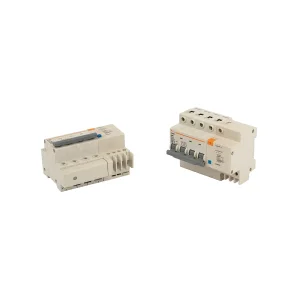
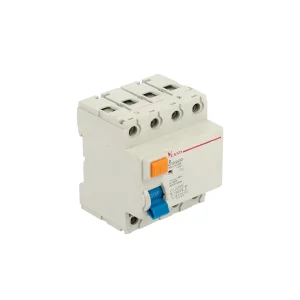
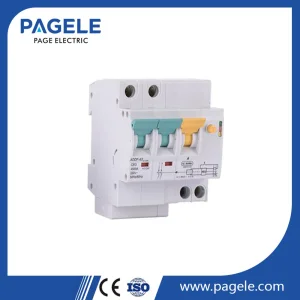
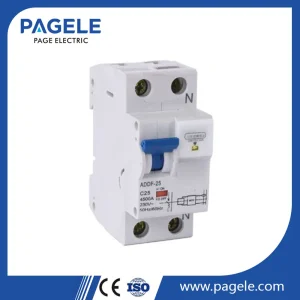
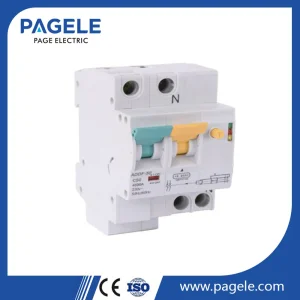
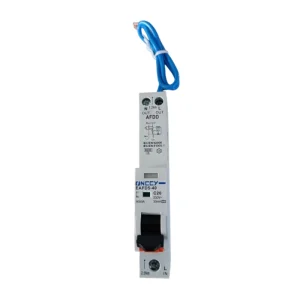
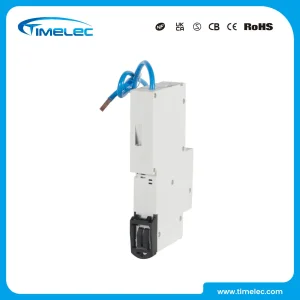
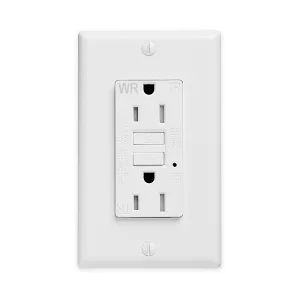
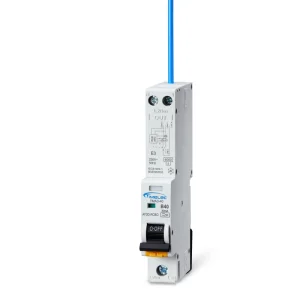
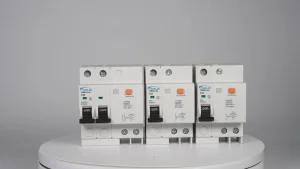
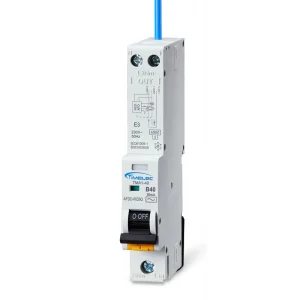
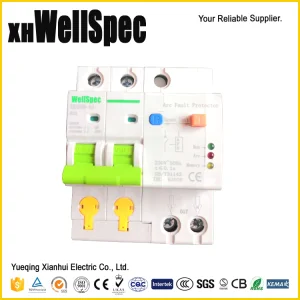
Germany possesses one of the world's most rigorous industrial and residential electrical safety standard frameworks. For design engineers, commercial project managers, and wholesalers, navigating this space demands a clear understanding of international standard mappings. In the United States and North American markets, safety protocols focus heavily on GFCI (Ground Fault Circuit Interrupters) and AFCI (Arc Fault Circuit Interrupters). However, in the German market, the terminology and implementation conform strictly to European standard structures under DIN VDE 0100-420, utilizing AFDDs (Arc Fault Detection Devices) and RCBOs (Residual Current Breakers with Overcurrent Protection).
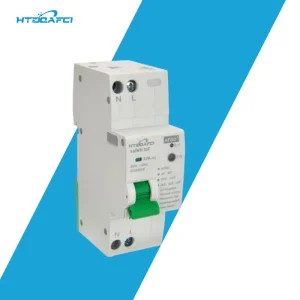
Under the DIN VDE 0100-420 standard, the installation of Arc Fault Detection Devices (AFDD) is highly recommended and, in many specialized scenarios, mandatory. These include locations with sleeping facilities (such as nursing homes, kindergartens, and high-density apartments), areas with high-flammability construction materials (like Germany's historic *Fachwerkhäuser* timber-frame buildings), and structures storing irreplaceable cultural assets (museums and archives). By integrating Phlox Energy’s advanced AFDD and RCBO technologies, commercial installers ensure full compliance with European EN 62606 regulations and German national safety codes.
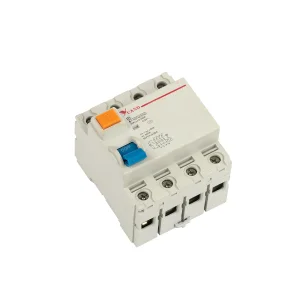
While UL standards define the performance of North American AFCIs and GFCIs, the German market aligns with IEC and EN frameworks. Specifically, AFCI equivalents are governed by IEC 62606 / DIN EN 62606 (Arc Fault Detection Devices), and GFCI systems align with IEC 61008 / IEC 61009 standards for residual current device systems (RCDs / RCBOs).
This critical German standard outlines mandatory protection guidelines against thermal effects in electrical systems. For specialized facilities, historic preservation, and solar PV integrations, the use of active arc fault diagnostic technologies is crucial for risk mitigation and insurance compliance.
As industrial automation, solar photovoltaic energy, and electric vehicle (EV) charging infrastructures scale across Germany and the European Union, traditional overcurrent circuit breakers are no longer sufficient. Modern industrial grids face complex high-frequency harmonics, transient surges, and DC reverse currents. In response, global safety systems must offer multi-tiered, intelligent diagnostics that prevent electrical fires before they manifest physically.
Phlox Energy offers integrated commercial solutions that coordinate protection schemes across the entire power distribution path. From modular DIN-rail installations inside main distribution panels to high-voltage solar recombiners, our technology suppresses risk at every node. By combining dual-function microprocessors within single-pole and multi-pole envelopes, we provide German industrial designers with dense, space-saving footprints that fit perfectly into standardized distribution boards.
Wenzhou Phlox Energy Co., Ltd. is a professional manufacturer and supplier specializing in solar photovoltaic protection and electrical connection solutions. With more than 10 years of industry experience, we are dedicated to the research, development, production, and innovation of high-quality solar accessories and low-voltage electrical products for global renewable energy markets.
Our manufacturing facility covers an area of over 11,500 square meters and is equipped with 7 advanced production lines, more than 100 automated production machines, and a skilled workforce of over 150 employees. With strong production capacity and efficient management systems, our annual output value exceeds USD 20 million.
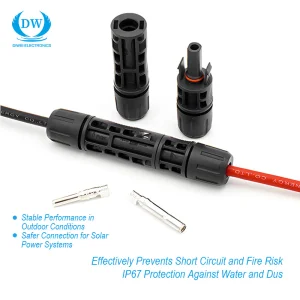
Phlox Energy specializes in the production of DC miniature circuit breakers (MCBs), surge protective devices (SPDs), photovoltaic fuses, solar connectors, DC isolator switches, distribution boxes, combiner boxes, and other solar power system components. Our products are widely used in residential, commercial, and industrial photovoltaic installations around the world.
Quality is at the core of everything we do. Our products are manufactured in strict accordance with international standards and have obtained certifications including CE, TUV, IEC, CB, and ISO 9001. Every product undergoes comprehensive quality inspections and rigorous testing procedures to ensure safety, reliability, and long-term performance in demanding environments.
Driven by continuous innovation, our experienced R&D team works closely with customers to develop customized solutions that meet evolving market requirements. We also provide OEM and ODM services, helping partners build competitive product portfolios and strengthen their market presence.
Having successfully participated in more than 3,900 solar energy projects worldwide, Phlox Energy has earned a strong reputation for premium product quality, competitive pricing, reliable delivery, and professional after-sales support. Our commitment to customer satisfaction and long-term cooperation has made us a trusted partner for distributors, installers, EPC contractors, and solar energy companies across the globe.
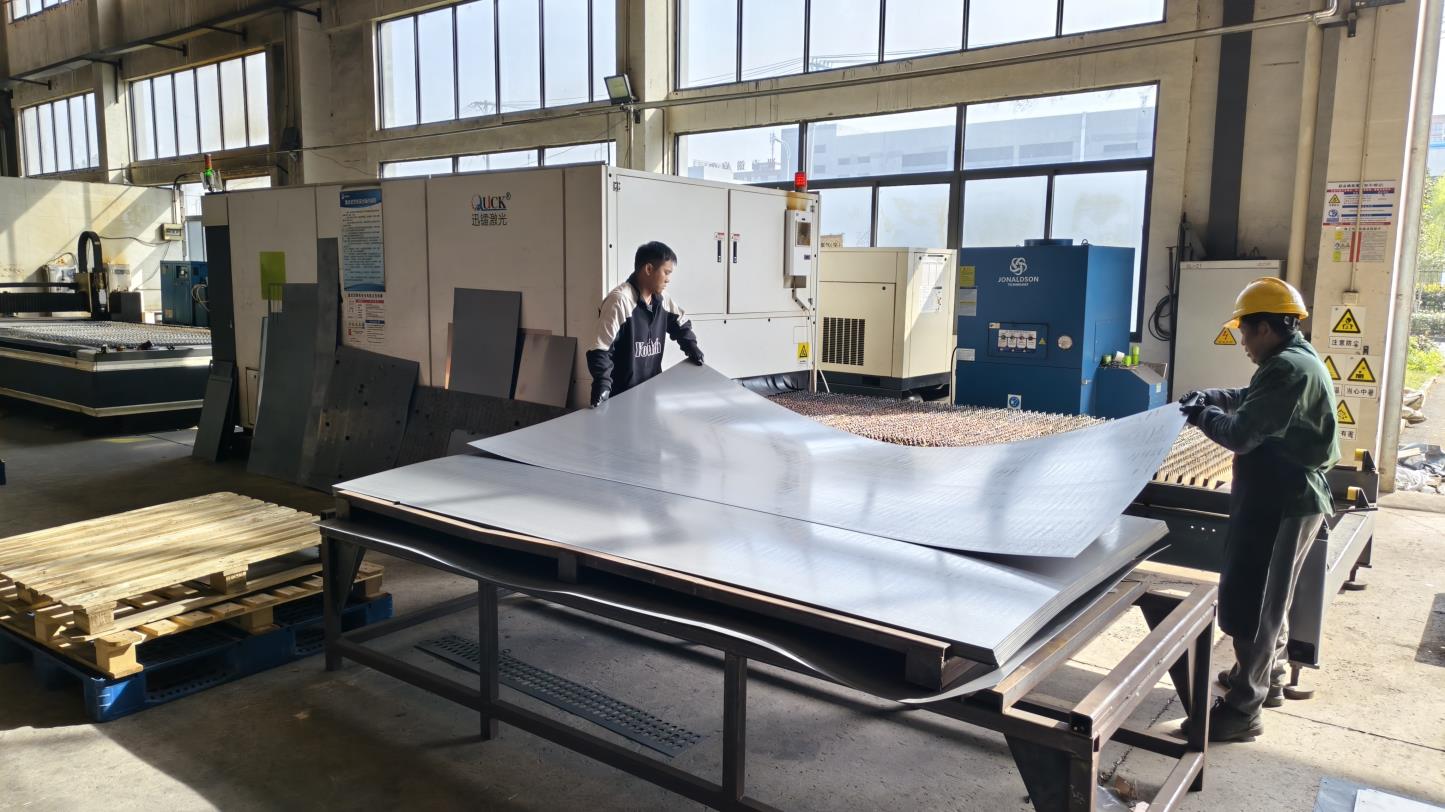 Laser Cutting
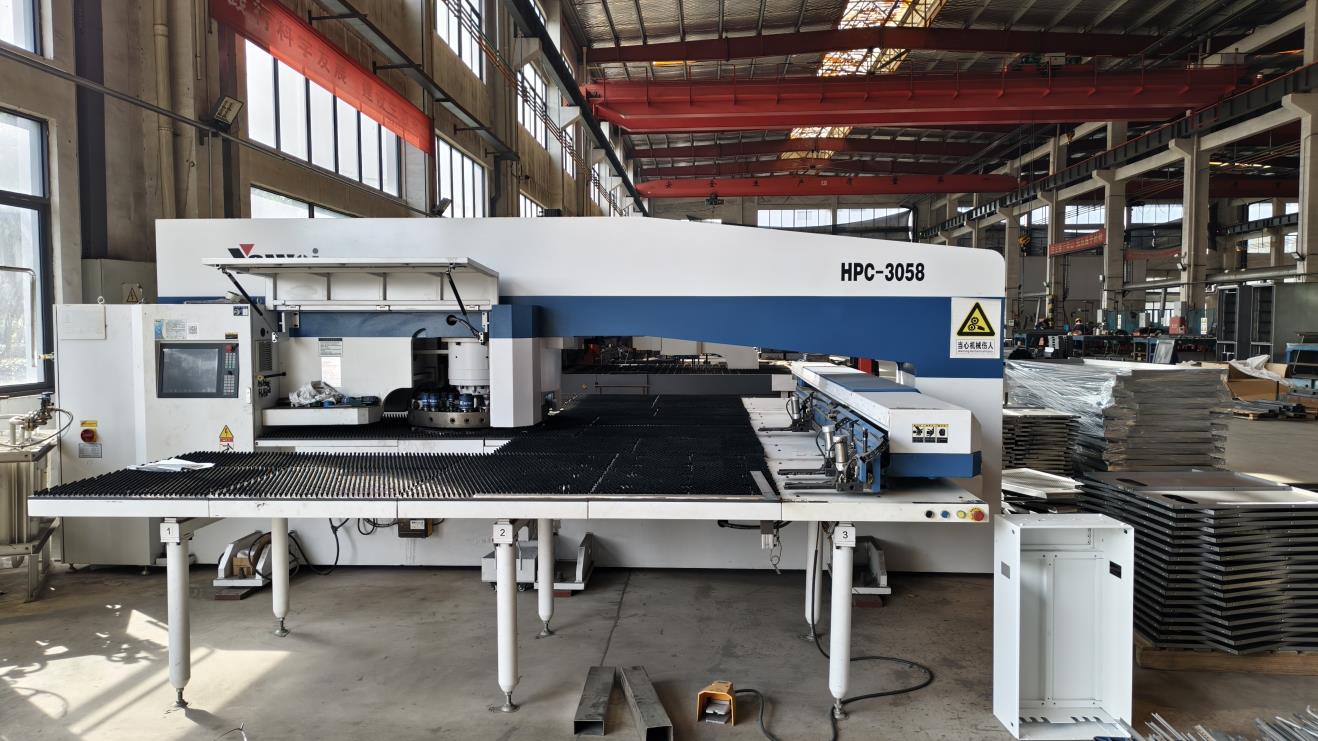 Bending
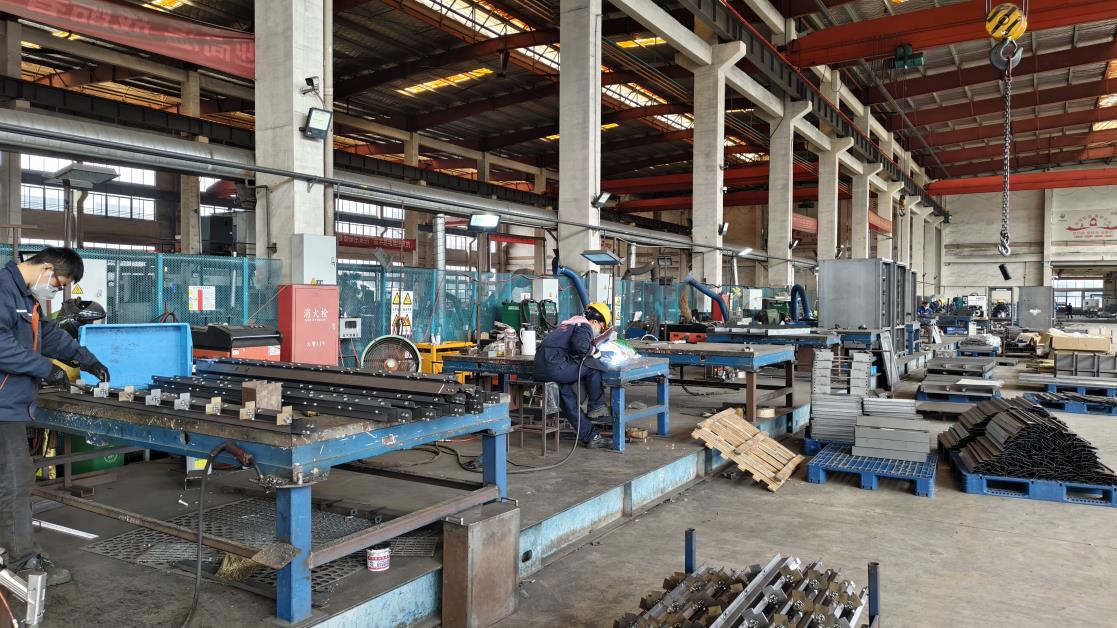 Welding
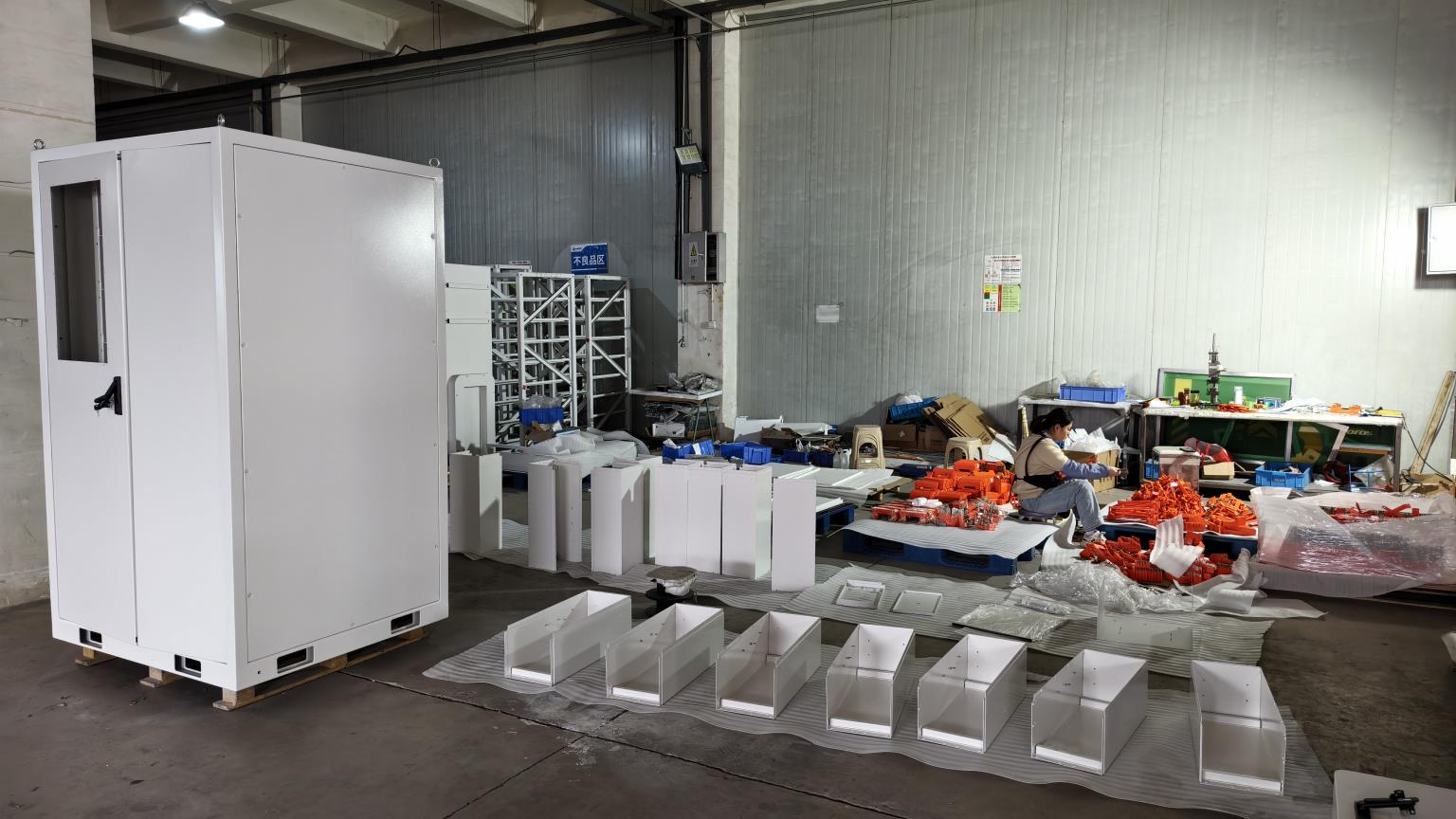 Assembling
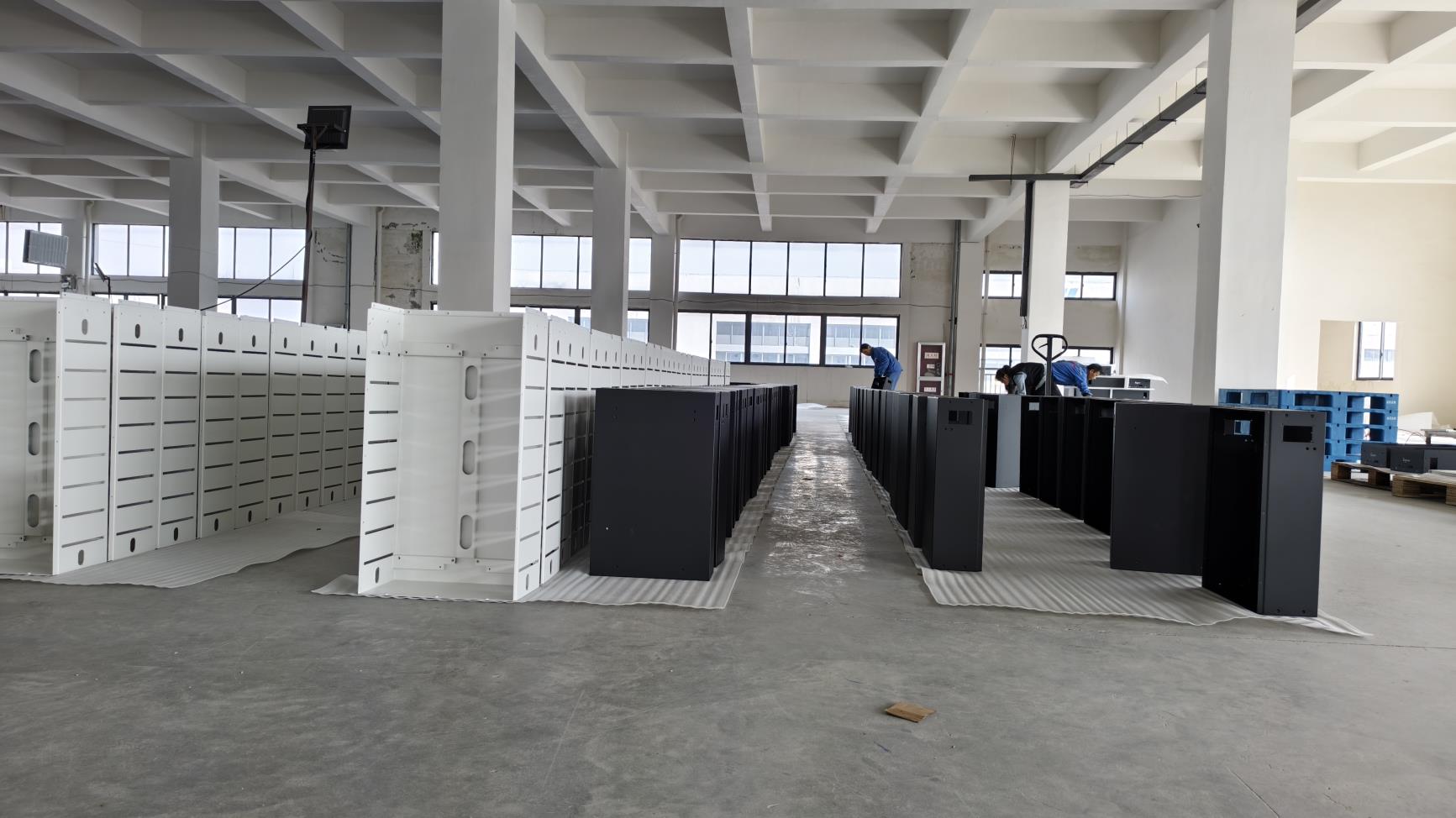 Packing
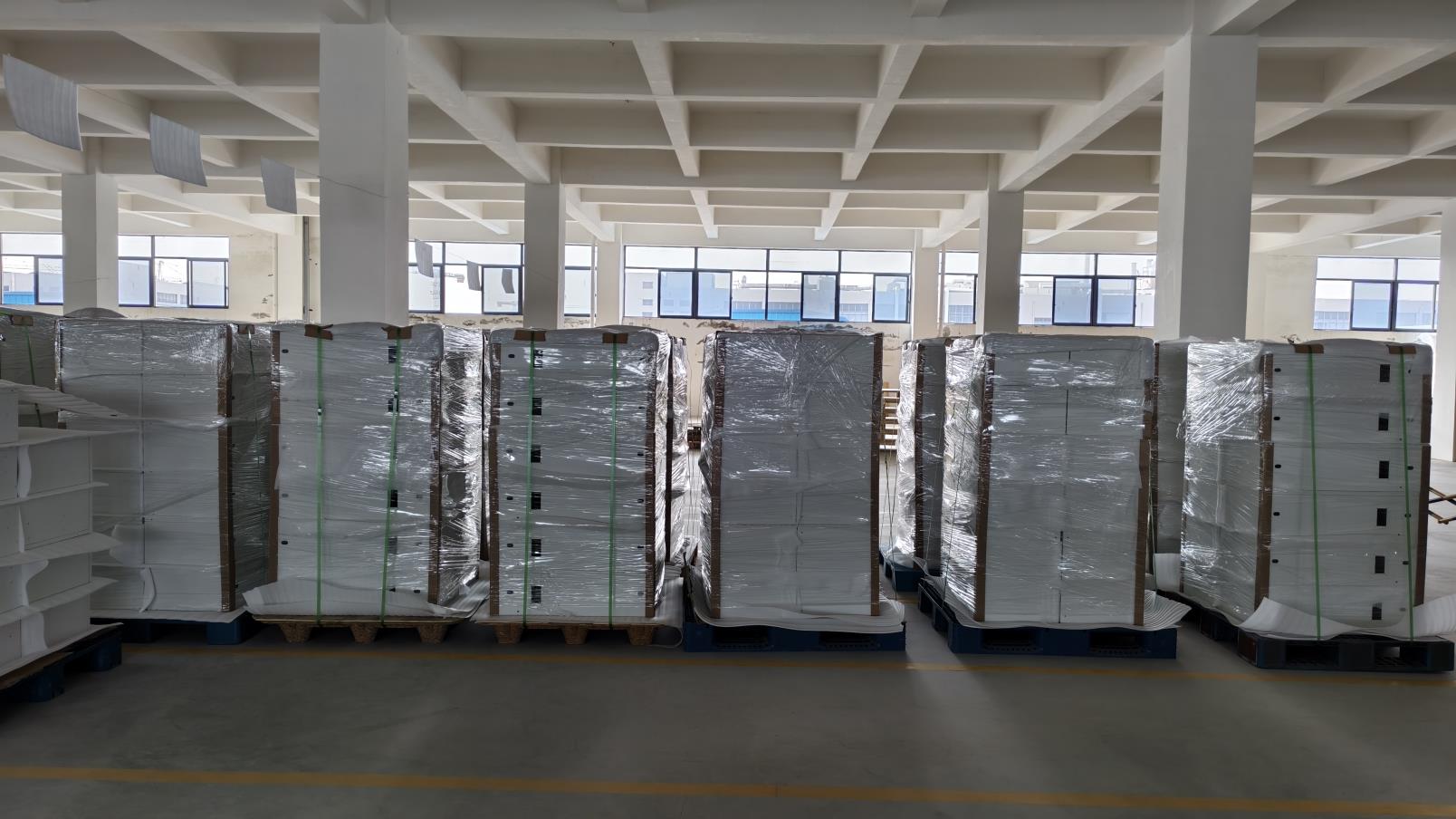 Warehouse
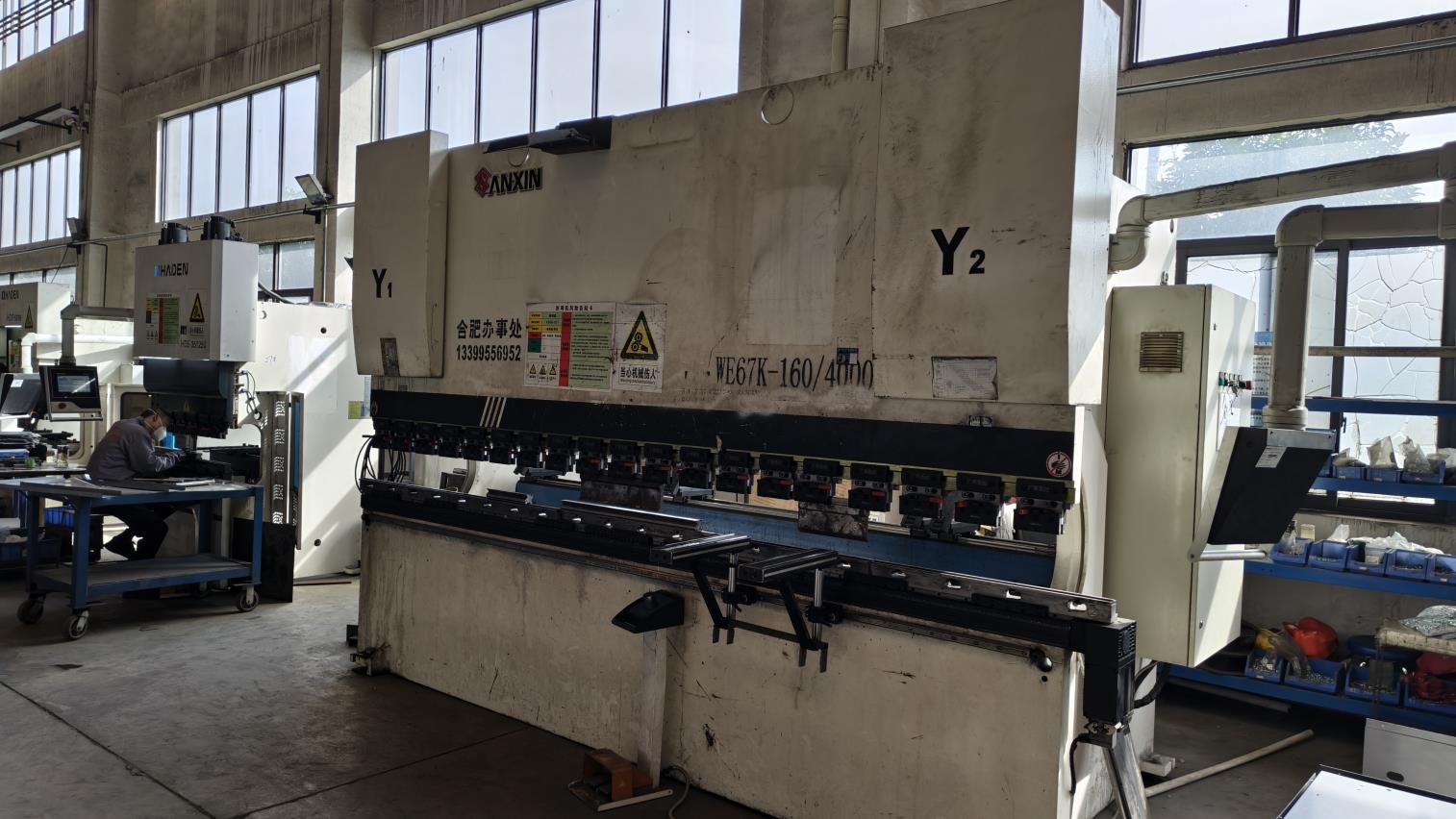 Bending Machine
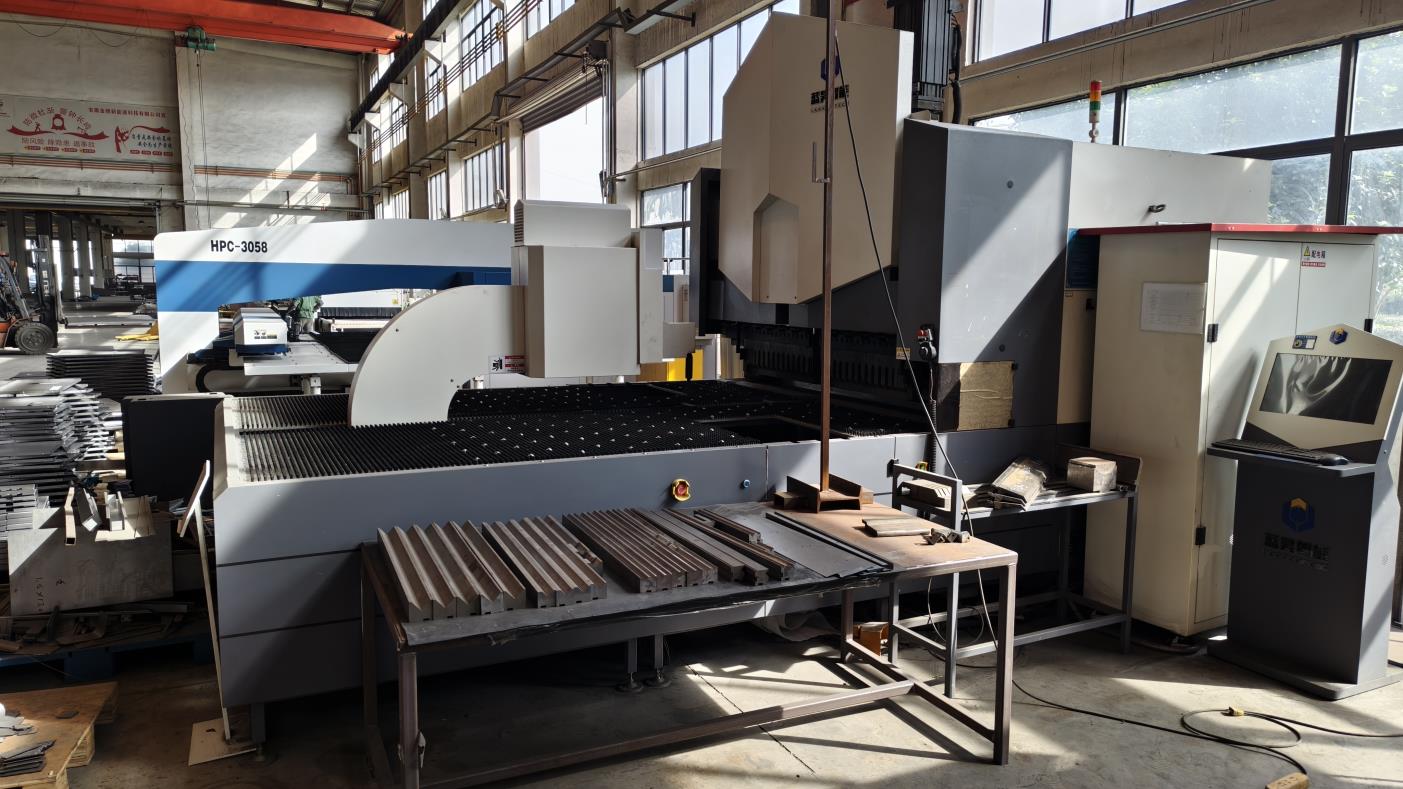 CNC Bending Machine
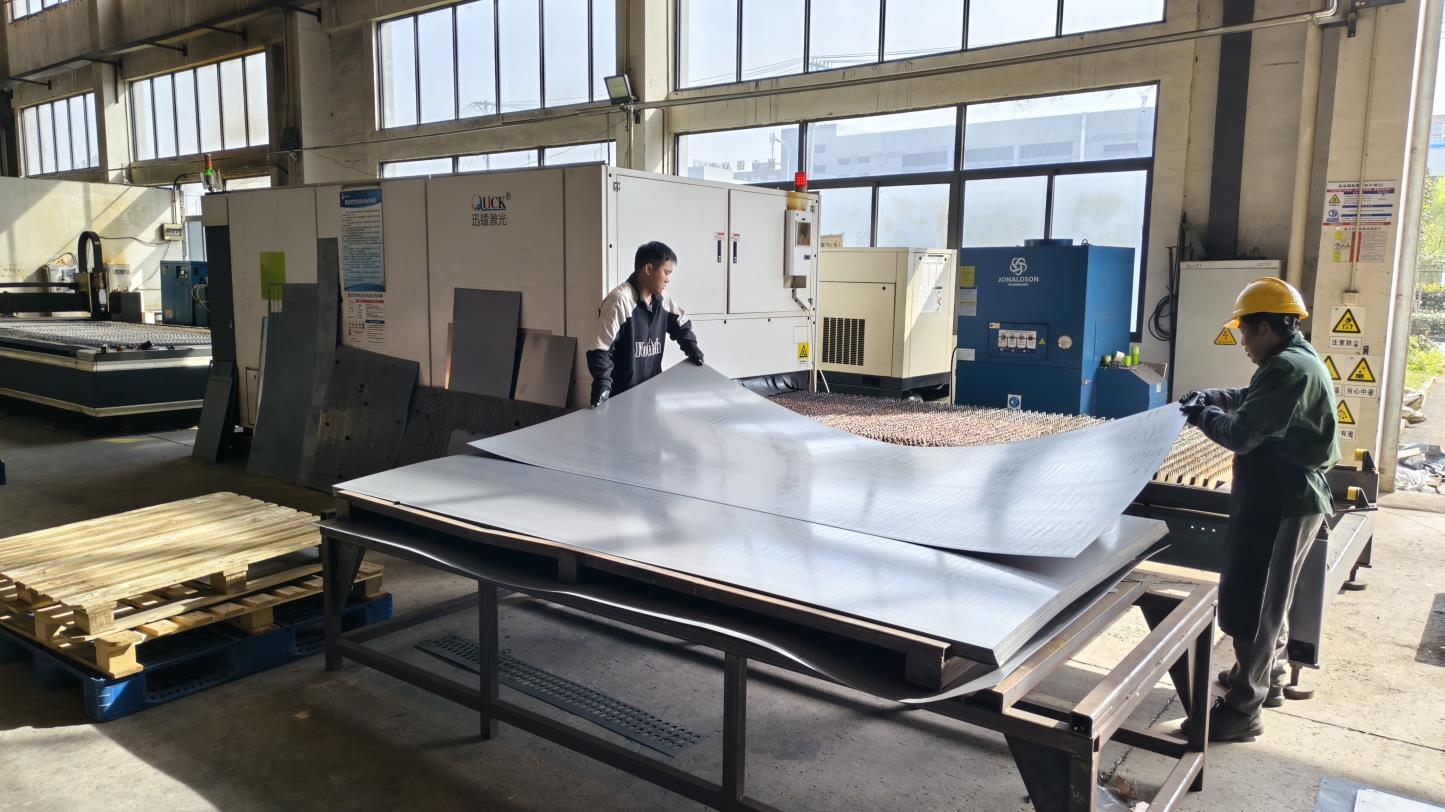 Laser Cutting Machine
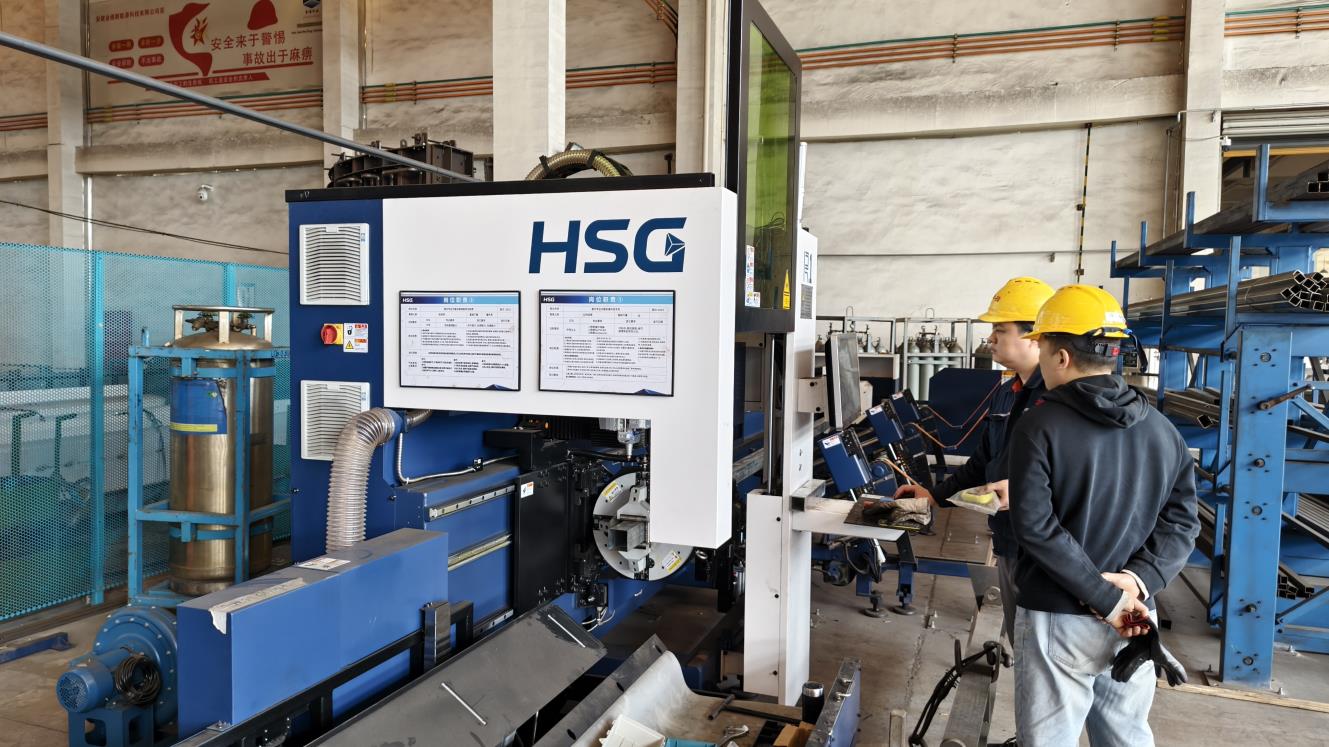 Laser Tube Cutting Machine
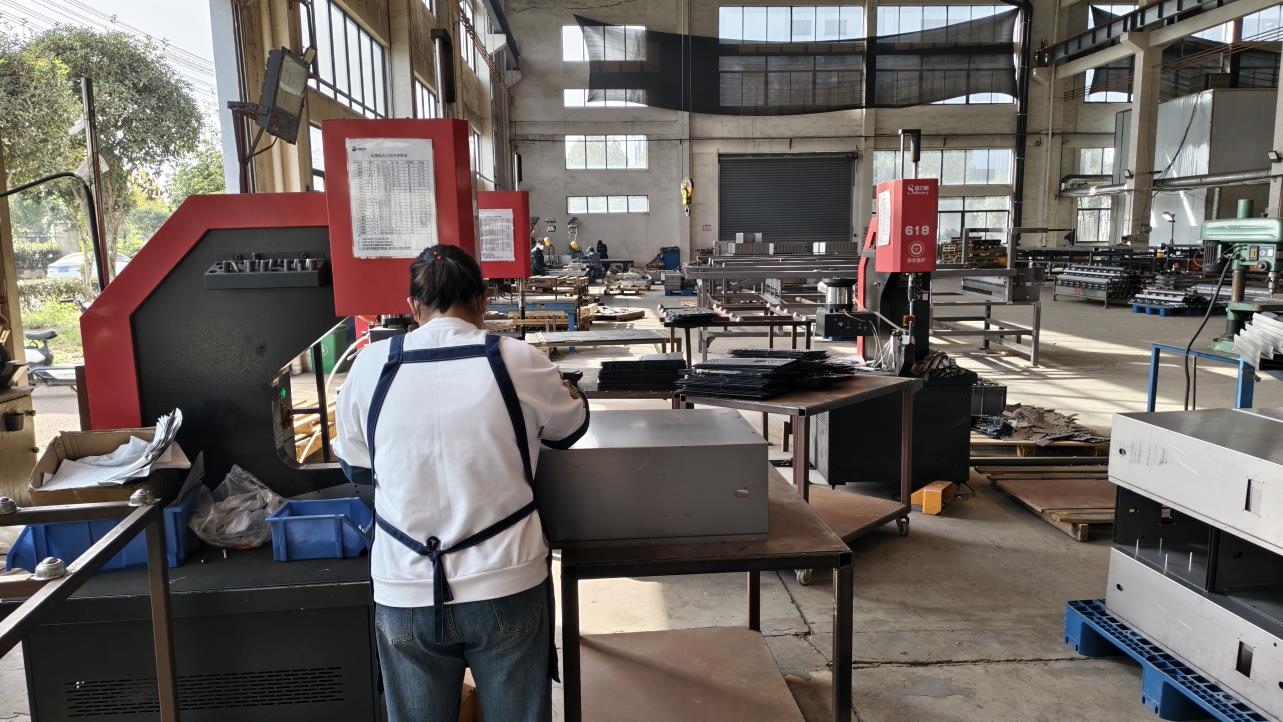 Riveting Machine
As the European energy matrix transitions to decentralized smart grids, the requirements for low-voltage safety devices are changing. Electrical safety hardware is transforming into data-rich, smart assets capable of communicating system conditions back to centralized building management systems (BMS). Our ongoing R&D pipeline focuses on three key vectors to support German and global modernization initiatives:
By integrating micro-controllers equipped with high-speed digital signal processors (DSPs), our new-generation AFDDs dynamically analyze voltage and current waveforms. This allows the breaker to isolate genuine hazardous electrical arcing events while ignoring operational arcs generated by electric motors, power drills, and switching power supplies.
Future iterations of our DIN-rail circuit breaker systems will leverage Modbus-RTU or local wireless communication protocols. This provides real-time logging of tripping events, line voltage fluctuation statistics, and leakage currents, enabling plant operators in German manufacturing facilities to identify degrading wiring before a catastrophic fault occurs.
With Germany's rapid expansion of commercial rooftop solar systems (Gewerbe-PV), high-voltage DC protection is critical. Our engineering team is adapting traditional AC micro-arcing signatures for DC string circuits, offering specialized protection mechanisms for modern energy storage infrastructures (ESS).
Different application spaces present unique risk profiles. Ensuring safety requires matching the correct protection device to the specific operational environment:
Germany is famous for its historical architecture. These structures feature dry, aged timber frames that are highly susceptible to ignition from low-level series arc faults, which regular overcurrent breakers cannot detect. Installing DIN-Rail mounted AFDD components is the primary preventive control to preserve these structures.
With the electrification of transport and heating (Wärmepumpen) in Germany, home panels run at high continuous currents for hours. This thermal stress can accelerate the aging of terminal connections, introducing risk of arcing. Implementing AFDD+RCBO protection ensures protection against insulation damage and ground faults.
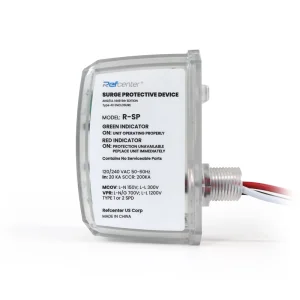
Rooftop PV systems generate high-voltage DC currents. When insulation degrades due to UV exposure or physical wear by pests, arc faults can quickly cause roof fires. Incorporating robust DC surge protectors and arc-fault containment technologies ensures continuous safety for your green energy investments.
Partner with an established manufacturer equipped to supply DIN-rail components compliant with DIN VDE and IEC specifications. Our engineering team provides comprehensive support for complex projects.
Send Inquiry Now Phlox Energy