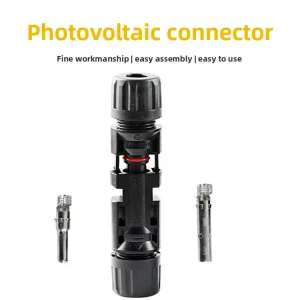
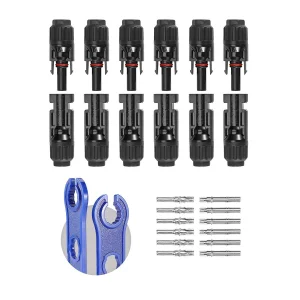
Explore our engineering-grade MC4 compatible solar connectors, rated for extreme 1000V/1500V DC environments with IP67/IP68 ingress protection.
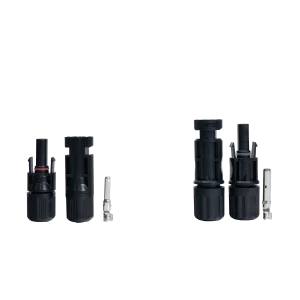
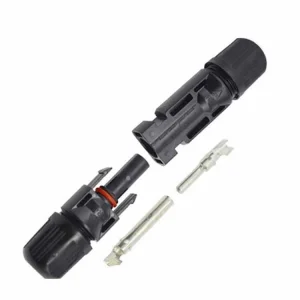
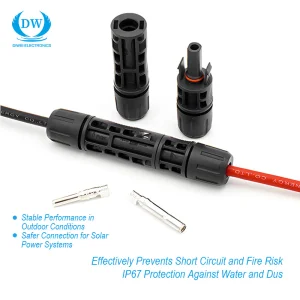
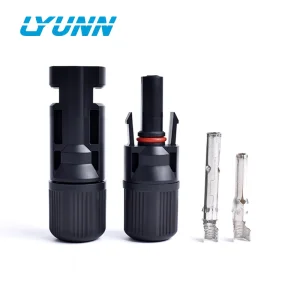
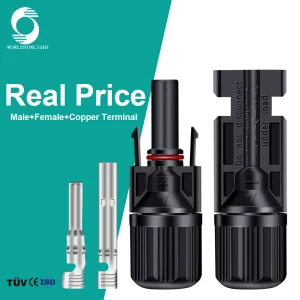
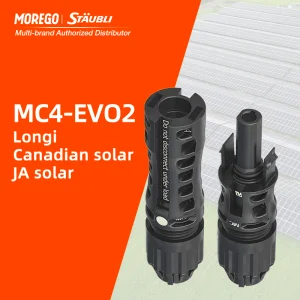
In utility-scale and commercial solar power assets, the photovoltaic (PV) connector represents a deceptively minor portion of the Balance of System (BOS) capital expense—typically less than 1% of total system costs. However, actuarial data from global insurance syndicates highlights that more than 80% of localized thermal failures and over 45% of total system downtime are initiated by faults at connection nodes. The transition from 1000V DC to 1500V DC architectures has doubled down on electrical, mechanical, and thermal stresses, transforming the simple MC4 joint into a high-precision node of industrial engineering.
When raw solar electricity flows from modules through string combiner boxes and central inverters, any micro-ohm variations in contact resistance lead to localized Joule heating ($P=I^2R$). Left unaddressed, contact degradation through thermal cycling, ambient moisture ingress, and ultraviolet radiation results in insulation breakdown, arc faults, and catastrophic field fires. Understanding the underlying material composition, precision machining tolerance, and strict compliance with standards like IEC 62852 and UL 6703 is no longer a localized technical option; it is a critical mandate for EPC firms, financial backers, and global project operators.
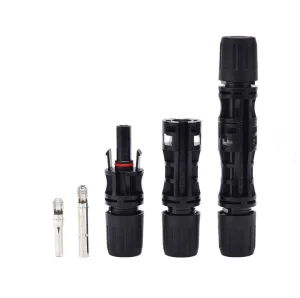
Engineered with high-performance PPO/PPE polymers to prevent tracking and leakage currents under 1500V DC continuous loads.
IP68 rated protection containing dual-ring silicone seals to resist permanent immersion and chemical exposure.
Precision machined red copper pins with electrolytic tin-plating maintaining a baseline contact resistance under 0.25mΩ.
Years Industrial R&D Experience
Advanced Manufacturing Base
Global Utility & Commercial Projects
Annual High-Quality Output Value
Procurement heads and system integrators operating in North America, Europe, and the Asia-Pacific region face distinct supply chain challenges. When sourcing MC4-compatible interconnects, the focal point has shifted from purely unit-level pricing to total lifecycle cost optimization. Selecting tier-1 manufacturers who offer cross-compatible connector designs is essential for maintaining mechanical compatibility across diverse module inventories.
Historically, using mismatching connectors from different suppliers has been a primary driver of field failure, triggering voided system warranties and safety non-compliance under NEC regulations. Procurement teams must enforce strict vendor evaluation frameworks that prioritize production line automation, raw material pedigree, and traceability.
| Procurement Parameter | Legacy Standard (1000V DC Systems) | Next-Gen Utility Standard (1500V DC Systems) | Strategic Quality Checklist |
|---|---|---|---|
| Insulation Housing Material | Standard PC / PBT Polymer Blends | Modified PPO/PPE with Flame Retardant (UL94-V0) | Ensure UV, Ammonia, Acid Rain, and Ozone exposure ratings. |
| Contact Pin Metallurgy | Brass / Standard Copper Alloys | High-purity Oxygen-free Red Copper, Tin-Plated | Confirm plating thickness exceeds 3-5 microns to prevent galvanic corrosion. |
| Ingress Protection (Mated) | IP67 (1-meter submersion for 30 min) | IP68 (continuous immersion) & IP69K (high pressure wash) | Mandatory for floating solar and high-humidity equatorial installs. |
| Compliance Certificates | Basic CE Markings | TUV Rheinland IEC 62852, UL 6703, RoHS, REACH | Demand verified PDF copies of third-party lab test reports. |
From an engineering perspective, mechanical stability and electrical continuity cannot be separated. MC4 connectors must accommodate thermal expansion and contraction cycles ranging from -40°C to +85°C. At high ambient temperatures, such as those found in desert locations, the internal temperature of a connector under full current load can reach up to 105°C.
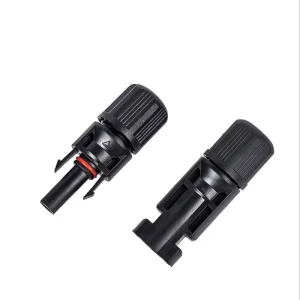
To prevent thermal runaway, manufacturers rely on high-precision mechanical tolerances. Our custom-designed contact pins employ red copper with premium tin plating, reducing contact resistance to negligible levels. The locking mechanism utilizes a robust snap-in system compliant with NEC regulations, ensuring that the connector cannot be disconnected under load without the use of a dedicated unlocking tool.
Dual compatibility with 2.5mm², 4mm², and 6mm² (14, 12, 10 AWG) PV cables, with specialized options supporting 10mm² cables for high-power long-distance runs.
Engineered with a secure dual-prong locking tab mechanism that ensures compliance with NEC 690.33(C), preventing accidental disconnects under heavy DC loads.
Formulated using virgin polycarbonate and PPO resins, providing exceptional resistance to UV weathering and tracking indexes (CTI > 600V).
Wenzhou Phlox Energy Co., Ltd. is a professional manufacturer and supplier specializing in solar photovoltaic protection and electrical connection solutions. With more than 10 years of industry experience, we are dedicated to the research, development, production, and innovation of high-quality solar accessories and low-voltage electrical products for global renewable energy markets.
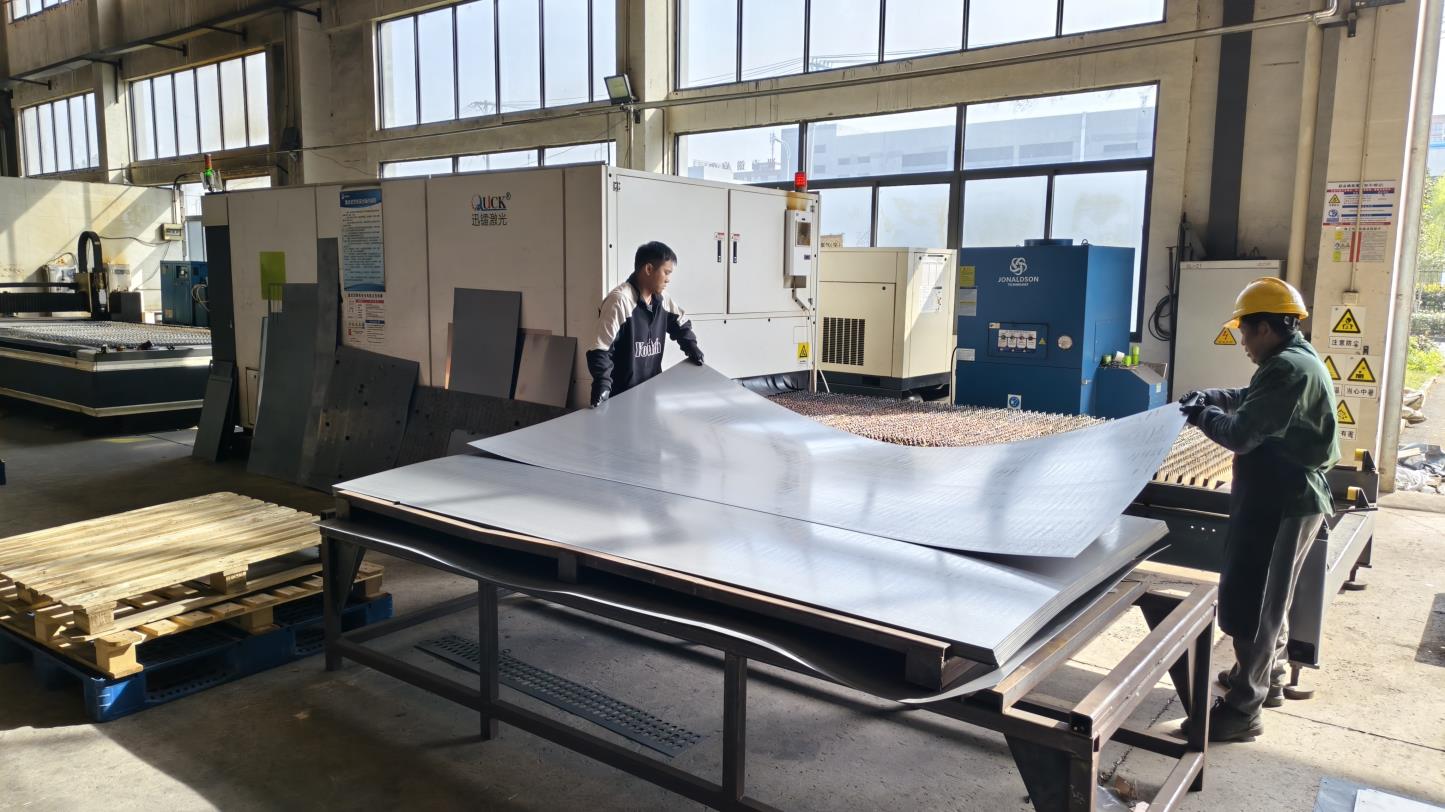
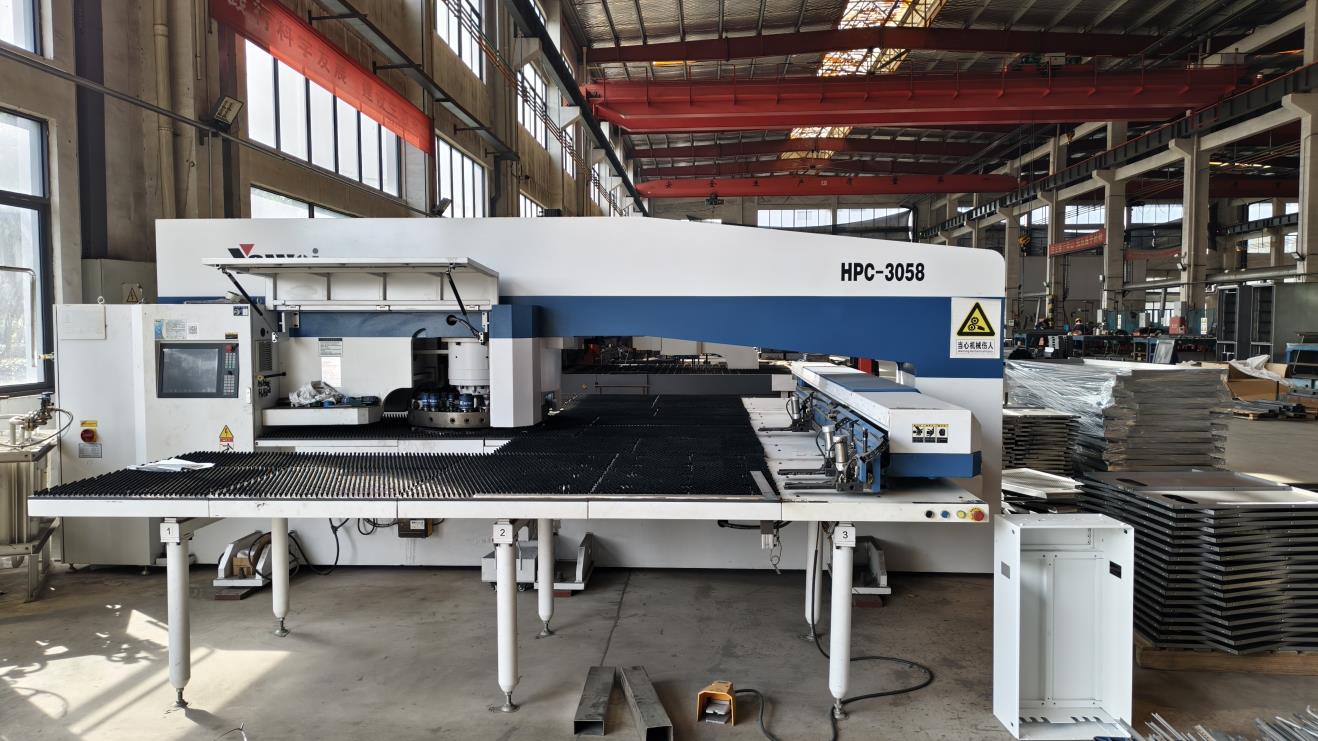
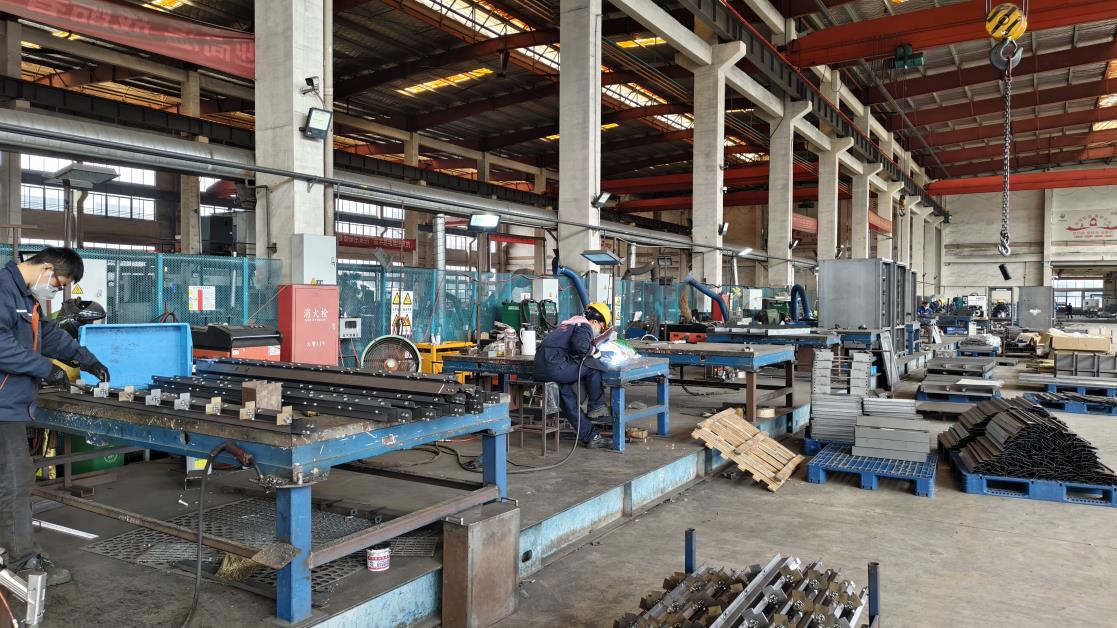
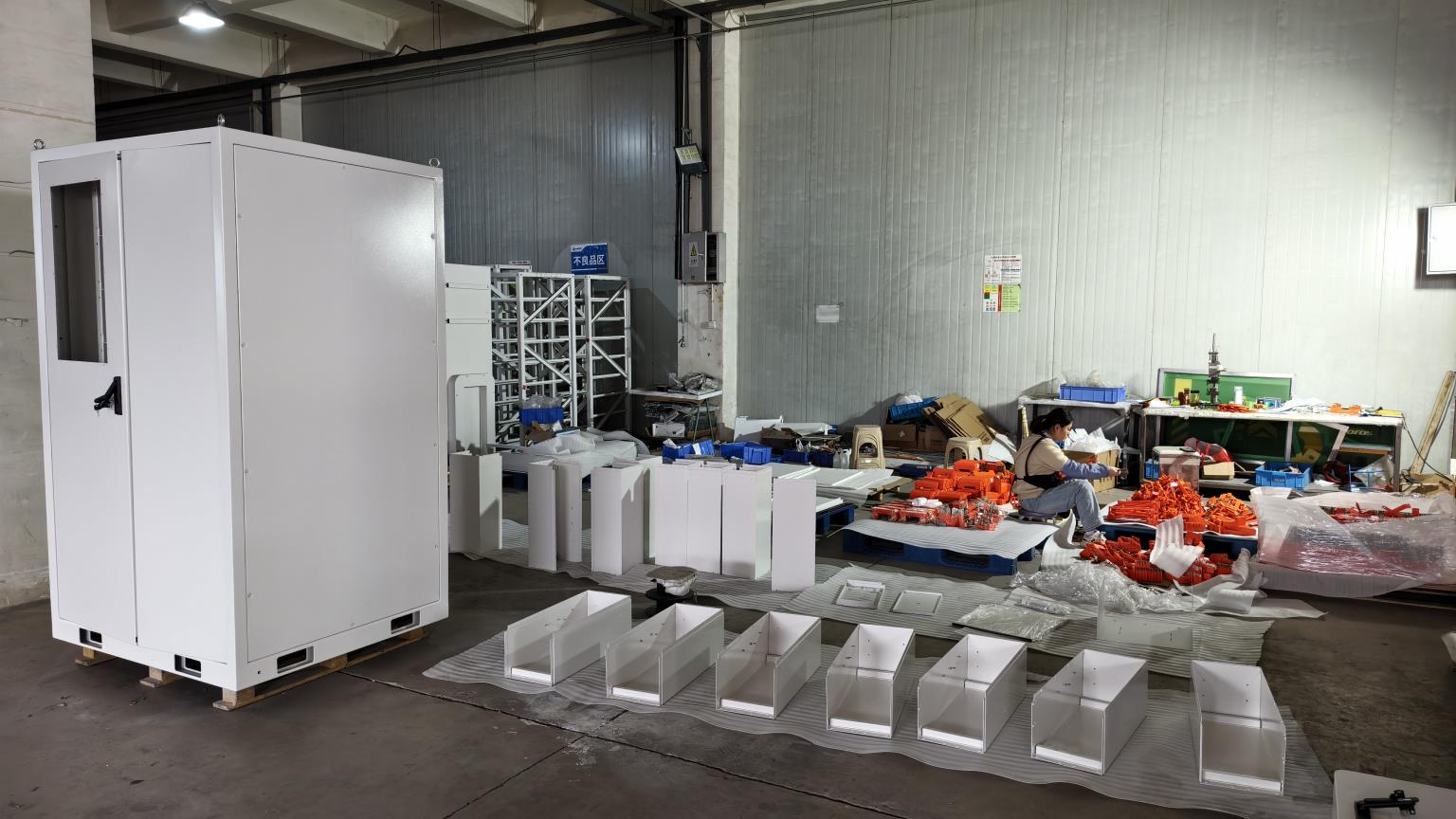
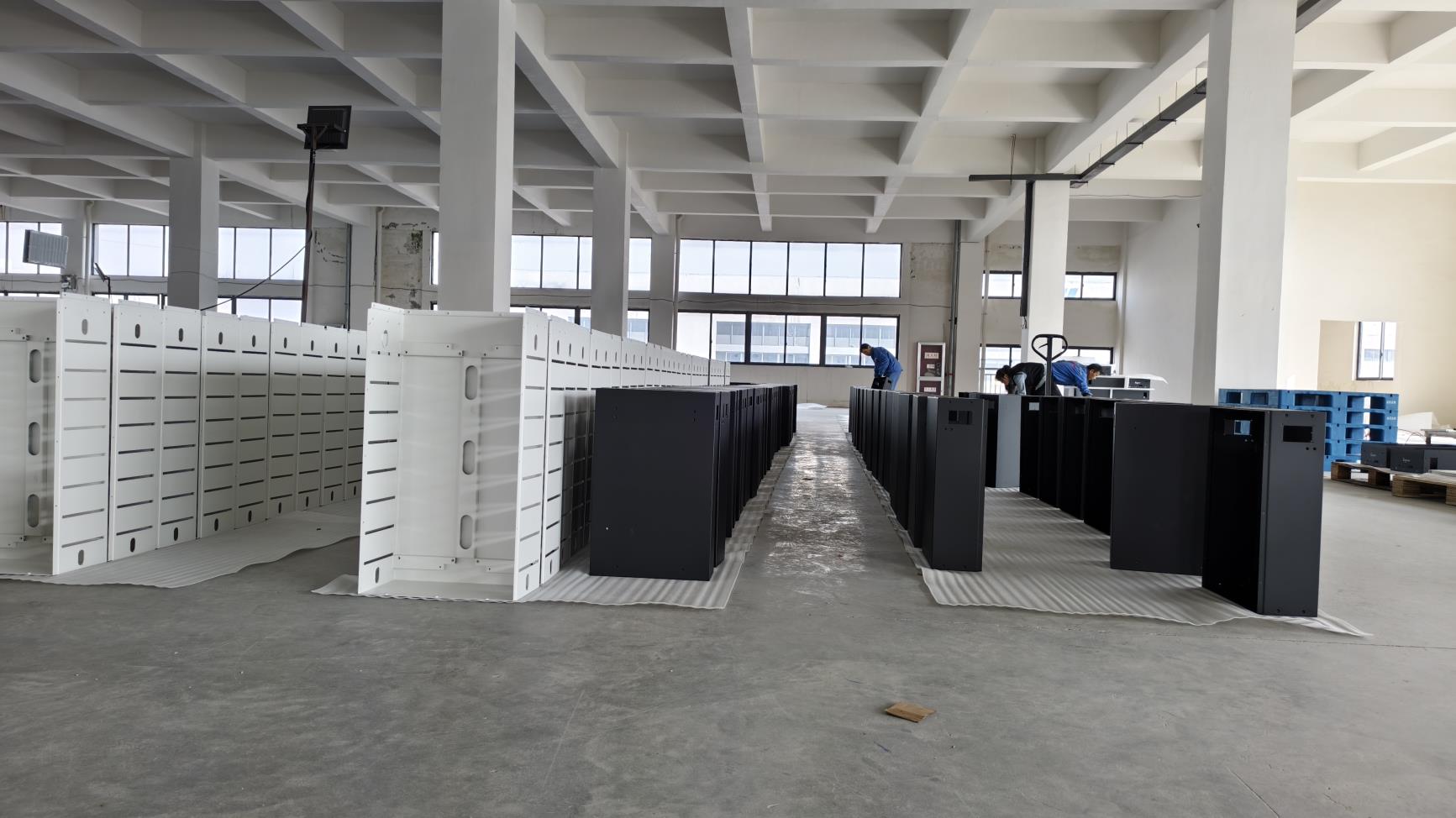
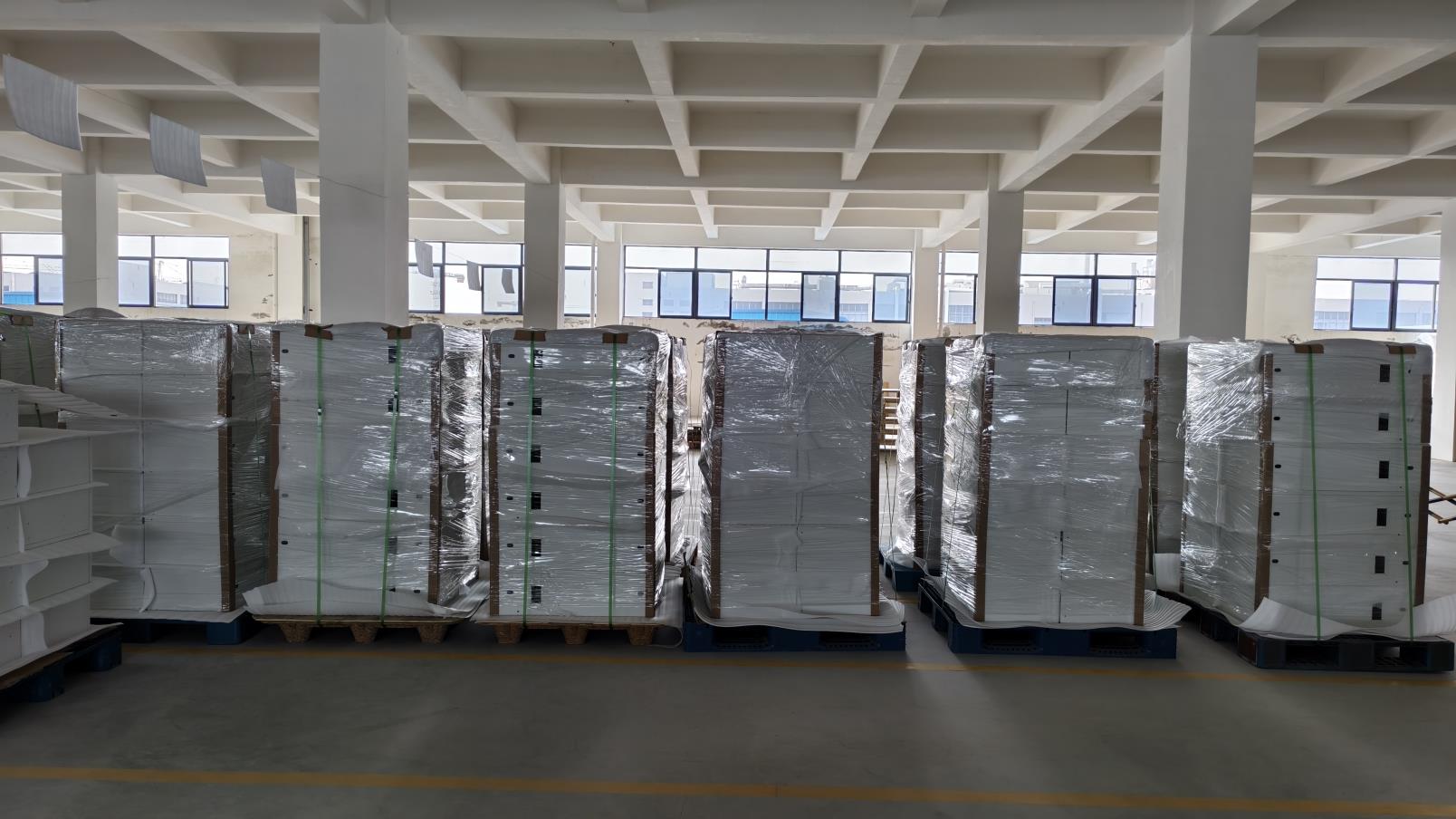
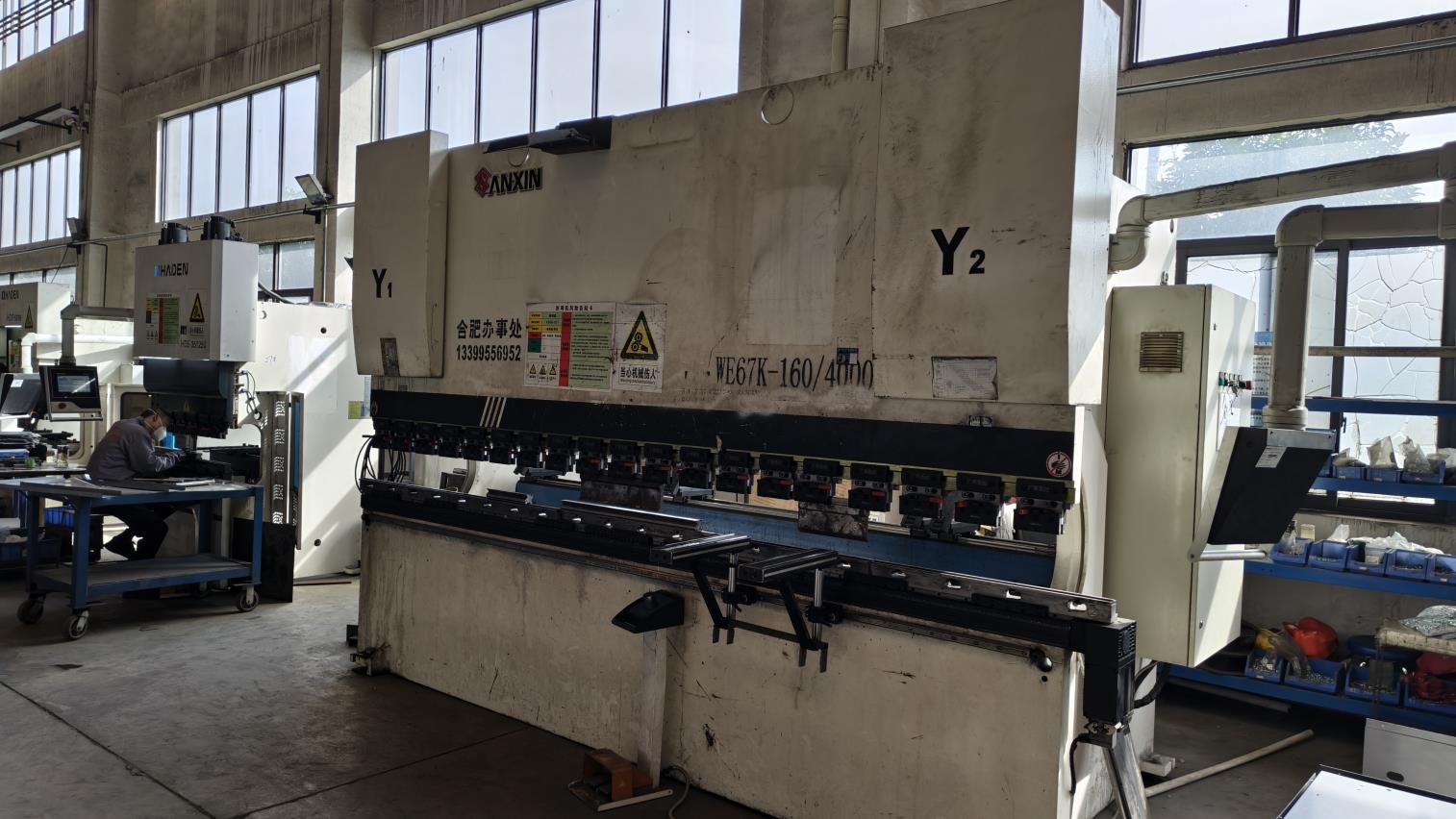
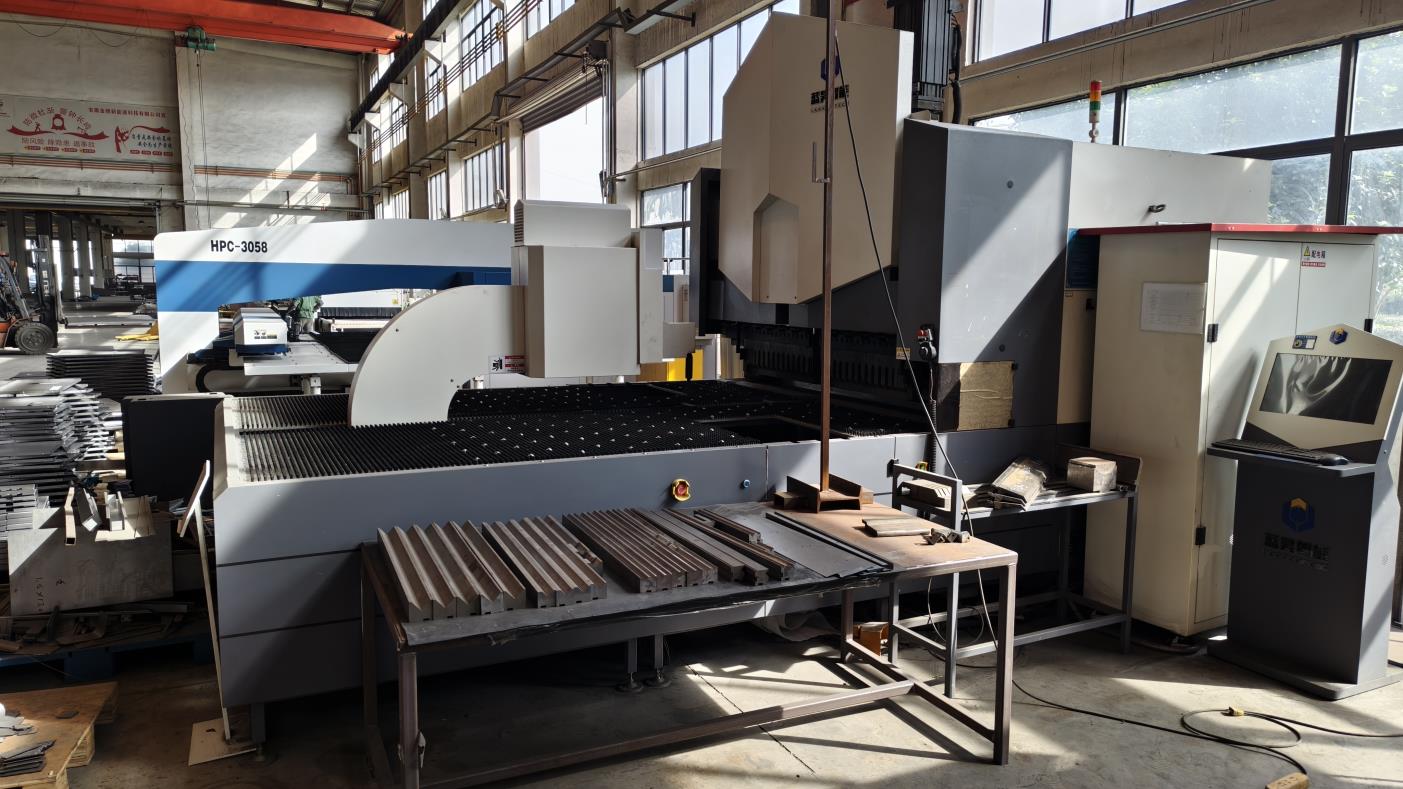
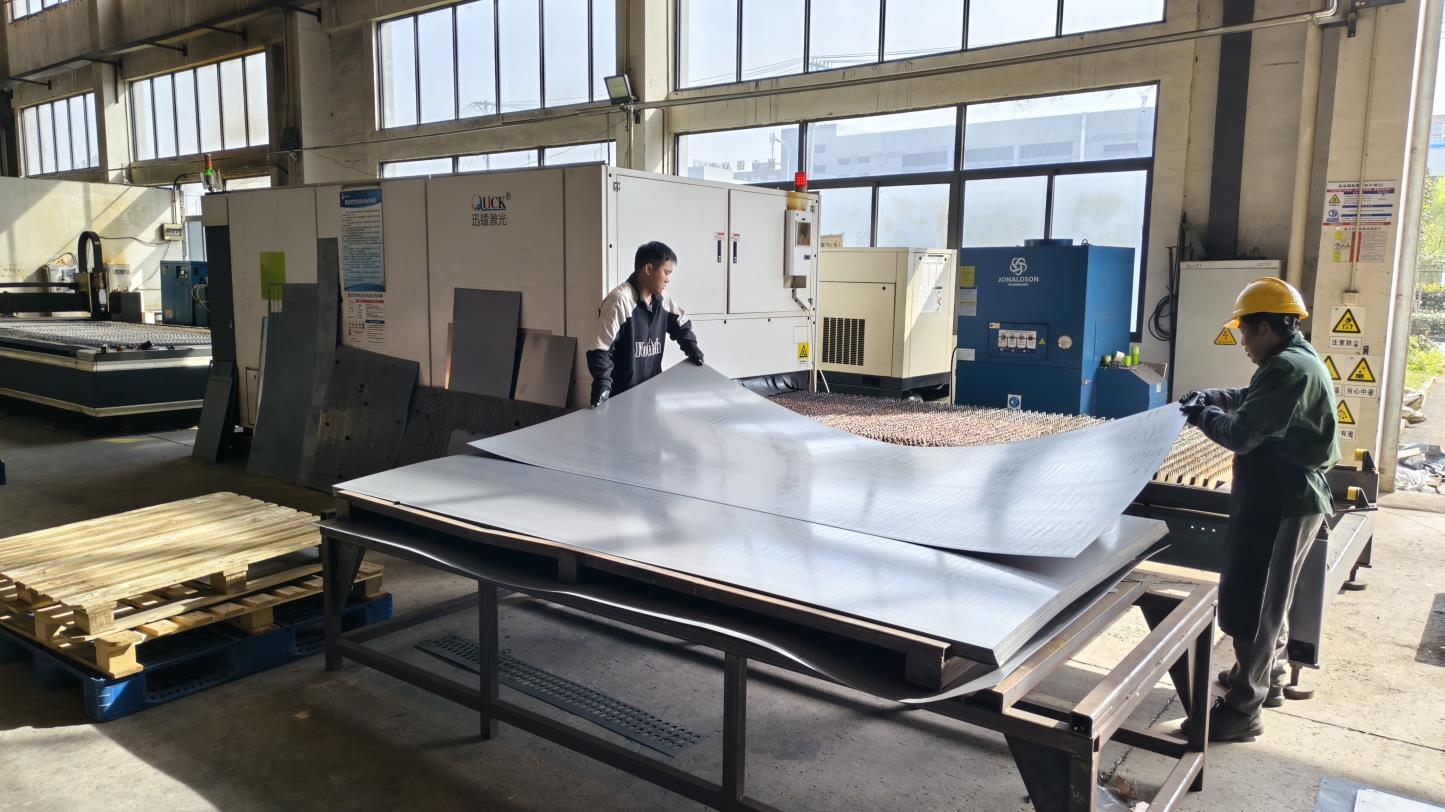
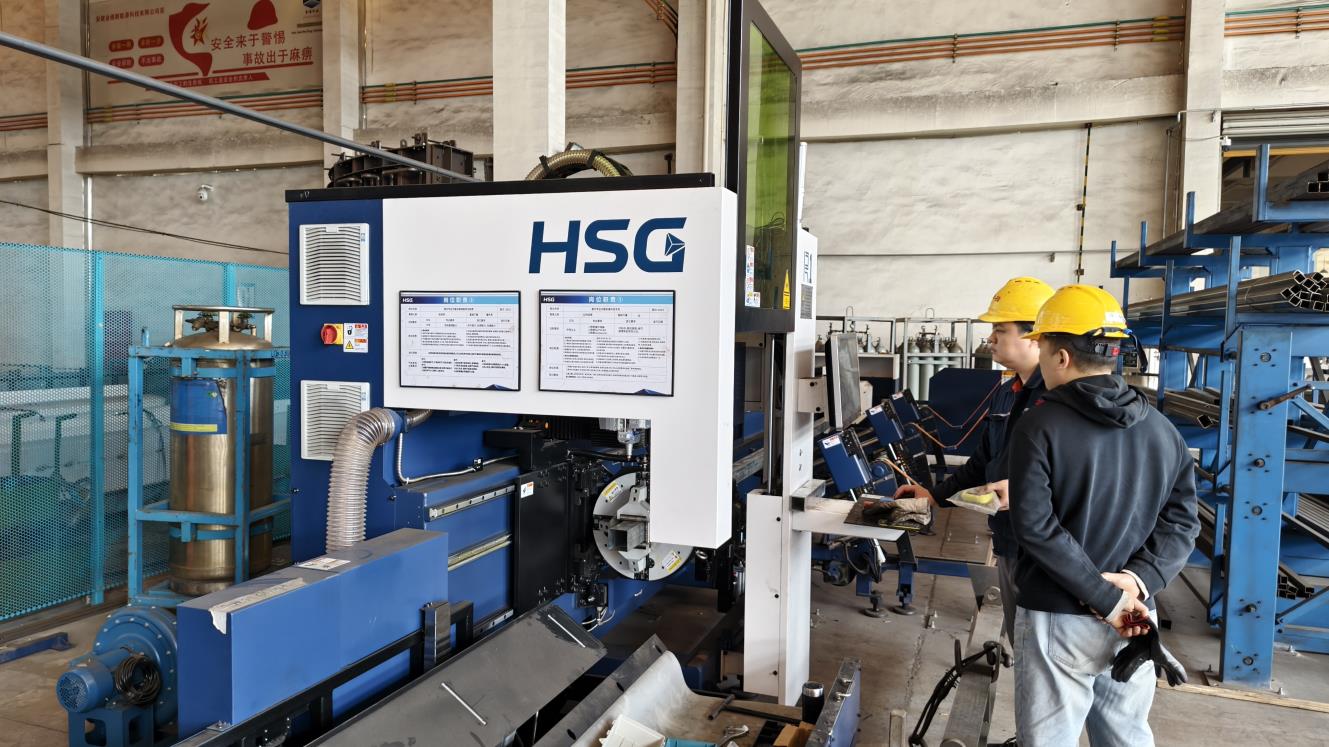
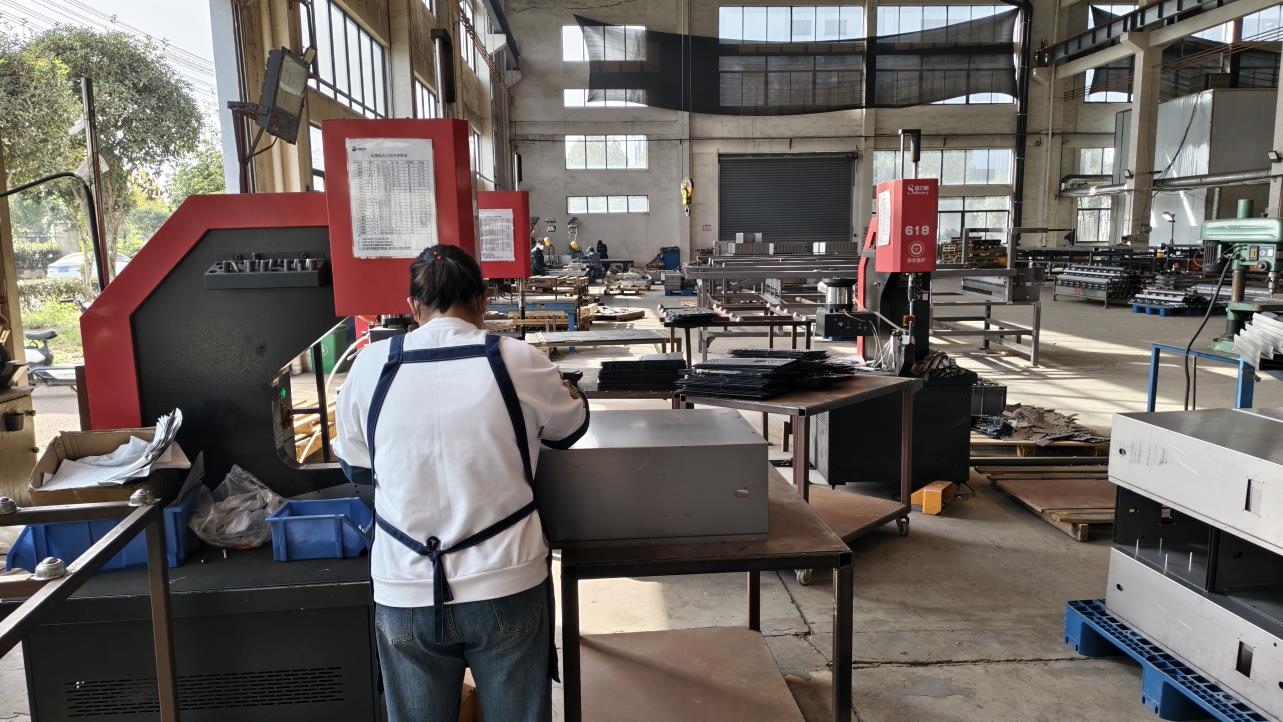
Our manufacturing facility covers an area of over 11,500 square meters and is equipped with 7 advanced production lines, more than 100 automated production machines, and a skilled workforce of over 150 employees. With strong production capacity and efficient management systems, our annual output value exceeds USD 20 million.
Phlox Energy specializes in the production of DC miniature circuit breakers (MCBs), surge protective devices (SPDs), photovoltaic fuses, solar connectors, DC isolator switches, distribution boxes, combiner boxes, and other solar power system components. Our products are widely used in residential, commercial, and industrial photovoltaic installations around the world.
Quality is at the core of everything we do. Our products are manufactured in strict accordance with international standards and have obtained certifications including CE, TUV, IEC, CB, and ISO 9001. Every product undergoes comprehensive quality inspections and rigorous testing procedures to ensure safety, reliability, and long-term performance in demanding environments.
Driven by continuous innovation, our experienced R&D team works closely with customers to develop customized solutions that meet evolving market requirements. We also provide OEM and ODM services, helping partners build competitive product portfolios and strengthen their market presence.
Having successfully participated in more than 3,900 solar energy projects worldwide, Phlox Energy has earned a strong reputation for premium product quality, competitive pricing, reliable delivery, and professional after-sales support. Our commitment to customer satisfaction and long-term cooperation has made us a trusted partner for distributors, installers, EPC contractors, and solar energy companies across the globe.
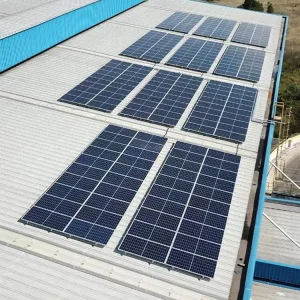
Solar connection systems must adapt to diverse operational environments. Standard MC4 designs are suitable for residential rooftop systems, but large-scale utility projects require specialized solutions. For instance, Floating PV (FPV) projects expose electrical contacts to constant moisture and relative humidity. In these conditions, standard connectors can fail due to moisture ingress, leading to ground faults and inverter shutdowns.
Similarly, installations in desert areas experience significant thermal cycling, with daytime temperatures exceeding 50°C and dropping to near freezing at night. These fluctuations place intense physical stress on plastic connector bodies. Our specialized 1500V MC4 connectors utilize premium-grade materials to prevent thermal degradation and preserve structural integrity over long-term operation.
Constructed with modified polycarbonate and PPO compounds that resist UV degradation. These connectors are engineered to withstand continuous exposure to intense solar radiation and high dust environments without cracking or showing signs of aging.
Equipped with IP68 rated, double-lip silicone gaskets that protect internal contacts from water immersion and damp conditions, helping to reduce the risk of isolation faults in floating solar arrays.
Features robust polymer housings that resist chemical degradation from common agricultural elements, such as ammonia gas and fertilizer residues, preserving electrical performance.
As developers strive to reduce system losses and lower Levelized Cost of Energy (LCOE), the PV industry is looking beyond the 1500V DC threshold. Research is underway to establish standard practices for 2000V DC operational architectures. At this level of electrical potential, creepage distances and clearances must be carefully calculated to prevent arc tracking and partial discharge in the connection nodes.
Future connector designs may incorporate digital monitoring technology directly into the contact housing. These "smart" connectors would monitor contact resistance and temperature in real time, alerting operators to potential maintenance issues before they lead to failure. This approach allows asset owners to transition from reactive troubleshooting to predictive maintenance.
Although different brands of MC4-style connectors may seem physically compatible, minor dimensional variances, differences in contact pin designs, and variations in material coatings can result in increased contact resistance. Over time, these discrepancies can lead to heating, accelerated wear, and localized failure. Standard bodies like IEC and UL advise against intermating unless the specific combination has been formally tested and certified by an independent testing body.
IP67 rating ensures that a connector is protected against temporary immersion (up to 1 meter of water for 30 minutes). IP68 rating certifies the connector for continuous immersion at greater depths and under specific pressures. For floating PV arrays or locations with frequent heavy rain, IP68 rated connectors are recommended to ensure long-term ingress protection and prevent moisture-related failures.
Copper contacts are typically coated with tin or silver. Tin plating offers a balanced combination of corrosion resistance and electrical conductivity at a reasonable cost. Silver plating provides superior conductivity and performance under high temperatures, but is more sensitive to atmospheric sulfur. Selecting the appropriate coating is critical to managing electrical losses over the projected 25-year operating life of a PV system.
Our manufacturing processes are aligned with ISO 9001 quality management guidelines. We utilize automated production lines equipped with optical inspection sensors, alongside rigorous batch testing that includes electrical insulation resistance testing, pull-out force measurements, and temperature cycle testing to verify performance prior to shipment.
Thermographic imaging can detect early signs of degradation by identifying localized hotspots where temperatures exceed standard operating parameters. Physical discoloration, deformation of the plastic housing, and reduced insulation resistance are key indicators that a connector should be replaced.
Yes, we provide OEM and ODM services. Our engineering team works with clients to customize features such as wire lengths, housing colors, and contact geometry to suit specific residential, commercial, or utility-scale project specifications.
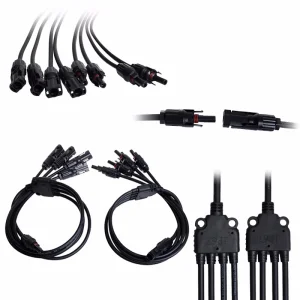
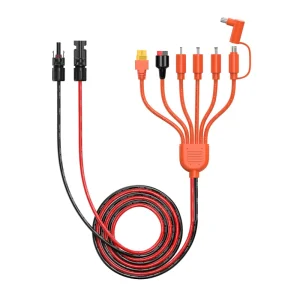
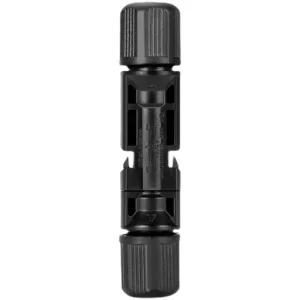
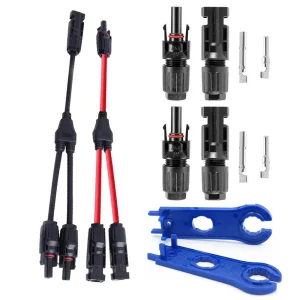
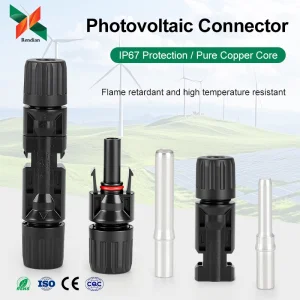
Explore our advanced range of certified solar connectors, installation accessories, and specialized adapter kits engineered for modern solar power systems.
 Phlox Energy