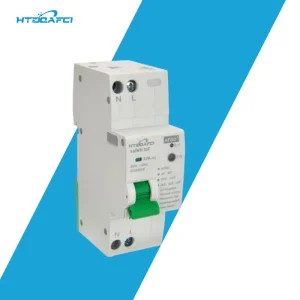
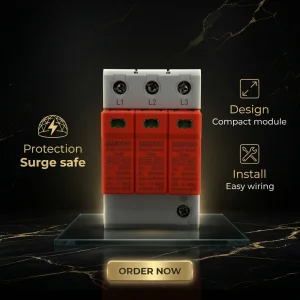
Engineered to meet the stringent electrical demands of Seoul's commercial projects and high-density apartments.
The Seoul Metropolitan Area, home to over 25 million residents, is one of the world's most densely populated urban landscapes. As a global technology hub, Seoul's grid operates with extreme energy density. Massive apartment complexes (apateu) and soaring commercial skyscrapers in Gangnam, Yeouido, and Mapo demand uncompromising electrical safety protocols. The integration of Arc Fault Circuit Interrupters (AFCI) and Ground Fault Circuit Interrupters (GFCI) is no longer just an optional engineering practice; it is a critical strategy to mitigate fire and shock risks in these high-occupancy structures.
In accordance with the Korea Electrical Safety Code (KESC) and standard updates from the Korea Electrical Safety Corporation (KESCO), electrical fire mitigation has become a primary target. Electrical fires account for nearly 20% of all fire incidents in Seoul annually. Traditional overcurrent protection devices (like standard Miniature Circuit Breakers - MCBs) are unable to detect low-level electrical arcing, which is the root cause of electrical fires. This regulatory shift has created a significant demand for advanced AFCI/GFCI breakers, driving EPC contractors, construction firms, and commercial developers to seek high-quality international manufacturers.
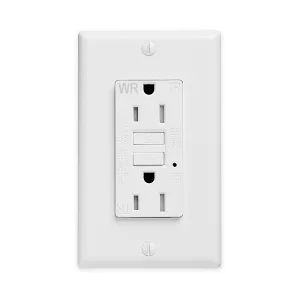
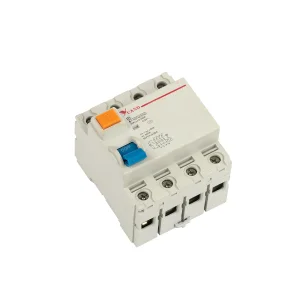
Seoul's local electrical regulatory framework is aligning rapidly with international IEC and UL standards. Under the latest revisions of the KESC, residential complexes must incorporate technologies capable of detecting serial and parallel arc faults. Ground fault protection at 30mA (standard equipment protection) and 6mA (personal safety protection) is mandated for wet spaces such as kitchens, bathrooms, and EV charging zones. As Seoul aggressively expands its electric vehicle (EV) charging network in underground garages, the demand for Type B RCBOs and integrated AFCI/AFDD solutions has surged to prevent hazardous thermal runaways originating from infrastructure faults.
Built-in microcontrollers analyze waveforms in real-time, executing Fourier transforms to isolate harmless switching arcs from lethal parallel/series faults.
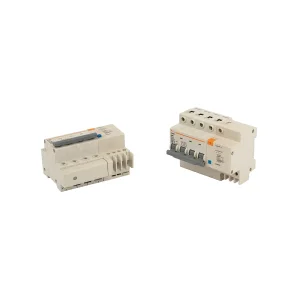
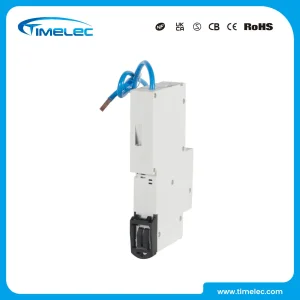
Combines shock protection (GFCI) and fire mitigation (AFCI) in a single-space DIN-rail or plug-in module, optimizing panel space.
Specifically reinforced mechanical latching systems to ensure uninterrupted service during regional geological tremors and high vibration zones.
The global transition to smart energy networks and decentralized power grids requires a redesign of protective switchgear. In traditional electrical distribution, protection was passive. Today, modern architectures demand intelligent, communicative protection devices. The global AFCI and GFCI market is expanding because of grid digitalization, the growth of smart cities, and the integration of IoT-enabled building management systems (BMS).
Manufacturers are now building devices featuring IoT compatibility, enabling predictive maintenance alerts, real-time current leakage tracking, and remote diagnostic capabilities. For Seoul's leading tech-centric developers (such as Samsung C&T, Hyundai E&C, and GS E&C), incorporating smart circuit breakers into luxury residential high-rises aligns with the city's smart city vision. This integration ensures that property managers receive early warnings regarding insulation degradation before catastrophic failures occur.
For Seoul-based procurement managers, EPC contractors, and electrical distributors, sourcing protective equipment requires a careful balance of cost efficiency, strict quality control, and reliable lead times. Sourcing directly from advanced manufacturing hubs in Wenzhou, China, offers a distinct competitive advantage. By pairing vertically integrated supply chains with highly automated production, Chinese manufacturers deliver premium safety components at lower costs than regional domestic suppliers.
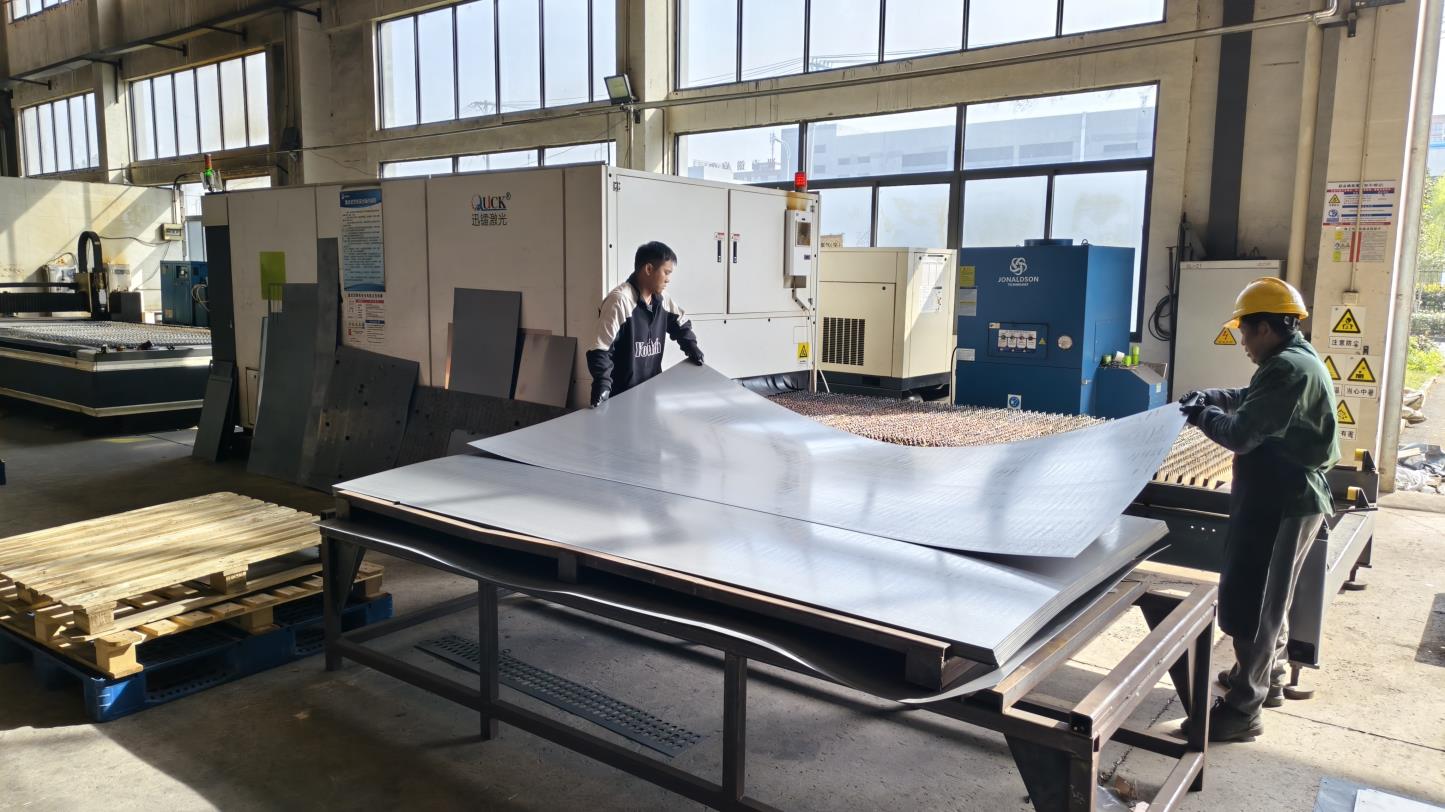
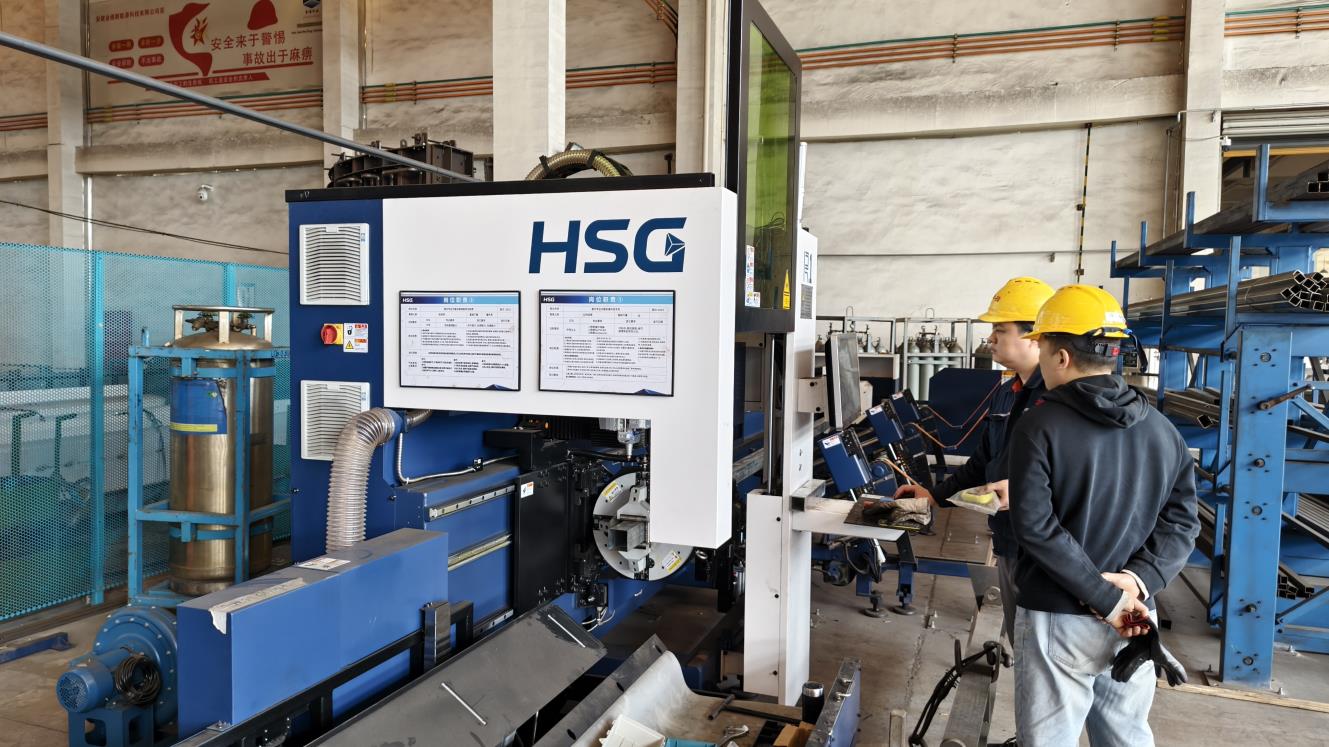
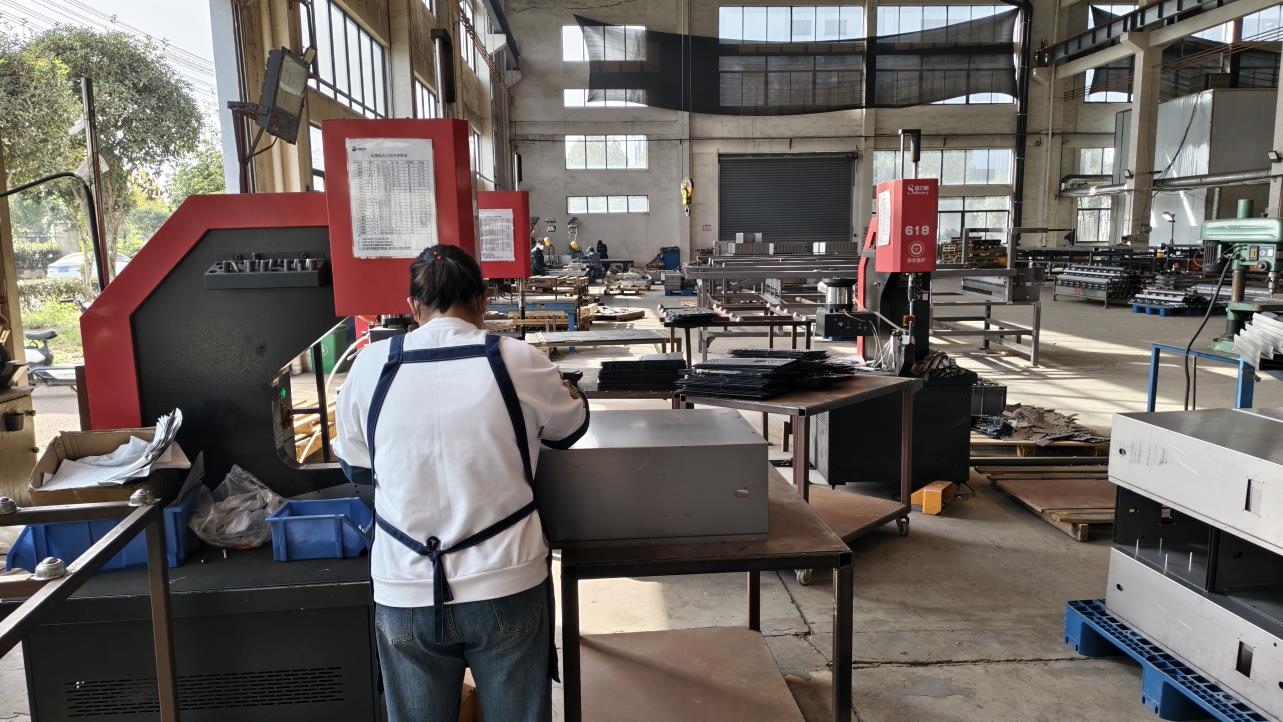
Our facility leverages highly automated manufacturing technology to minimize production variation. Our production floor features robotic component assembly, laser welding, and computerized testing setups. This level of automation ensures that every AFCI and GFCI breaker produced maintains exact tripping thresholds, contact resistance, and arc detection accuracy. For the Seoul market, this translates directly to fewer warranty claims, simplified project site inspections, and absolute compliance with safety requirements.
Wenzhou's geographical proximity to major shipping terminals allows for rapid logistics to South Korean ports like Incheon and Busan. We offer streamlined customs clearance and flexible shipping schedules, matching the strict timelines of Seoul's fast-moving construction projects. In addition, our experienced R&D team provides full OEM and ODM services. We can customize tripping curves, enclosure styles, label designs, and terminal configurations to align with the specific panel standards used throughout South Korea.
A global leader in advanced solar protection and low-voltage electrical connection systems.
Wenzhou Phlox Energy Co., Ltd. is a professional manufacturer and supplier specializing in solar photovoltaic protection and electrical connection solutions. With more than 10 years of industry experience, we are dedicated to the research, development, production, and innovation of high-quality solar accessories and low-voltage electrical products for global renewable energy markets.
Our manufacturing facility covers an area of over 11,500 square meters and is equipped with 7 advanced production lines, more than 100 automated production machines, and a skilled workforce of over 150 employees. With strong production capacity and efficient management systems, our annual output value exceeds USD 20 million.
Quality is at the core of everything we do. Our products are manufactured in strict accordance with international standards and have obtained certifications including CE, TUV, IEC, CB, and ISO 9001. Every product undergoes comprehensive quality inspections and rigorous testing procedures to ensure safety, reliability, and long-term performance in demanding environments.
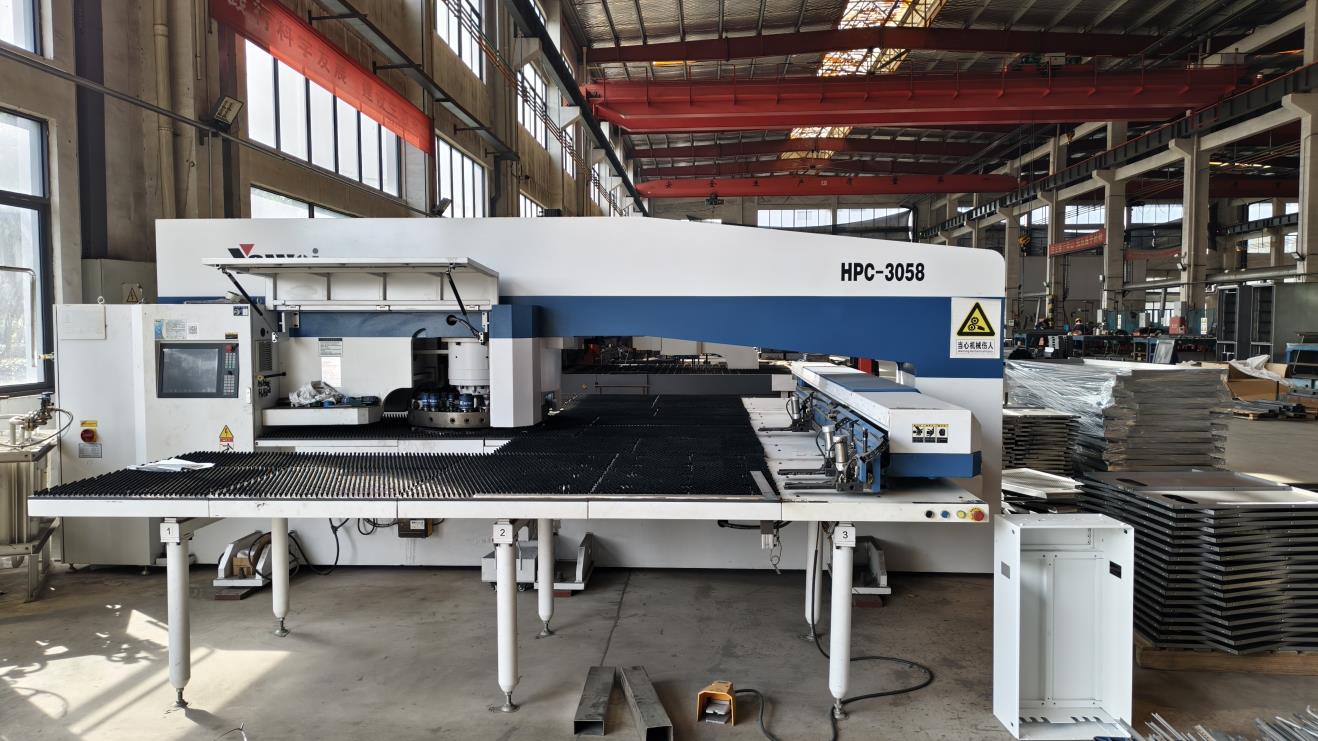
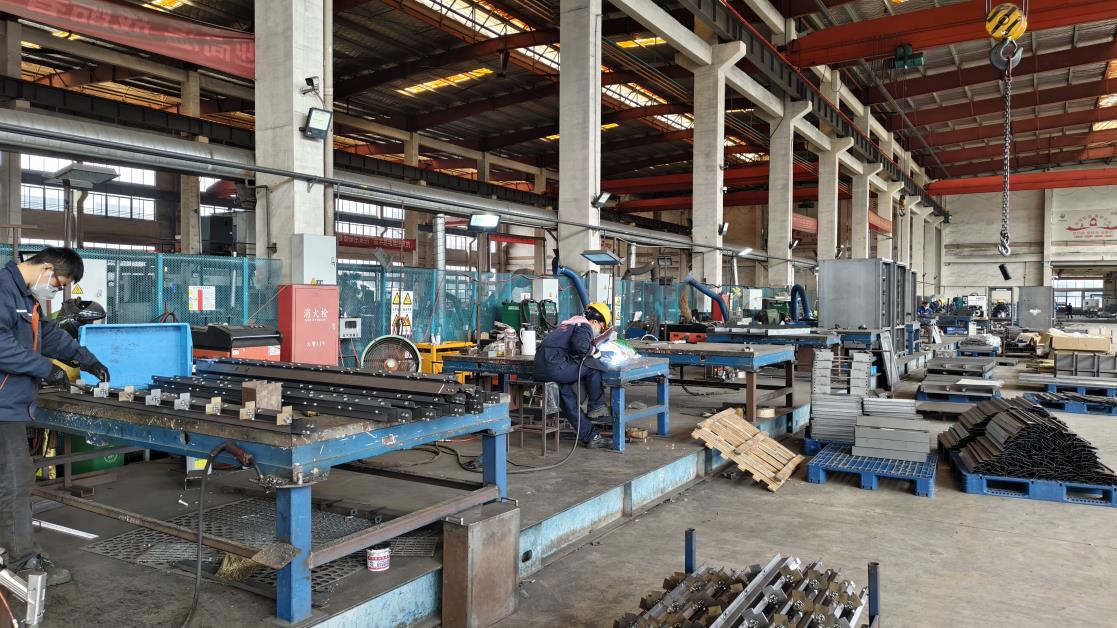
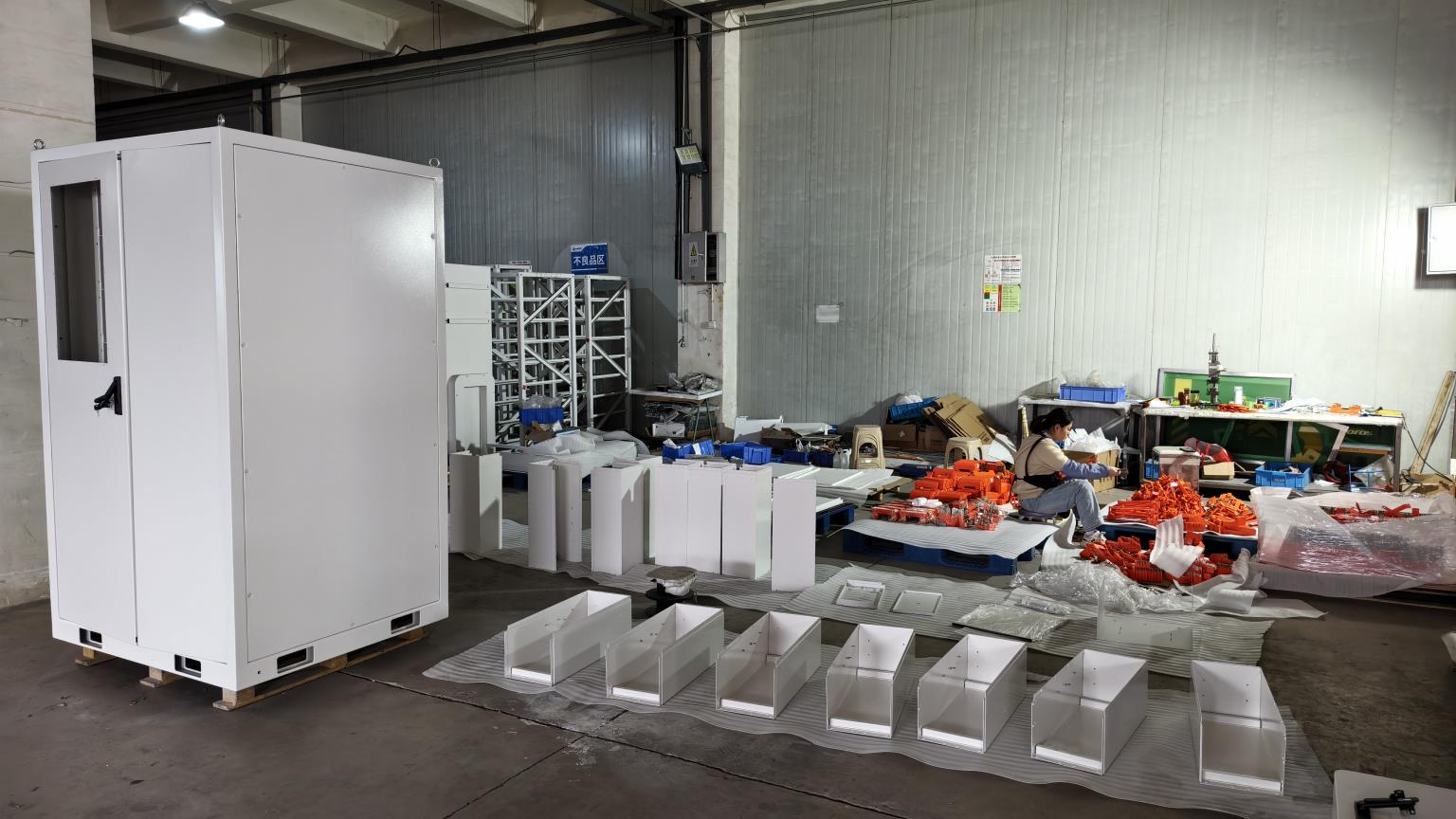
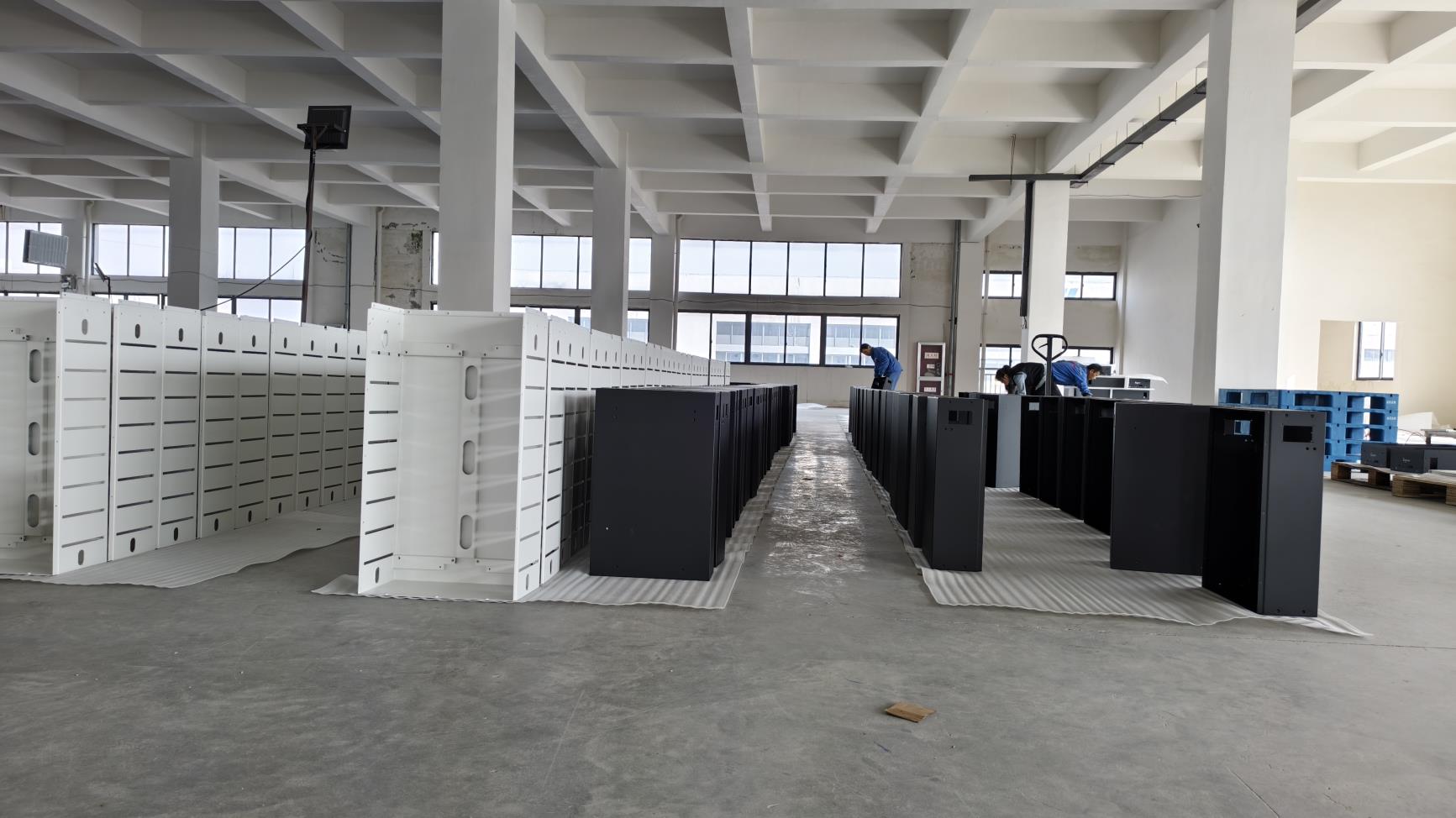
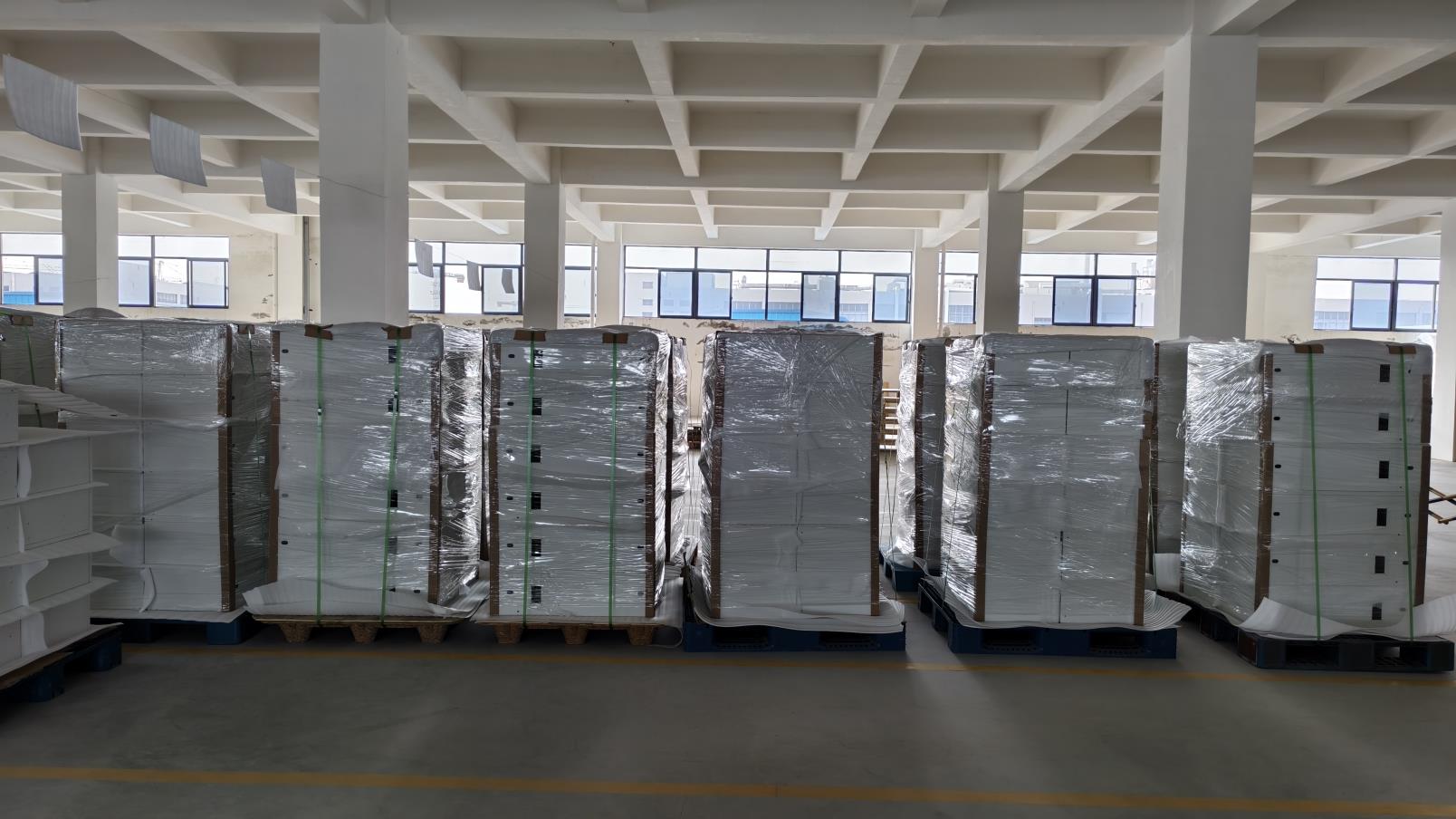
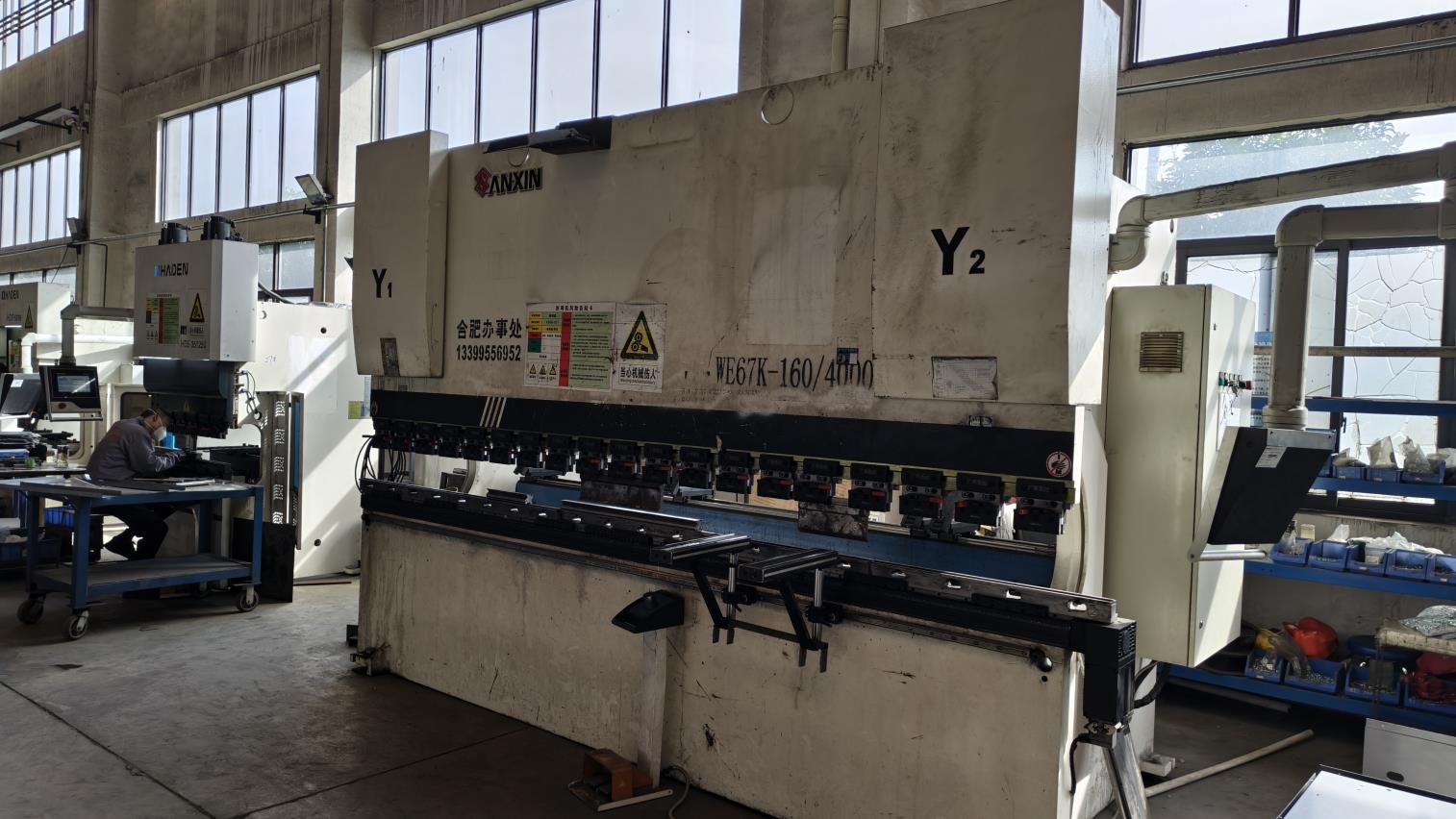
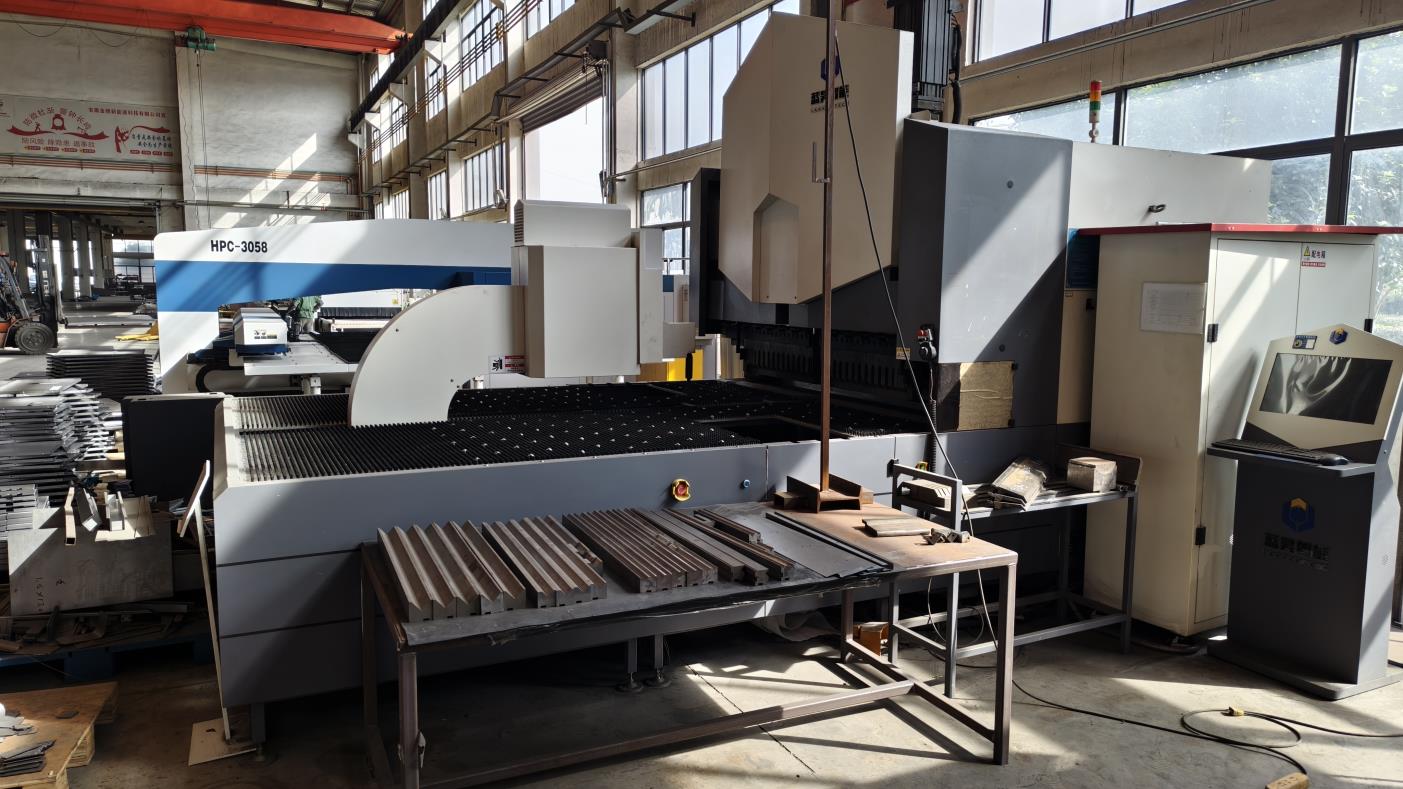
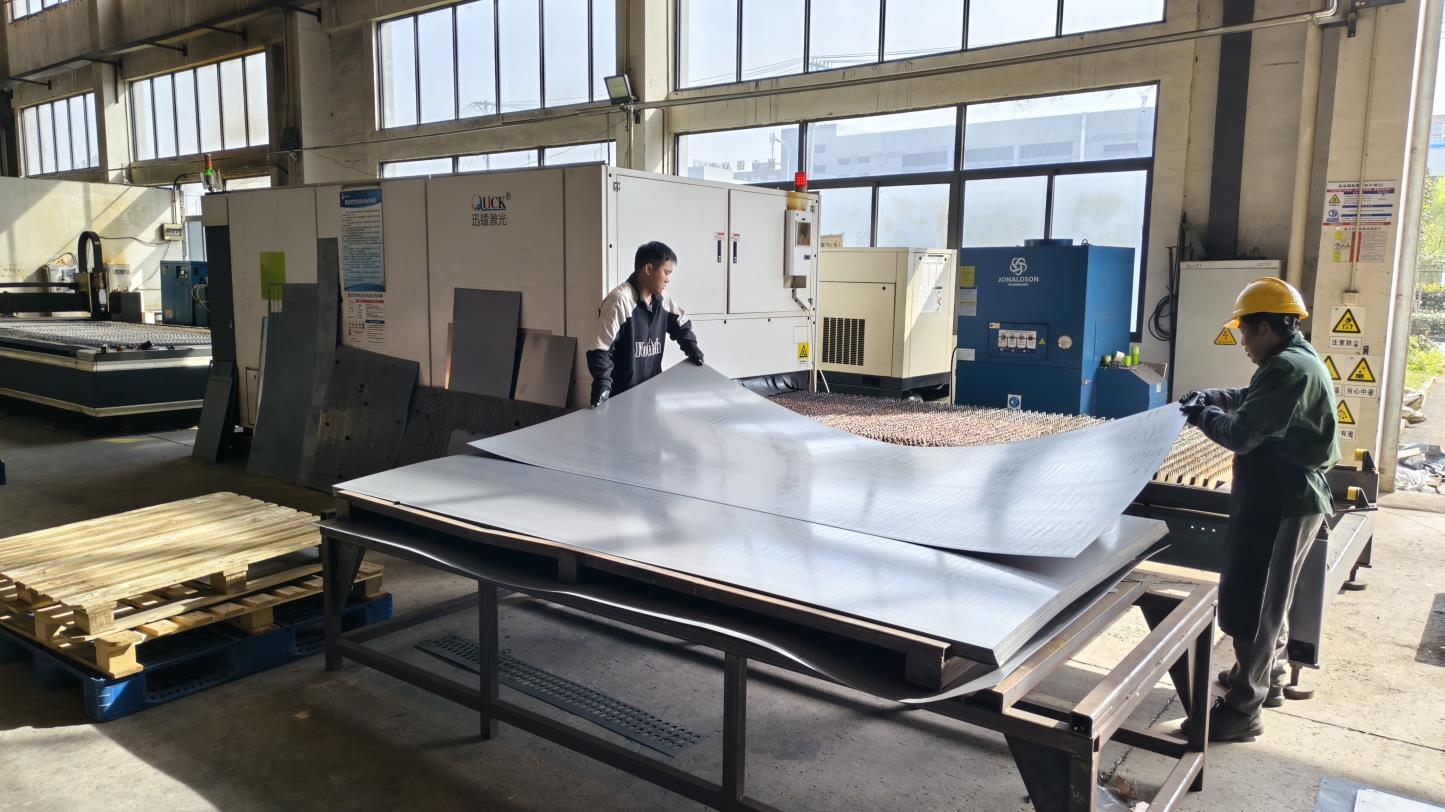
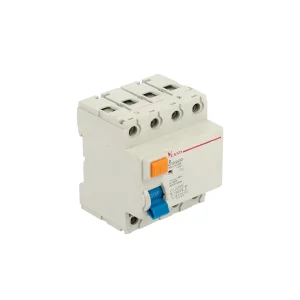
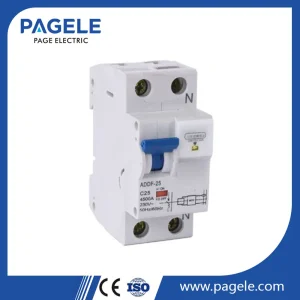
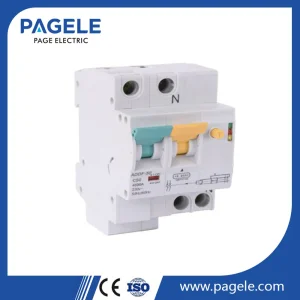
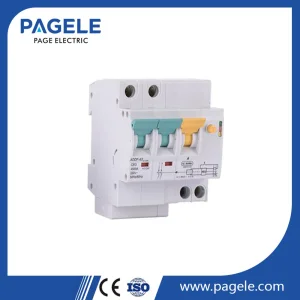
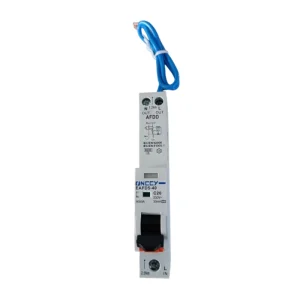
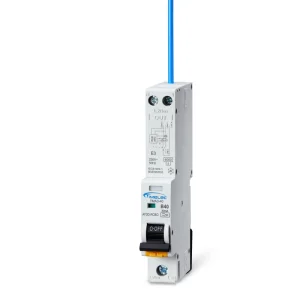
Full range of AFCI, GFCI, RCBO, and Surge Protection Devices built to ensure compliance and longevity.
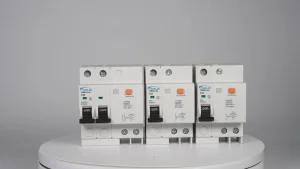
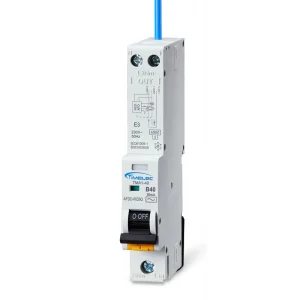
To successfully integrate electrical safety equipment in South Korea, it is critical to tailor solutions to specific local environments. The following scenarios demonstrate how Phlox Energy's product line meets the requirements of Seoul's modern infrastructure:
Due to space constraints, Seoul’s EV charging infrastructure is primarily located in underground parking garages. An electrical fire in an underground space poses severe ventilation and rescue challenges. Standard protective devices are not equipped to detect the complex arc patterns generated by high-power EV charging circuits. By installing our IEC/EN 62606 Standard AFDD/RCBO units, parking facilities receive dual arc-fault detection and leakage protection, isolating faulty charging terminals without compromising the building's main distribution line.
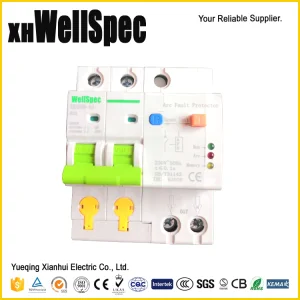
Residential buildings in Seoul operate with high electrical loads due to widespread HVAC, air purification, and smart home appliances. Overloaded outlets, pinched extension cords, and aging wiring behind drywall can easily lead to high-resistance arc faults. Installing our Yd 20A AFCI/GFCI Dual Function Circuit Breakers in residential consumer units provides complete defense against fire hazards and electrical shocks, protecting occupants in high-occupancy structures.
In Yeouido and Gangnam's financial complexes, power continuity and data safety are critical. Spurious tripping can cause costly server downtime and operational disruption. Our smart IoT-AFDD/AFCI Arc Fault Circuit Breakers are engineered with advanced detection algorithms to minimize nuisance tripping from electronic device switching. Simultaneously, they maintain the sensitivity needed to detect genuine arc faults, protecting vital infrastructure without compromising uptime.
The electrical safety industry is transitioning from passive thermal-magnetic tripping mechanisms to digital, microprocessor-driven protection. Key technological trends driving this shift include:
Key technical queries resolved by our engineering and compliance teams.
An AFCI (Arc Fault Circuit Interrupter) is designed to detect unintended electrical arcing—a major cause of electrical fires. A GFCI (Ground Fault Circuit Interrupter) detects ground leakage currents, primarily protecting users from severe electrical shocks. Dual-function breakers combine both technologies to protect against both electrical fires and shocks.
Yes, all our electrical safety components are manufactured in strict compliance with IEC/EN and ISO 9001 standards. We work closely with Korean importers and EPC contractors to ensure our custom products meet the technical requirements of local KC standards and the Korea Electrical Safety Code (KESC).
Our AFCI units feature integrated digital signal processors that run advanced wave analysis algorithms. These algorithms differentiate between standard operating arcs (like those from brush motors or switch transitions) and dangerous arcing, minimizing nuisance tripping in modern smart home setups.
We provide full customization options for our products, including custom tripping curves (B, C, D), rated current selections (6A up to 63A), customized labeling, distribution box mounting styles (standard DIN-rail), and personalized packaging design to help build your brand.
Due to Wenzhou's geographical proximity to primary shipping ports, standard maritime shipping to Incheon or Busan takes between 3 to 7 days after order completion. Factory production lead times range between 15 to 30 days depending on order size and customization requirements.
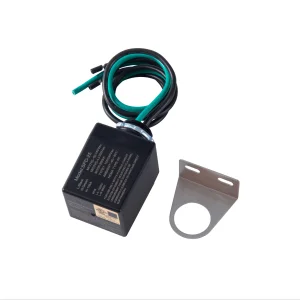
Supporting components to build comprehensive protection systems for industrial and residential applications.
Request a custom quote, technical specifications sheet, or product samples.
 Phlox Energy