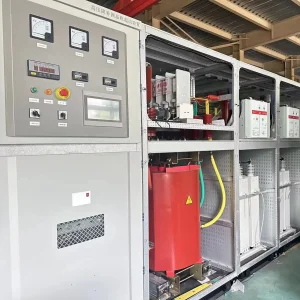
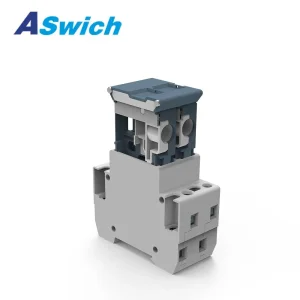
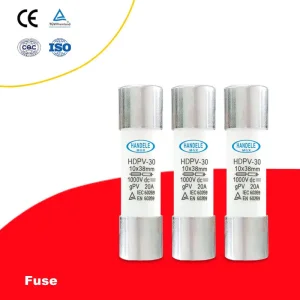
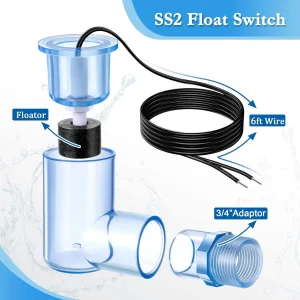
Explore our certified electrical infrastructure devices optimized for high thermal resilience, system safety, and strict electrical code compliance.
Arc Fault Circuit Interrupters (AFCIs) represent a massive technological leap forward in low-voltage electrical safety. Unlike traditional overcurrent protective devices—such as thermal-magnetic miniature circuit breakers (MCBs) which only trip under sustained overloads or dead short-circuits—the AFCI is specifically engineered to mitigate the threat of low-energy, high-frequency, sparking conditions known as arc faults.
An arc fault occurs when electrical current arcs through damaged insulation, loose connections, or broken conductors. These arcs generate localized thermal spikes exceeding 5,000°C, capable of igniting surrounding building materials within seconds. Standard thermal breakers are blind to these events because the current flowing through a serial arc is limited by the system's load impedance, keeping it far below the breaker's thermal or magnetic tripping thresholds.
Modern high-breaking capacity AFCI breakers incorporate dedicated microcontrollers and digital signal processors (DSPs) to continuously analyze the AC waveform. By deploying Fast Fourier Transform (FFT) algorithms, the device scans the current and voltage waves for characteristic signatures of hazardous arcing—such as high-frequency current noise, rapid amplitude fluctuations, and zero-crossing deviations.
This active wave analysis ensures that normal arcing behaviors—such as the motor brush sparking of a vacuum cleaner, a drill, or the safe turn-on surge of a power supply—are recognized and ignored. This prevents the industry's most common pain point: nuisance tripping.
| Protection Feature | Standard MCB | GFCI / RCD | AFCI Breaker |
|---|---|---|---|
| Primary Mechanism | Thermal-magnetic overload & short circuit | Current imbalance detection between Line & Neutral | DSP wave analysis & high-frequency arcing detection |
| Primary Protection Focus | Wire overload & equipment damage | Personnel protection against electrocution | Electrical fire prevention (arcing detection) |
| Serial Arc Fault Detection | No | No | Yes |
| Parallel Arc Fault Detection | Only if current exceeds magnetic threshold | Only if current leaks to ground | Yes (both Line-Neutral & Line-Ground arcs) |
The transition toward sustainable power generation, coupled with ever-stricter municipal building safety codes, has accelerated the procurement demand for AFCI breakers and smart isolators globally. In regions like North America (governed by the National Electrical Code - NEC Article 210.12), AFCI protection is mandatory for almost all residential branches. Across Europe, IEC 62606 (standards for Arc Fault Detection Devices - AFDD) is increasingly adopted in regional safety codes for high-risk buildings, hospitals, and heritage sites.
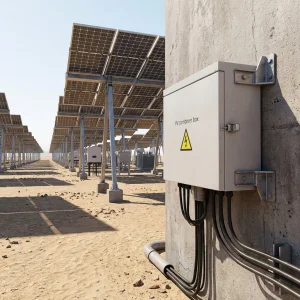
Solar installations are particularly susceptible to DC arc faults due to thermal cycling, degraded wire joints, and rodent damage on long DC cable runs. A DC arc in a solar array can easily lead to full combiner box ignition or structural roof fires. Consequently, global EPCs (Engineering, Procurement, and Construction contractors) mandate integrated arc-fault mitigation systems within PV combiner boxes, DC isolators, and utility-scale solar switchgear.
With EV charging infrastructures operating under high currents for extended periods, standard thermal protection falls short of detecting terminal degradation at the connector level. Integrating AFCI technologies within EV distribution systems ensures continuous monitoring, preventing devastating fires during rapid charge cycles.
Where population density is high and evacuation routes are complex, critical infrastructure demands reliable smart-breakers. Minimizing downtime while guaranteeing robust safety requires high-breaking capacity devices that communicate over industrial networks (such as Modbus or BACnet) for instant fault isolation and predictive diagnostics.
How Wenzhou Phlox Energy and leading R&D partners shape the future of electrical safety and system-level diagnostics.
Moving beyond hardcoded frequency parameters, next-generation AFCI modules utilize machine learning classifiers embedded within local microprocessors. These models learn unique local electrical noise parameters to dynamically isolate safe loads from true hazardous electrical discharge.
Future smart grids demand smart telemetry. By integrating WiFi or Ethernet-based Modbus links directly into the circuit breaker casing, facility managers can monitor arcing probabilities, receive immediate push notifications, and trigger remote diagnostic routines.
With massive adoption of residential solar, hybrid breakers that safely handle dual-arc patterns (both high-frequency AC and continuous-voltage DC) are becoming standard, reducing overall components count in main solar-distribution interfaces.
A Professional Manufacturer and Global Exporter Specializing in Solar Photovoltaic Protection and Advanced Electrical Connection Solutions.
Wenzhou Phlox Energy Co., Ltd. is a professional manufacturer and supplier specializing in solar photovoltaic protection and electrical connection solutions. With more than 10 years of industry experience, we are dedicated to the research, development, production, and innovation of high-quality solar accessories and low-voltage electrical products for global renewable energy markets.
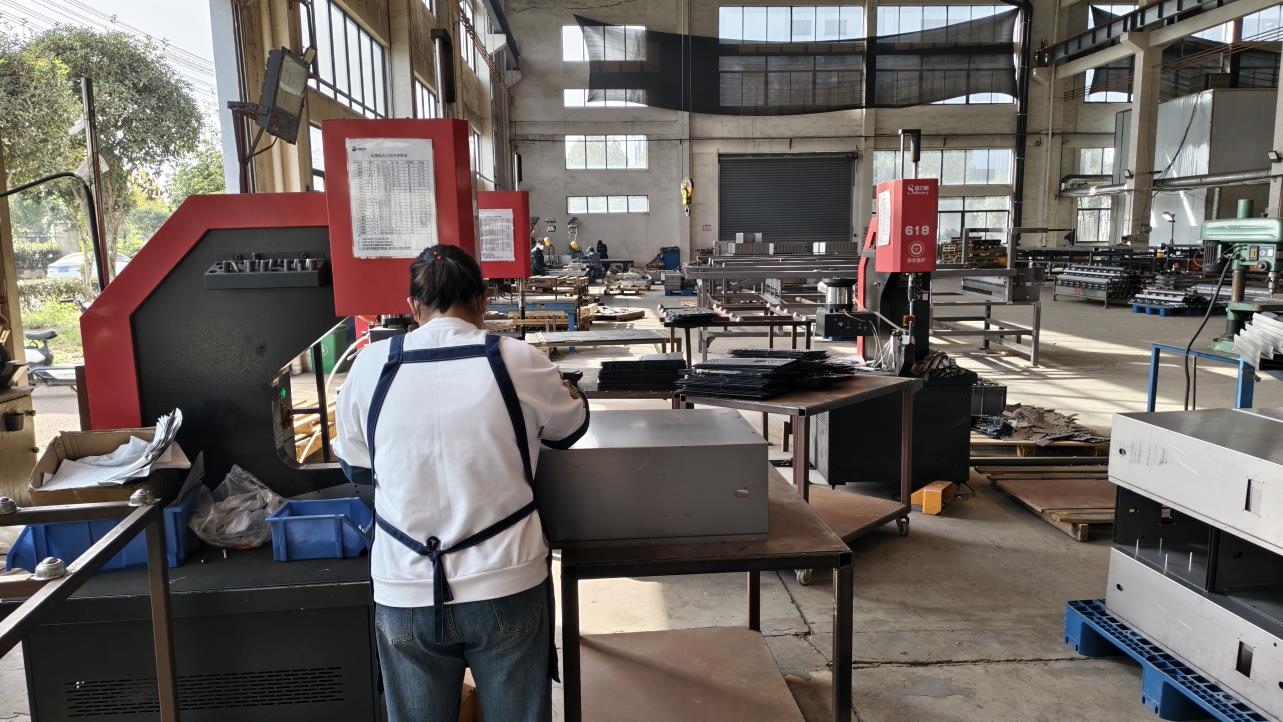
Our manufacturing facility covers an area of over 11,500 square meters and is equipped with 7 advanced production lines, more than 100 automated production machines, and a skilled workforce of over 150 employees. With strong production capacity and efficient management systems, our annual output value exceeds USD 20 million.
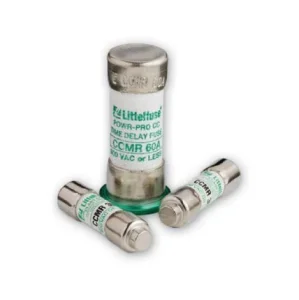
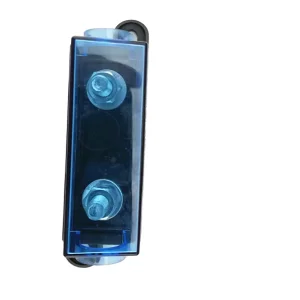
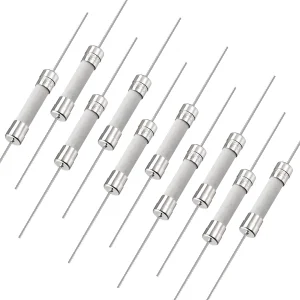
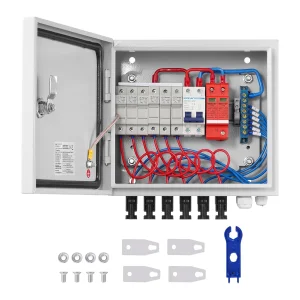
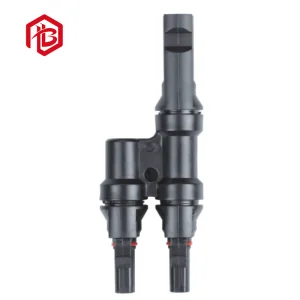
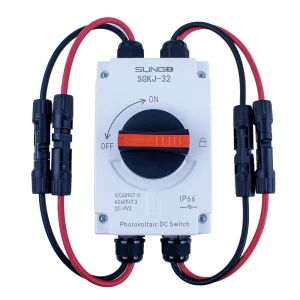
Phlox Energy specializes in the production of DC miniature circuit breakers (MCBs), surge protective devices (SPDs), photovoltaic fuses, solar connectors, DC isolator switches, distribution boxes, combiner boxes, and other solar power system components. Our products are widely used in residential, commercial, and industrial photovoltaic installations around the world.
Quality is at the core of everything we do. Our products are manufactured in strict accordance with international standards and have obtained certifications including CE, TUV, IEC, CB, and ISO 9001. Every product undergoes comprehensive quality inspections and rigorous testing procedures to ensure safety, reliability, and long-term performance in demanding environments.
Driven by continuous innovation, our experienced R&D team works closely with customers to develop customized solutions that meet evolving market requirements. We also provide OEM and ODM services, helping partners build competitive product portfolios and strengthen their market presence.
Having successfully participated in more than 3,900 solar energy projects worldwide, Phlox Energy has earned a strong reputation for premium product quality, competitive pricing, reliable delivery, and professional after-sales support. Our commitment to customer satisfaction and long-term cooperation has made us a trusted partner for distributors, installers, EPC contractors, and solar energy companies across the globe.
At Wenzhou Phlox Energy Co., Ltd., we are committed to supporting the global transition to clean and sustainable energy. We look forward to building long-term partnerships with customers worldwide and achieving mutual growth and success together.
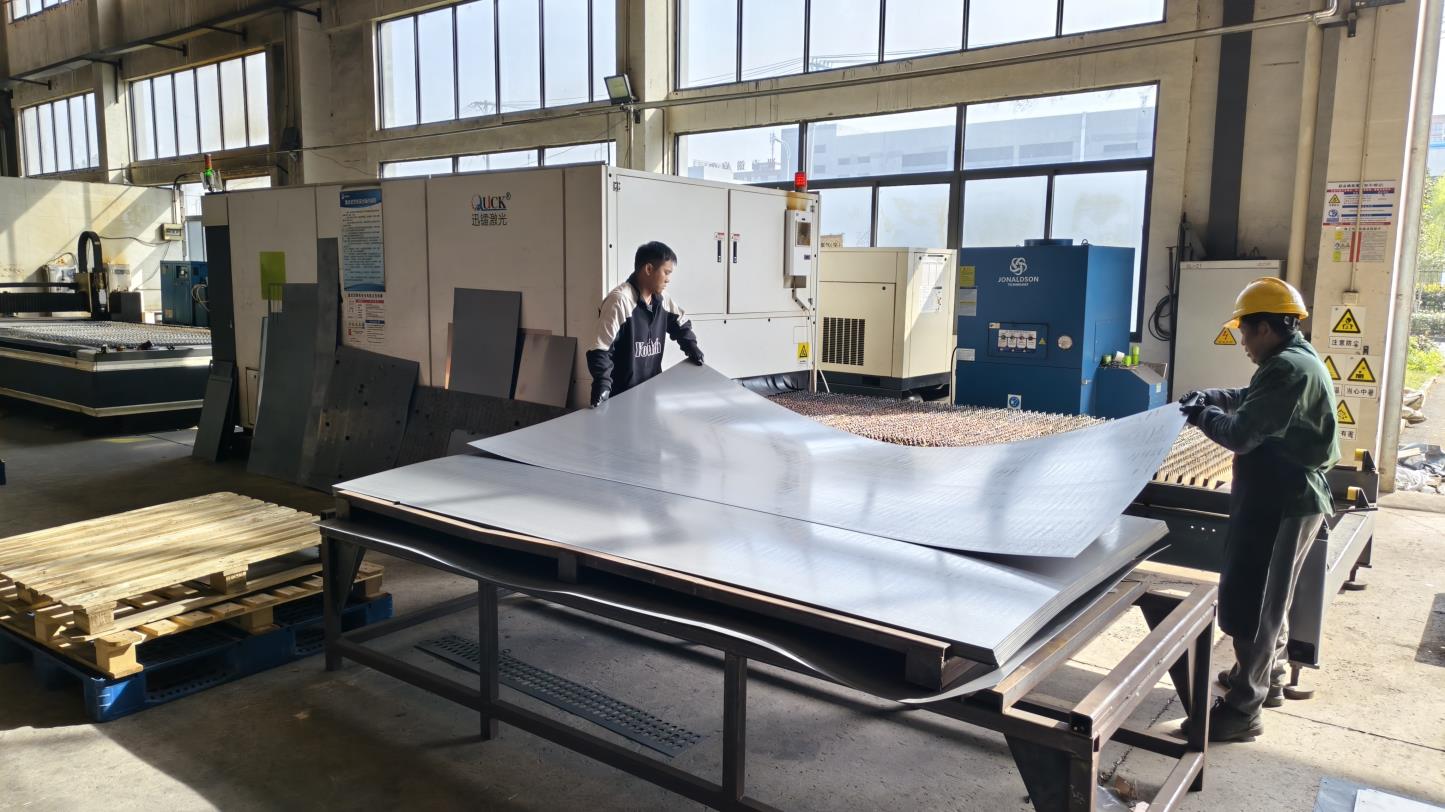

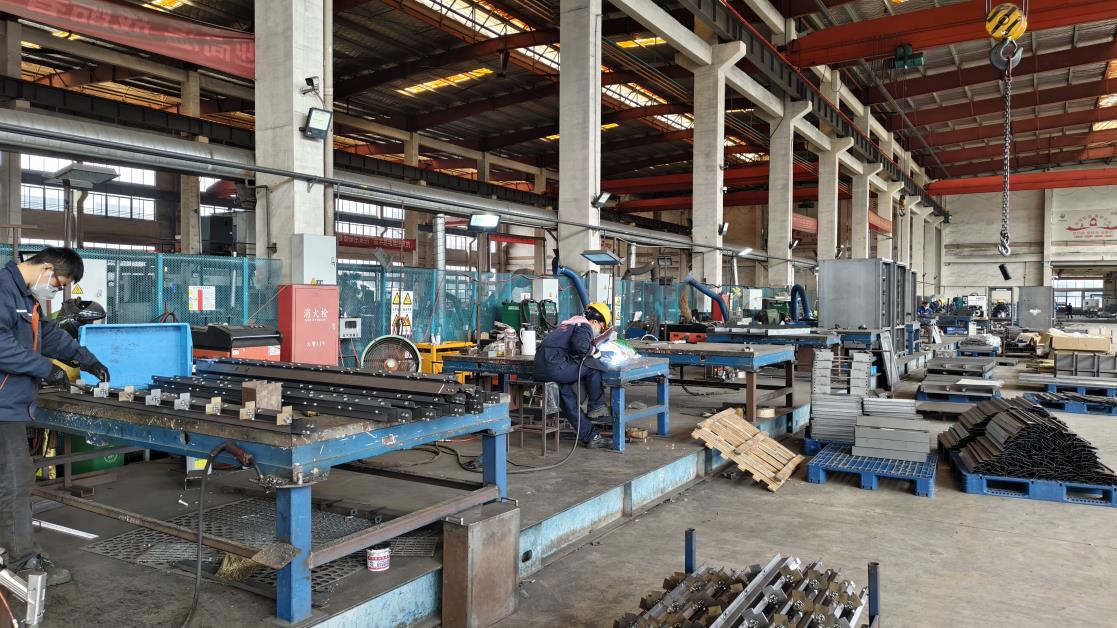
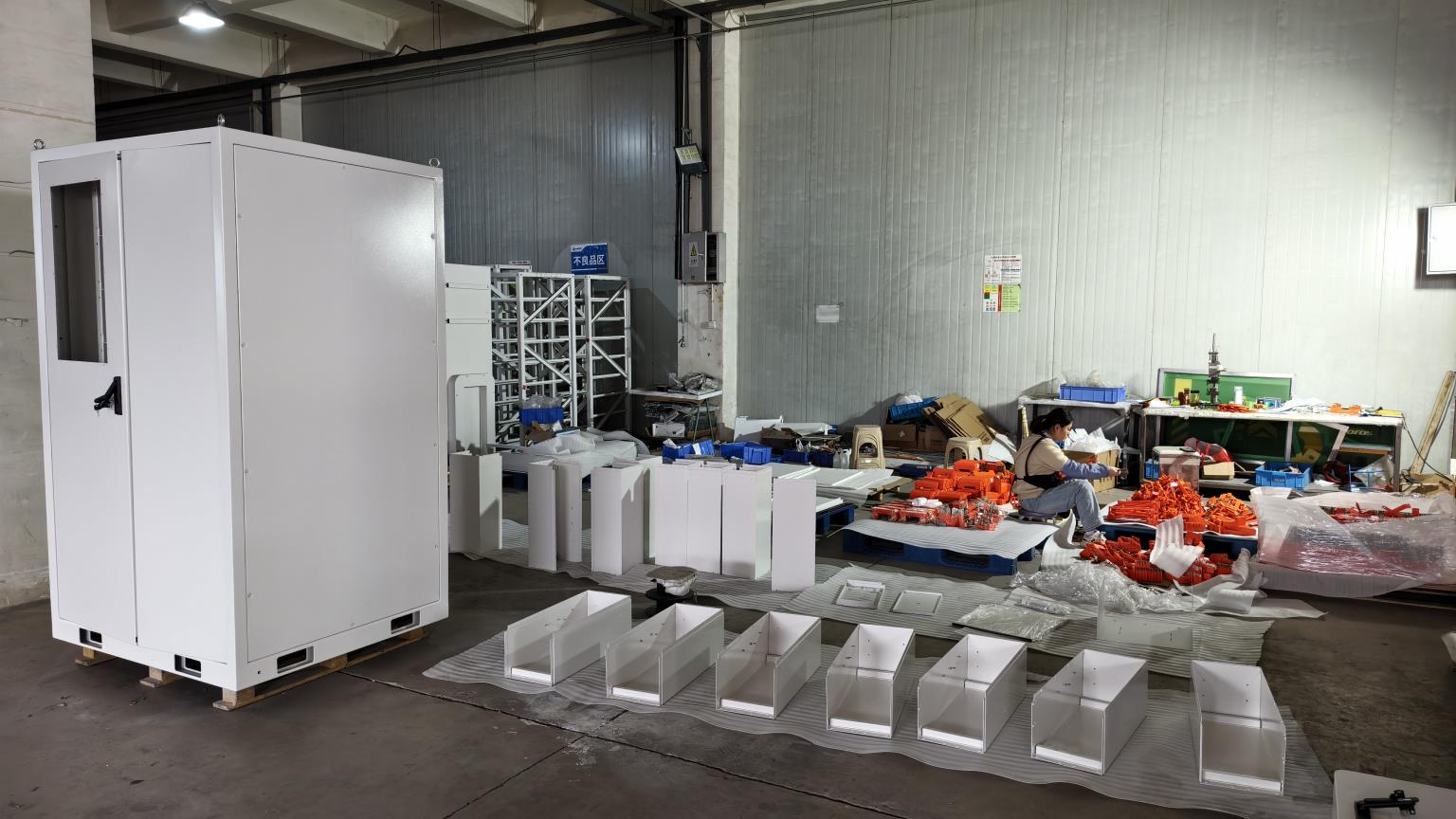

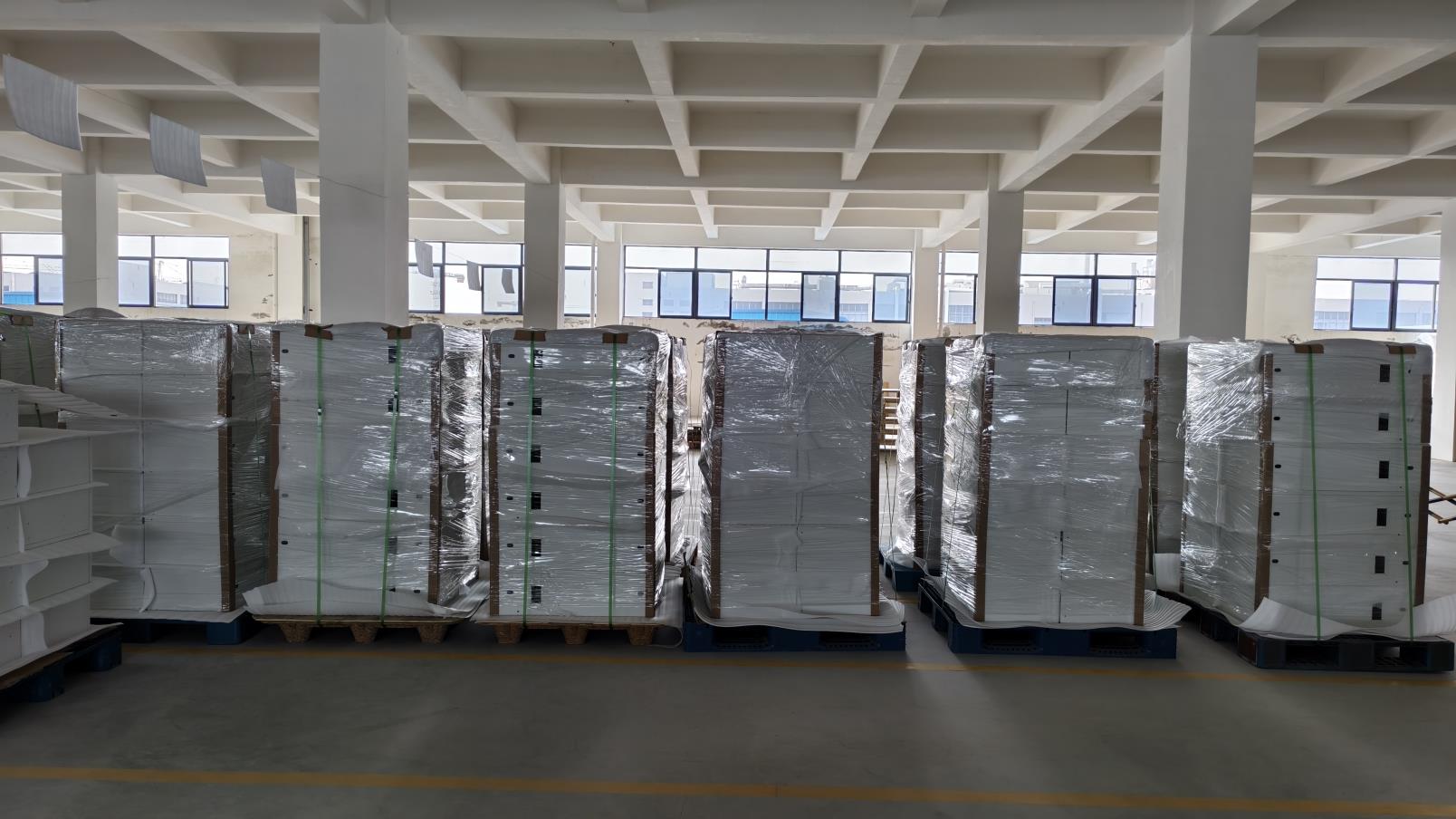
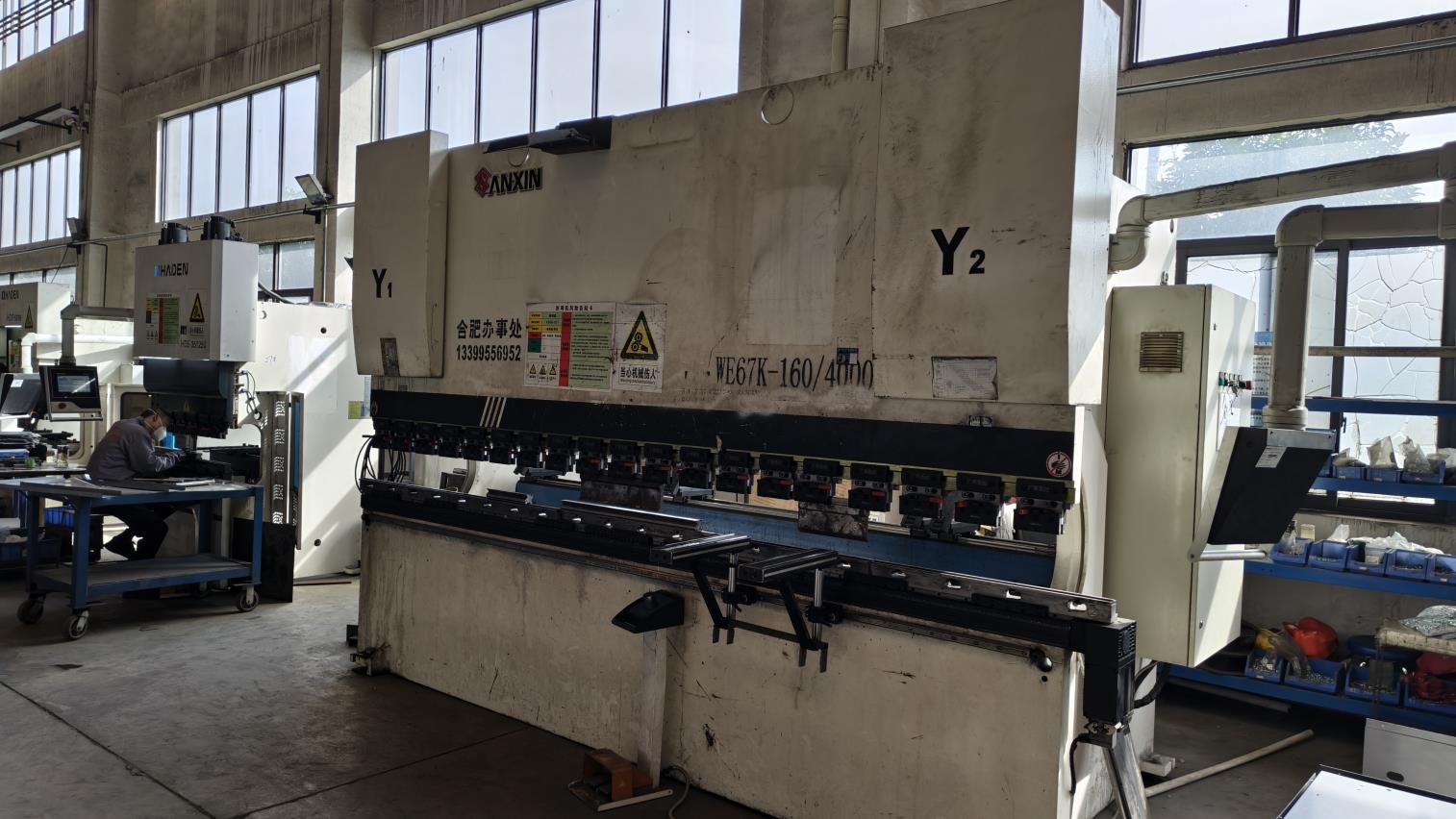
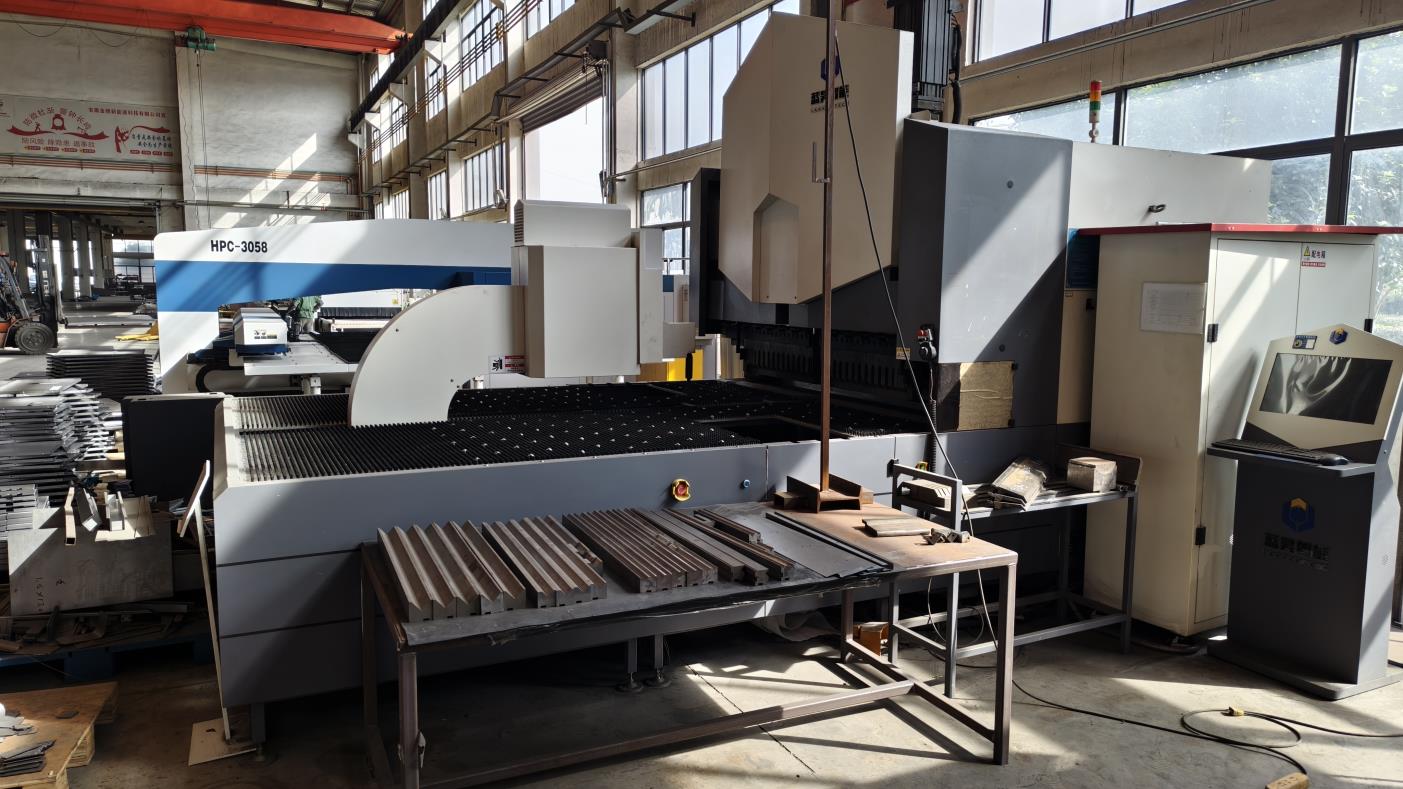
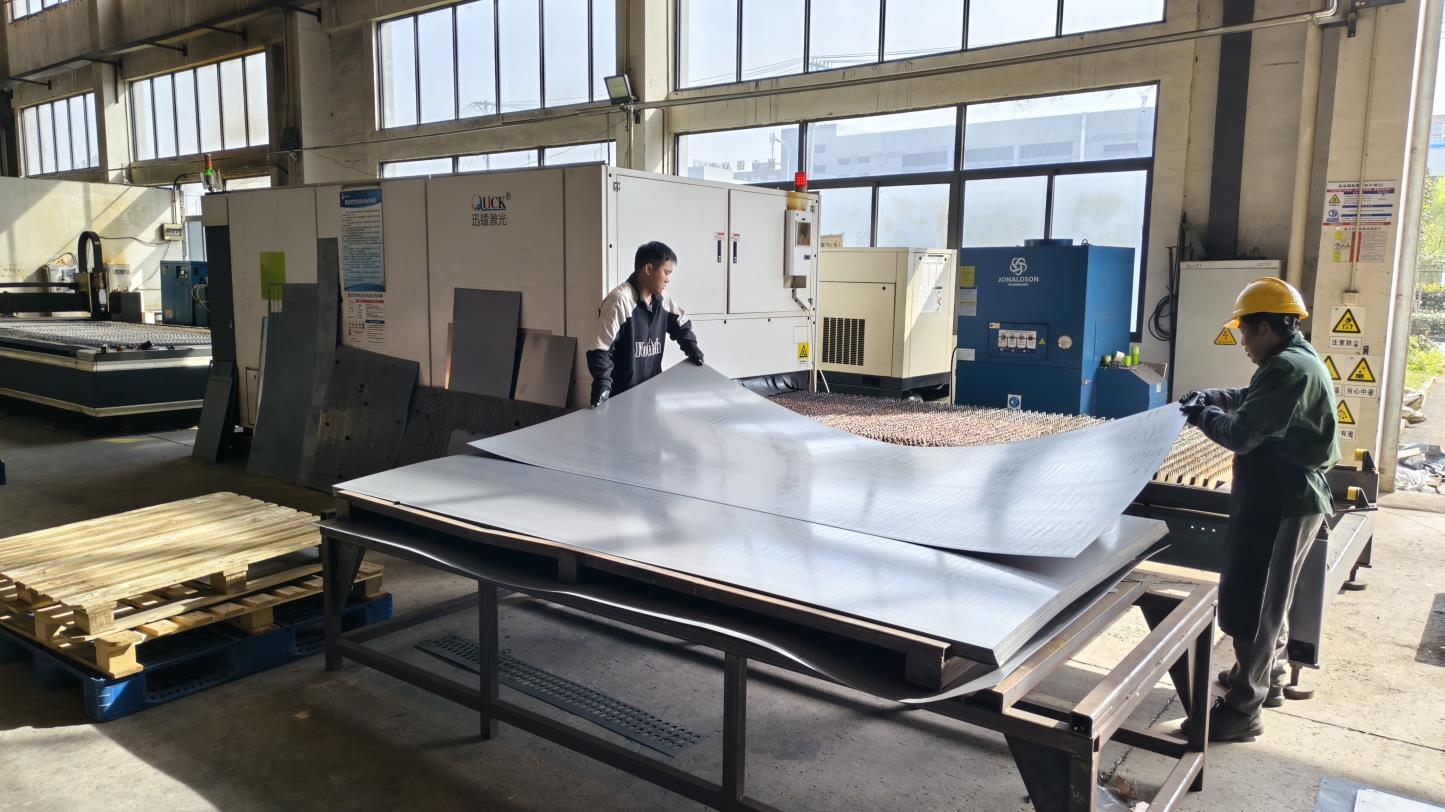
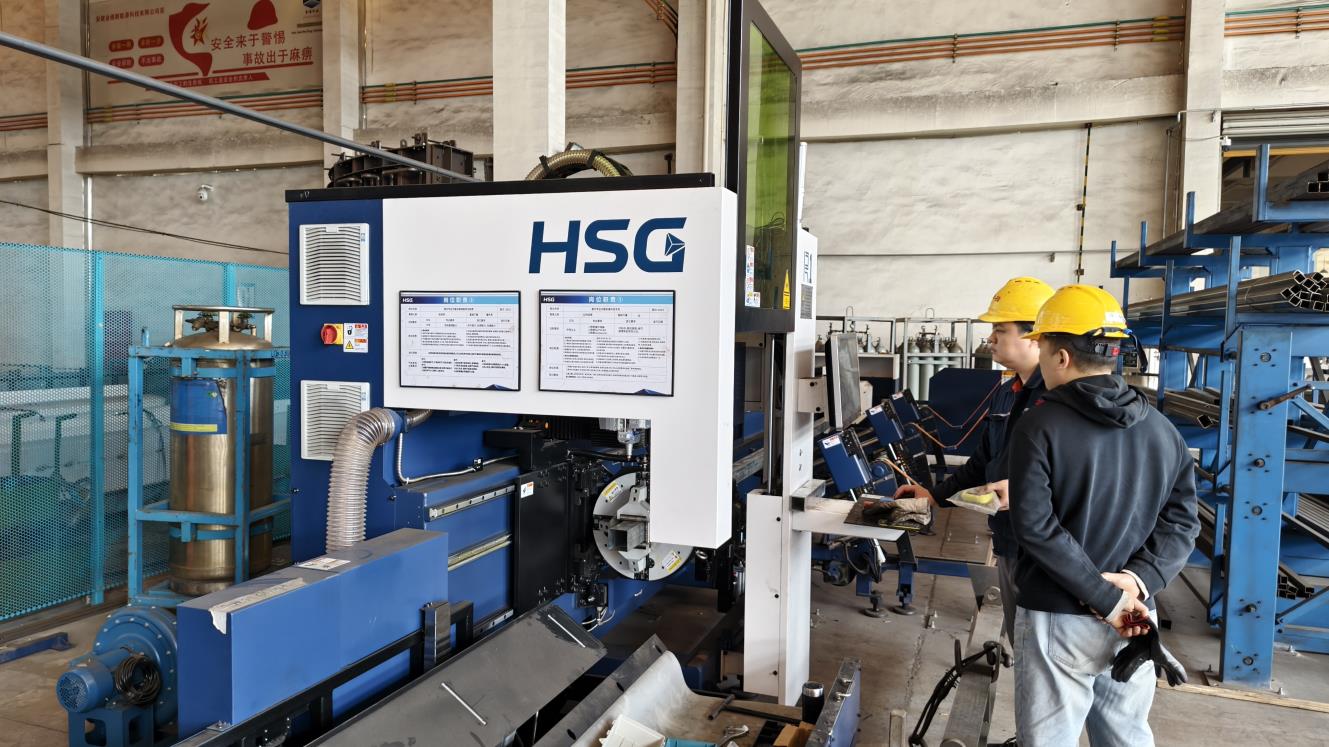
Sourcing circuit protection devices internationally introduces rigorous validation steps for engineering firms. Because regional regulatory authorities require absolute proof of device test histories, Phlox Energy maintains a seamless compliance workflow for every product exported.
All export-grade safety components, including our DC Miniature Circuit Breakers (MCBs), SPDs, and high-breaking capacity fuses, are certified in accordance with standard test criteria. These parameters include:
We work directly with foreign distributors, private-label brands, and utility engineers to configure custom ratings, specialized terminals (tunnel clamp vs ring terminals), and custom casing designs. With internal prototyping, laser markings, and 7 automated assembly lines, we turn custom product requirements into market-ready components rapidly.
Expert answers to critical engineering, safety, and procurement questions regarding Arc Fault Circuit Interrupter technologies.
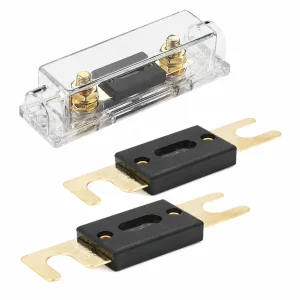
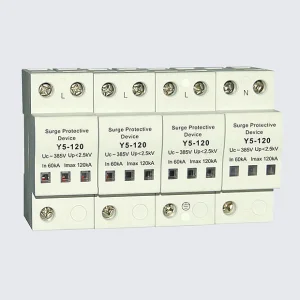
Browse our complete catalog of industrial fuses, automotive fuse holders, power surge arresters, and photovoltaic accessories.
 Phlox Energy