Frequently Asked Questions
Q1. What is the difference between AC and DC power for LED strips?
AC (Alternating Current) is the standard line voltage used in homes and commercial properties. DC (Direct Current) is low-voltage power. Most LED strips use low-voltage 12V or 24V DC, which requires a transformer to step-down the standard AC voltage to a safe operating level.
Q2. What is CRI, and how does it affect my lighting choice?
Color Rendering Index (CRI) measures how accurately a light source reveals the true colors of objects compared to natural sunlight (measured on a scale of 0-100). A CRI of 70+ is standard for general applications, while 90+ is recommended for spaces requiring high color accuracy.
Q3. How do 3528 LED chips differ from 5050 LED chips?
The numbers represent the physical size of the LED chips in millimeters. A 3528 chip measures 3.5mm x 2.8mm, whereas a 5050 chip measures 5.0mm x 5.0mm. Different sizes offer varying levels of brightness, power consumption, and suitability for specific applications.
Q4. What do the different IP ratings (IP20, IP65, IP67, IP68) mean?
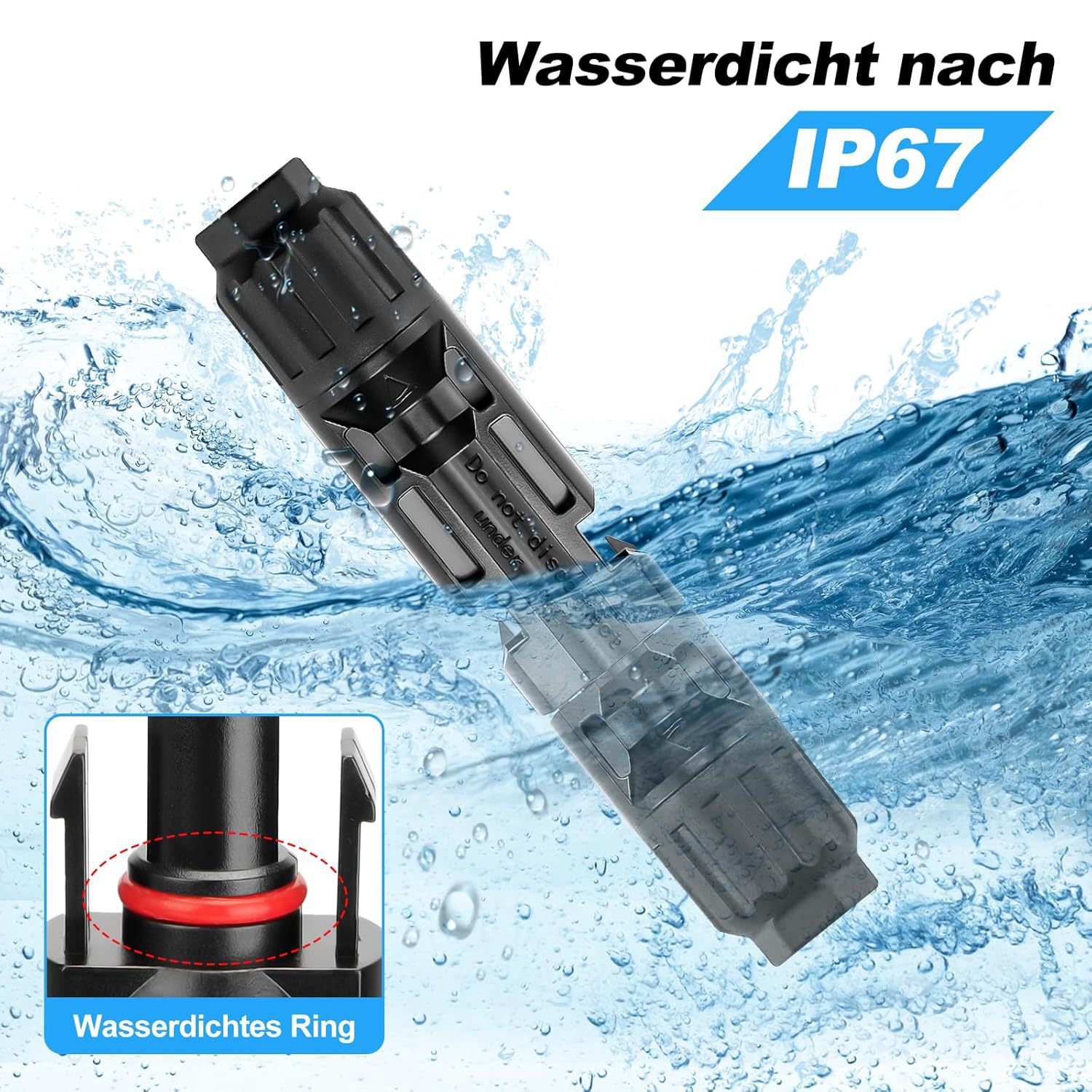
IP ratings define the dust and water resistance of the LED strips. IP20 is non-waterproof. IP65 is splash-proof but cannot be submerged. IP67 is fully waterproof for temporary exposure but not recommended for immersion. IP68 is fully waterproof and completely submersible.
Q5. What is the return policy for custom or bespoke orders?
Custom-cut items (such as LED Strip Lights or Neon Flex cut from 30-metre or 50-metre rolls) cannot be cancelled or returned once processed. Full, uncut 50-metre rolls may be returned for a full refund if they are unused, in their original condition, and in their original packaging.
Q6. Do you ship internationally and how are rates calculated?
Yes, shipping is available worldwide. If your country is not listed at checkout, please contact support to receive a custom shipping quote based on your specific order volume and destination.
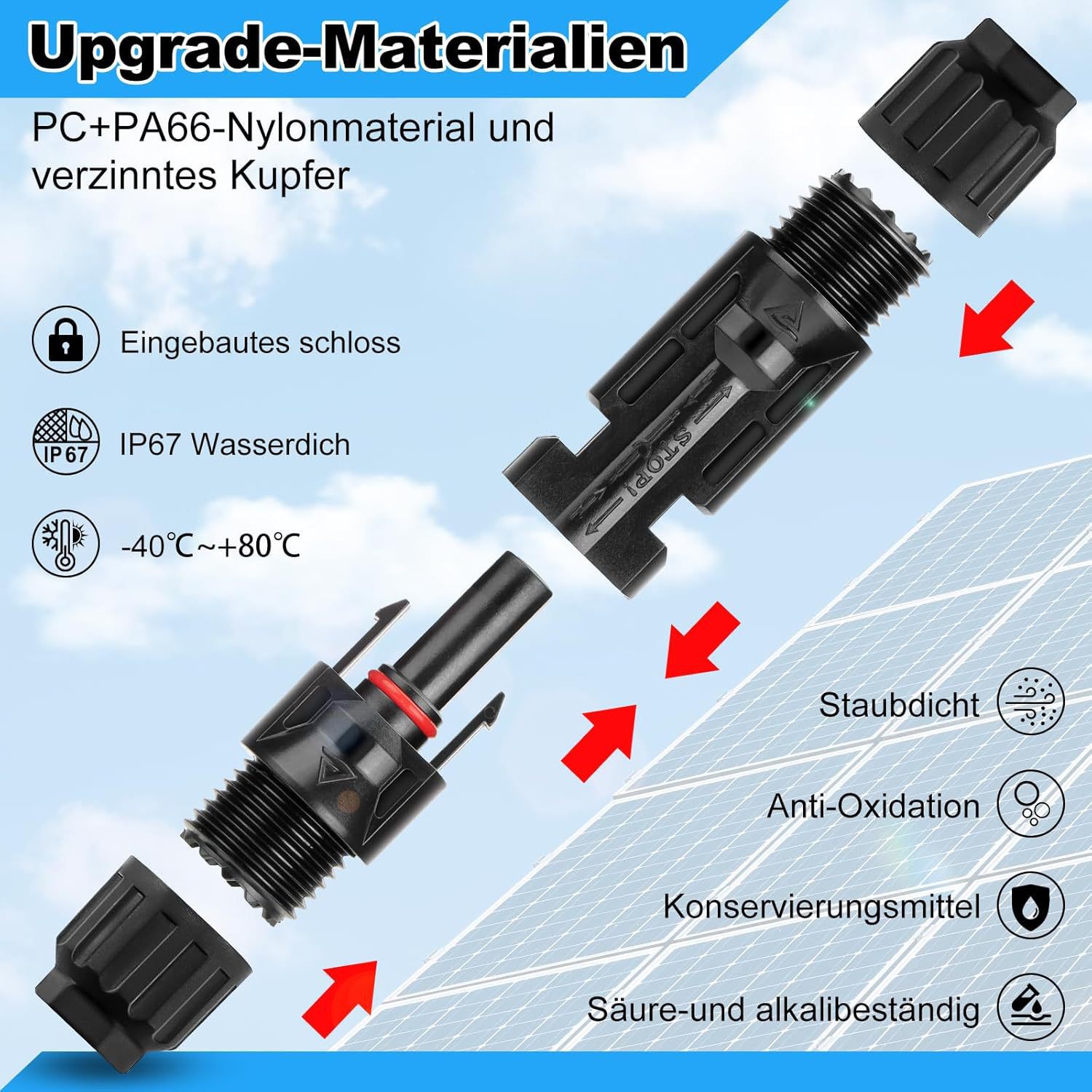
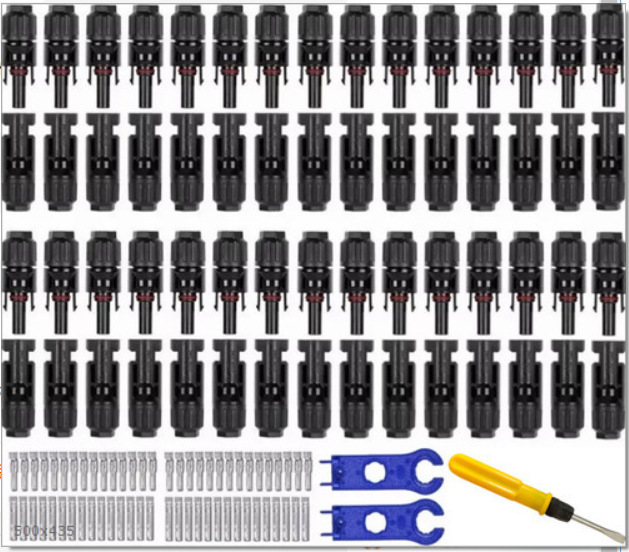
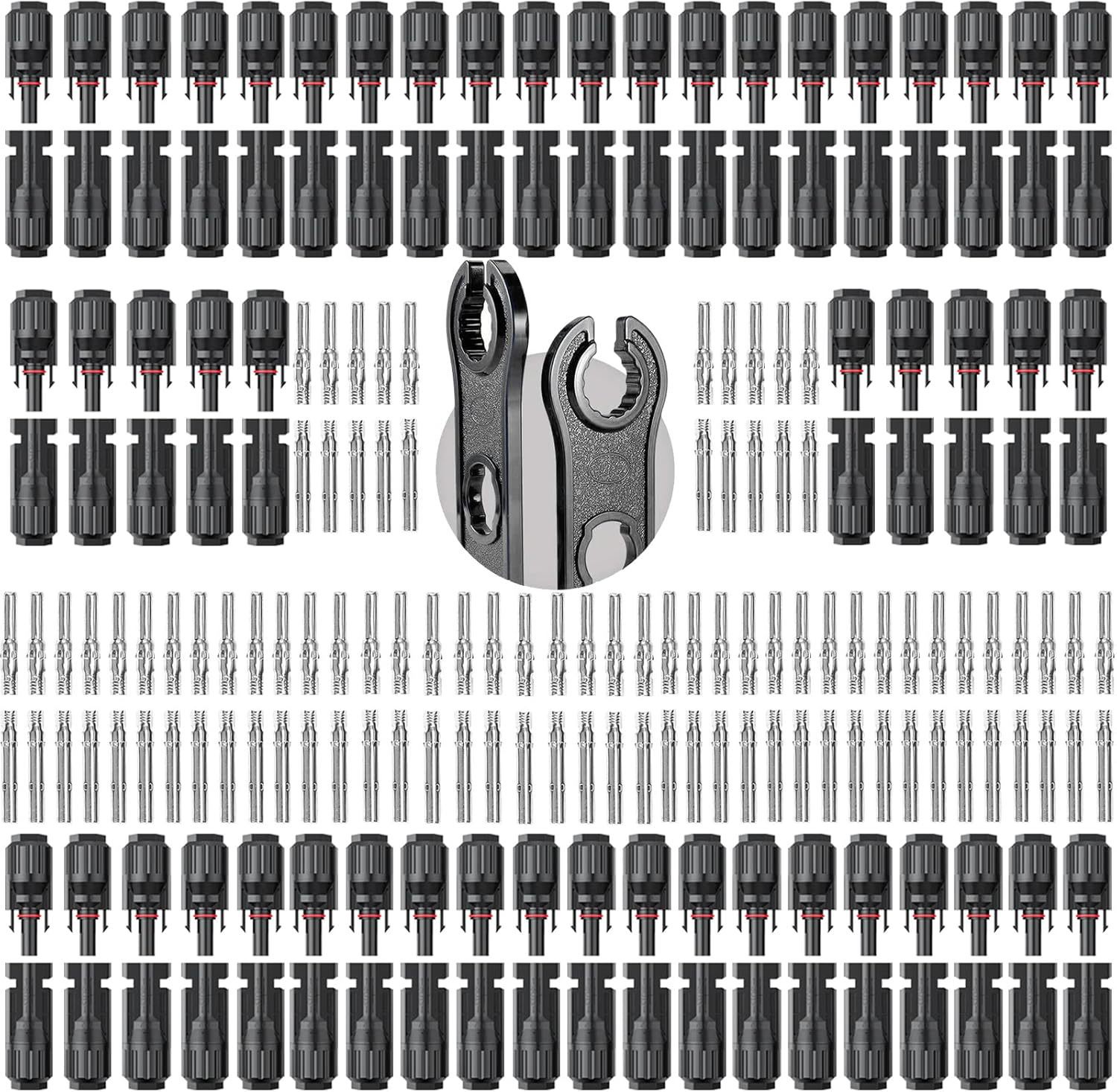
 Phlox Energy







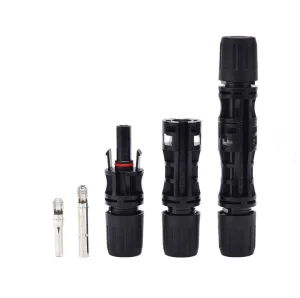
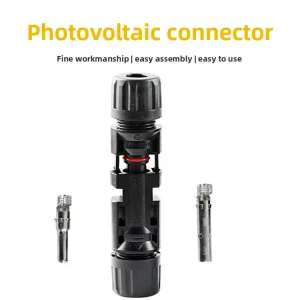
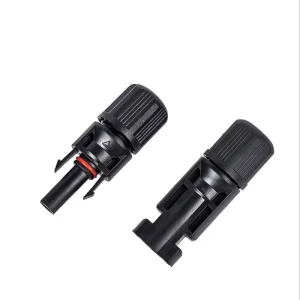
![[ LONGI JA Solar ] Staubli MC4 Solar Panel Connector IP68 2.5mm 4mm 6mm 10mm Plastic Cable Connector](https://site.cdnfile.io/3eee92ba82d442da78648ca8dbe7a816300_300.webp)