High-performance protective equipment engineered for harsh utility-scale and commercial environments.
In modern electrical engineering, grid construction, automotive manufacturing, and solar energy installations, heat shrink tubing serves as the fundamental layer of mechanical protection, insulation, and moisture sealing. Often underestimated, the selection of premium-grade polymers directly dictates the lifespan and reliability of major electrical networks globally.
As global power systems transition towards higher voltages—especially with utility-scale solar photovoltaic (PV) networks pushing from 1000V up to 1500V DC and beyond—the demands on electrical insulation materials have intensified. Traditional PVC-based electrical tapes no longer suffice under the extreme environmental stresses, UV exposure, and thermal cycling characteristic of outdoor infrastructure. Modern procurement directors prioritize advanced fluoropolymer and polyolefin-based heat shrinkable tubing engineered to survive continuous operating temperatures from -55°C to over 135°C, boasting dielectric strengths exceeding 20 kV/mm.
"Sourcing high-performance heat shrink tubing from top-tier Chinese manufacturers is no longer merely a cost-reduction strategy. It is a vital technical partnership aimed at mitigating the risks of insulation breakdown, water ingress, and galvanic corrosion in mission-critical applications."
Procurement departments of multinational corporations (EPC contractors, aerospace systems developers, and automotive tier-1 suppliers) operate under strict compliance and performance rubrics. Standard commercial-grade tubing is inadequate for applications subject to automotive fluids, high vibration, or continuous solar irradiation. Procurement metrics focus on:
Exploring the polymer chemical architectures that drive electrical protection reliability.
The workhorse of industrial insulation. Through high-energy electron beam cross-linking, the polymer chains are permanently bonded. This grants the tubing its "shape memory" properties, allowing it to shrink back to its extruded state upon heating without melting.
Featuring a co-extruded inner layer of hot-melt adhesive (primarily polyamide or EVA based). During the shrinking process, this inner layer melts, flowing into wire bundles and mechanical cavities to establish a permanent IP67/IP68 environmental seal.
Designed for extreme high-temperature and chemically corrosive environments. PVDF (Kynar) and PTFE offer exceptional resistance to aviation fuels, industrial solvents, and continuous operating temperatures up to 260°C.
Technical comparison chart to guide global engineering teams in specifying heat shrink tubing.
| Material Family | Shrink Ratio | Operating Temp. Range | Dielectric Strength | Key Applications | Regulatory Standards |
|---|---|---|---|---|---|
| Standard Polyolefin | 2:1, 3:1, 4:1 | -55°C to +125°C | ≥ 20 kV/mm | General wire harness, commercial panels, strain relief | UL 224, CSA, RoHS |
| Adhesive-Lined Polyolefin (Dual Wall) | 3:1, 4:1 | -45°C to +125°C | ≥ 15 kV/mm | Solar PV cabling, marine electrical, underground splicing | UL 224, IP68 rated, REACH |
| PVDF (Kynar Equivalent) | 2:1 | -55°C to +175°C | ≥ 30 kV/mm | Aerospace sensors, military electronics, automotive engines | AS23053/8, AMS-DTL-23053 |
| Elastomeric Rubber (Viton type) | 2:1 | -75°C to +200°C | ≥ 15 kV/mm | Hydraulic line protection, chemical processing equipment | MIL-DTL-23053/13 |
An established leader in solar photovoltaic protection and electrical connection systems, Wenzhou Phlox Energy Co., Ltd. integrates over a decade of R&D expertise to provide robust electrical connection components to the global renewable market.
Operating out of a highly automated, 11,500-square-meter facility with 7 advanced production lines, Phlox Energy serves distributors, EPC contractors, and system integrators worldwide. By combining rigorous materials testing, international certifications (CE, TUV, IEC, CB, and ISO 9001), and rapid customization capabilities, they ensure absolute system integrity in the field.
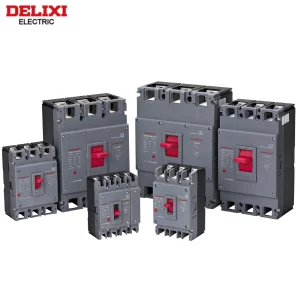
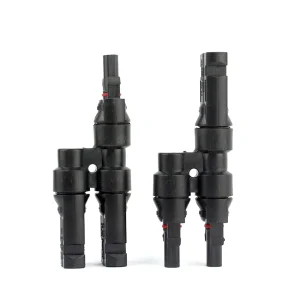
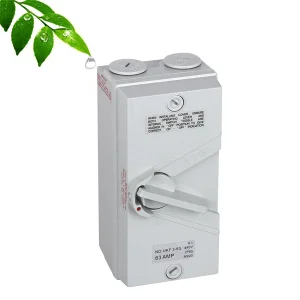
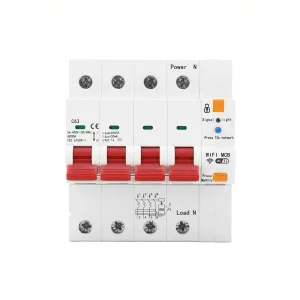
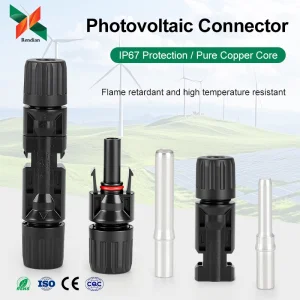
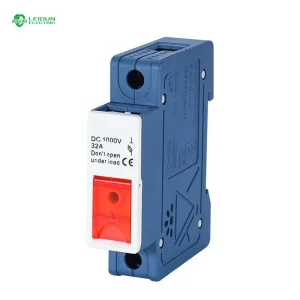
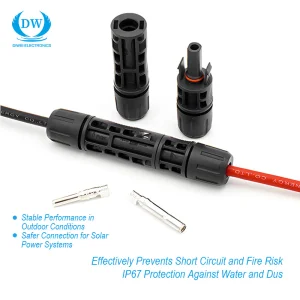
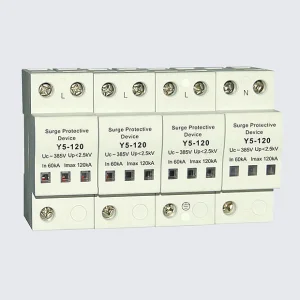
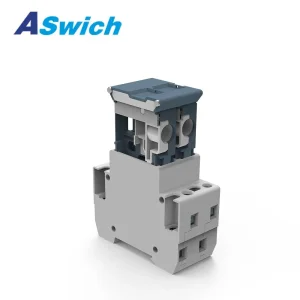
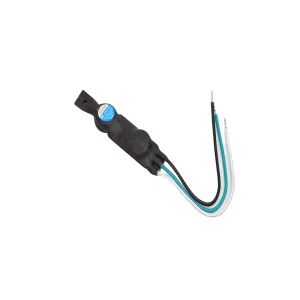
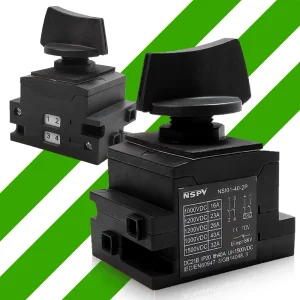
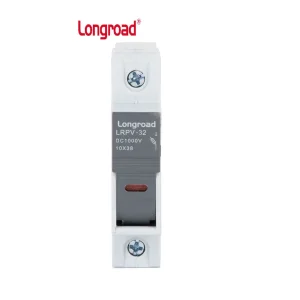
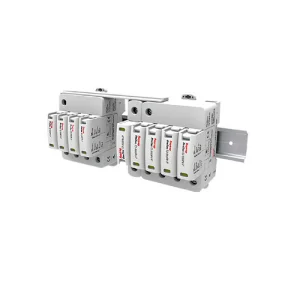
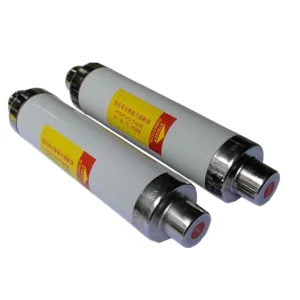
Phlox Energy's specialized line covers DC miniature circuit breakers (MCBs), surge protective devices (SPDs), PV fuses, and critical weatherproofing solar connectors designed to work in synergy with top-tier heat shrink insulation systems.
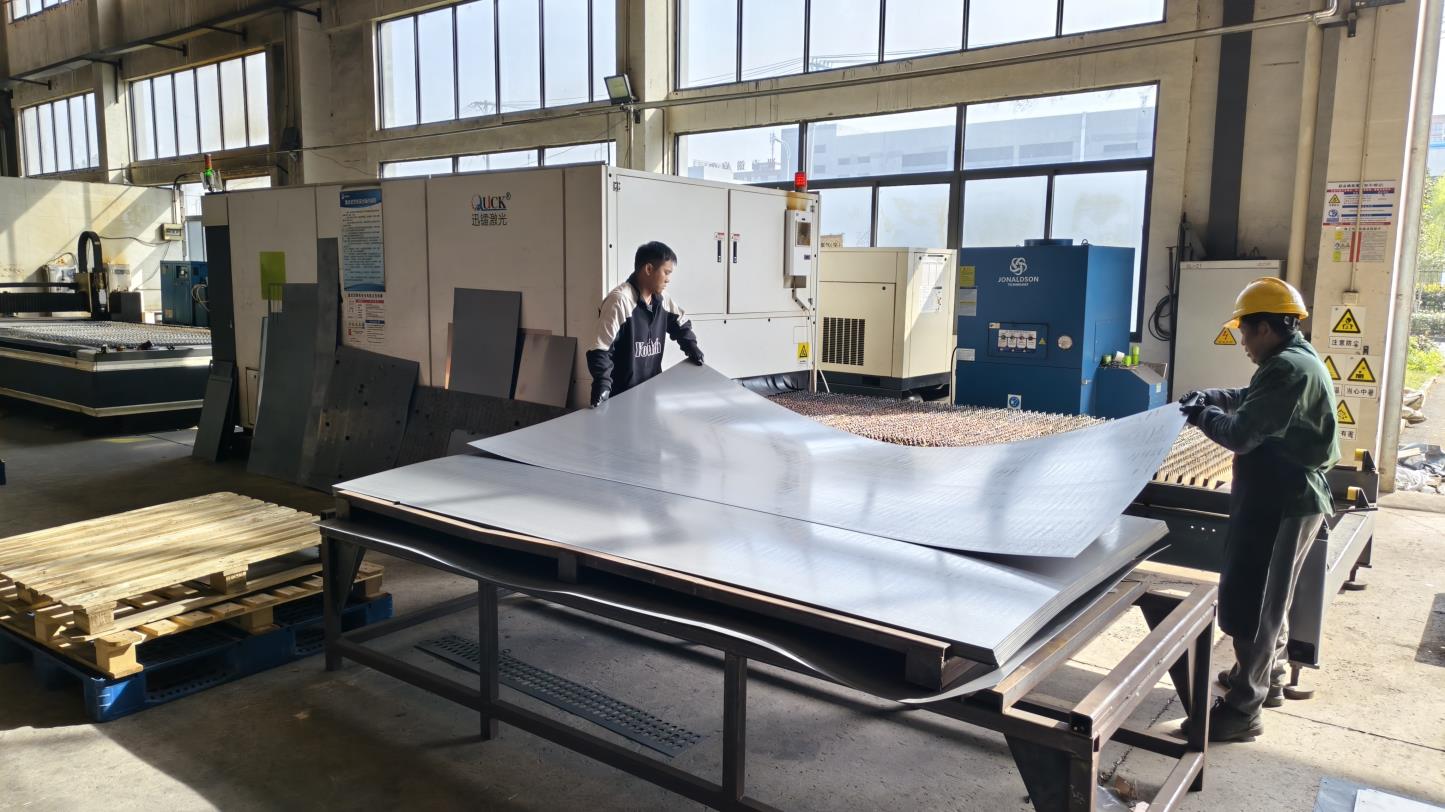
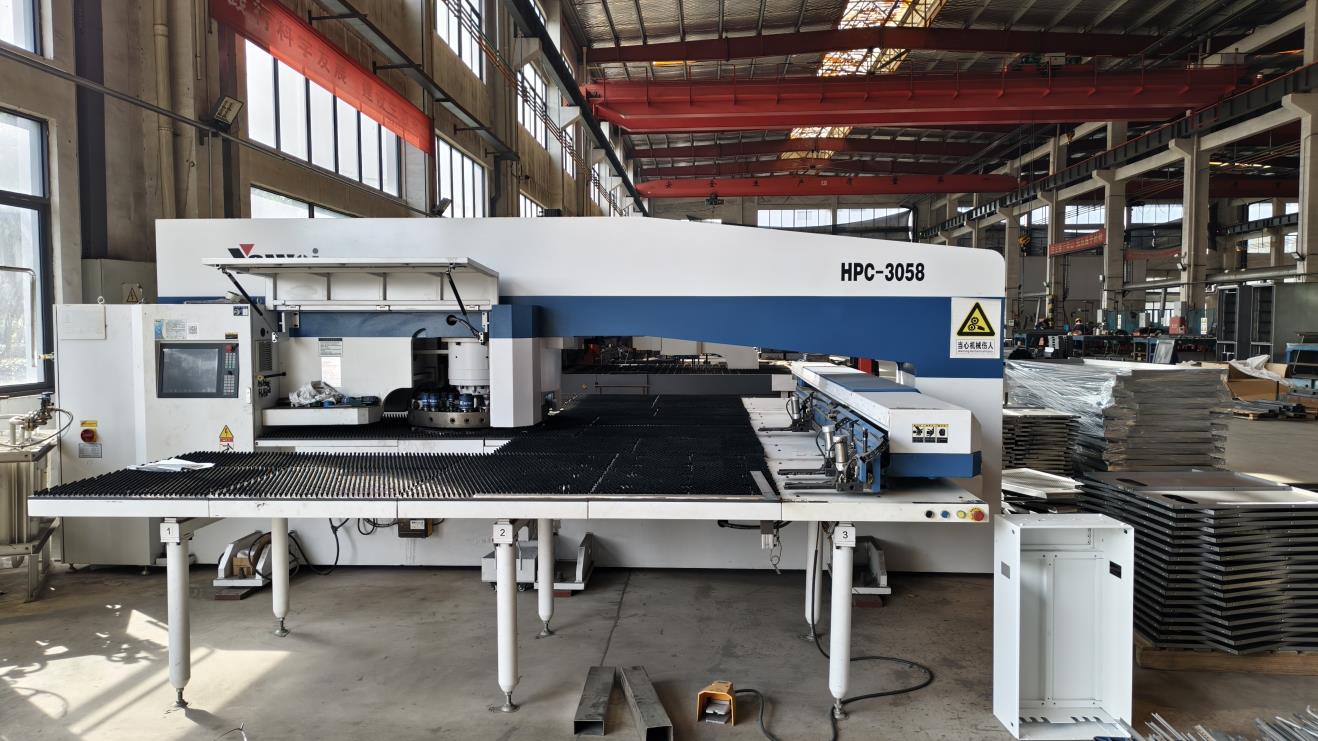
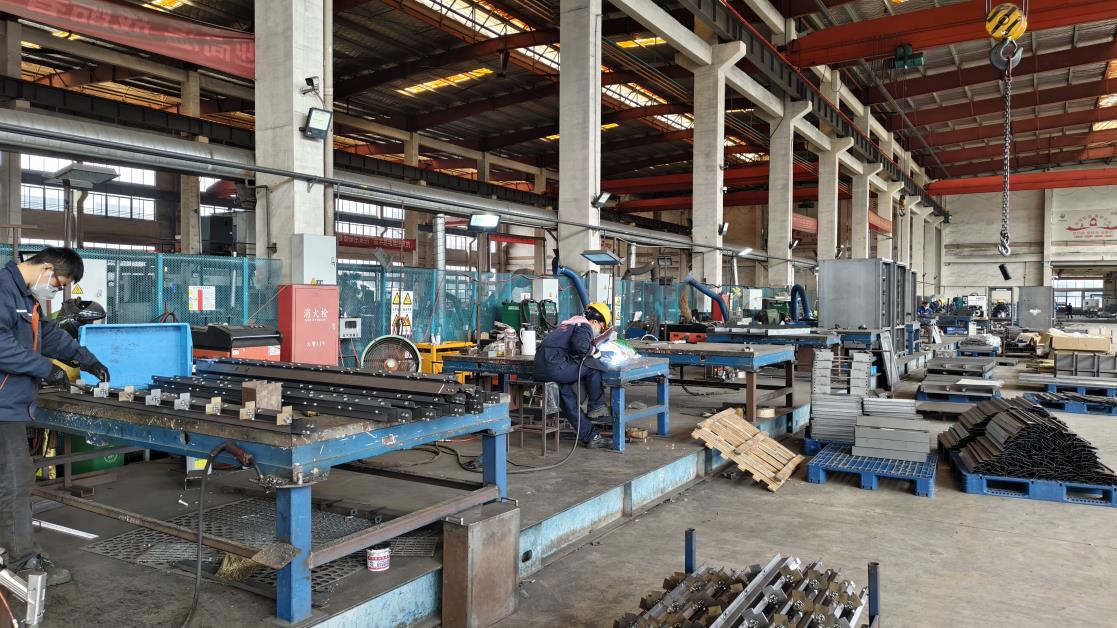
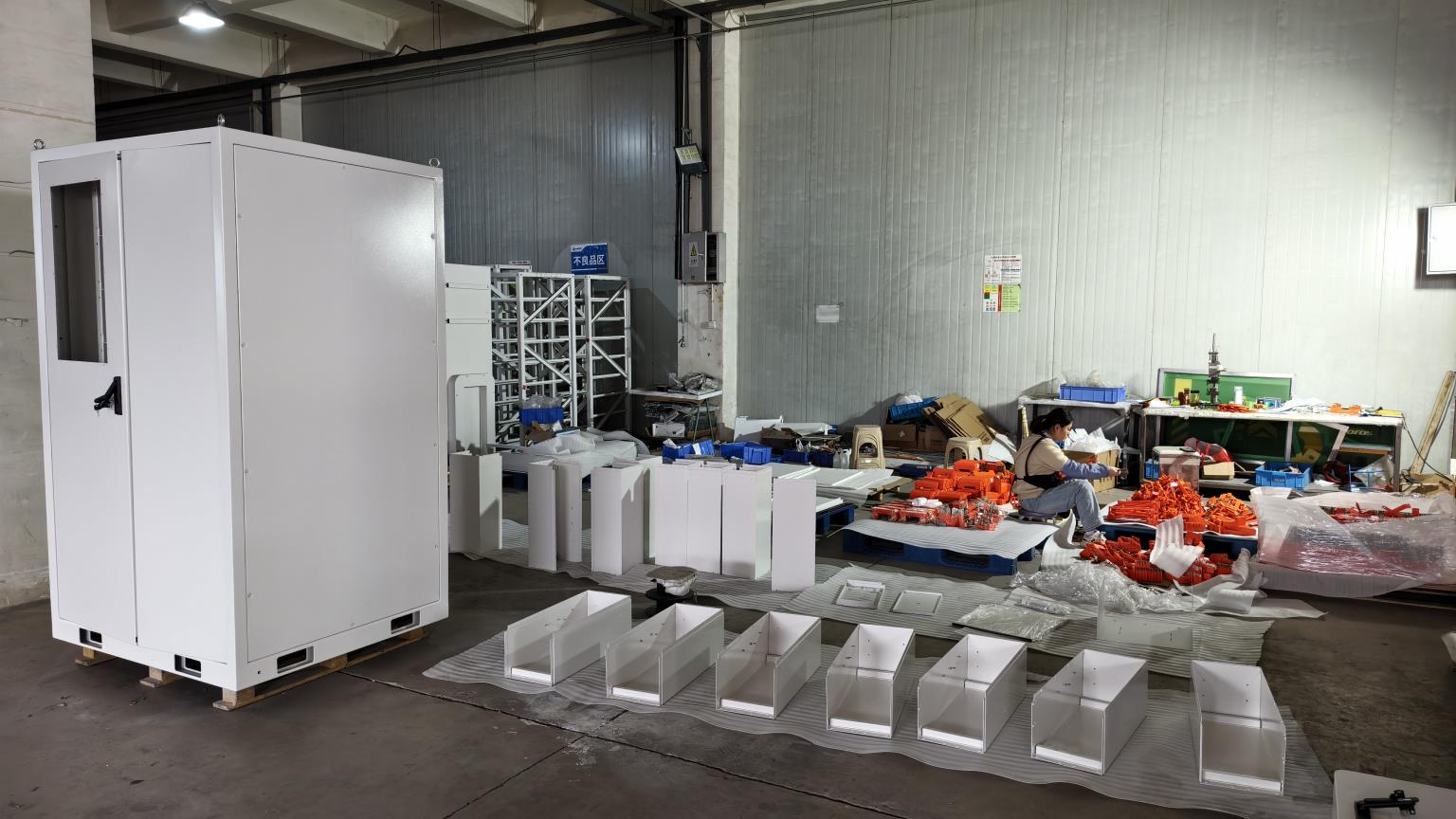
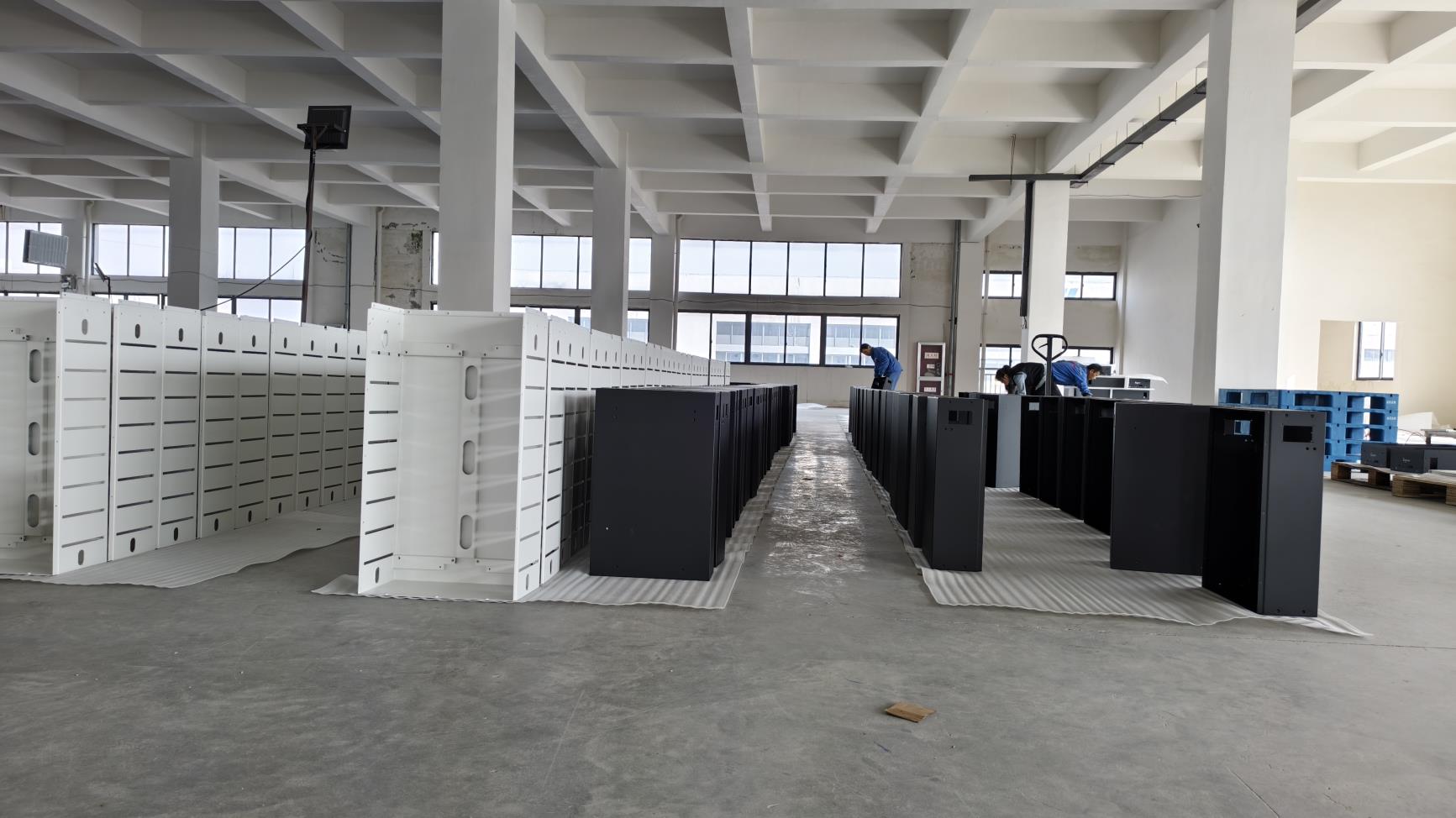
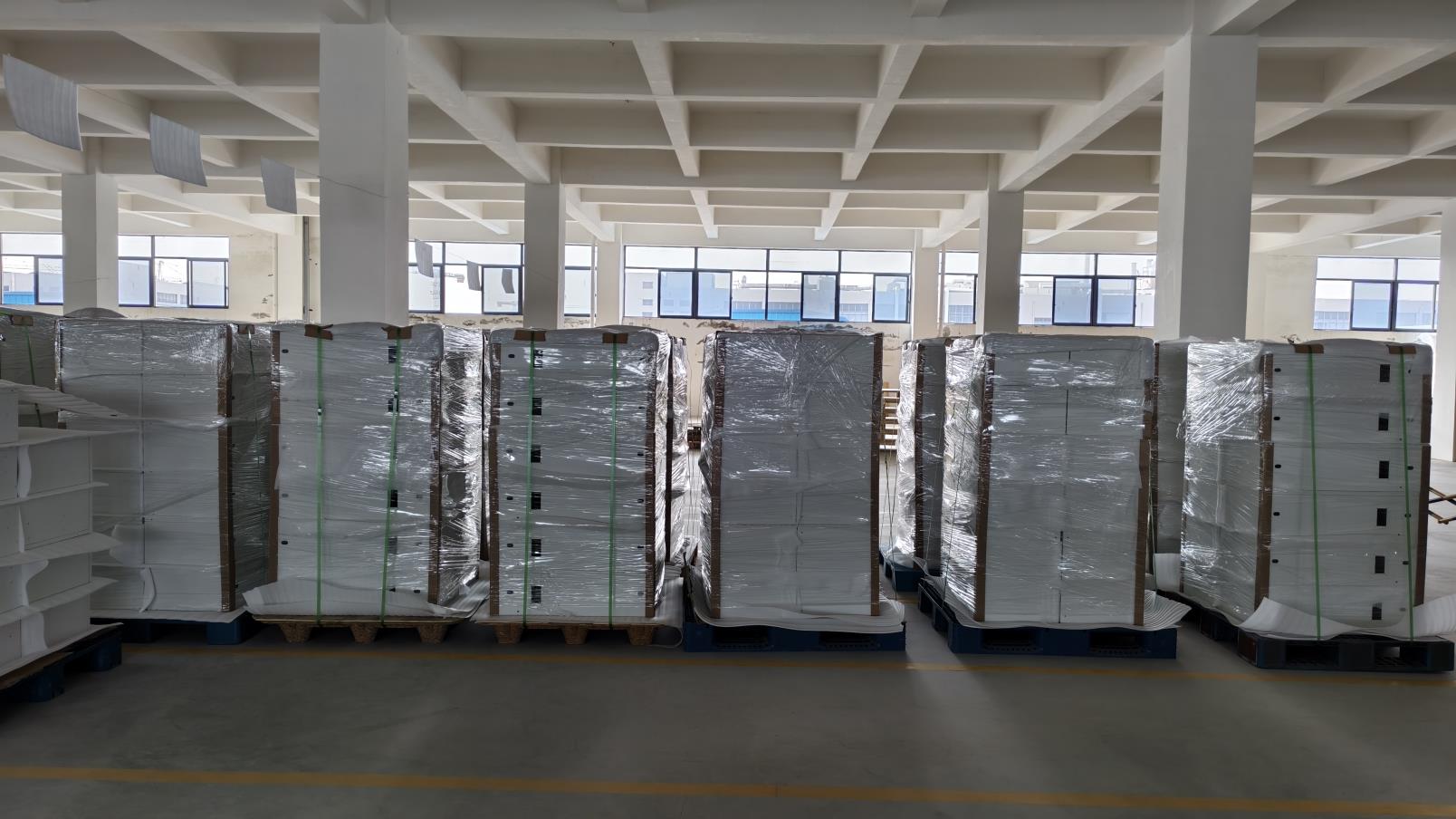
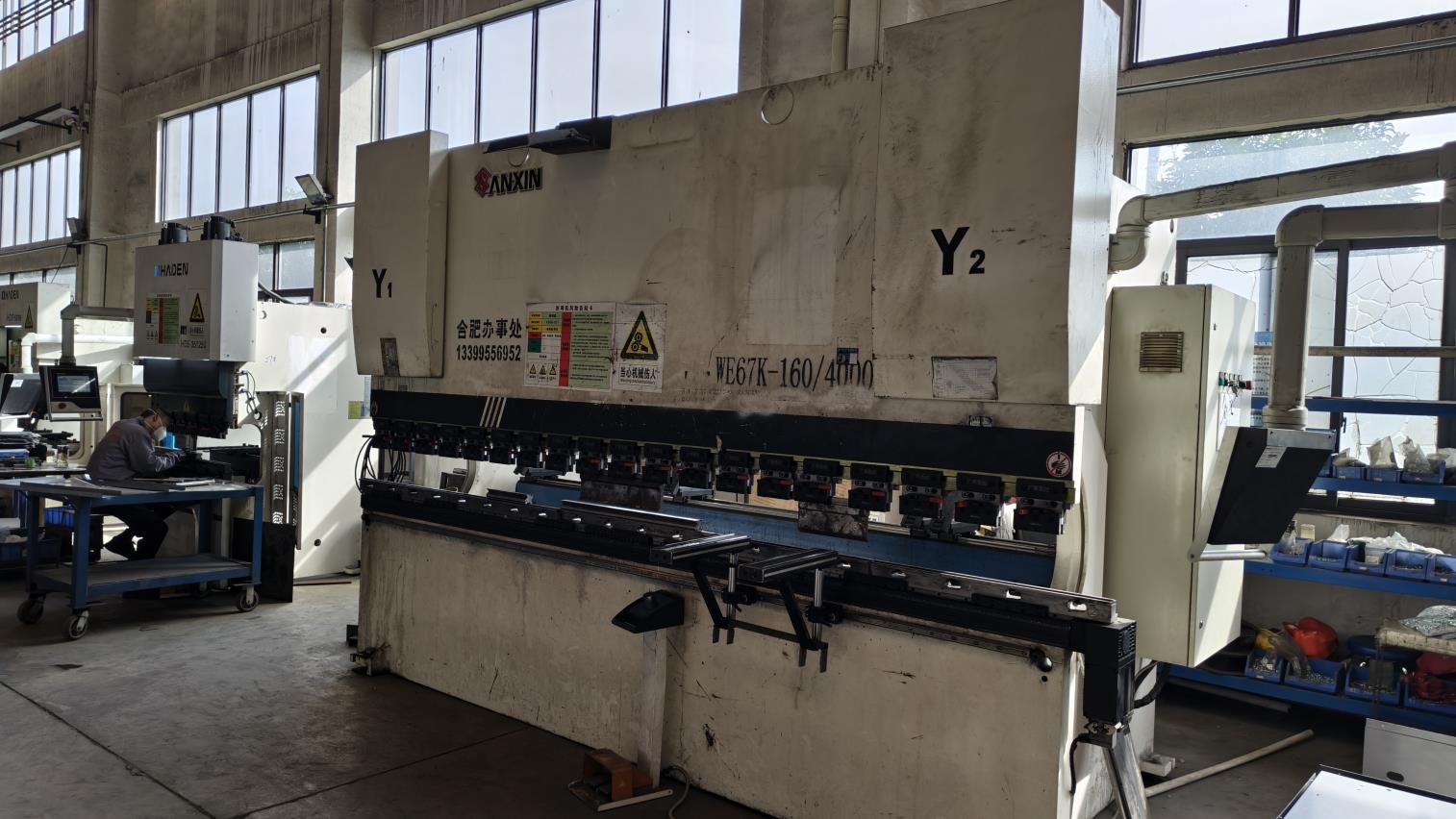
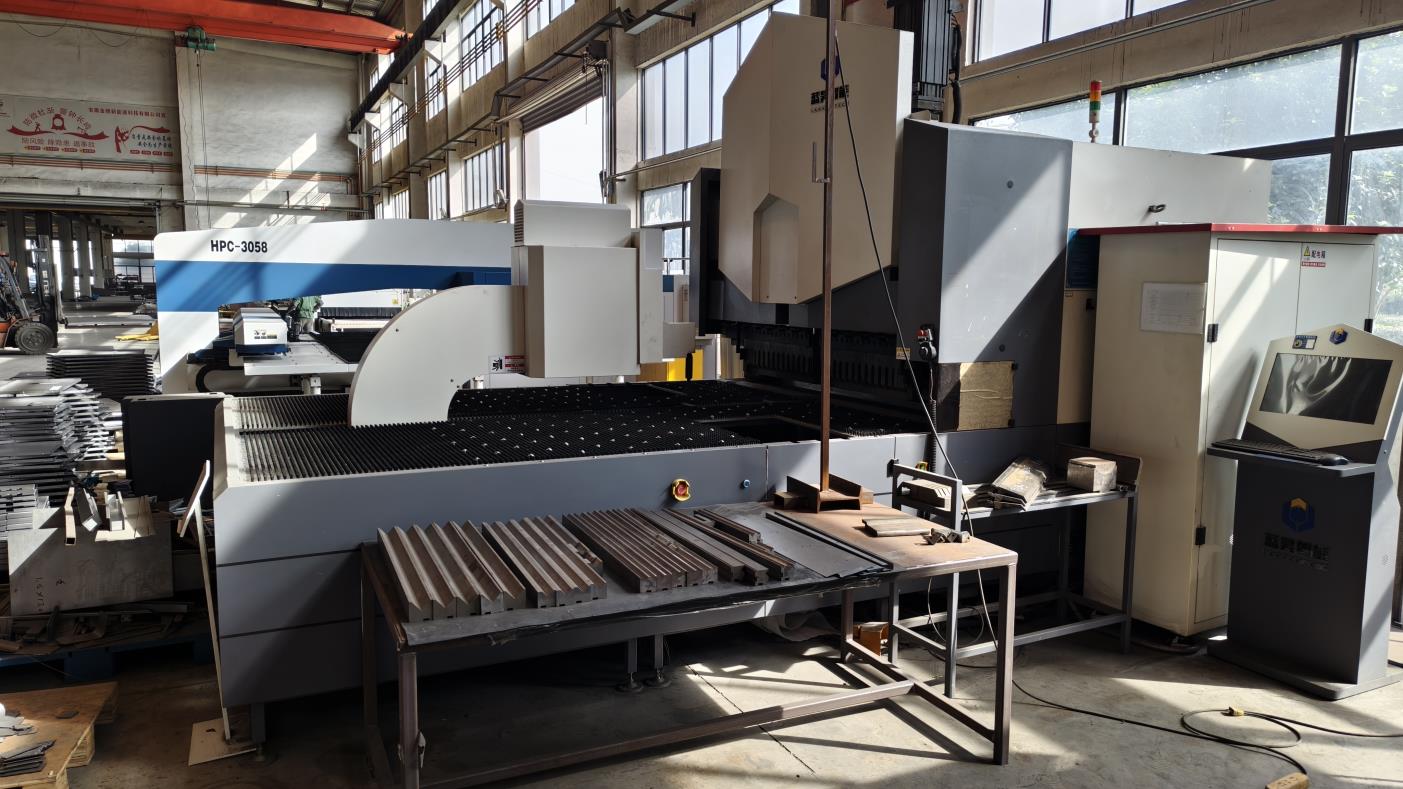
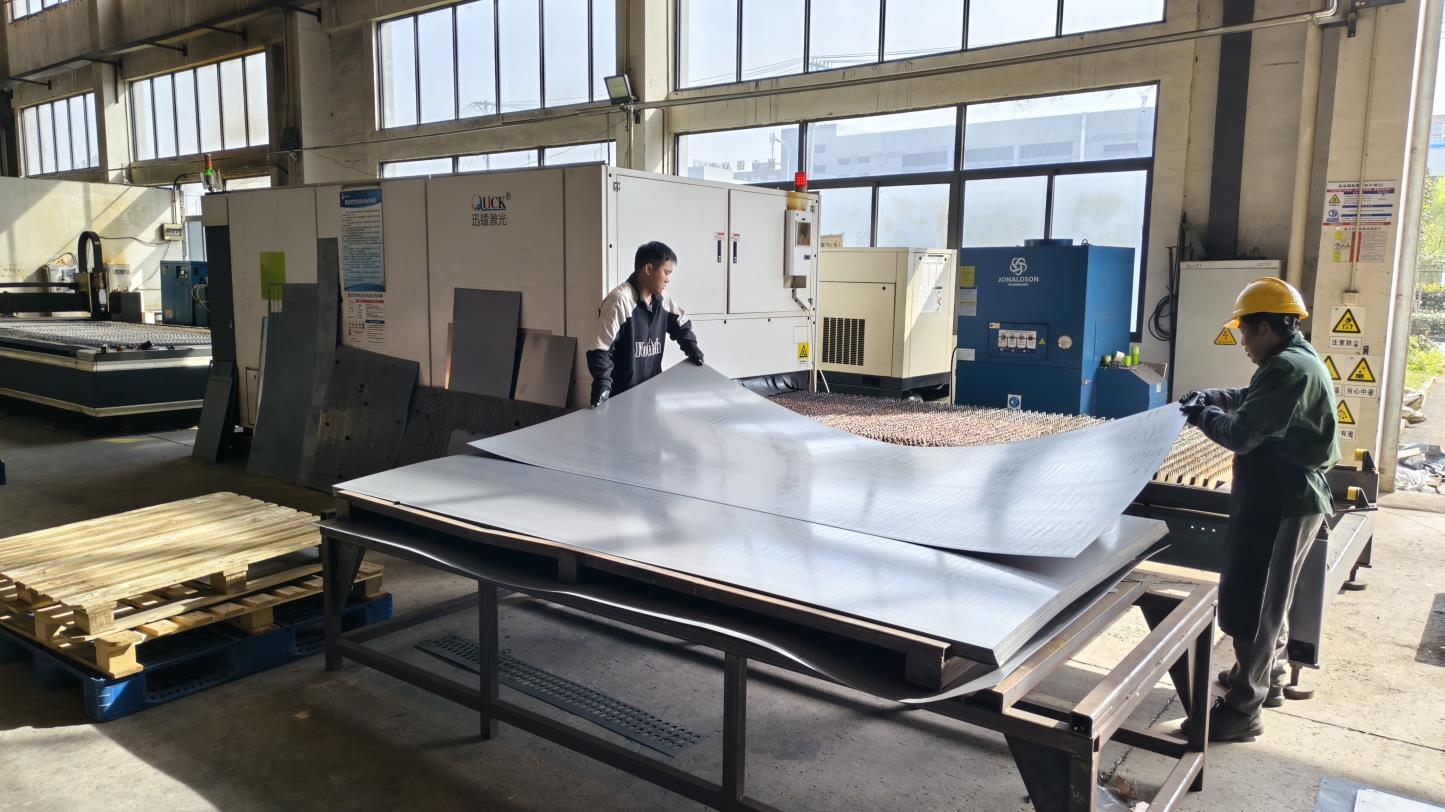
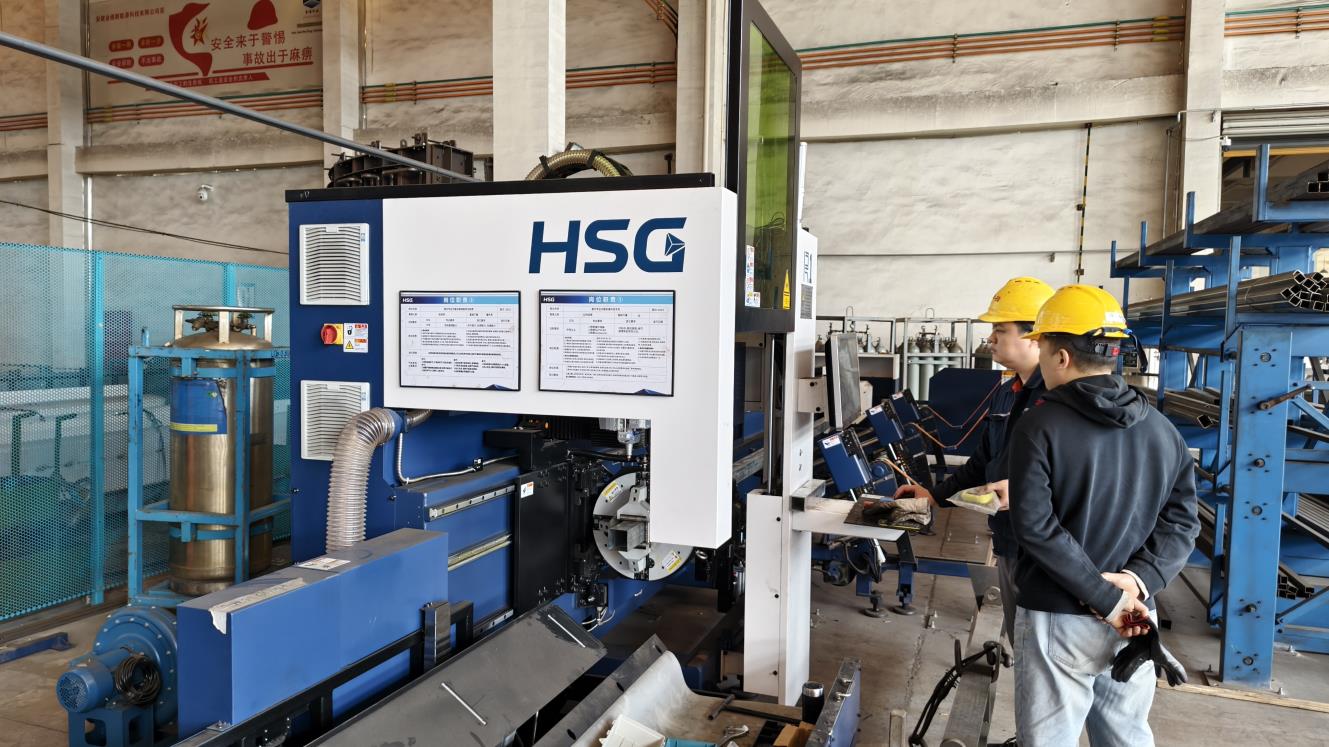
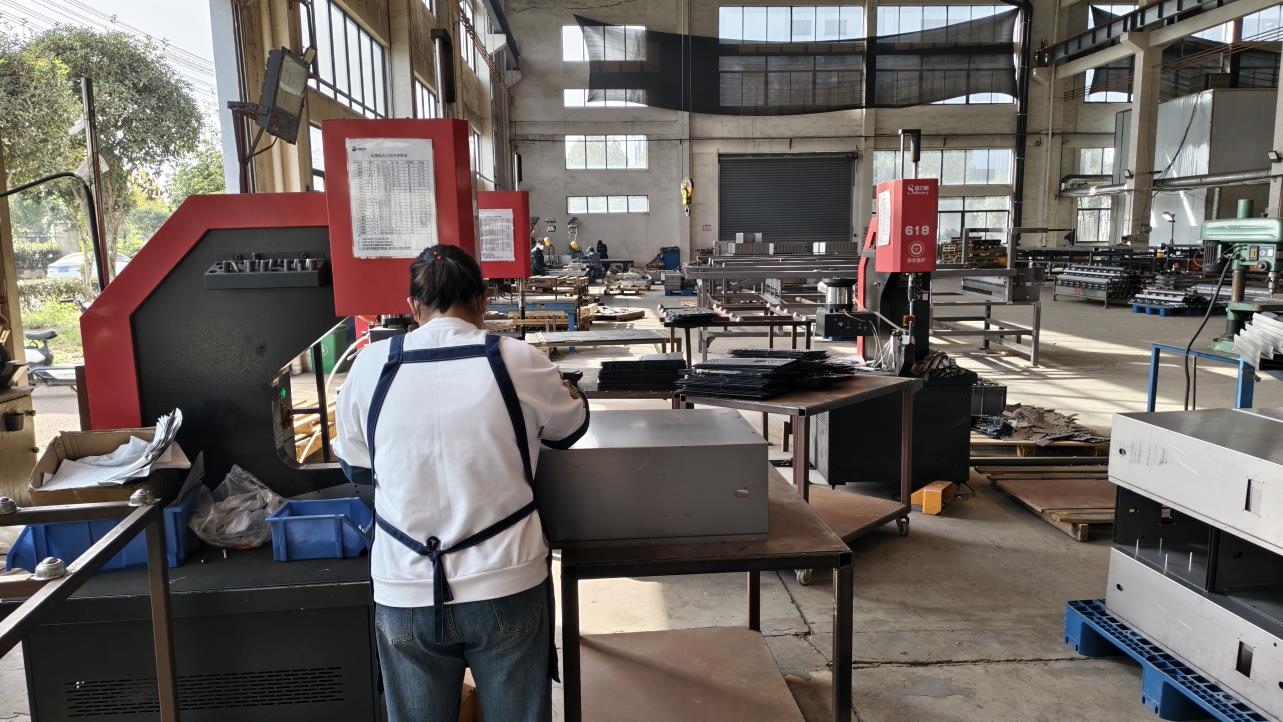
Visualizing the manufacturing precision, machining excellence, and quality control systems within our production facility.
The heat shrink tubing market is undergoing a significant transition from static insulation profiles to responsive, intelligent protection materials. The technological roadmap defined by leading research facilities in China is driving progress in three key domains:
During high-voltage installations, ensuring uniform heat application is critical to avoid under-shrunk pockets (which gather moisture) or over-shrunk spots (which damage structural polymer bonds). New polyolefin compounds incorporate thermochromic pigments that change color precisely when the material has reached its optimized transition state (recovery temperature). This provides visual verification of installation quality for operators in solar utility fields.
For outdoor environments like desert solar arrays, continuous exposure to high UV radiation degrades carbon bonds within polymers. Leading Chinese suppliers are dispersing titanium dioxide (TiO2) and zinc oxide (ZnO) nanoparticles within the base polyolefin matrix. This offers superior ultraviolet absorption and dissipation, effectively doubling the service lifespan of outdoor heat shrink terminals to over 25 years.
Global requirements such as RoHS and REACH restrict the use of halogenated flame retardants (like polybrominated biphenyls). The technical roadmap focuses on phosphorus-nitrogen compound additives and magnesium hydroxide fillers. These materials produce water vapor and non-toxic protective carbon shields upon heat exposure, satisfying strict EN 45545 fire safety criteria for railway systems and confined commercial spaces.
Securing bulk orders from China requires a robust understanding of international compliance protocols. Top manufacturers establish strategic customs clearing networks and provide thorough material documentation, including mill test reports and specific certification certificates (such as UL224 file numbers, TUV compliance declarations, and CE marking).
By establishing local distribution networks or dedicated OEM consultation desks, suppliers can bridge geographic distance. Engineering design departments can share 3D CAD files of customized components to receive pre-cut, pre-marked, or custom-packaged heat-shrink kits aligned with high-volume wire harness production lines.
Essential answers to common engineering and sourcing questions regarding high-performance insulation tubing.
High-capacity circuit safety and surge protection solutions certified for global energy networks.
 Phlox Energy