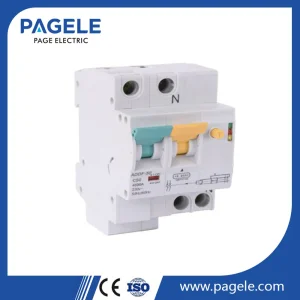
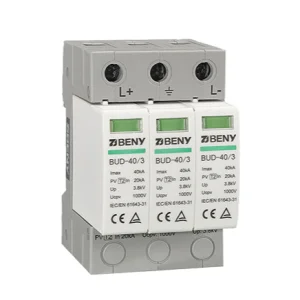
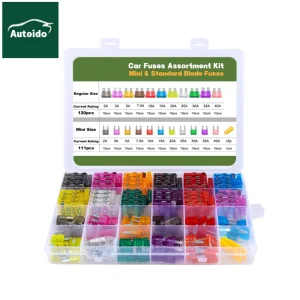
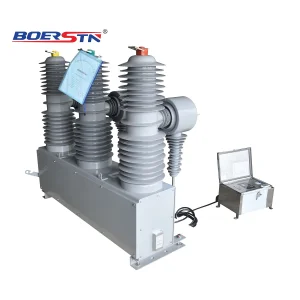
Engineered to absorb extreme thermal shifts and guard solar arrays against high DC overload surges. Explore our certified electrical components built to protect local and industrial circuits.
Modern heavy industry, railway networks, aerospace power frameworks, and utility-scale solar farms require high-fidelity interconnect solutions that survive decades of environmental stress. Procurement managers face multiple critical criteria when importing industrial connectors.
Connectors must resist degradation under intense UV light, acid rain, sandstorms, and saline sea breezes. Industrial operations mandate IP68 ingress protection, polycarbonate housings with high mechanical impact parameters, and high-purity copper contact elements.
High voltage drops lead directly to thermal degradation and systemic power losses. For solar and factory automation systems running continuous loads, contact resistances must remain below 0.5 milliohms to avoid localized hot spots and fire risk.
Engineers struggle with components that do not couple smoothly across brands. Utilizing standard profiles (such as the standard MC4 footprint for solar) and meeting IEC 62852 standards ensures complete compatibility with existing system layouts.
Wenzhou Phlox Energy Co., Ltd. is a leading manufacturer specializing in solar photovoltaic protection systems and industrial connection technology. With over ten years of active industry engineering, we combine production capability, product research, and localized safety consulting to build reliable products for international renewable energy setups.
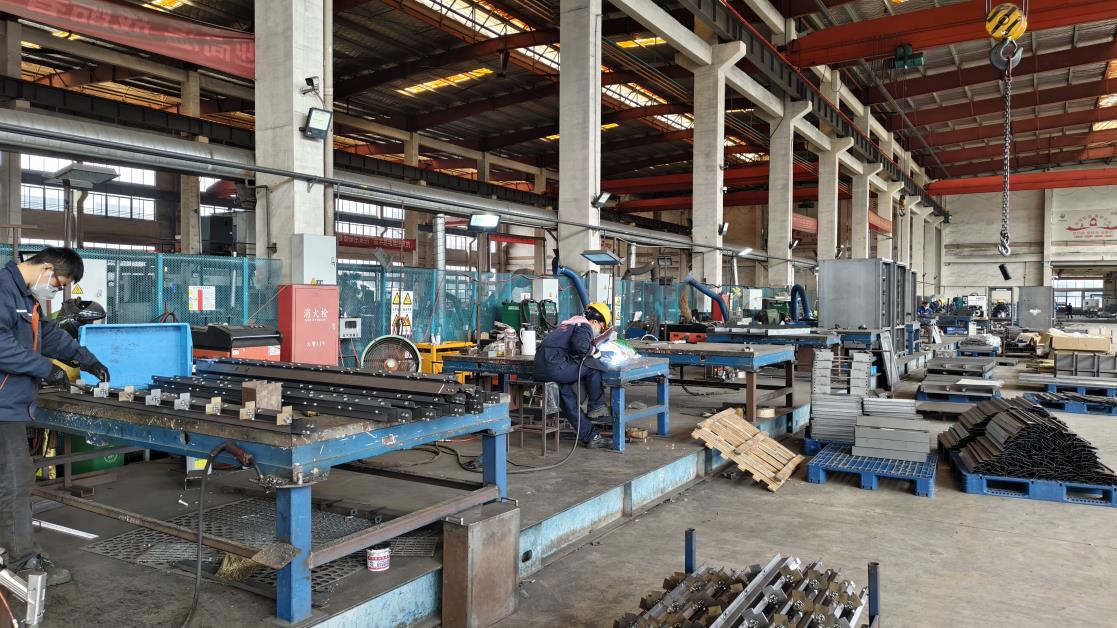
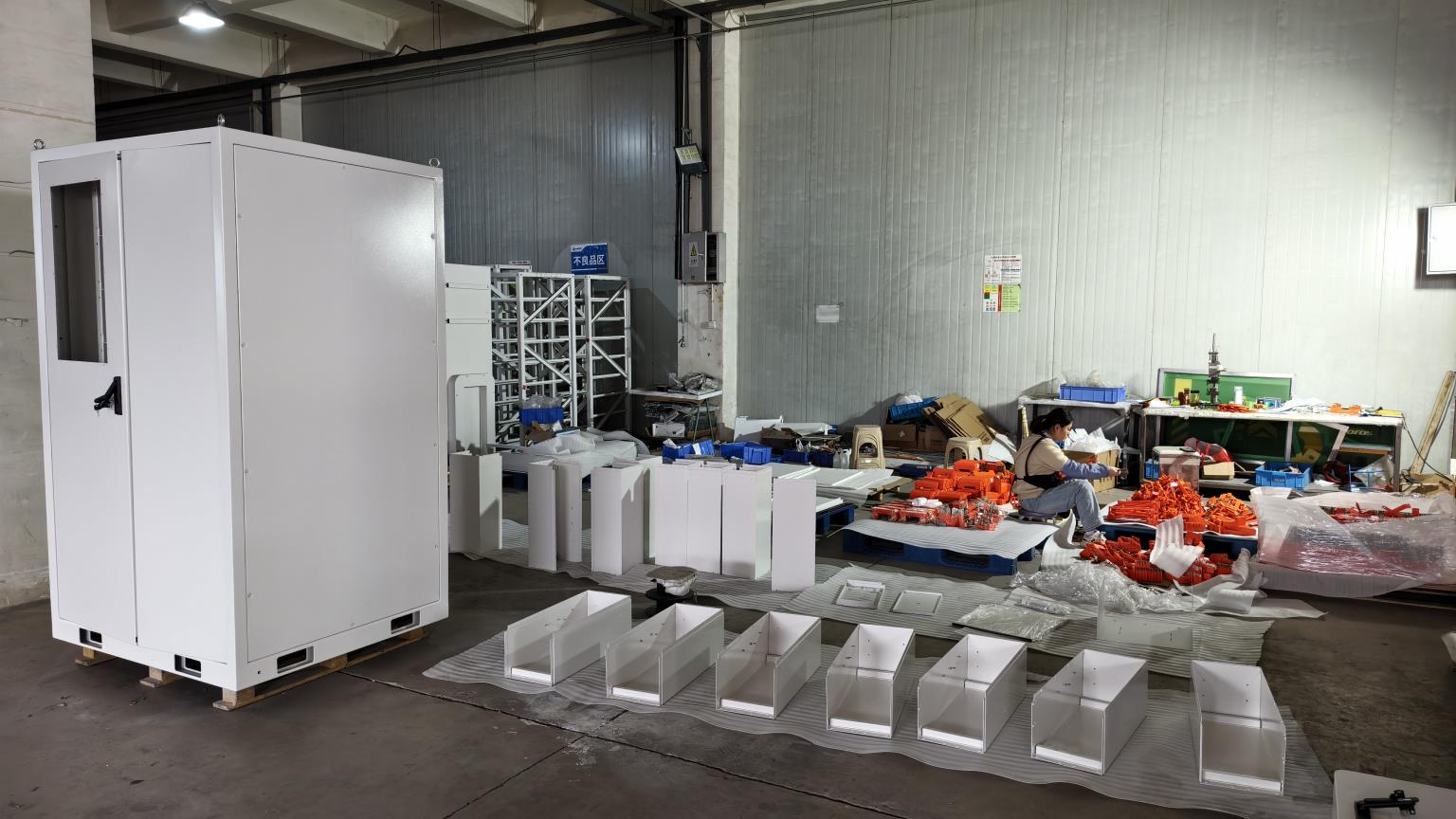
Our manufacturing compound spans 11,500 square meters, utilizing 7 dedicated assembly lines and over 100 automated fabrication tools. By employing a trained workforce of 150+ staff, we sustain an annual export capability exceeding USD 20 Million, delivering components to major projects globally.
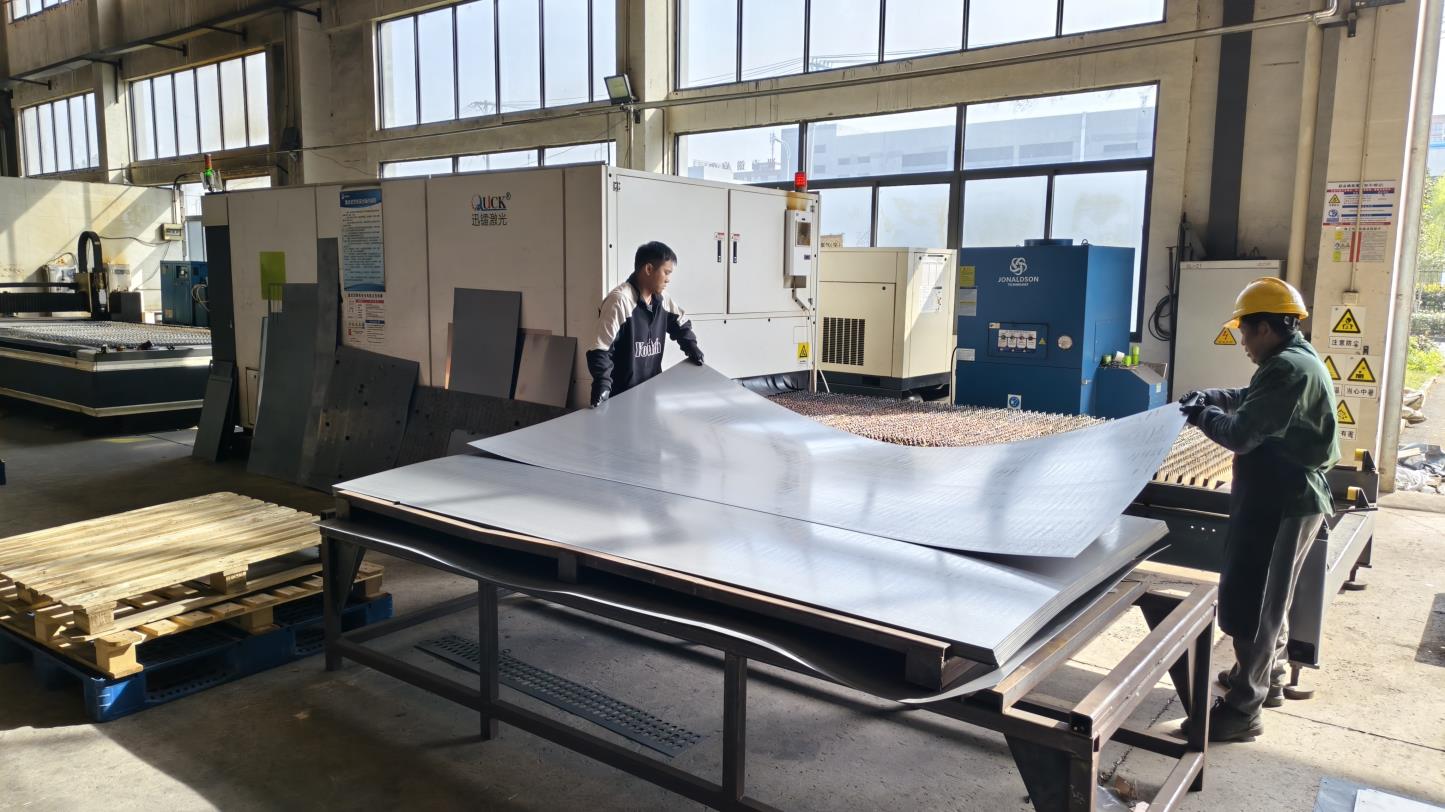
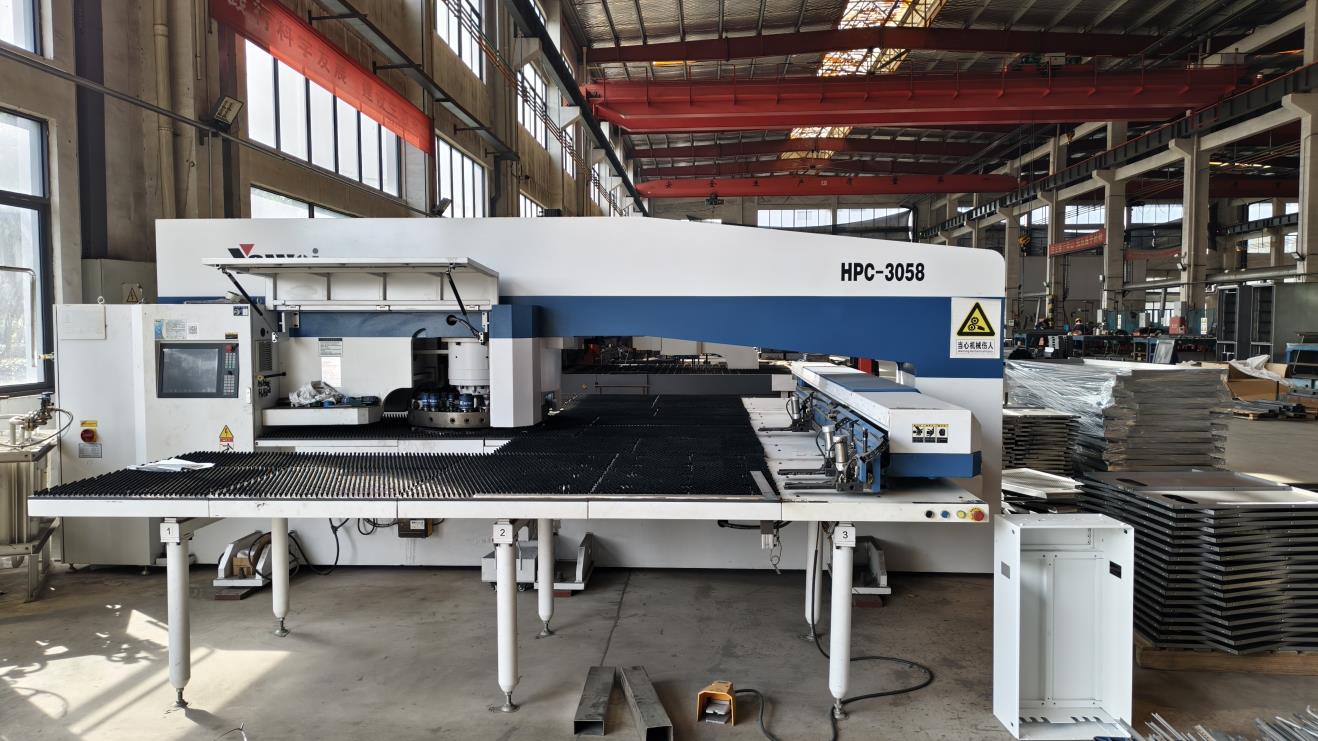
At Phlox Energy, our manufacturing methodologies leverage the industrial clusters of Wenzhou. By updating our infrastructure with automated CNC machines, robotic sheet metal tooling, and precision assembly lines, we optimize fabrication rates and guarantee long-term component durability.
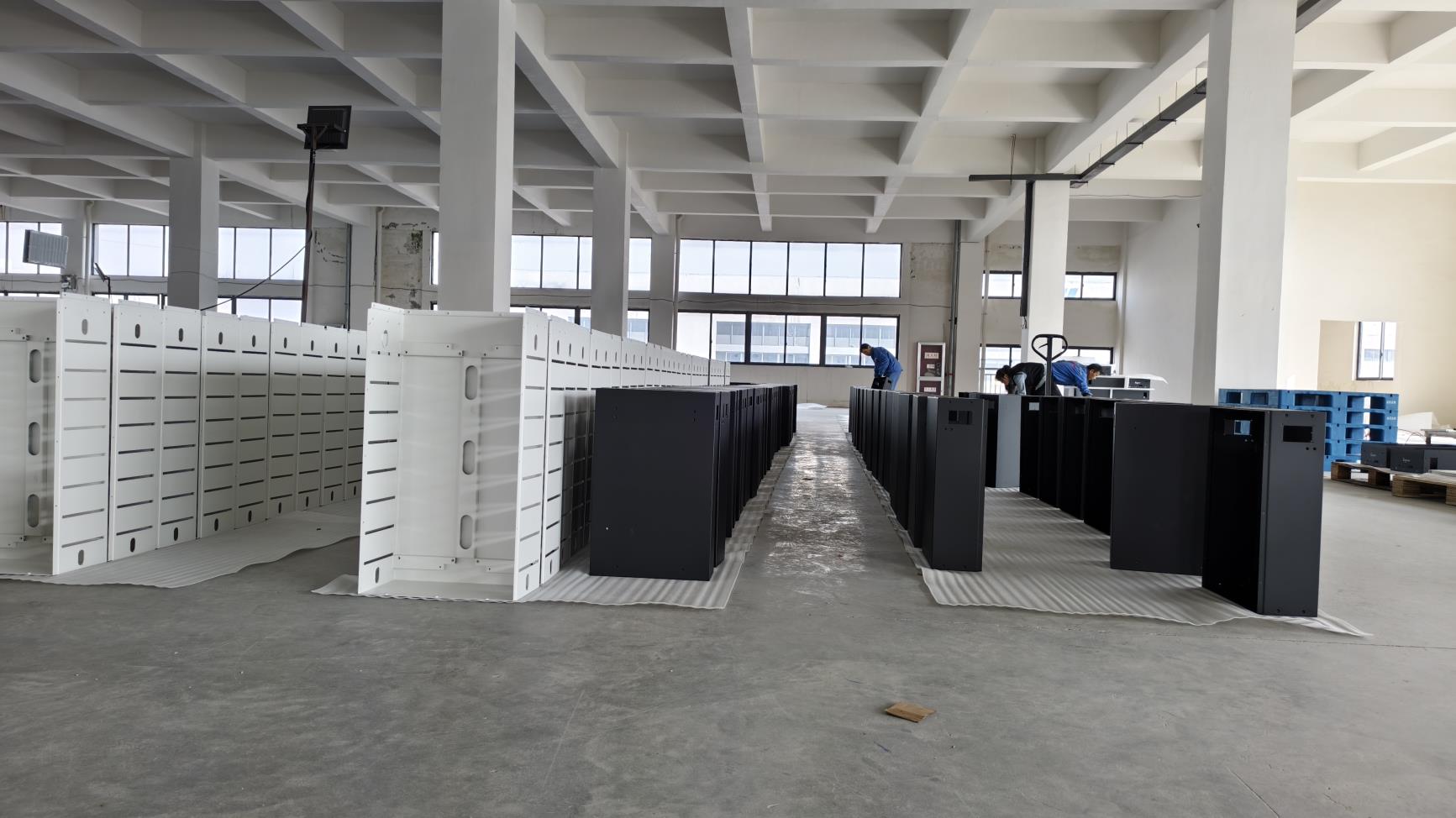
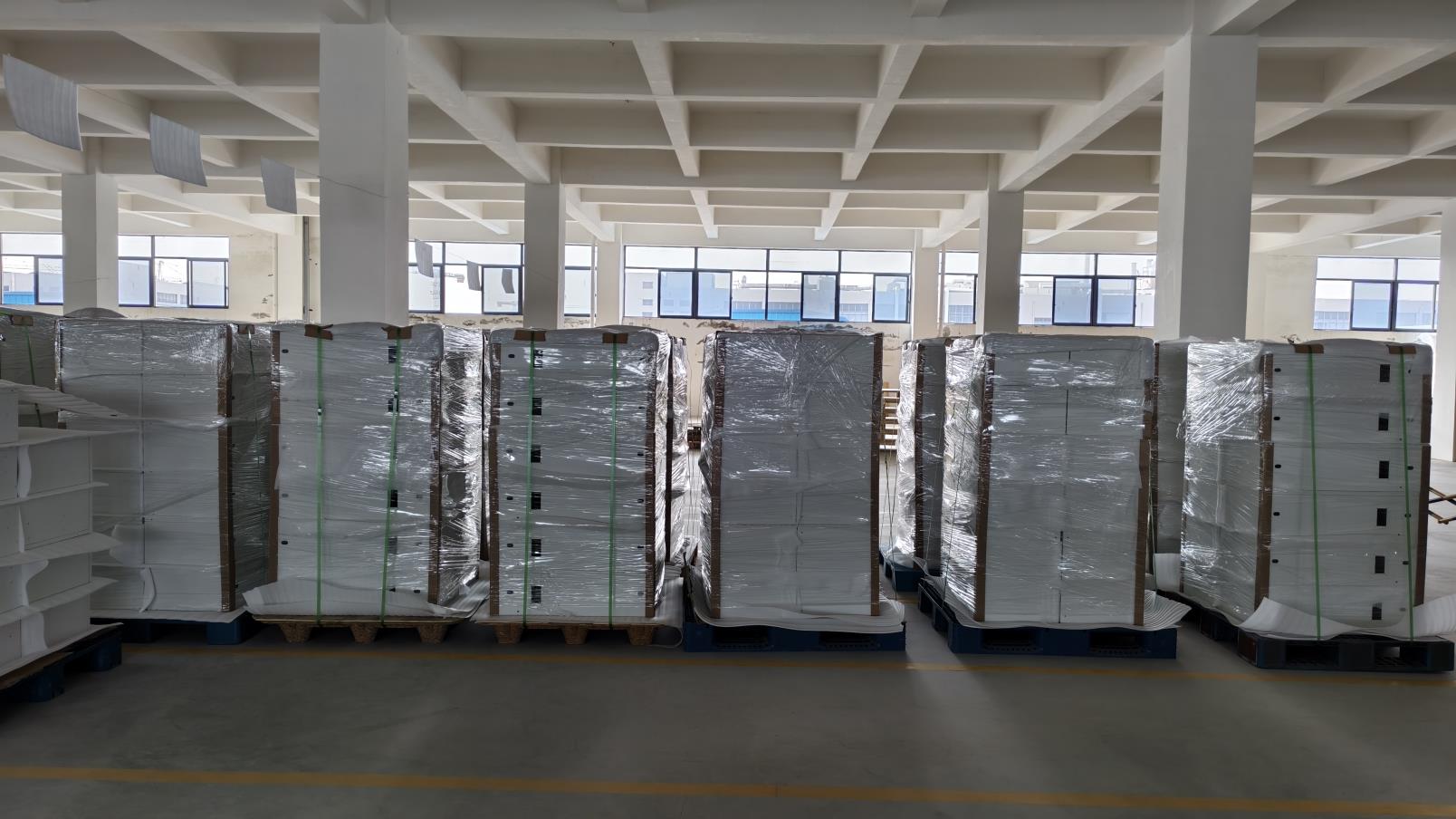
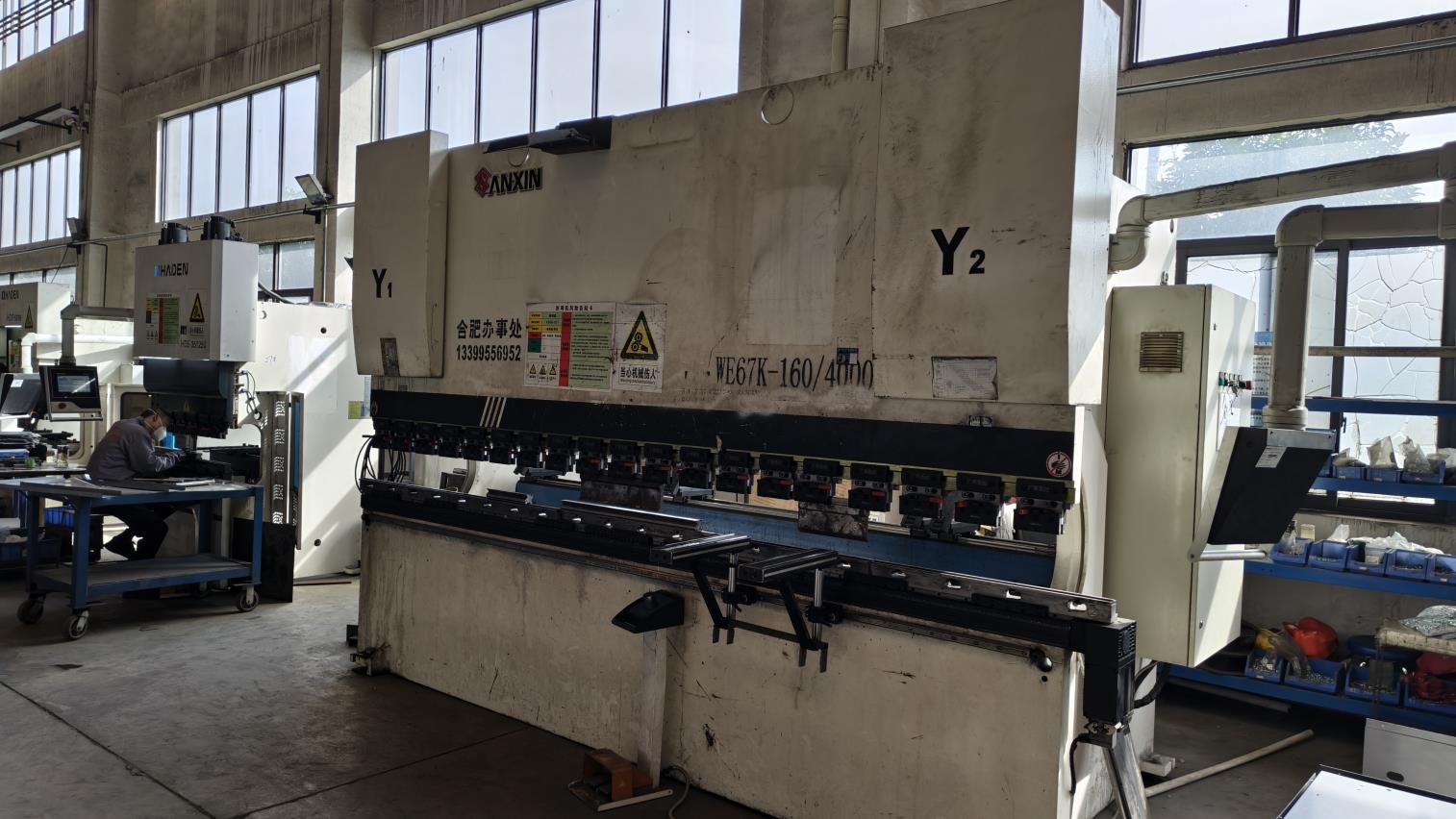
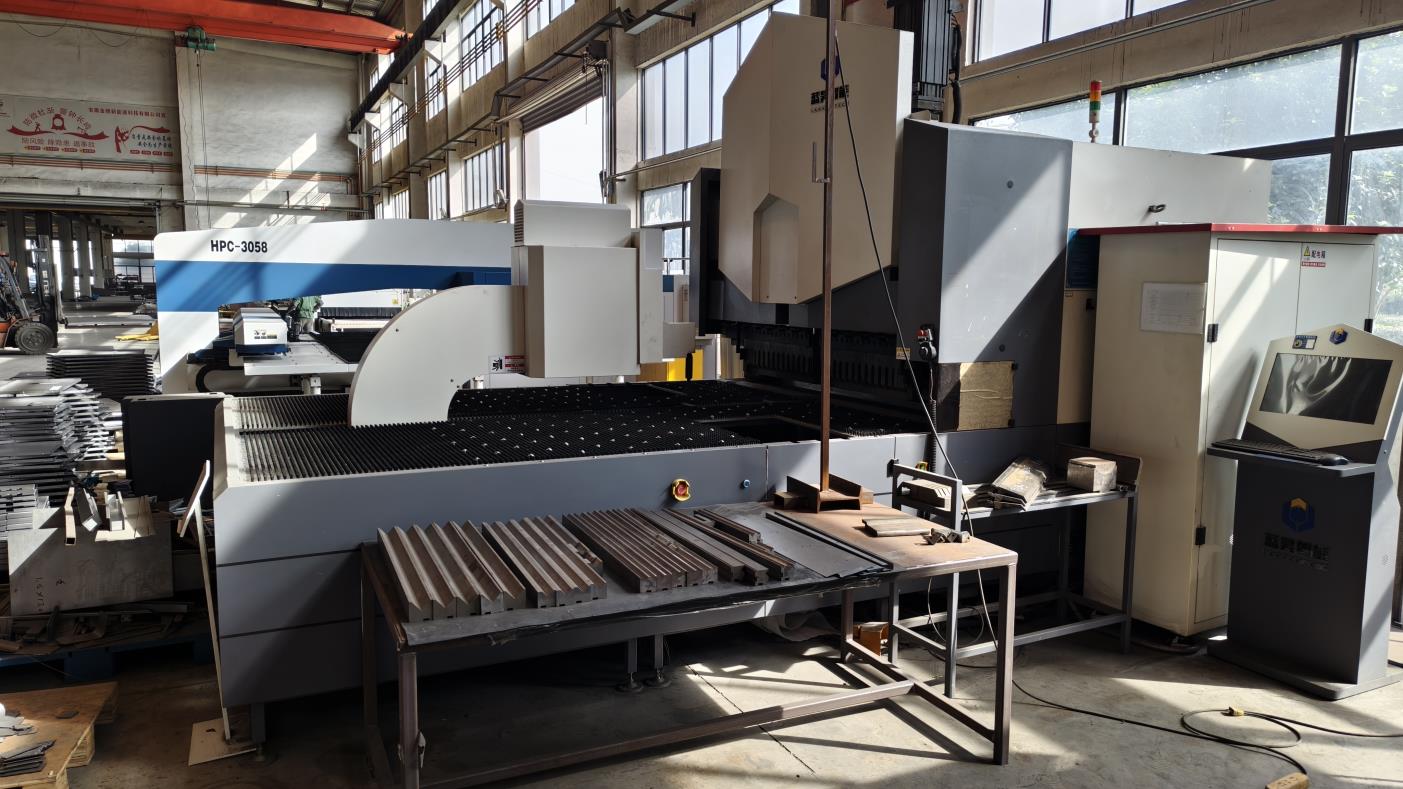
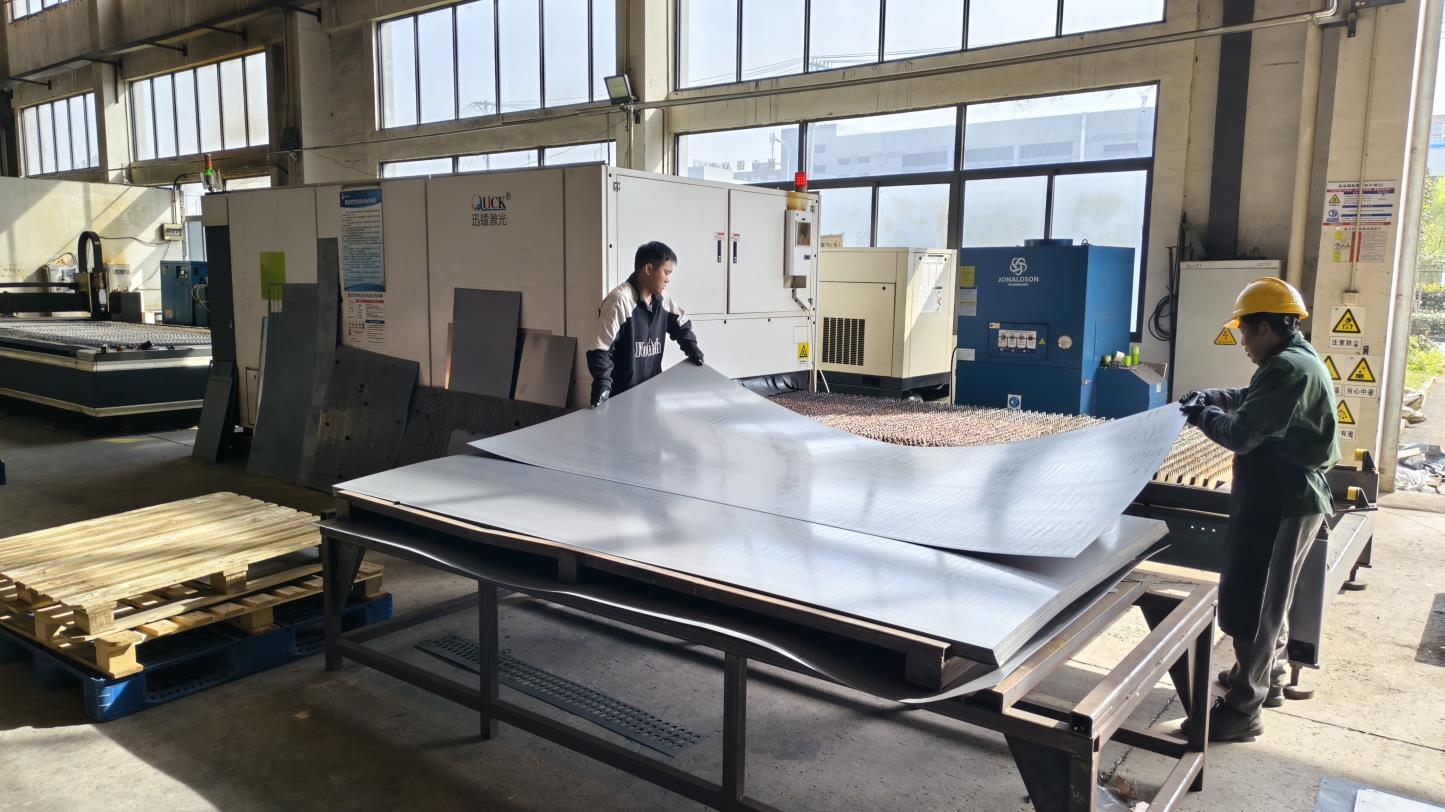
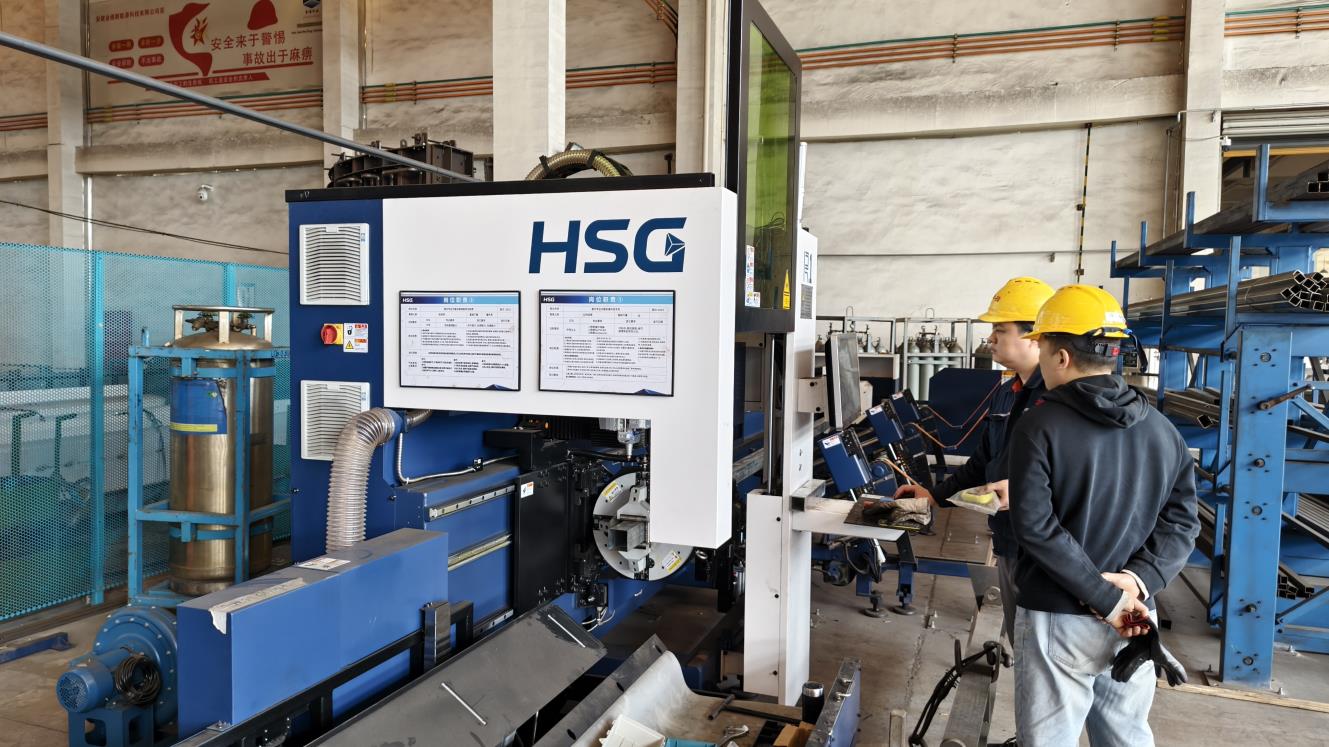
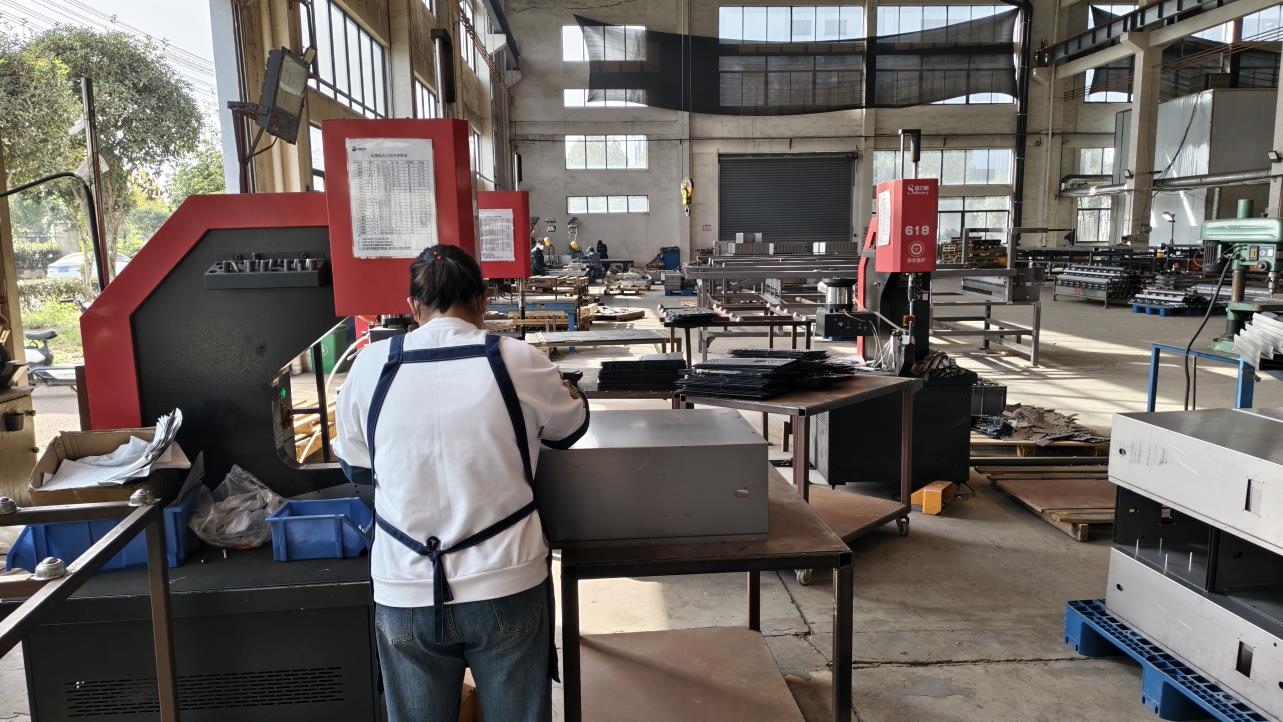
Different industrial environments present unique electrical challenges. Modern facilities require a carefully integrated mix of overcurrent safety devices, surge protection, disconnect switches, and heavy-duty connectors to maximize uptime and prevent equipment failures.
| Component Group | Key Technical Function | Target Applications | Standards Applied |
|---|---|---|---|
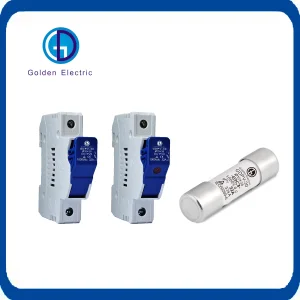
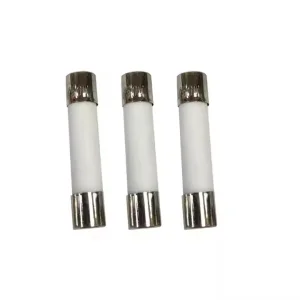
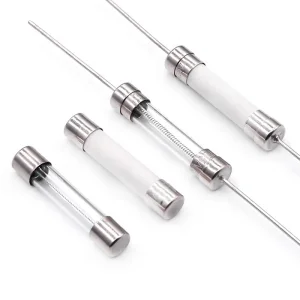
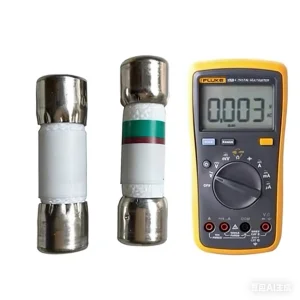
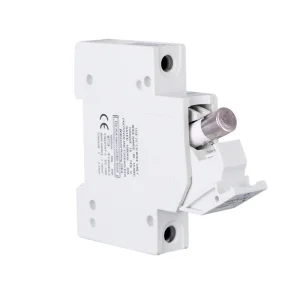
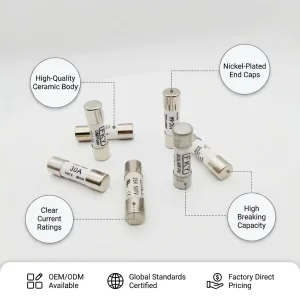
| PV Fuses (10x38mm, Ceramic) | Sub-millisecond interruption of short-circuit DC faults in solar arrays. | Combiner boxes, solar inverters, battery rack systems. | IEC 60269-6, UL 2579 |
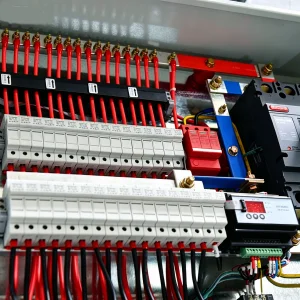
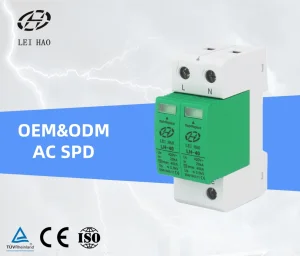
| Surge Protective Devices (SPD) | Clamping high-voltage transients induced by atmospheric lightning. | Main switchboards, distribution panels, PV arrays. | EN 50539-11, IEC 61643-31 |
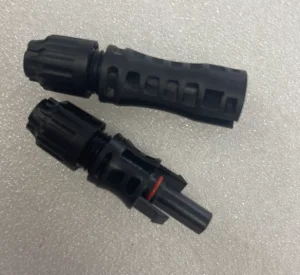
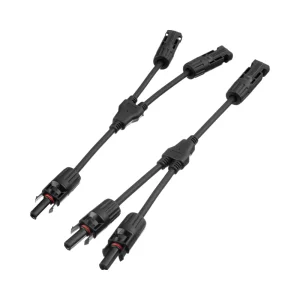
| Industrial Connectors (MC4 Compatible) | Low-resistance, weatherproof electrical connections for solar wiring. | Inter-panel cabling, outdoor solar array links. | IEC 62852, UL 6703 |
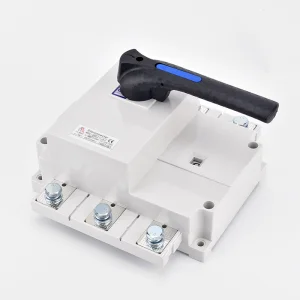
| DC Isolator Switches | Safe manual disconnection of DC arrays under full load conditions. | Rooftop commercial solar, industrial energy storage. | IEC 60947-3, AS 60947.3 |
| Automatic Reclosers (ACR) | Microprocessor-controlled pole switches that clear transient grid faults. | Medium-voltage distribution lines, rural substations. | IEEE C37.60, IEC 62271-111 |
Electrical connection failures can cause significant damage in high-voltage industrial systems. Our quality assurance protocol verifies that each connector batch maintains consistent electrical and mechanical characteristics before shipment.
Every phase of production is monitored by calibrated testing machinery. All components undergo rigorous electrical safety checks, including contact resistance testing, insulation integrity verification, and structural stability audits. This strict QA pipeline has earned Wenzhou Phlox Energy ISO 9001, CE, TUV, IEC, and CB certifications, allowing our products to integrate smoothly into projects worldwide.
Ensures connection contact resistance remains well below target tolerances to prevent localized heat build-up under full continuous load.
Verifies the dielectric properties of our connector housings, confirming safe operation at operational levels up to 1500V DC / 1000V AC.
Subjecting materials to accelerated thermal cycling and moisture testing to verify they will not degrade in harsh, real-world conditions.
As energy grids evolve, industrial connection technology must match the demands of higher efficiency, smarter control, and higher voltages.
Higher operating voltages allow utility-scale solar farms to run longer series strings, reducing copper wire requirements and installation complexity. Next-generation systems are moving beyond 1500V DC, demanding connectors with improved dielectric properties and creepage distance protection.
Future heavy-duty connectors will include embedded thermal and electrical sensors to monitor performance in real time. These smart connectors will feed temperature data directly to control systems, allowing operators to address contact degradation before failure occurs.
Sustainability mandates are driving the development of recyclable thermoplastics for connector bodies. By replacing conventional halogenated flame retardants with environmentally sound compounds, manufacturers can reduce environmental impact while maintaining necessary flame retardancy.
Explore our range of industrial connection components, surge protection options, and high-durability installation kits. Every item is built to withstand demanding industrial environments.
Common technical questions regarding selection, compatibility, and certifications for industrial connection and protection systems.
Combining connectors from different brands can lead to slight differences in tolerances, contact dimensions, and material compositions. Over time, these mismatches can increase contact resistance, raise operating temperatures, accelerate degradation, and increase the risk of moisture ingress or fire.
A 1500V rating allows for longer series strings, reducing the total number of parallel strings required. This lowers the need for combiners, wiring, and associated labor, reducing overall balance of system (BOS) costs while improving system efficiency.
Fast-blow fuses respond quickly to overcurrent events, protecting sensitive silicon components and semiconductors. Slow-blow fuses allow temporary current spikes—such as motor starting currents—without blowing, but still protect against prolonged overloads or short circuits.
AFCIs use electronic monitoring to detect the specific electrical signatures of series or parallel arcs. Once detected, the device interrupts the circuit to mitigate the risk of fire, which is especially important in high-voltage DC systems where arcs can be difficult to extinguish.
For the EU market, CE and TUV certifications are typical, showing compliance with IEC 62852 standards. For the US market, UL 6703 or equivalent certifications are generally required to demonstrate compliance with regional electrical safety codes.
Copper features higher electrical conductivity and lower contact resistance than aluminum. It is also less prone to oxidation and galvanic corrosion at high temperatures, which helps maintain a stable, low-resistance connection over time.
Integrated monitoring allows operators to track current levels, voltage, temperature, and surge protective device (SPD) status in real time. This data helps identify failing strings early, allowing for targeted maintenance before minor issues become major failures.
We utilize automated CNC bending, high-speed laser cutting, and in-house molding equipment to streamline production. With 7 active assembly lines and a structured raw material supply chain, we are able to maintain predictable timelines even for custom orders.
 Phlox Energy