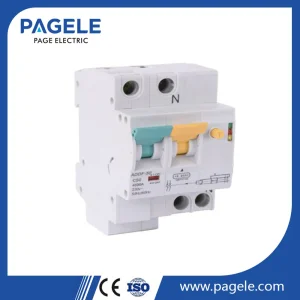
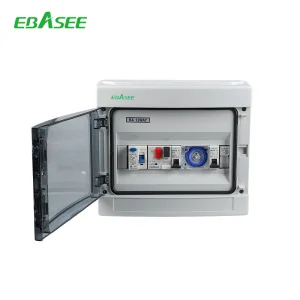
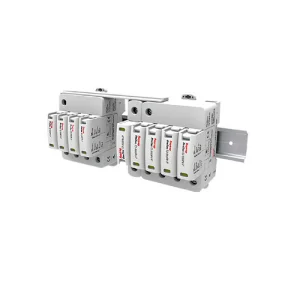
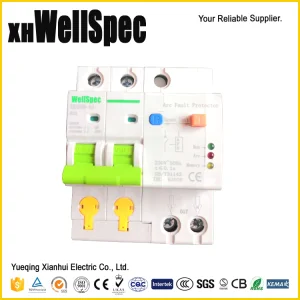
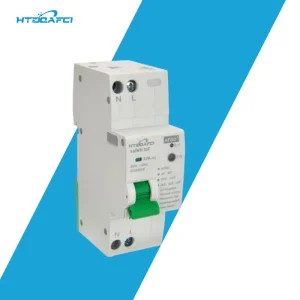
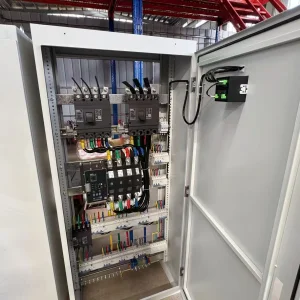
CE certified circuit breakers, solar combiner modules, and advanced residual current devices designed for global distribution and B2B systems integration.
In modern commercial electrical layouts and grid integrations, ground fault mitigation remains a key engineering benchmark. Ground Fault Circuit Interrupters (GFCI) and Residual Current Devices (RCD/RCBO) act as the primary defense against electrical fires and shock hazards caused by phase-to-ground faults.
Choosing the right equipment depends heavily on regional directives. In Europe and many IEC-aligned markets, safety standards are governed by CE certifications under the Low Voltage Directive (LVD) 2014/35/EU and the EMC Directive 2014/30/EU. B2B operators must verify that the devices meet exact threshold parameters, ranging from Class A (6mA) for residential damp-site applications to Type B/Type F (30mA - 300mA) protection for smart industrial installations with complex harmonic interference.
With the expansion of grid-tied photovoltaic networks, electric vehicle supply equipment (EVSE), and high-frequency power electronics, basic AC sensing is no longer enough. The market now requires smart devices with digital current sensing, high breaking capacities (up to 10kA), and continuous auto-monitoring.
Dedicated to the research, development, production, and innovation of high-quality solar accessories and low-voltage electrical protection products for the global renewable energy market.
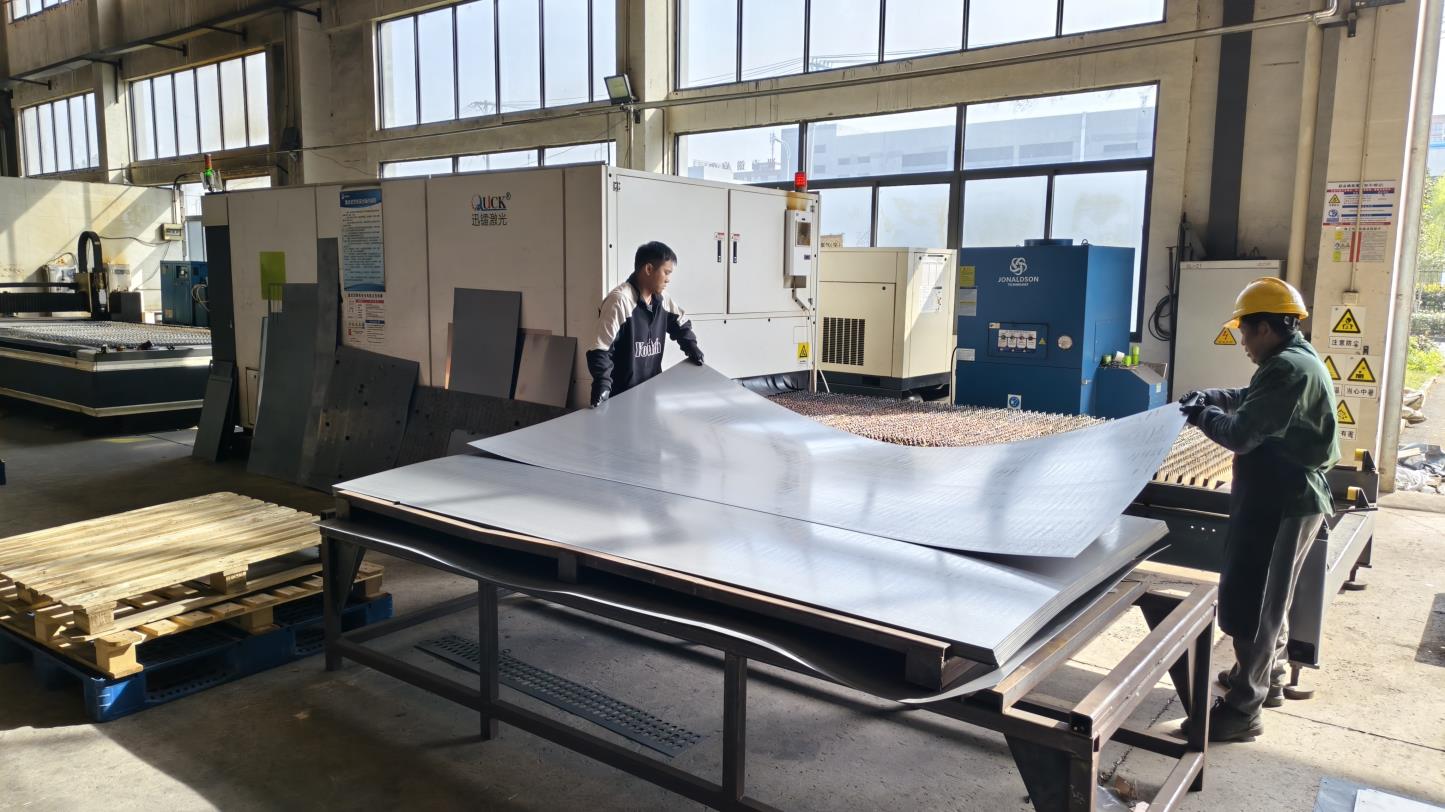
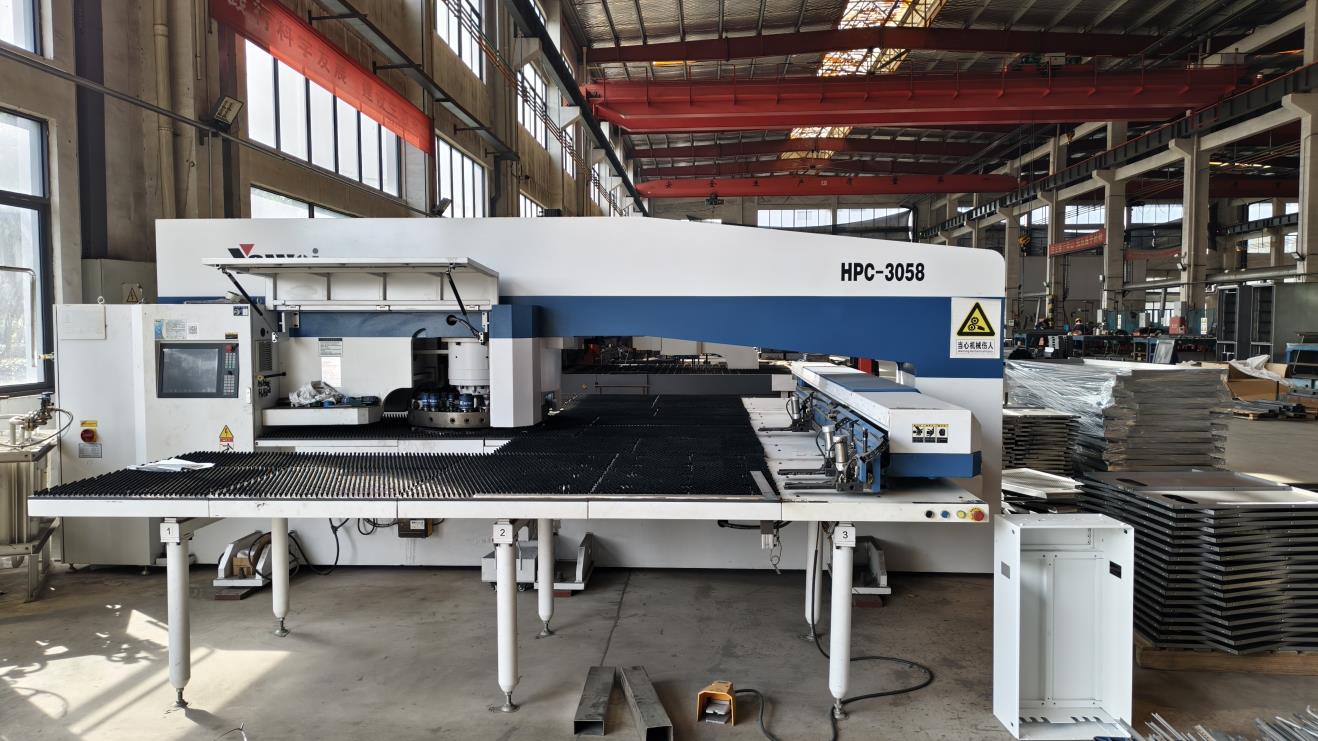
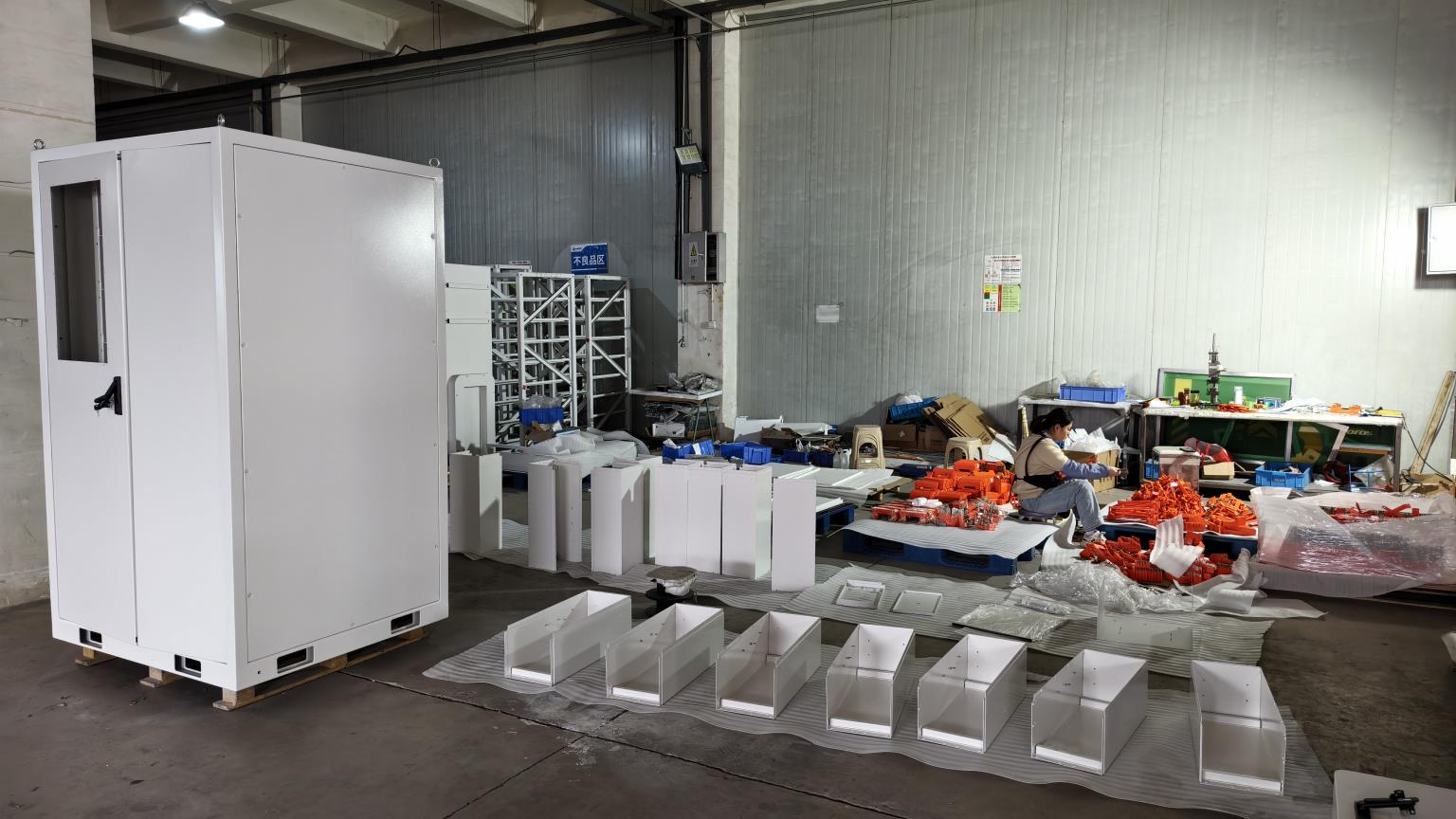
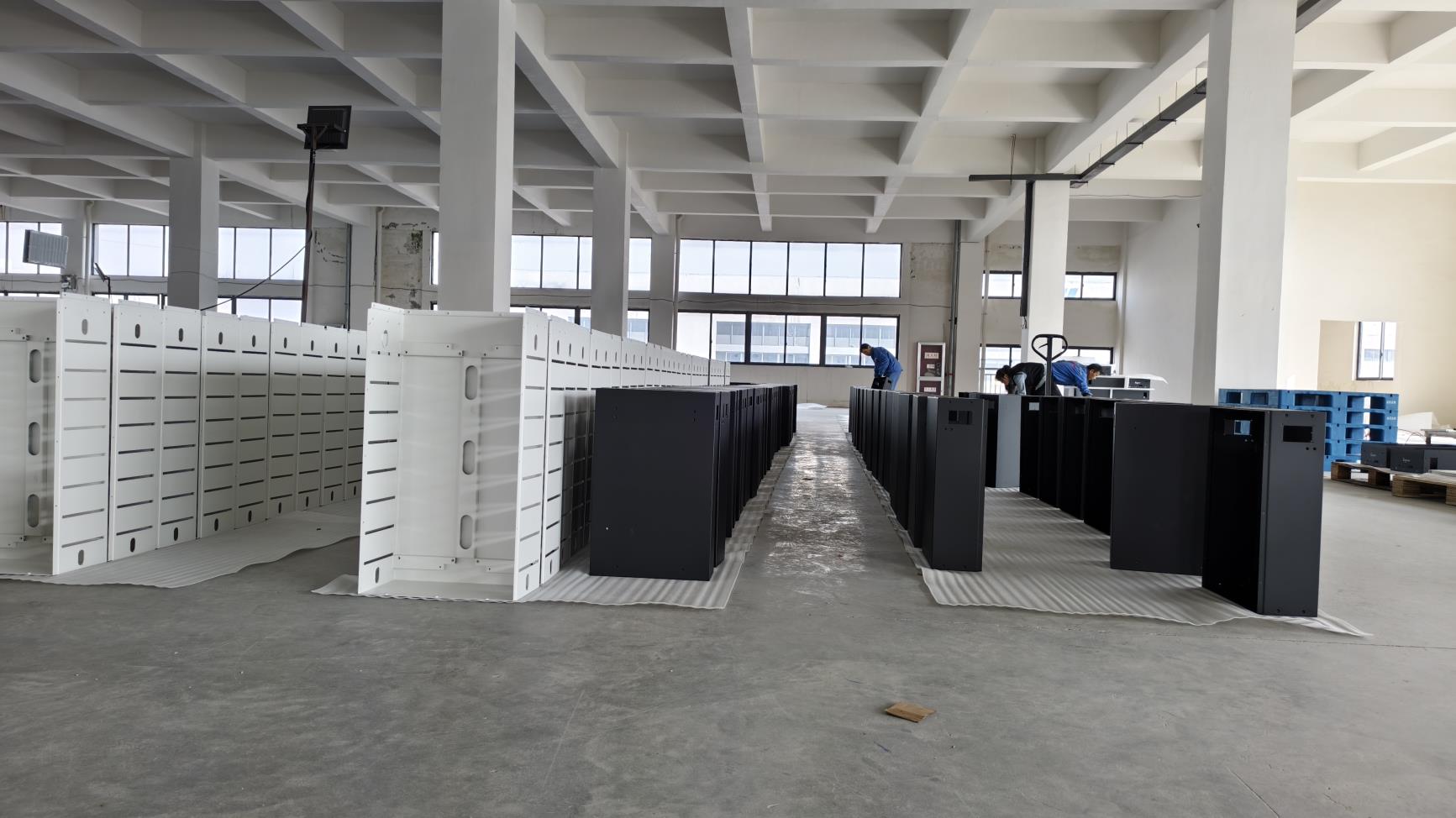
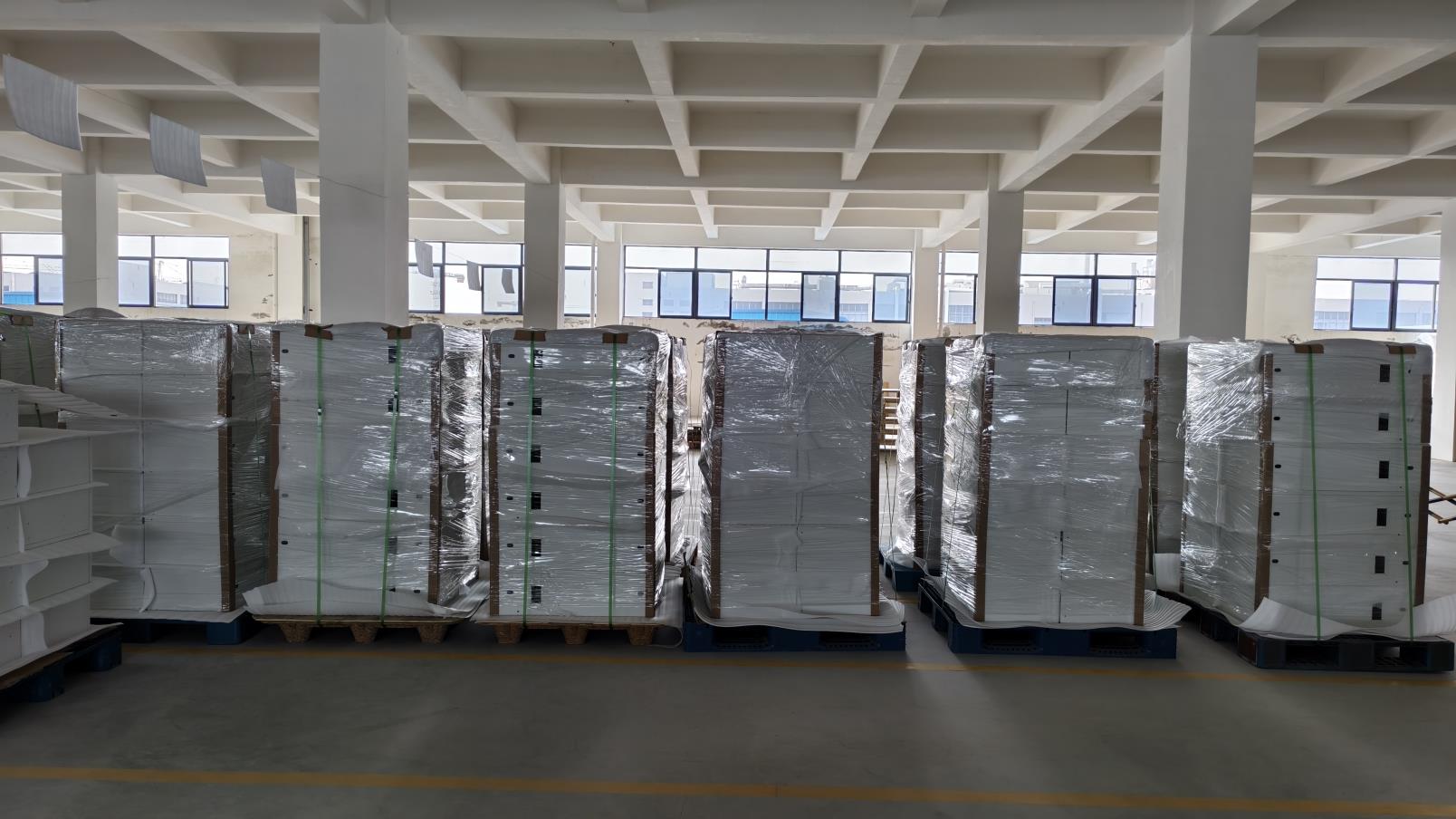
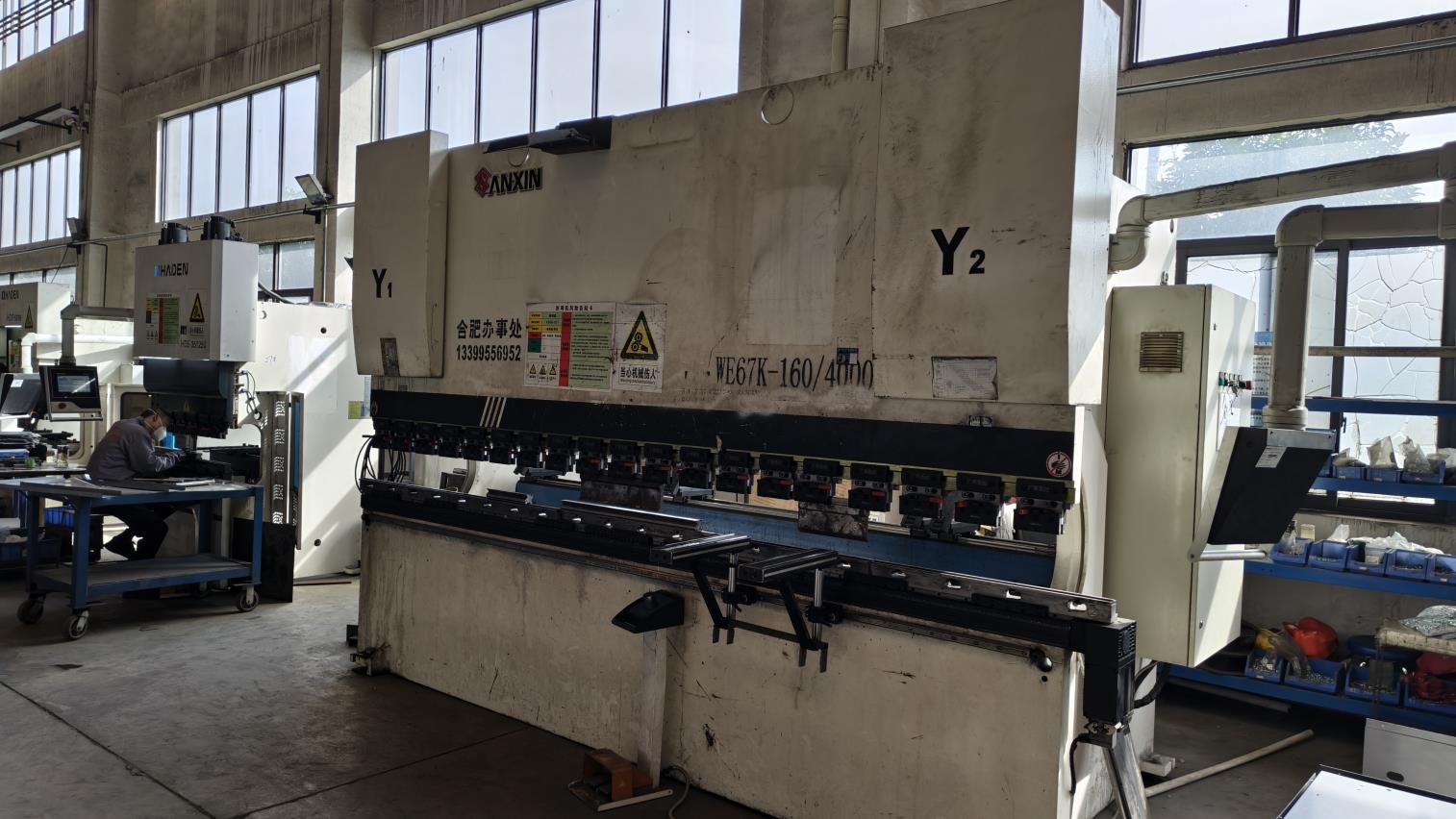
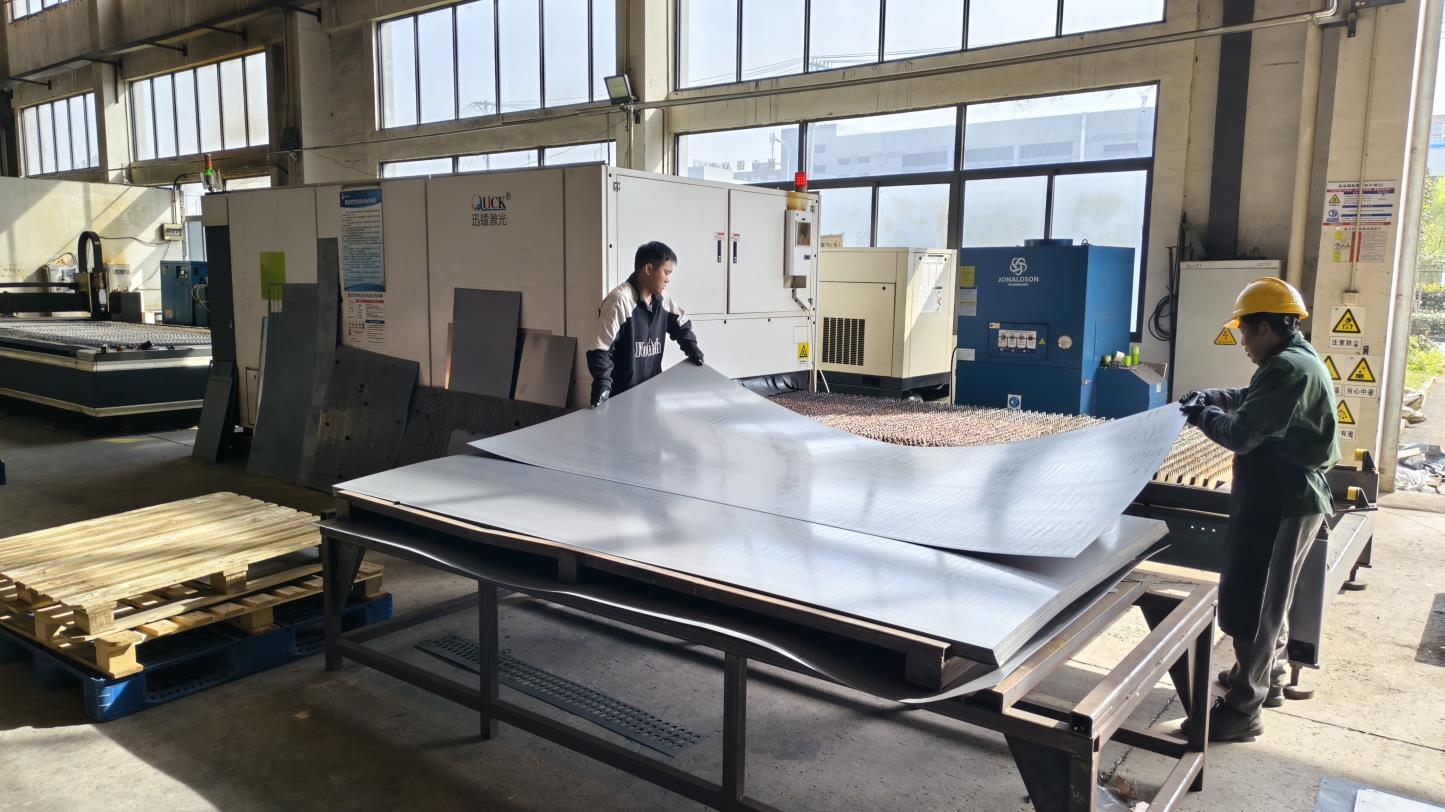
Our production facility covers over 11,500 square meters and runs 7 advanced production lines, utilizing more than 100 automated production machines. Staffed by 150+ skilled specialists, our operations handle large-scale global B2B supply, reaching an annual output value exceeding USD 20 million.
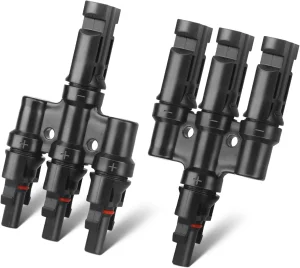
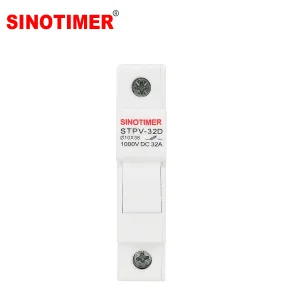
Phlox Energy is a key supplier of DC miniature circuit breakers (MCBs), surge protective devices (SPDs), photovoltaic fuses, solar connectors, DC isolator switches, combiner boxes, and residential/industrial electrical components. All items undergo comprehensive QA inspections in our ISO 9001:2015 facility. This guarantees safety, reliability, and long-term performance under demanding operating environments.
We hold international certifications including CE, TUV, IEC, and CB. Along with our strong distribution network, we offer customizable OEM and ODM solutions, helping partners launch competitive products globally.


A deep dive into regulatory evolution, commercial applications, and B2B requirements across international markets.
Different global jurisdictions follow distinct standards. UL 943 covers North America with strict Class A requirements (4-6mA ground fault threshold). In contrast, CE-certified systems in Europe and APAC follow IEC/EN 61008-1 and 61009-1 standards, which focus on comprehensive RCD and RCBO integration for broader industrial circuits.
The rise of solar PV systems and EV charging stations introduces DC residual current hazards. Standard AC ground fault sensors can suffer from "blinding" under DC leakage. Modern industrial settings require Type B RCD technology, capable of monitoring complex residual currents up to 2kHz and handling high frequency harmonics.
For industrial B2B operations, outages mean downtime. Selecting high-selectivity GFCI and RCBO protection prevents nuisance tripping. By isolating fault conditions only to the targeted circuit branch, the rest of the facility remains online, maintaining operational uptime.
| Standard Directive | Common Designation | Leakage Current Threshold | Target Application | Primary Regional Use |
|---|---|---|---|---|
| UL 943 (Class A) | GFCI Breaker | 4mA - 6mA (Trip time < 25ms) | Residential, Damp Sites, Outlets | North America, Latin America | IEC/EN 61009-1 | RCBO (Overcurrent + Leakage) | 30mA (Life safety) / 300mA | Commercial Light Industrial, Sub-distribution | Europe, UK, Australasia |
| IEC/EN 62423 | Type B RCD / GFCI | 30mA to 500mA (AC/DC multi-freq) | Solar PV Inverters, EV Charger Stations, VFDs | Global Industrial & Renewables |
How specialized low-voltage and DC components from Phlox Energy secure key commercial infrastructure.
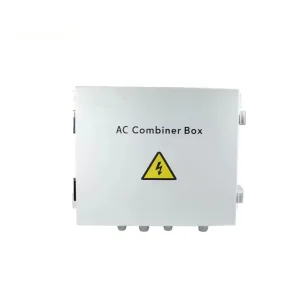
Solar installations generate high-voltage DC currents. A failure in insulation can cause dangerous ground faults. Phlox Energy manufactures Solar Combiner Boxes (1-in-1-out, 2-in-2-out up to 1000V), combining overcurrent protection fuses, DC isolators, and surge protectors. These systems isolate faults on the DC side before they reach the main power inverter, minimizing the risk of arc-flashes and operational interruptions.
Electric vehicle supply equipment (EVSE) converts AC to DC to charge vehicle batteries. In the event of an insulation breakdown, DC residual current can flow back into the AC distribution grid. Modern local electrical codes require the installation of Type B residual current breakers or matching sensor modules to handle smooth DC faults above 6mA, preventing upstream AC protections from failing to operate.
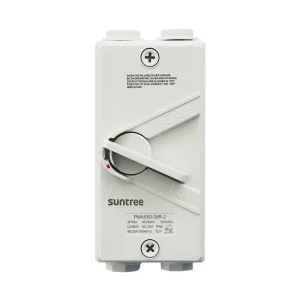
Industrial facilities like food processing plants, chemical labs, and outdoor agricultural setups need high IP-rated isolator housings. The integration of IP66 Waterproof Isolator Switches with dedicated ground fault breakers ensures safe isolation and disconnect under load, protecting operators from electric shock during regular plant washdowns.
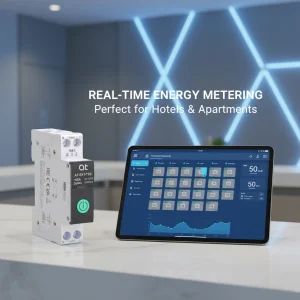
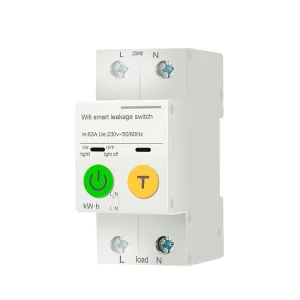
Building management systems (BMS) require real-time current telemetry. Using smart devices like the Tuya/Zigbee Smart Circuit Breakers lets facility teams run remote diagnostic loops, monitor load consumption, program automatic testing schedules, and immediately identify earth leakage faults via wireless networks.
Adapting to smart grids, solid-state circuit breakers, and predictive maintenance technologies.
The global low-voltage protective device market is transitioning from thermal-magnetic mechanics to digital, solid-state systems. The future of ground fault protection lies in two main trends:
Next-generation GFCI devices use digital signal processors (DSPs) to analyze leakage currents. By applying Fast Fourier Transforms (FFT), these controllers can distinguish between safe capacitive currents from EMI filters and hazardous resistive leakages. This reduces nuisance tripping in high-frequency industrial machinery.
Smart breakers communicate operational status to cloud dashboards. Automated self-testing, required by safety codes, can be scheduled and logged digitally. This provides facility managers with comprehensive compliance records and early warnings of degradation before a critical failure occurs.
Solid-state circuit breakers replace mechanical contacts with high-power semiconductors. These devices can interrupt fault currents in microseconds—up to 1,000 times faster than mechanical alternatives. This minimizes arc-flash energy, offering improved safety and durability.
Answering common technical questions on GFCI, AFCI, RCD technology, and installation compliance.
GFCI (Ground Fault Circuit Interrupter) detects imbalances in current between the hot and neutral conductors, primarily protecting personnel from electric shock (typically tripping at 4-6mA in North America).
AFCI (Arc Fault Circuit Interrupter) detects unintended electrical arcs, which are a primary cause of electrical fires, by monitoring current wave shapes.
RCD (Residual Current Device) is the European/IEC term for ground fault protection. It covers a broader range of tripping thresholds: 30mA for life safety and 100mA to 500mA for fire prevention.
Solar PV inverters and EV chargers utilize DC-DC and DC-AC converters. When an insulation fault occurs, it can produce a smooth, non-sinusoidal DC residual current.
Standard Type AC or Type A RCDs can be "blinded" by this DC leakage, saturating their magnetic sensing cores and failing to trip during a fault. Type B RCDs are designed to detect AC, pulsating DC, and smooth DC residual currents, ensuring protection in these environments.
Our CE-compliant devices undergo rigorous type tests under IEC/EN 61009 standards. These include testing for short-circuit breaking capacity, electromagnetic compatibility (EMC), thermal cycling stability, trip time limits across various leakage currents, and mechanical endurance tests. Each batch is traced via our ISO 9001 quality system, ensuring consistent safety standards.
Yes. Phlox Energy offers OEM and ODM services. We customize tripping parameters, auxiliary contacts, and current/voltage ratings. Additionally, we integrate communication protocols like Modbus, Zigbee, or Wi-Fi to meet specific design requirements.
Explore our full line of surge protective devices, smart breakers, fuses, and custom combiner boxes.
 Phlox Energy