China Wholesale Lightning Rods Manufacturer & Factory
Providing Globally Certified Direct Lightning Protection and Advanced Overvoltage Co-ordination Systems for Commercial, Industrial, and Utility Scale Infrastructure
Analysis of Global Standards, Advanced Materials Technology, and Down-conductor Coordination Systems for Industrial Infrastructure.
1. Direct Strike Mitigation & The Physics of Grounding
Modern industrial sites demand more than simple lightning attraction; they require holistic lightning path routing. The physics of direct strikes dictate that a lightning rod (or air termination system) must create a predictable, highly conductive pathway to dissipate hundreds of kiloamperes securely into the earth. Wenzhou Phlox Energy Co., Ltd. builds upon a decade of expertise in low-voltage surge components and high-capacity electrical connections to design systems capable of withstanding extreme thermal stress.
The efficiency of a structural lightning system relies heavily on minimizing impedance. As a specialized manufacturer, we implement optimized physical geometries and high-grade materials (such as electrolytically pure copper and premium stainless steel alloys) to withstand the massive kinetic and thermal shocks associated with IEC Class I and Class II lightning impulses.
"True protection is achieved when external air termination rods work in flawless synchrony with internal type-coordinated Surge Protective Devices (SPDs). A break in this coordination loop results in immediate system destruction."
11,500+
Sqm Facility Area
7+
Automated Lines
$20M+
Annual Output Value
3,900+
Solar Projects Completed
2. Production Excellence & Structural Manufacturing Process
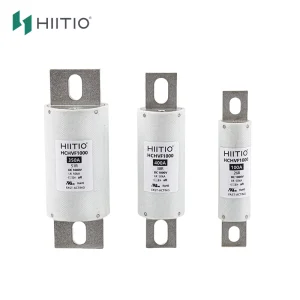
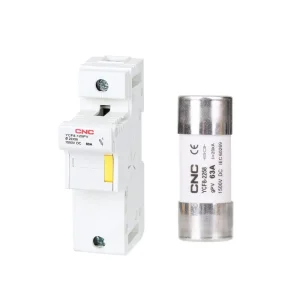
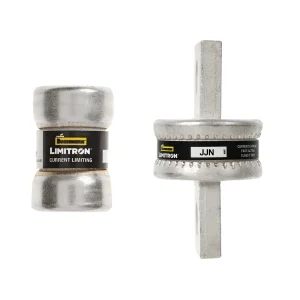
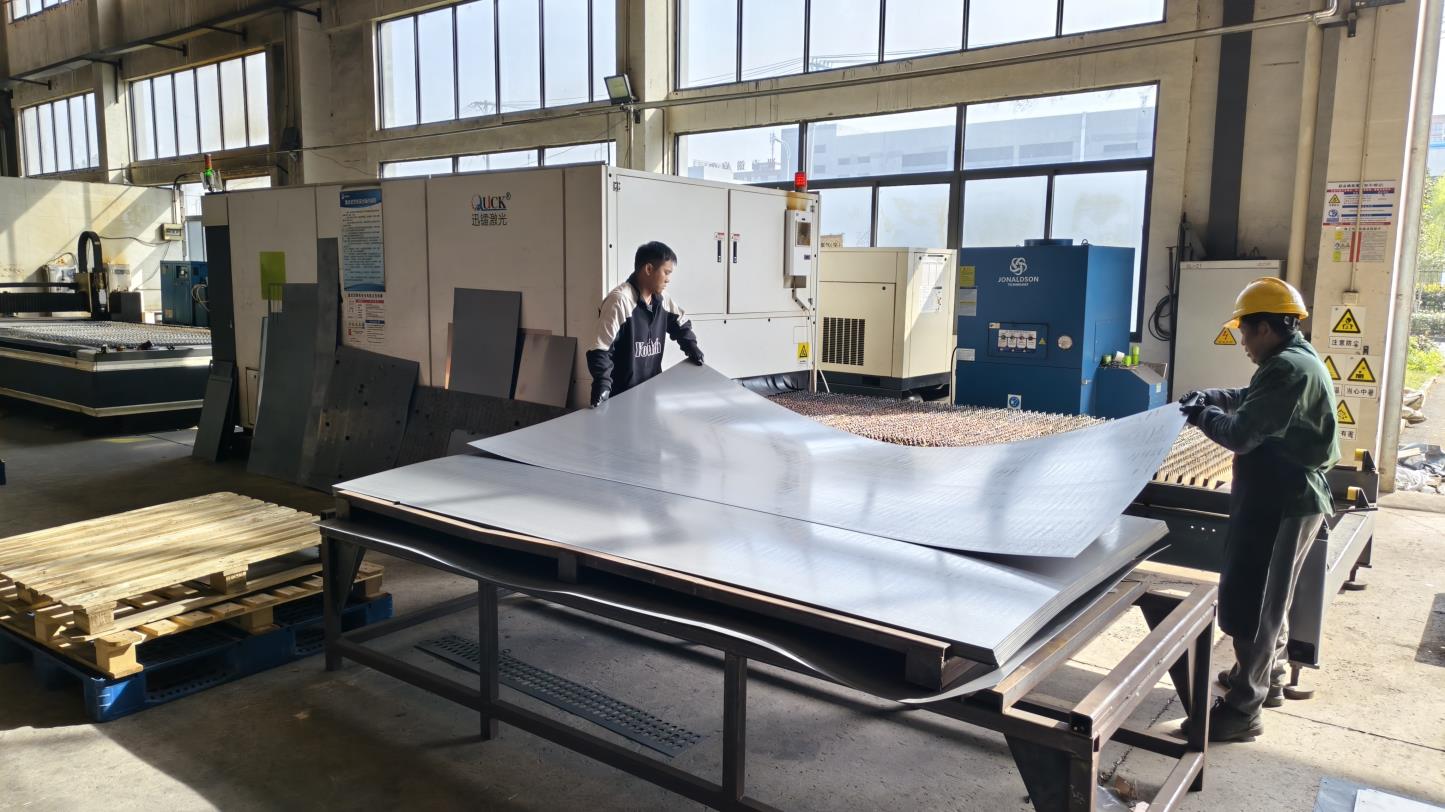
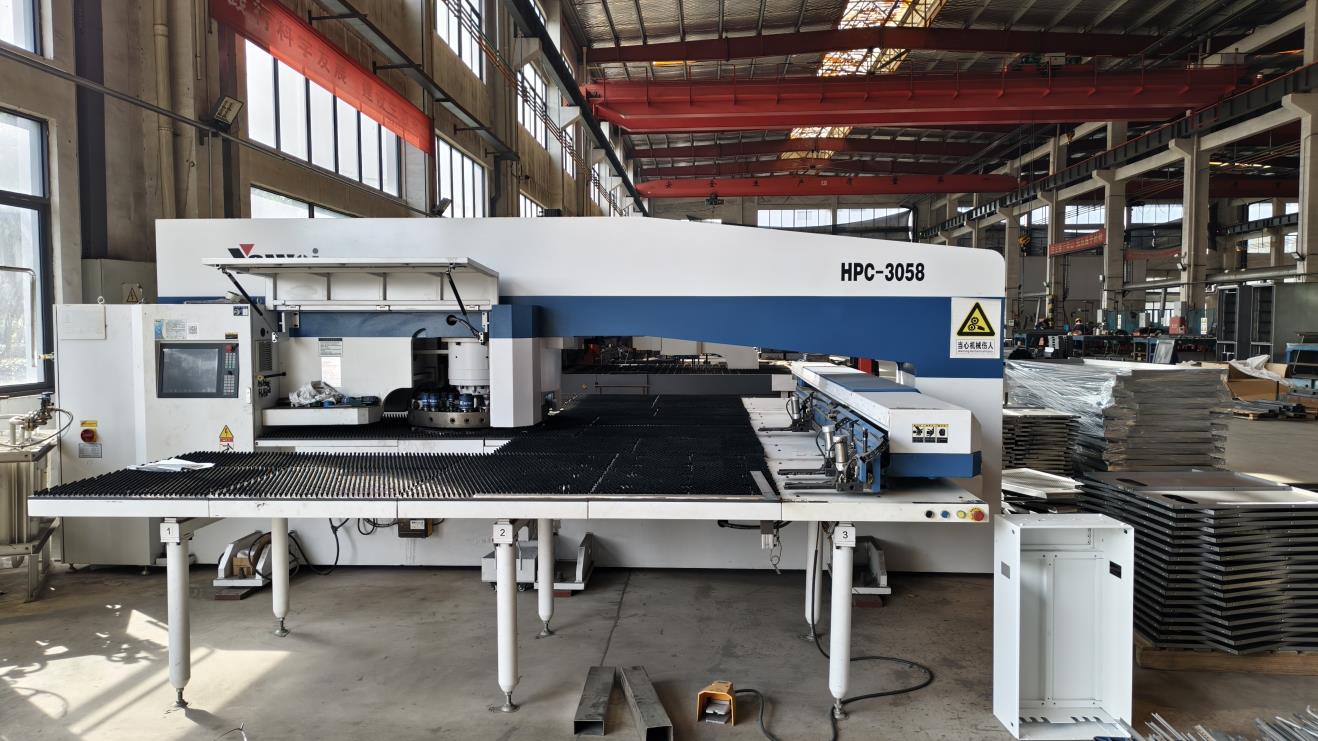
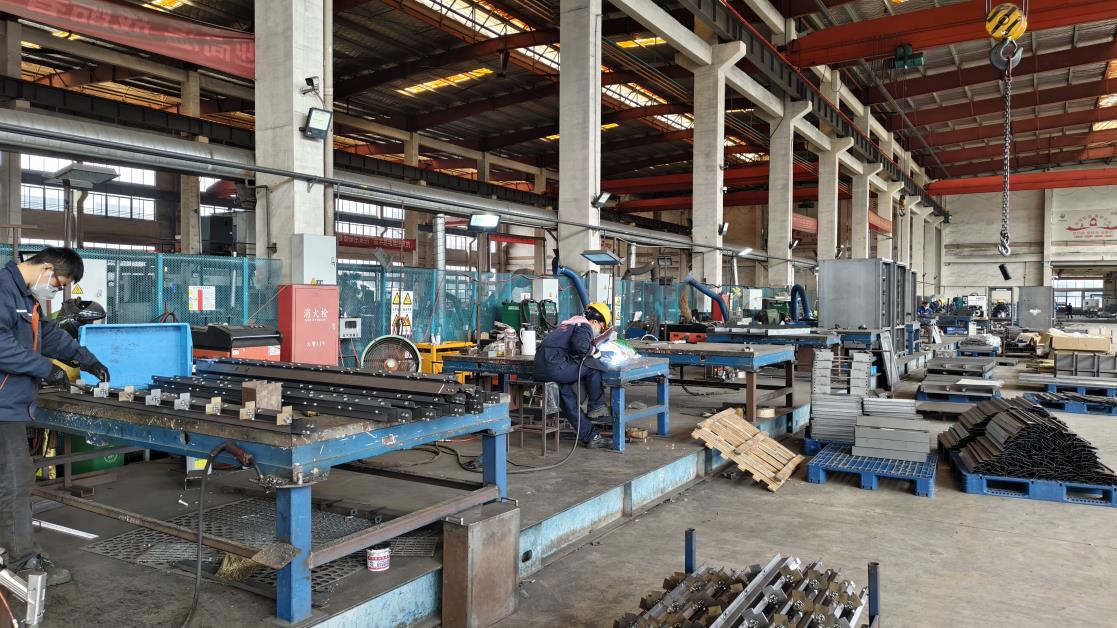
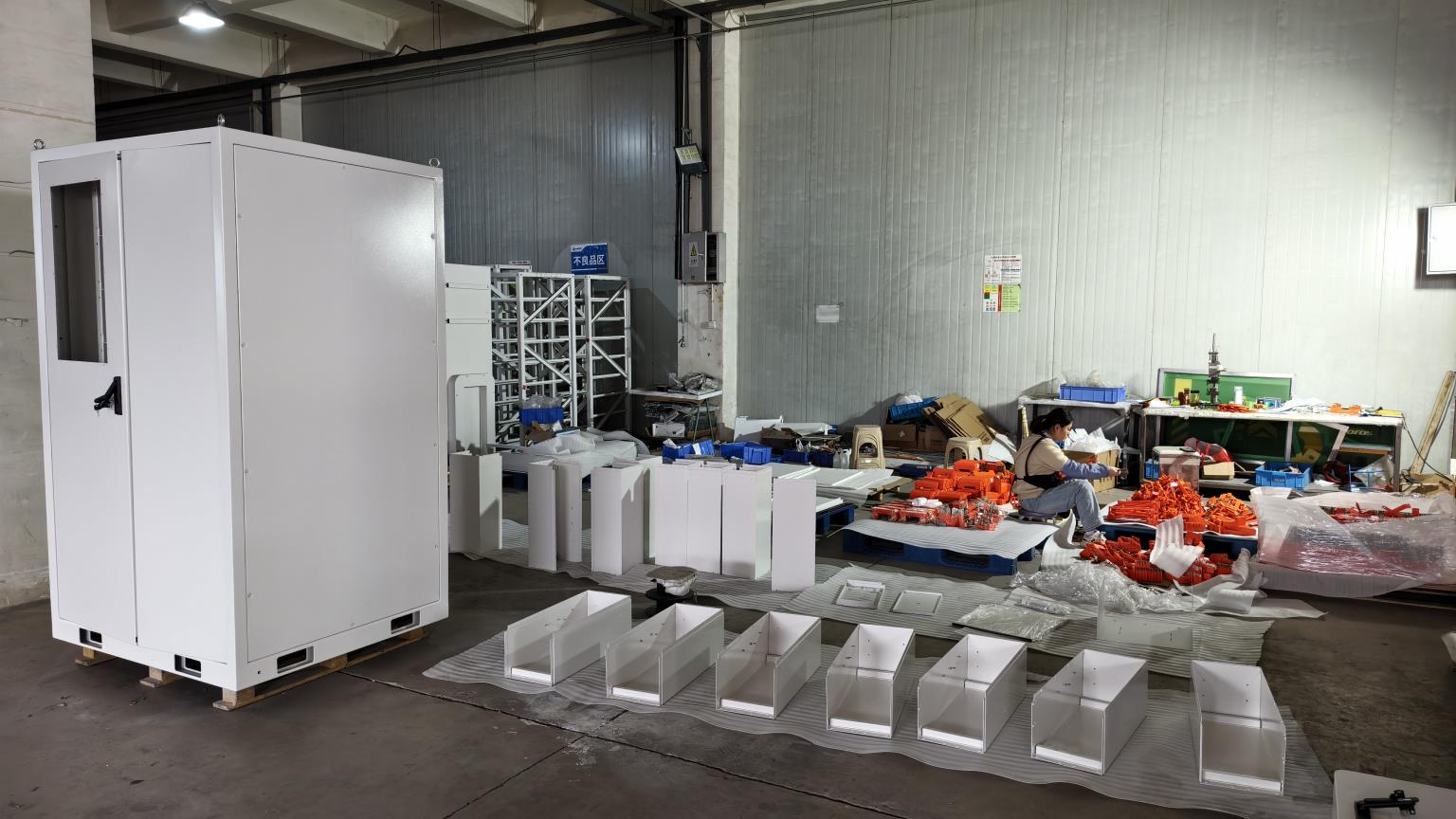
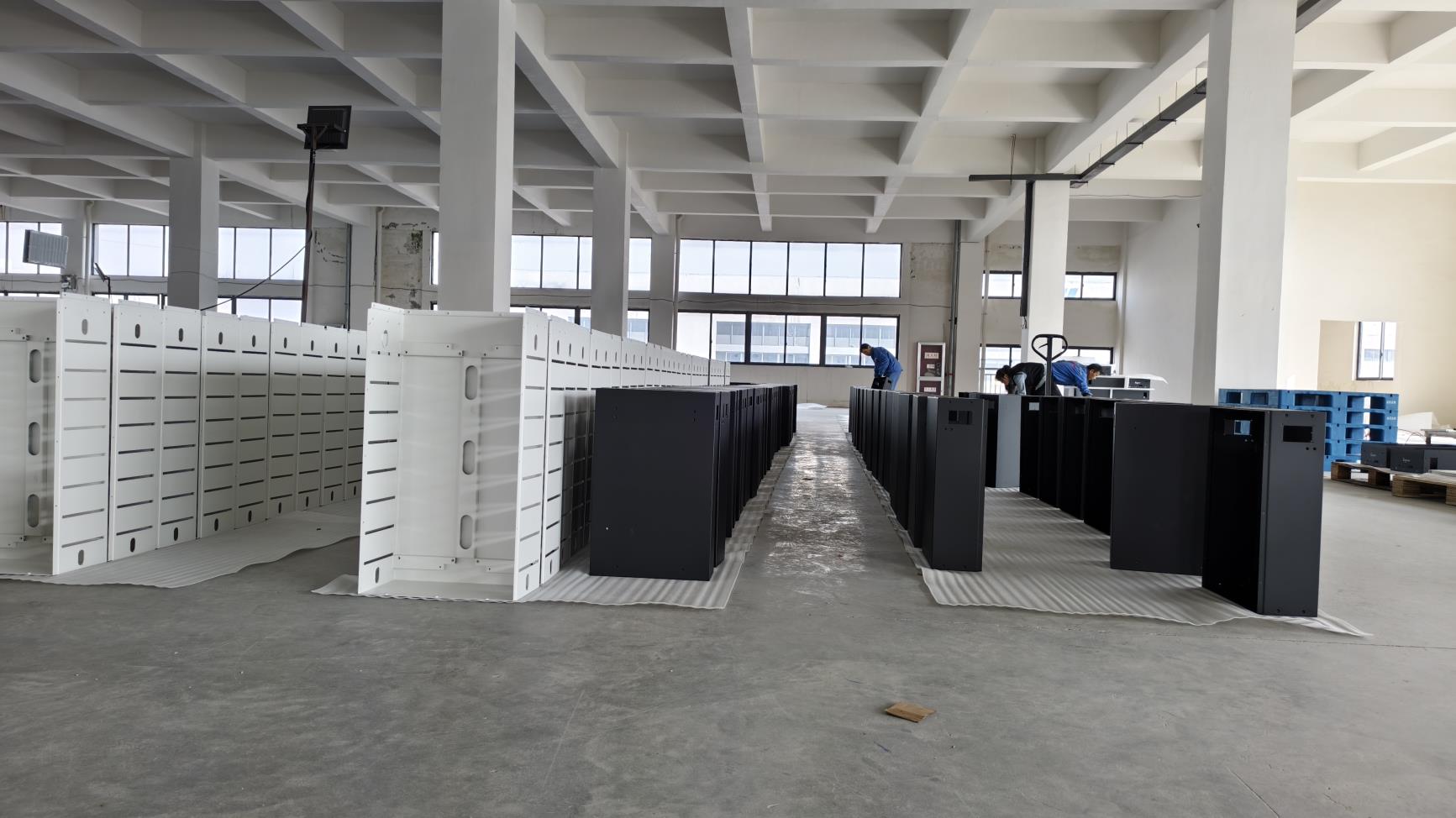
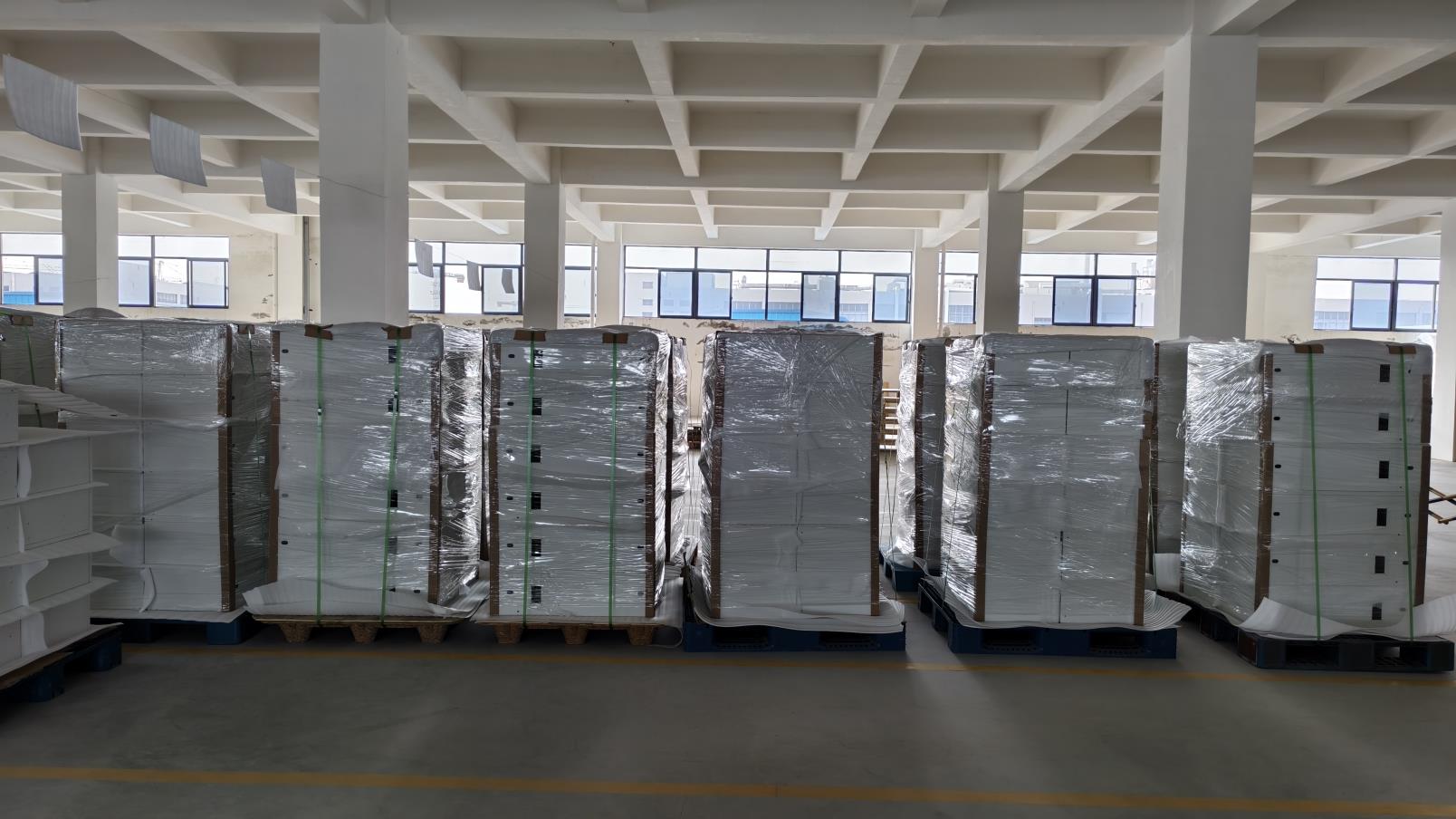
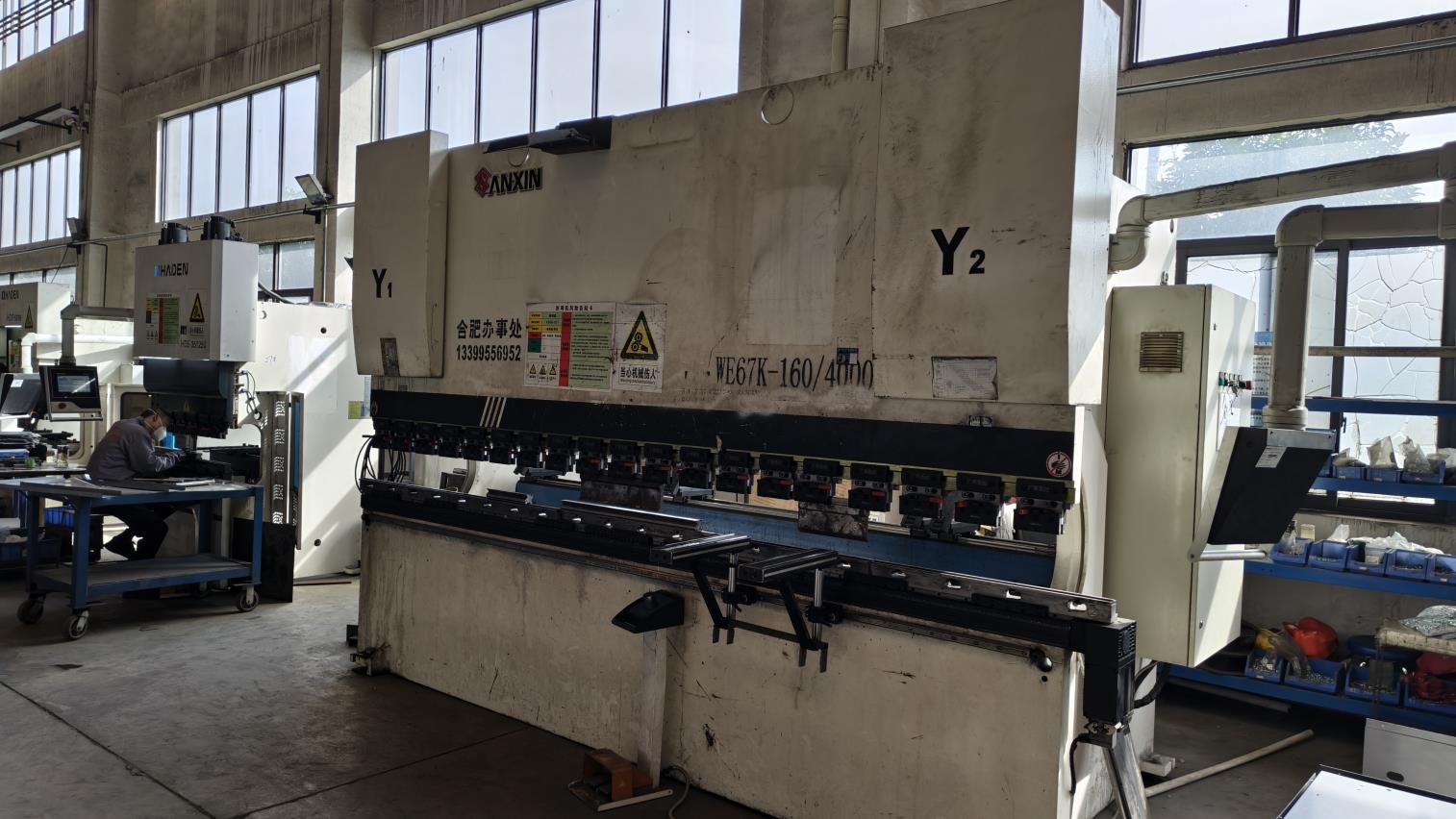
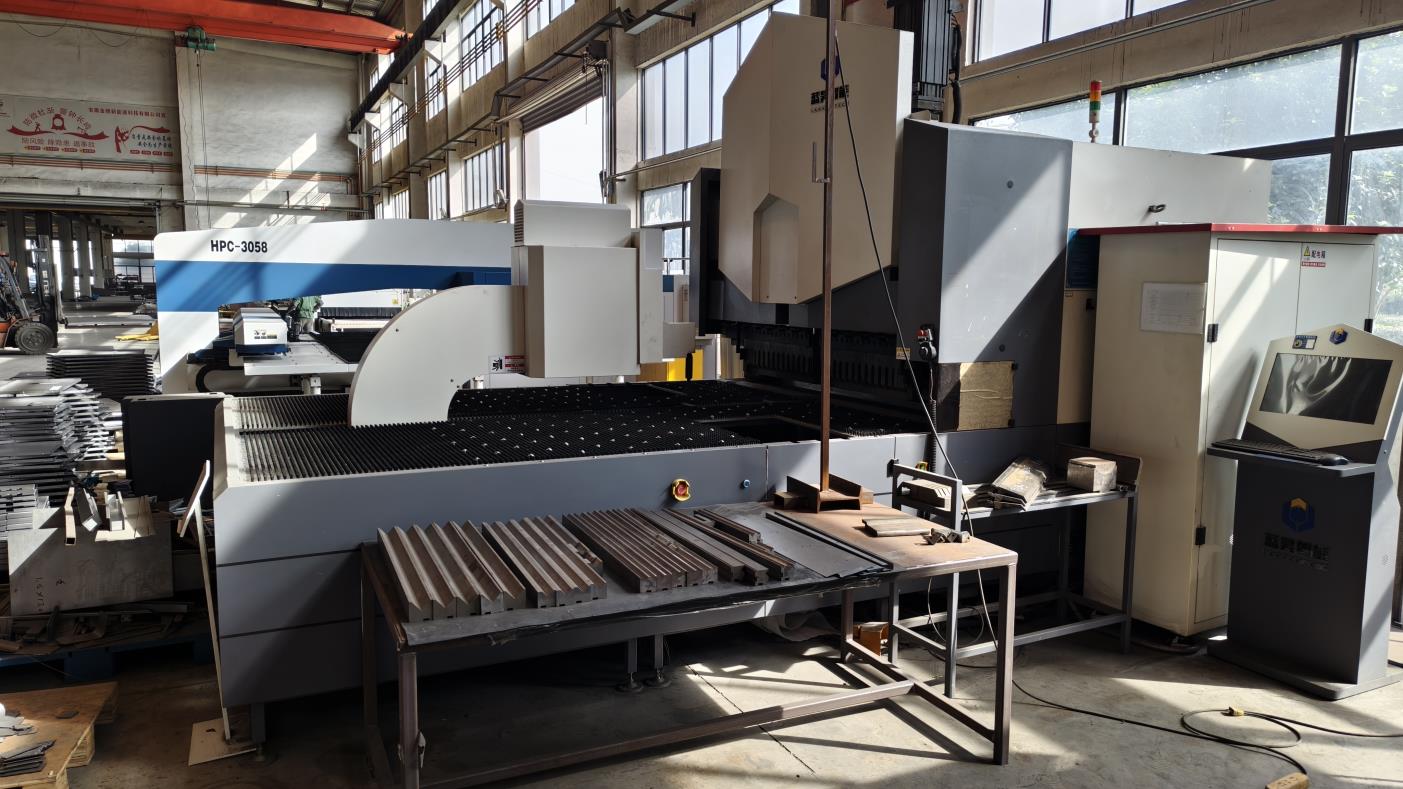
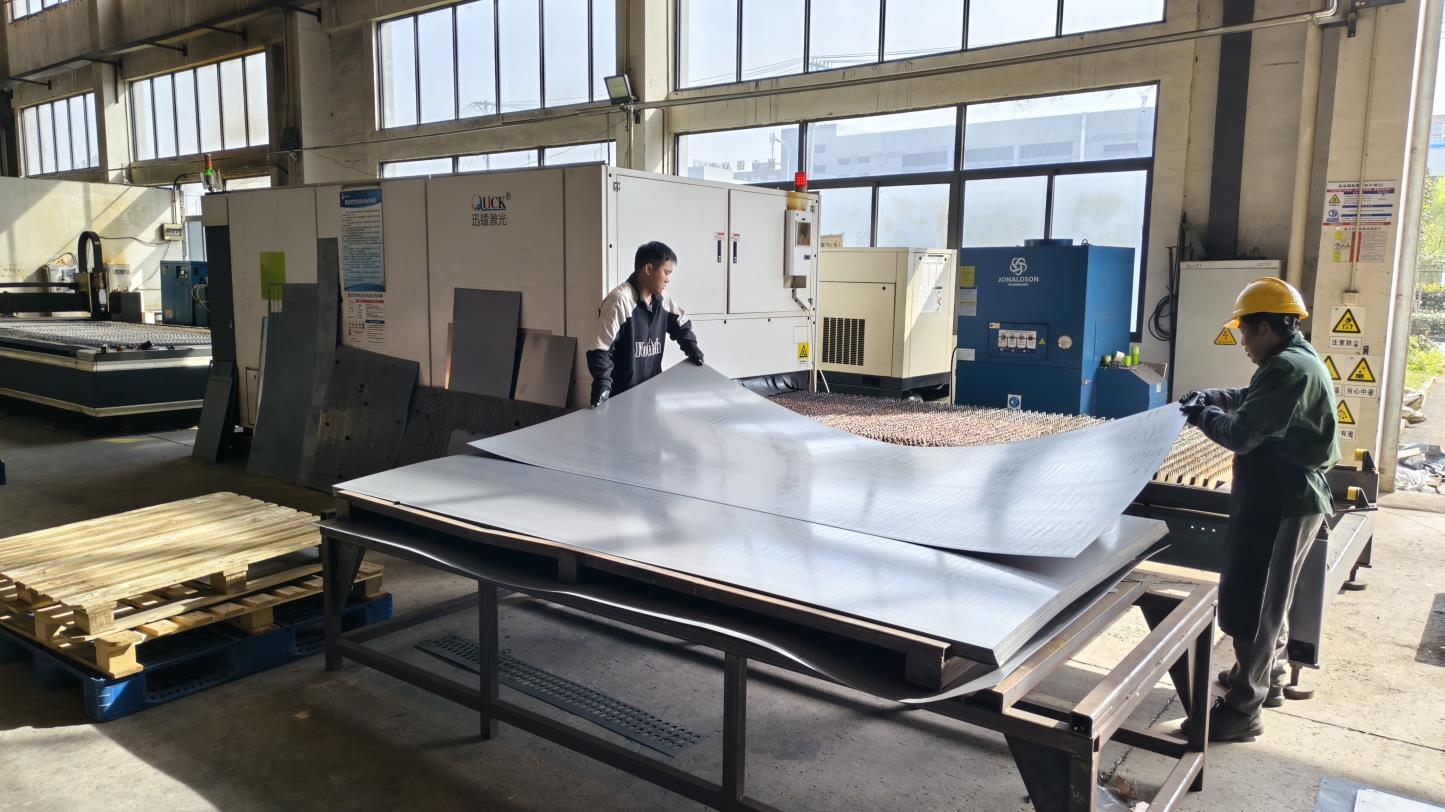
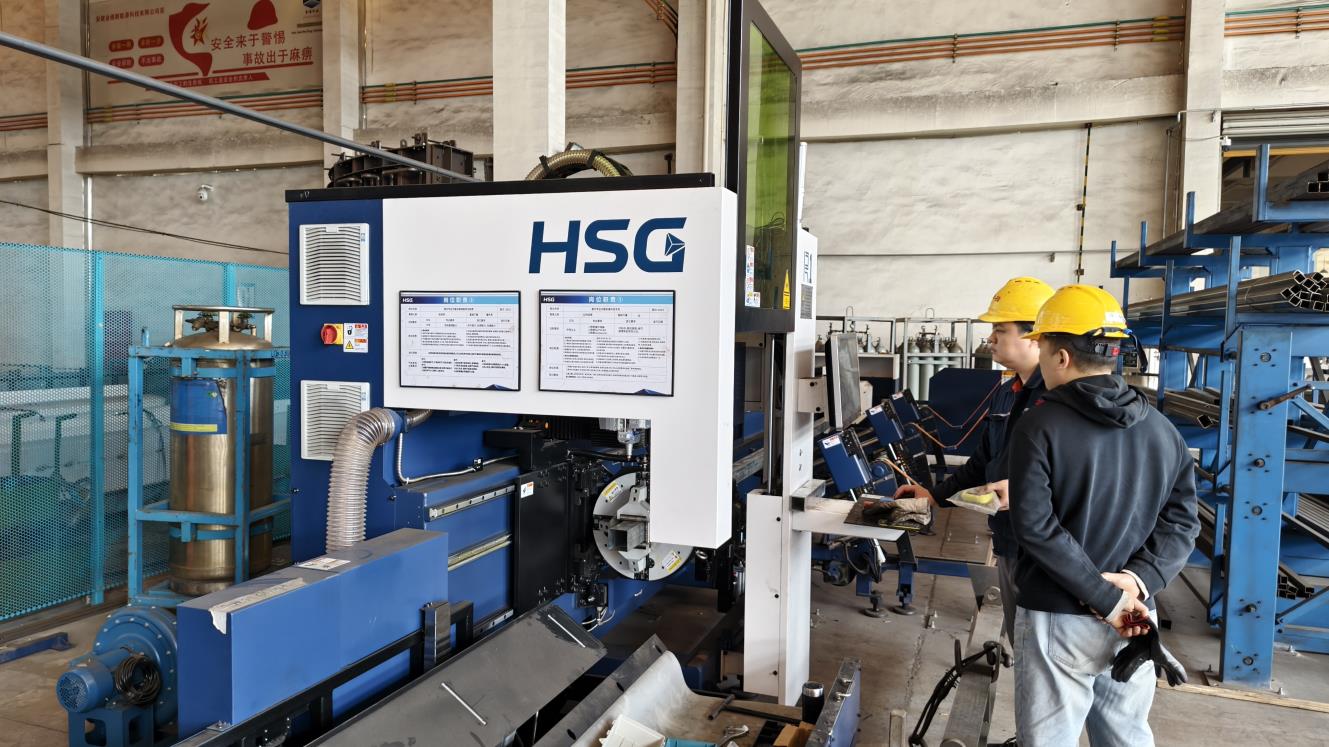
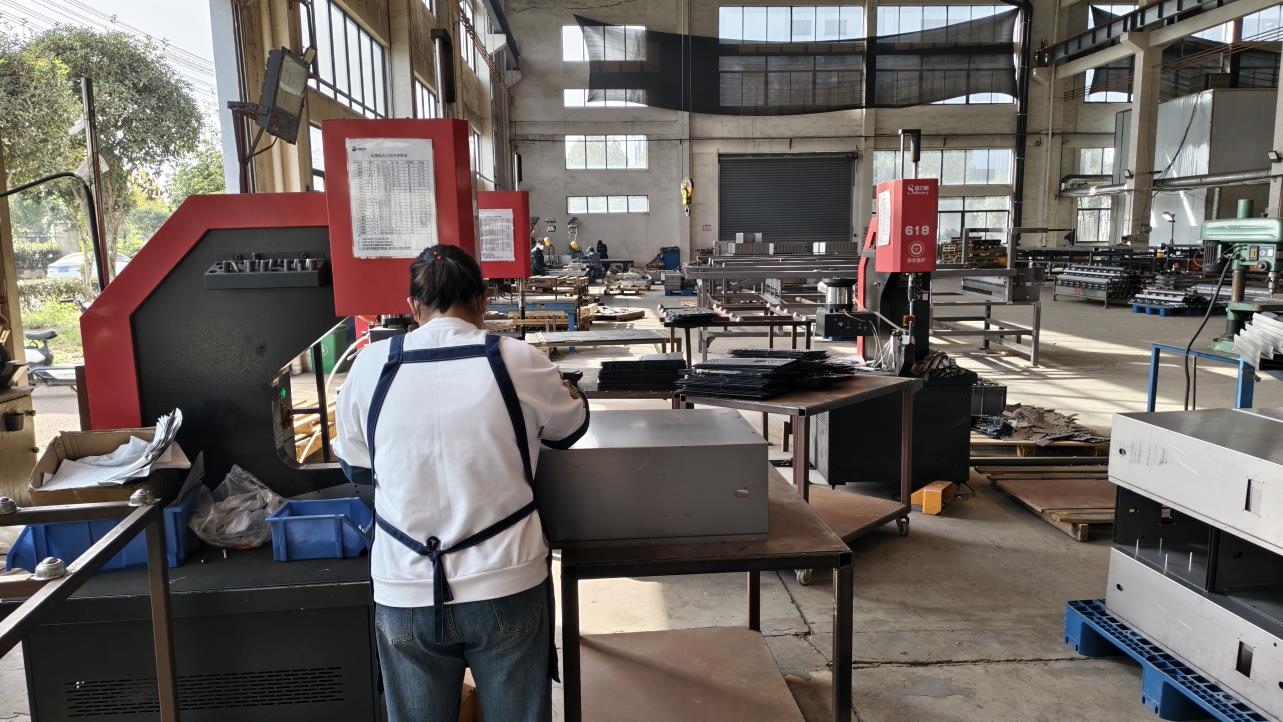
Operating out of Wenzhou, China, our advanced facility runs 7 dedicated manufacturing lines equipped with laser cutters, precision bending machines, automated welding networks, and stringent testing rigs. Here, raw raw materials are transformed into specialized distribution equipment, high-performance DC fuses, and protective gear. Our ISO 9001 certified workflow guarantees traceabilty from the initial cutting phase to the finalized packaged units.
Laser Cutting
Bending
Welding
Assembling
Packing
Warehouse
Bending Machine
CNC Bending Machine
Laser Cutting Machine
Laser Tube Cutting Machine
Riveting Machine
3. Evolving Global Procurement Trends & Demand Dynamics
The global demand for structural and system-wide lightning protection has shifted dramatically from localized standard solutions to highly integrated systems. Leading EPC contractors, power utilities, and global distributors now require manufacturers to supply not just basic rods, but complete co-ordinated architectures. Factors driving this transition include:
Climate Extremes: Increasing frequency and severity of lightning storms globally demand robust direct strike terminals with higher thermal capabilities.
Renewable Energy Proliferation: Gigawatt-scale solar installations and wind farms present massive, highly exposed targets. They require dedicated protection that can withstand harsh outdoor conditions.
Digital System Sensitivity: The rise of IoT sensors, smart grids, and automated factory machinery has reduced the system tolerance for transient overvoltages.
B2B buyers prioritizing E-E-A-T look for factories that can prove material consistency, such as providing UL-certified and CE-marked components that operate under extreme wind load and corrosion conditions.
An effective lightning protection scheme operates in multiple zones based on the Lightning Protection Zones (LPZ) concept specified in standard IEC 62305:
LPZ 0A: Zone outside the building subject to direct lightning strikes and the full electromagnetic field. Terminal rods operate here.
LPZ 0B: Zone protected against direct strikes, but subject to full electromagnetic fields.
LPZ 1: Internal zone protected against direct strikes, where surges are limited by Type 1 SPDs at the service entrance.
LPZ 2+: Internal zones where residual surges are clamped further by Type 2 and Type 3 devices to protect delicate microprocessors.
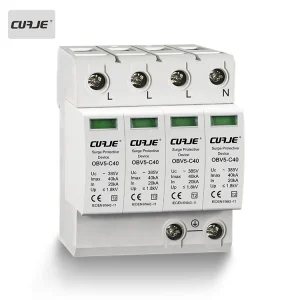
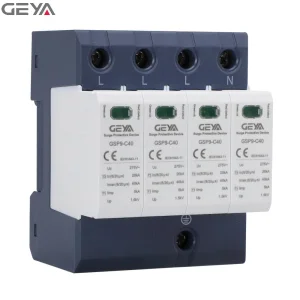
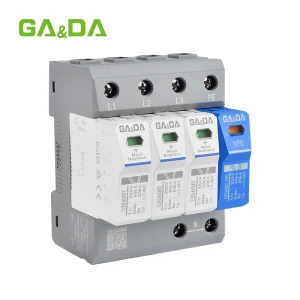
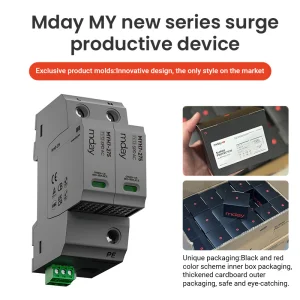
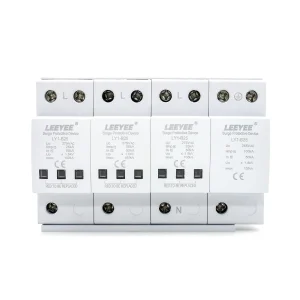
Wenzhou Phlox Energy offers products engineered precisely for these zones. From raw lightning terminal components to DIN-rail mounted surge arresters, our designs focus on matching current carrying capacity (Iimp) and low residual voltage levels (Up) for optimal electrical safety.
5. Future Technical Roadmap: Smart Lightning Protection Systems (2025-2030)
The next frontier in system protection is the integration of diagnostic technology directly into grounding and diversion pathways. Future structural lightning rods will incorporate IoT-enabled discharge counters and continuous earth resistance monitoring systems. These tools will alert operators when grounding soil conditions degrade or when a system needs maintenance after a strike.
Additionally, advances in metallurgy will lead to components that are lighter and more resistant to chemical wear, ensuring reliable performance in harsh coastal and industrial environments.
Knowledge Base
Frequently Asked Technical Questions
What is the difference between direct lightning protection and surge protection?
Direct lightning protection (such as lightning rods and down-conductors) intercepts the lightning flash and routes the current safely to the ground. Surge protection devices (SPDs) protect electrical systems from the induced transient overvoltages caused by nearby strikes or power switching events.
Which standards apply to global lightning protection installations?
The primary international standards are the IEC 62305 series, which covers risk management, structural damage, and electrical system protection. In the US, NFPA 780 and UL 96A govern installations. Wenzhou Phlox Energy products conform to CE, TUV, IEC, and ISO 9001 guidelines.
What materials are best suited for high-corrosion industrial environments?
For chemical plants or coastal solar arrays, Marine Grade 316 Stainless Steel or hot-dip galvanized steel components are recommended. These materials prevent galvanic corrosion and oxidation that can degrade electrical continuity.
How does an ESE (Early Streamer Emission) system differ from a traditional Franklin Rod?
An ESE rod uses built-in ionization components to generate an upward leader sooner than a traditional rod. This extends the effective radius of protection, making it ideal for covering larger open areas like solar parks.
Why is coordination between Type 1 and Type 2 SPDs critical?
Type 1 SPDs handle high-energy impulses (typically 10/350 µs waveform) at the main entrance, while Type 2 SPDs clamp the remaining lower-energy overvoltages (8/20 µs waveform) closer to the equipment. Without proper coordination, a Type 2 device can become overloaded and fail prematurely.
 Phlox Energy