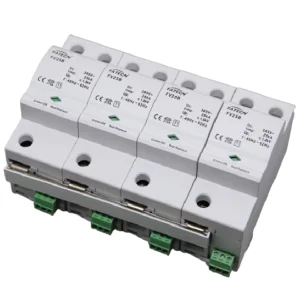
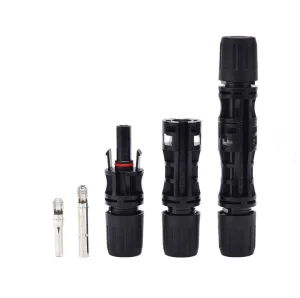
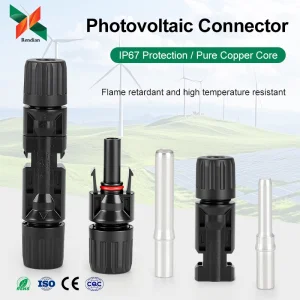
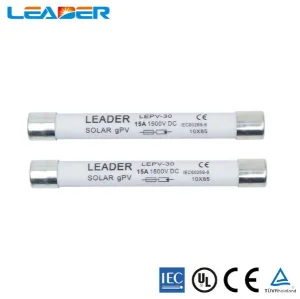
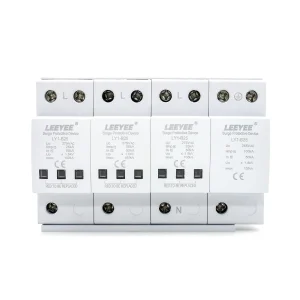
Discover our primary lineup of intelligent switches, solar PV components, high-durability fuse holders, and lightning protectors engineered for industrial grid performance.
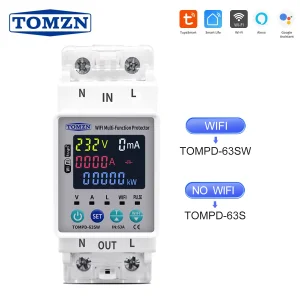
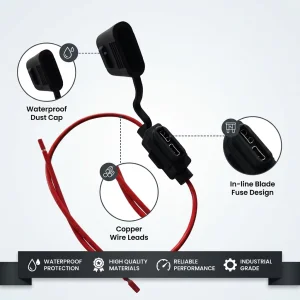
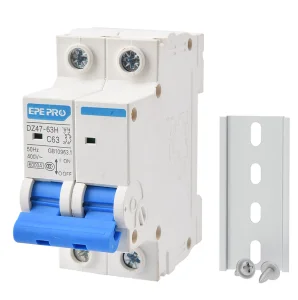
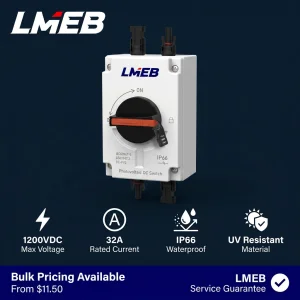
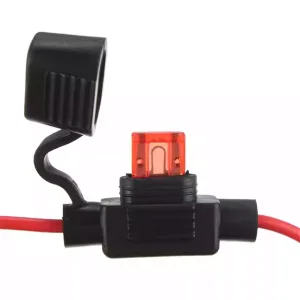
In modern electrical engineering, the ammeter is no longer just a passive pointer-on-dial device. It has evolved into a highly integrated component of telemetry, smart energy monitoring systems, and utility-scale solar installations.
From the early days of analog moving-iron and moving-coil meters, the technology behind electrical current measurement has shifted toward high-performance digital architectures. As power demands escalate globally—catalyzed by the rapid deployment of utility-scale solar photovoltaic (PV) facilities, electric vehicle charging infrastructures, and smart cities—accurate, real-time current telemetry is essential. Modern ammeters are often embedded within complex circuit protection devices, providing real-time data to help operators balance loads, prevent overcurrent faults, and calculate system efficiency.
The transformation is driven primarily by the transition from analog shunt resistance technologies to non-intrusive current measurement techniques. Hall-effect sensors, Rogowski coils, and integrated current transformers (CTs) now allow for isolated, high-precision detection of both alternating current (AC) and direct current (DC) signals. These modern instruments operate across broad temperature profiles while retaining their calibration, which is a major factor in remote solar installations where thermal cycling and mechanical stressors are extreme.
Integration of protocols like Wi-Fi, Zigbee, Modbus, and LoRaWAN allows modern ammeters and smart breakers to push telemetry metrics to centralized cloud monitoring software (such as Tuya or SCADA platforms), facilitating proactive grid maintenance.
With PV power systems migrating from 1000V systems up to 1500V topologies to minimize transmission resistance losses, current measurement devices have adapted to offer high galvanic isolation and precise DC monitoring under severe voltages.
Edge computing algorithms built directly into modern metering ICs analyze current wave forms to isolate harmonics, detect arc-faults, and predict components nearing failure long before an overcurrent event forces a shutdown.
Engineering Procurement Contractors (EPCs) and wholesale electrical distributors encounter unique operational barriers when sourcing ammeters and solar-protection equipment internationally.
Purchasing components from offshore factories requires a deep assessment of technical compatibility, regulatory compliance, and raw material longevity. In large-scale renewable projects, minor component variations can lead to significant generation bottlenecks or safety hazards. For instance, in solar combiner boxes, mismatched current profiles or substandard fuses can lead to thermal runaway under high-ambient operating conditions.
Experienced global buyers look for strategic partners that offer more than basic manufacturing. The partner must provide verified documentation, including certifications (CE, TUV, IEC, CB, ISO 9001), structural designs capable of resisting high environmental temperatures (IP66, IP68 protection ratings), and comprehensive quality testing. Reliability over time is the standard metric. A high-quality ammeter and protection device manufacturer should guarantee performance stability for upwards of 15 years to match the lifetime cycle of solar installations.
| Procurement Requirement | Critical Engineering Metric | Phlox Energy Solutions & Standards |
|---|---|---|
| System Thermal Performance | Operational Range: -40°C to +85°C | Tested PVC+TPV and high-grade insulation housings with excellent thermal coefficients. |
| High Voltage Tolerance | DC 1000V / 1200V / 1500V | Dedicated 1500V fuses, switches, and custom smart combiner boxes. |
| Ingress Protection | IP65, IP66, and IP68 | Robust outdoor isolators and waterproof inline fuse holders with brass/nickel plated terminals. |
| Quality Certifications | IEC, CE, TUV, CB, ISO 9001 | 100% compliance across all production lines; comprehensive pre-shipment tests. |
How integration of current measurement components inside clean energy distribution systems helps developers build safer, more reliable grids.
Modern commercial PV designs rely on intelligent string monitoring to keep operating costs low. By integrating an ammeter or smart current transformer at the string level, operators can trace the exact generation rate of each panel row. This setup allows technicians to quickly spot dirt buildup, micro-cracks, or failing bypass diodes, preventing them from dragging down the production of the entire string.
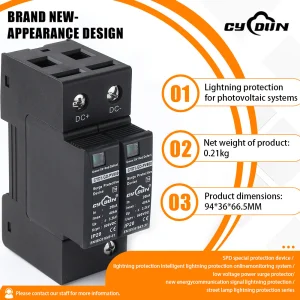
Furthermore, when integrated with smart switchgears and surge protectors, real-time current diagnostics allow for fast isolations. If a lightning strike or grid fluctuation occurs, surge protective devices (SPDs) and miniature circuit breakers (MCBs) work in tandem with current sensors to shut down sensitive paths within milliseconds. Wenzhou Phlox Energy Co., Ltd. specializes in this cohesive ecosystem, supplying everything from the raw solar cable connectors and high-voltage fuses to customized combiner boxes that house these measurement and safety systems.
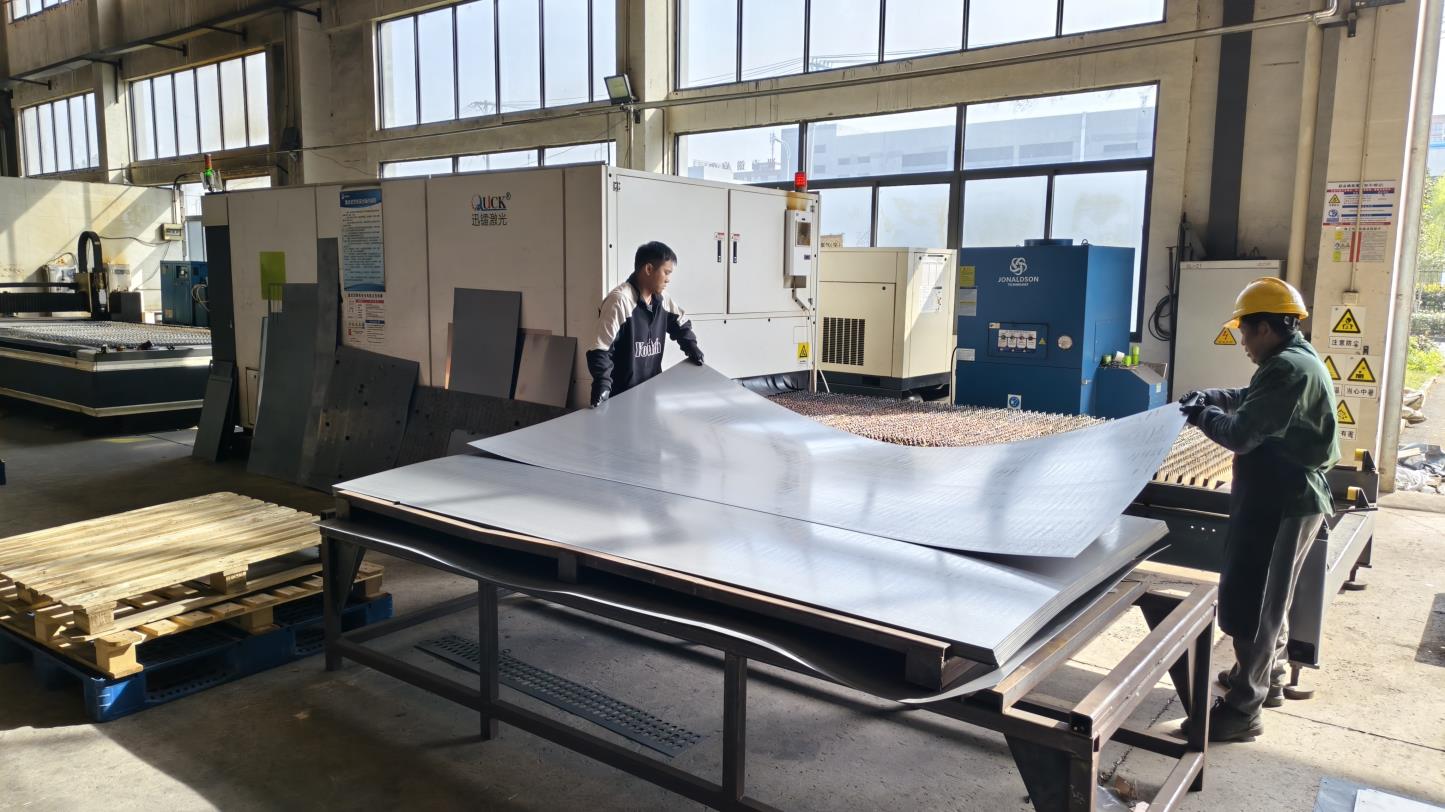
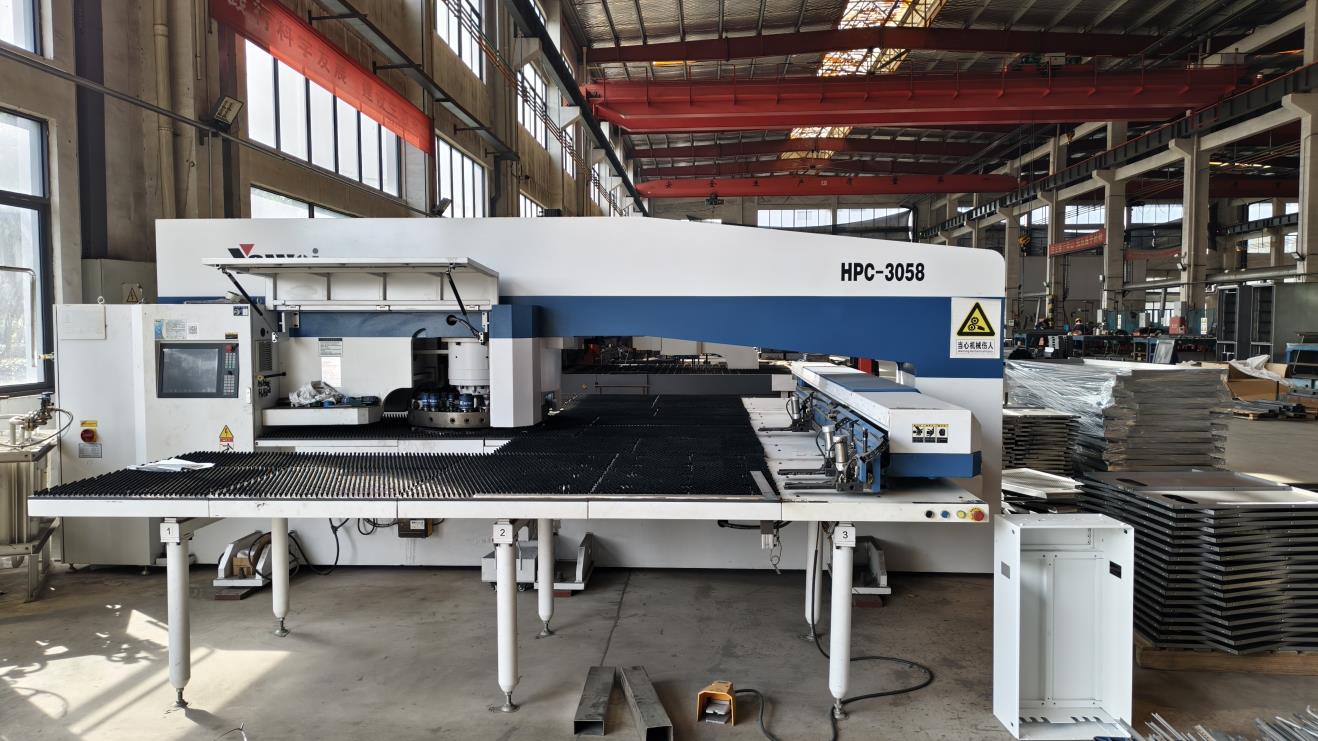
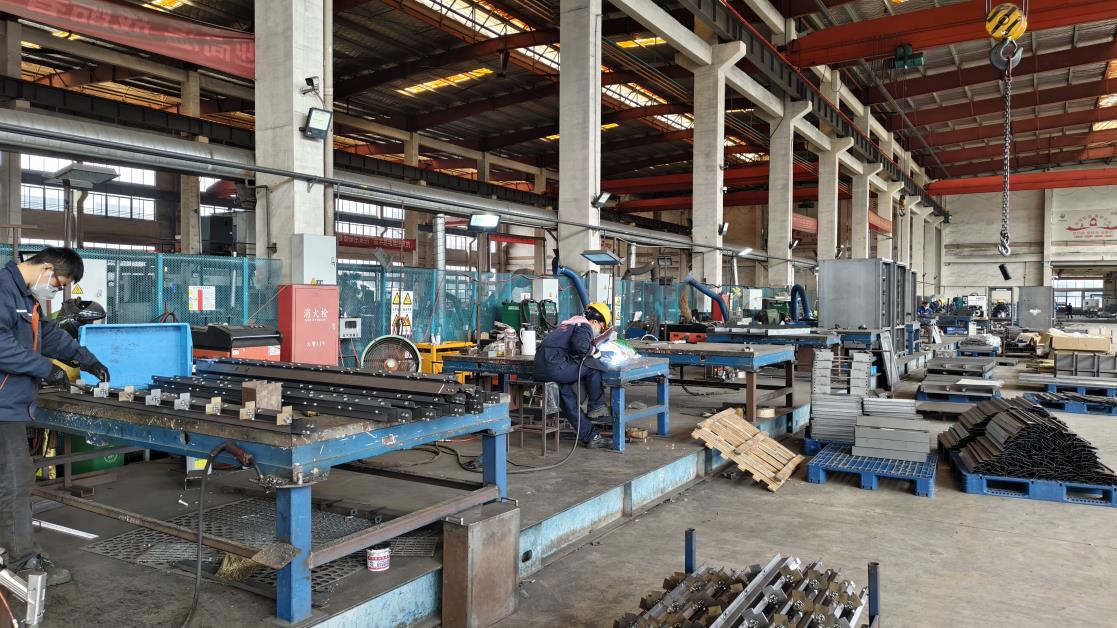
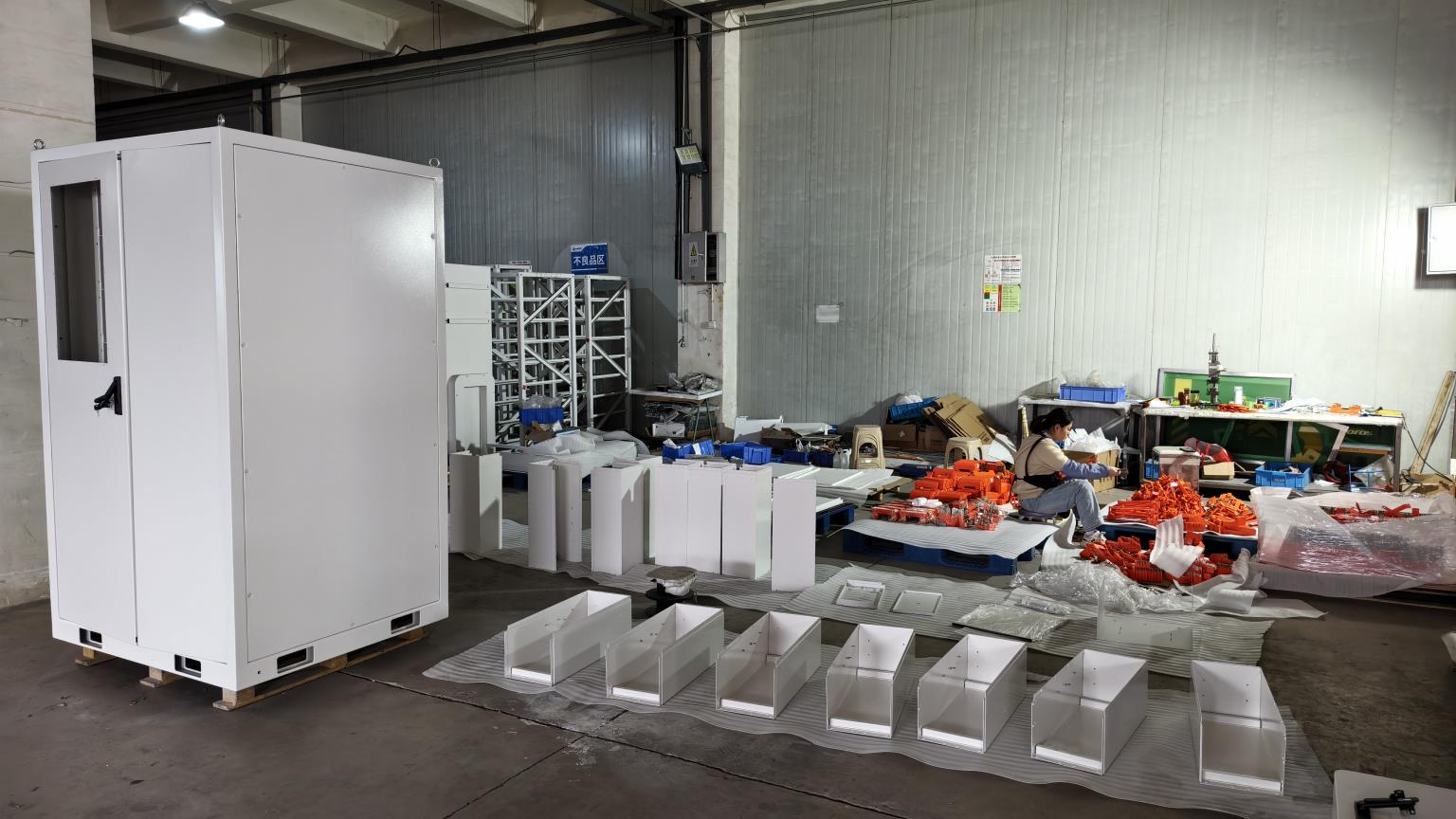
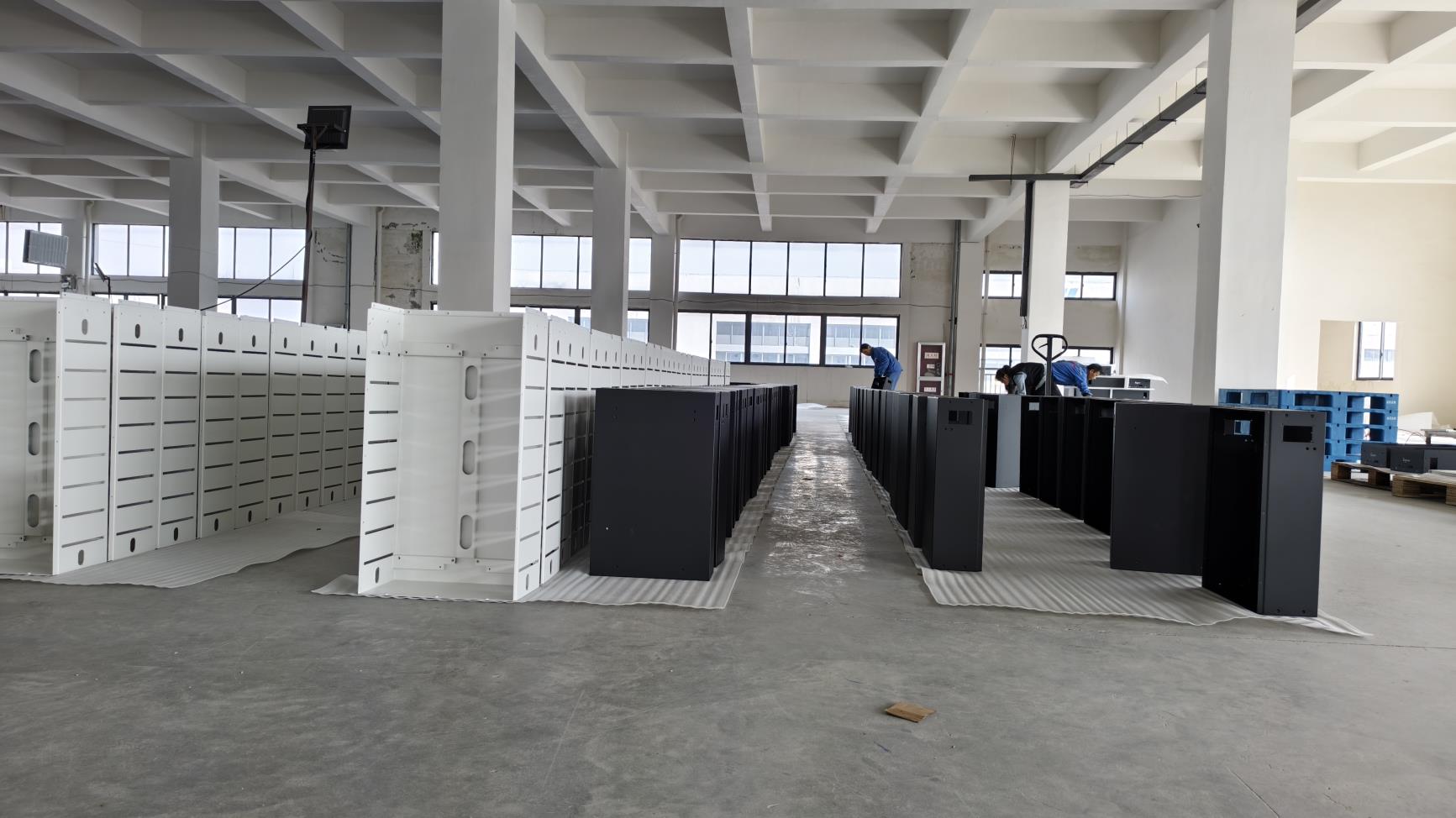
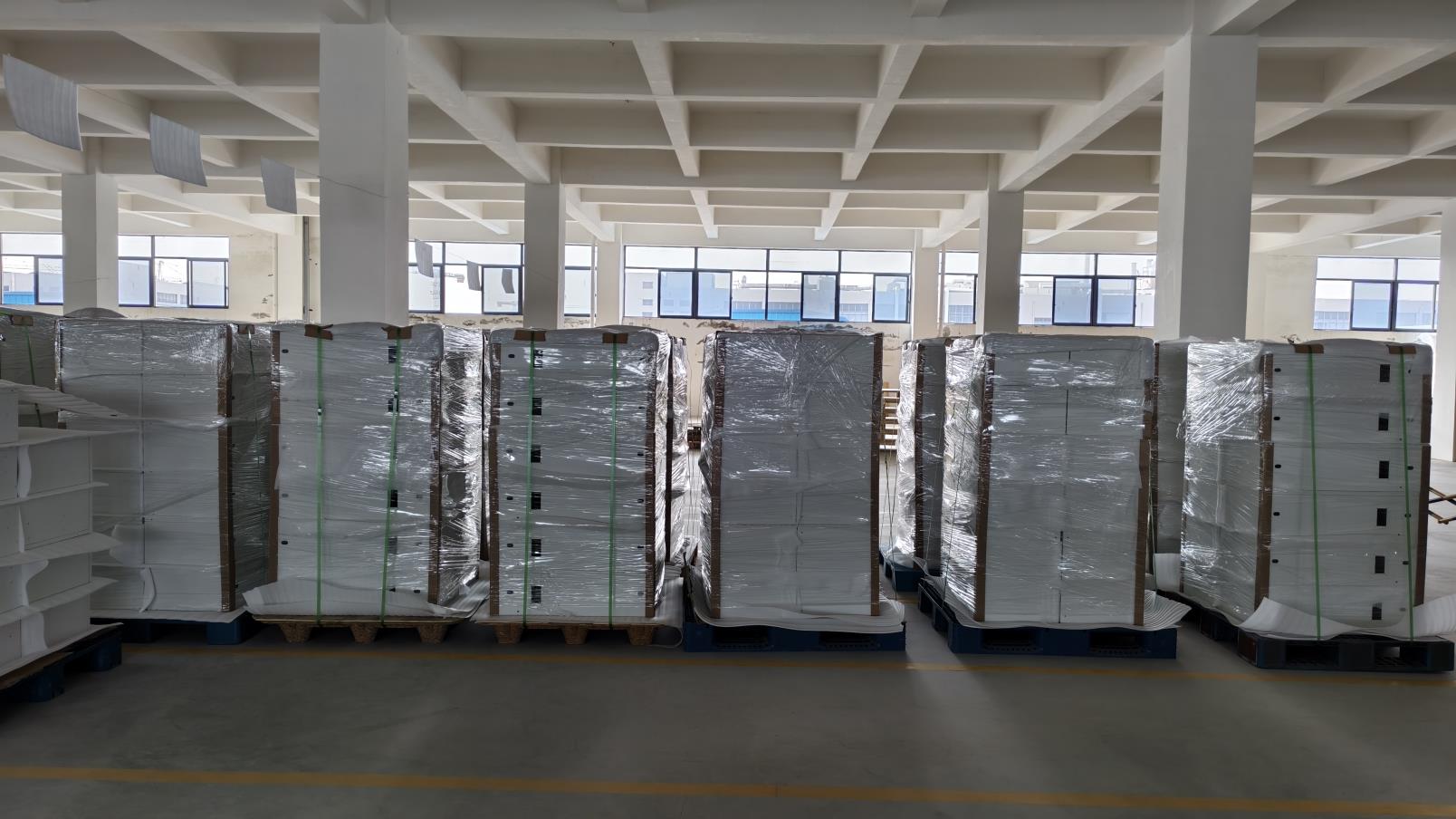
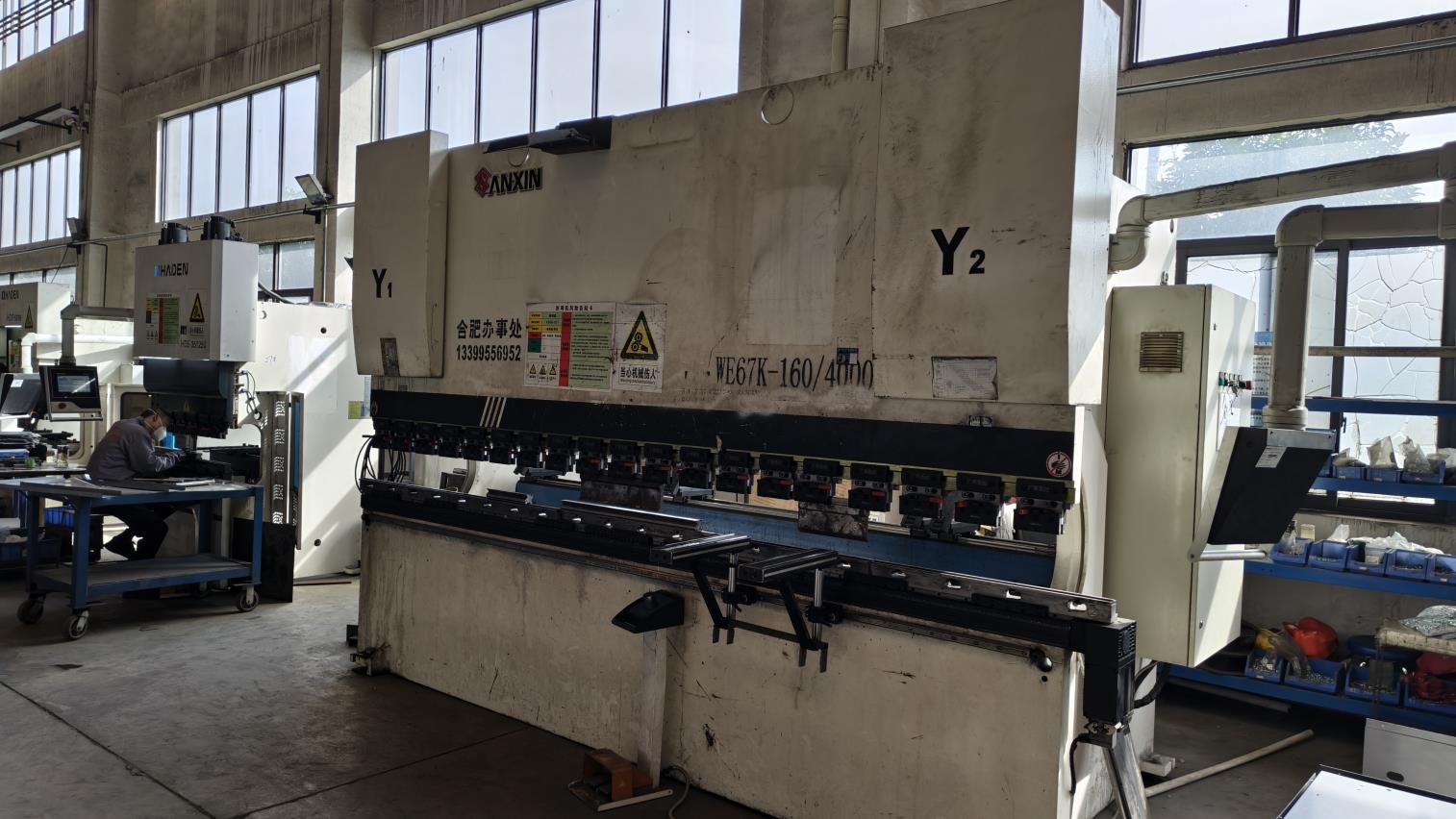
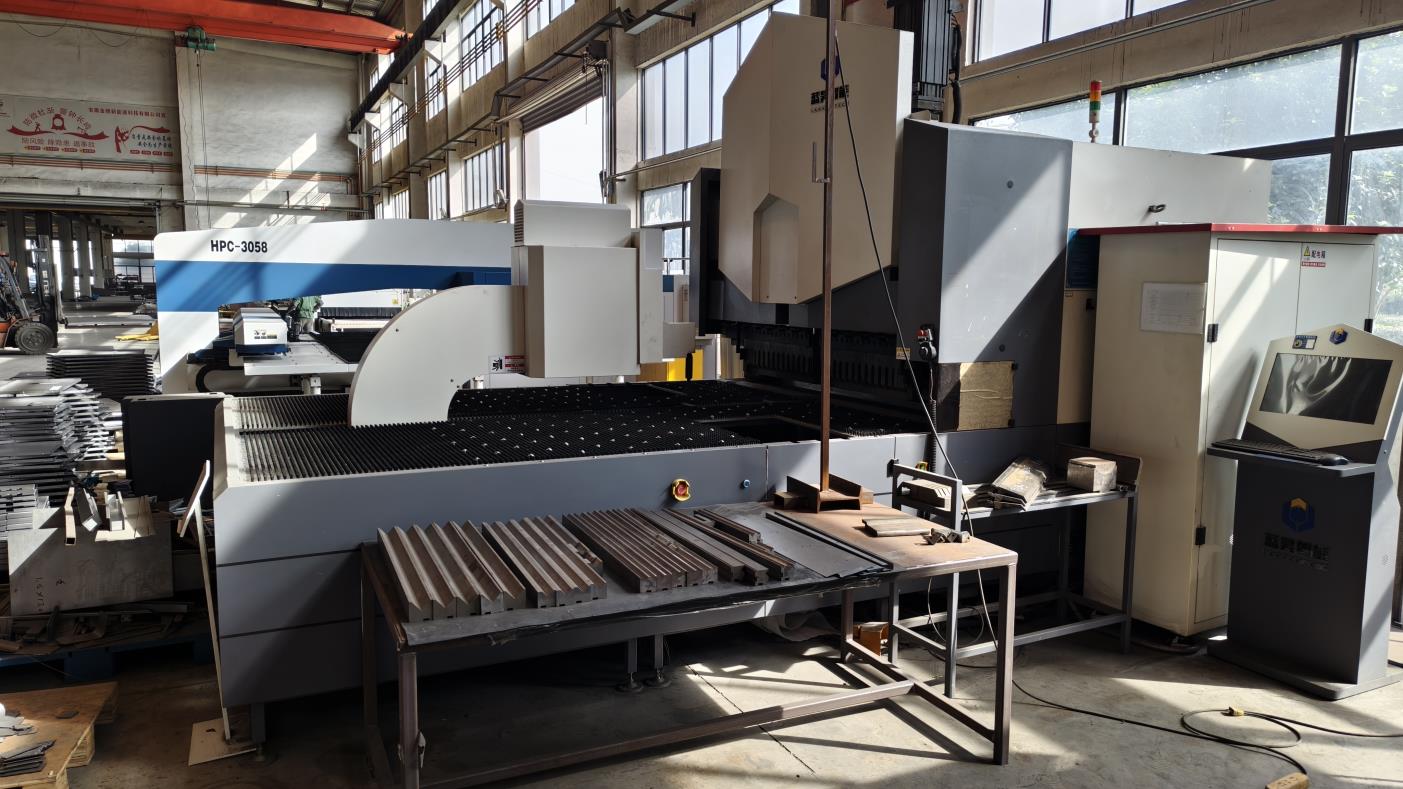
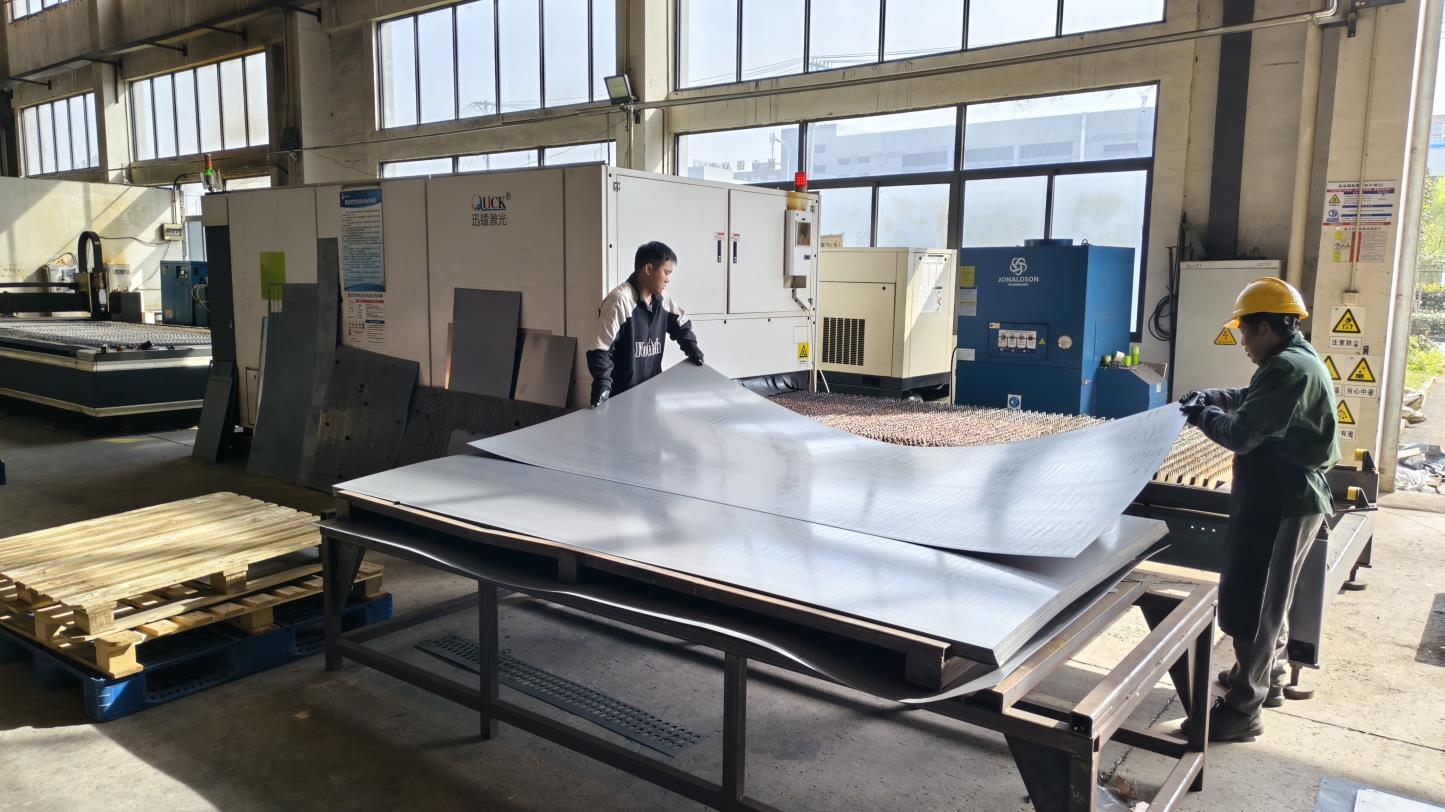
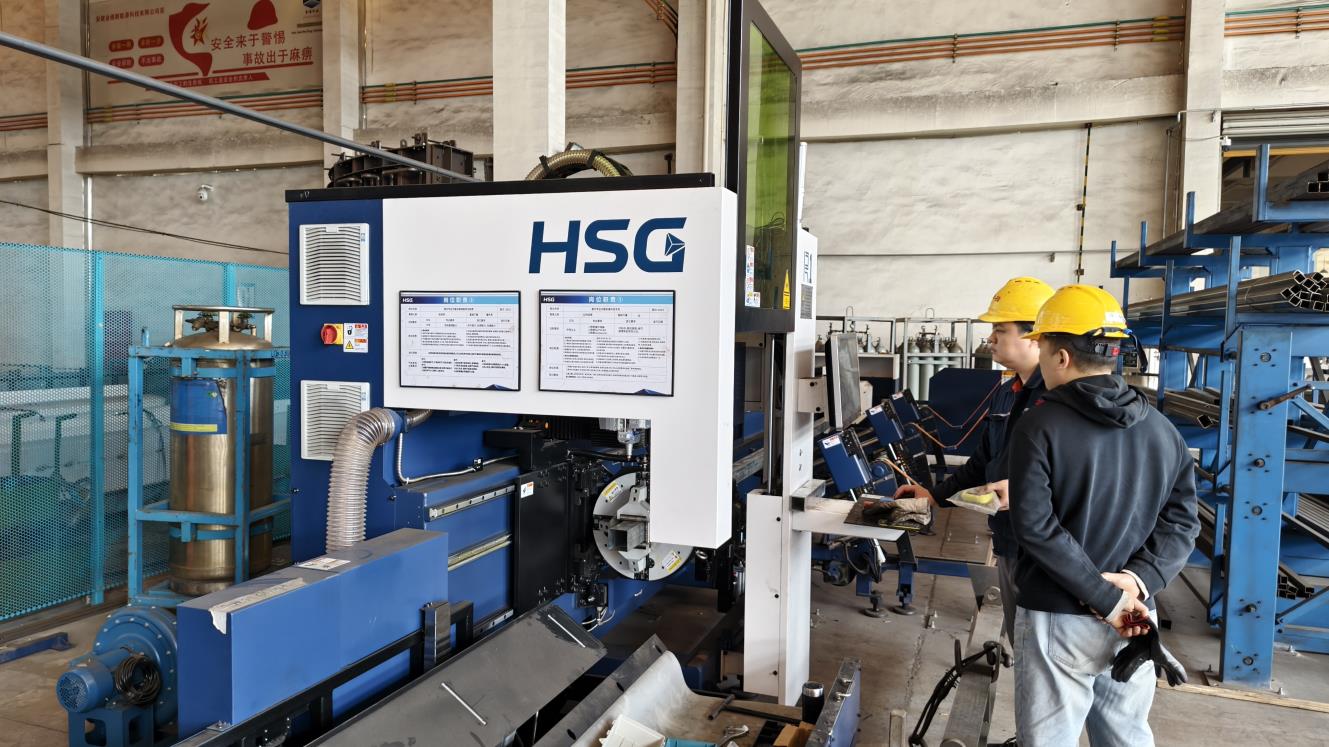
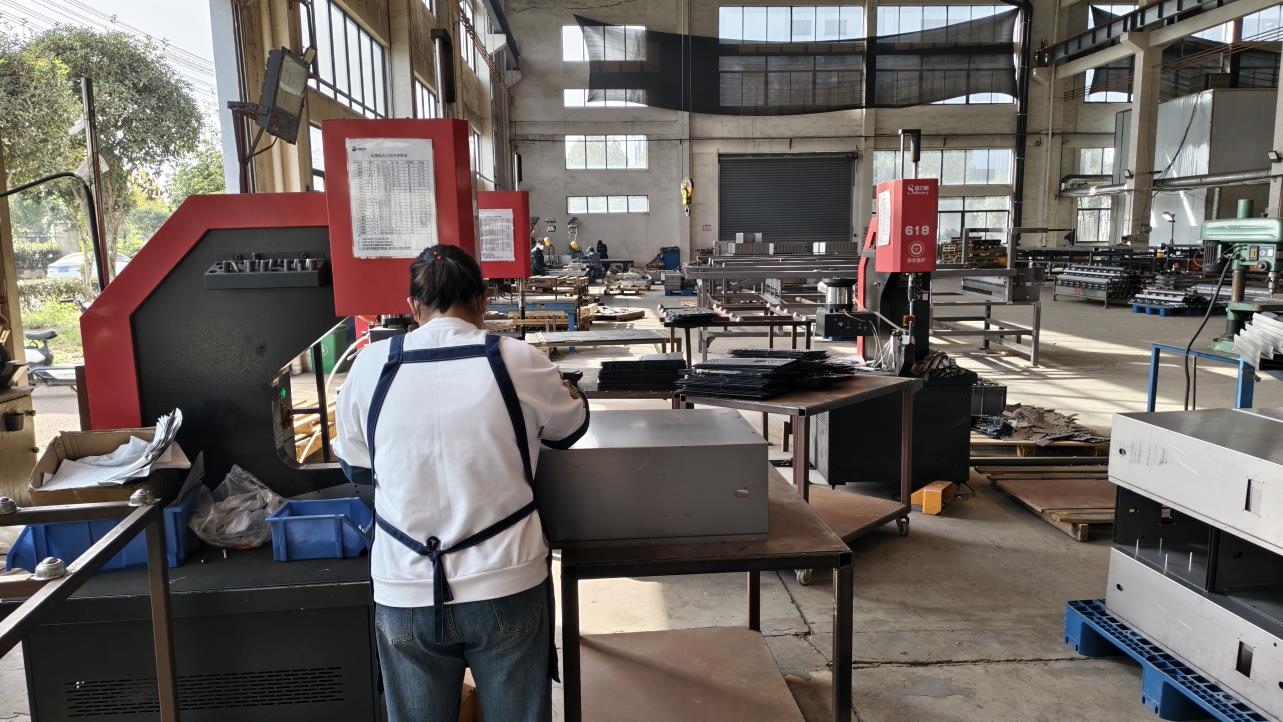
Our state-of-the-art facility features advanced production lines, high-precision automated machinery, and quality control protocols that meet international standards.
Wenzhou Phlox Energy Co., Ltd. is a professional manufacturer and supplier specializing in solar photovoltaic protection and electrical connection solutions. With more than 10 years of industry experience, we are dedicated to the research, development, production, and innovation of high-quality solar accessories and low-voltage electrical products for global renewable energy markets.
Our manufacturing facility covers an area of over 11,500 square meters and is equipped with 7 advanced production lines, more than 100 automated production machines, and a skilled workforce of over 150 employees. With strong production capacity and efficient management systems, our annual output value exceeds USD 20 million.
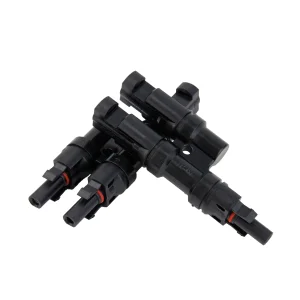
Phlox Energy specializes in the production of DC miniature circuit breakers (MCBs), surge protective devices (SPDs), photovoltaic fuses, solar connectors, DC isolator switches, distribution boxes, combiner boxes, and other solar power system components. Our products are widely used in residential, commercial, and industrial photovoltaic installations around the world.
Quality is at the core of everything we do. Our products are manufactured in strict accordance with international standards and have obtained certifications including CE, TUV, IEC, CB, and ISO 9001. Every product undergoes comprehensive quality inspections and rigorous testing procedures to ensure safety, reliability, and long-term performance in demanding environments.
Driven by continuous innovation, our experienced R&D team works closely with customers to develop customized solutions that meet evolving market requirements. We also provide OEM and ODM services, helping partners build competitive product portfolios and strengthen their market presence.
Having successfully participated in more than 3,900 solar energy projects worldwide, Phlox Energy has earned a strong reputation for premium product quality, competitive pricing, reliable delivery, and professional after-sales support. Our commitment to customer satisfaction and long-term cooperation has made us a trusted partner for distributors, installers, EPC contractors, and solar energy companies across the globe. We look forward to building long-term partnerships with customers worldwide and achieving mutual growth and success together.
Phlox Energy's vision for next-generation smart metering and electrical grid integration.
The convergence of renewable energy and electric vehicles requires high levels of safety and control at the distribution box level. Over the next five years, our technical roadmap focuses on integrating advanced metering ICs directly into DC Isolator Switches and Circuit Breakers. This design will allow them to act as both safety disconnects and highly accurate ammeters and energy meters.
We are also investing heavily in next-generation solid-state circuit breaking technology. By eliminating mechanical contacts, solid-state switches can interrupt faulty current flows in microseconds while offering virtually wear-free operations. Our R&D team is engineering smart combiner boxes that integrate these technologies, allowing developers to configure and monitor string currents remotely with high precision.
Launching multi-channel DIN-rail ammeters capable of tracking up to 12 solar strings simultaneously over a single Modbus channel, reducing combiner box complexity and installation footprint.
Developing bidirectional current sensors tailored for Battery Energy Storage Systems (BESS) to capture precise charge/discharge profiles under extreme transient dynamics.
Deploying AI-driven micro-controllers on-board MCB structures to detect predictive leakage patterns, protecting residential grids from electrical fires before thresholds are breached.
Expert answers to common engineering, procurement, and technical queries from industry professionals.
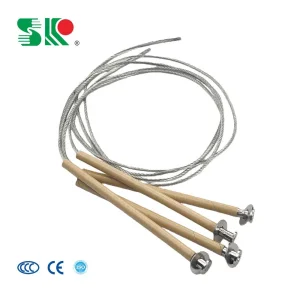
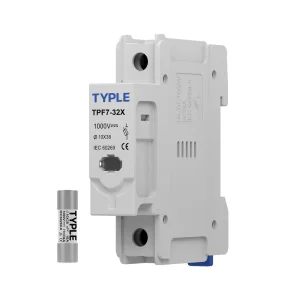
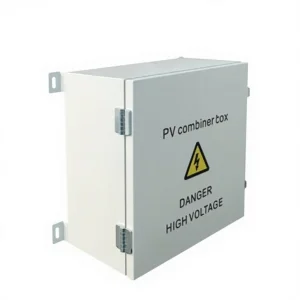
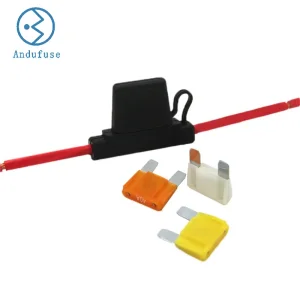
High-voltage fuses, solar string protectors, industrial combiner boxes, and pluggable lightning arresters engineered for rugged utility operations.
 Phlox Energy