Engineered for maximum safety, electrical isolation, and overcurrent fault mitigation across global distribution networks.
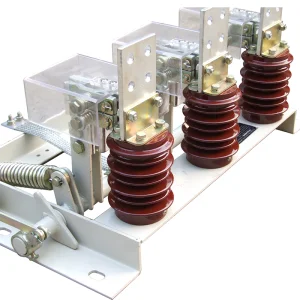
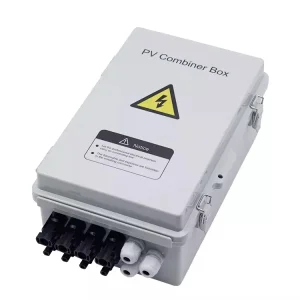
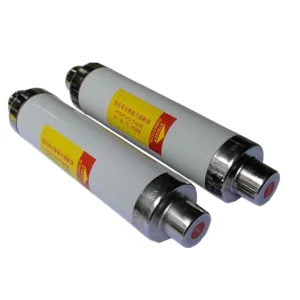
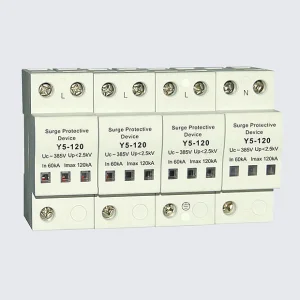
A technical overview of residual current technology and modern protective device engineering.
Ground faults represent one of the most persistent and hazardous anomalies in modern electrical distribution networks. Characterized by an unintended conduction path between an active phase conductor and the earth ground, these faults generate leakage currents ($I_{\Delta n}$) that bypass regular return loops. In the absence of high-sensitivity detection devices, even minimal fault currents can pose lethal shocks to personnel or initiate catastrophic electrical fires via localized thermal accumulation.
Technically, ground fault protection devices function by continuously computing the vector sum of currents flowing through all active lines. In a balanced, fault-free system, this vector sum equals zero. Once a path to ground is created, the residual current induces a magnetic flux imbalance within a highly sensitive zero-phase current transformer (ZCT). The secondary winding of the ZCT then detects this imbalance, generating an electromotive force that triggers the opening of the main contact mechanisms within milliseconds.
As industrial processes transition towards power-electronics-heavy architectures, standard ground fault protection must evolve. Classic Type AC RCDs, designed purely for sinusoidal alternating current fault detection, are increasingly vulnerable to "blinding" when operating near variable speed drives, PV inverters, or electric vehicle charging installations. This blinding occurs when smooth DC leakage components saturate the magnetic core of the ZCT, preventing the trip unit from responding to actual AC line faults.
To mitigate this risk, global design codes mandate the use of Type A and Type B devices. Type A devices detect standard alternating currents as well as pulsating direct current components. Type B devices, however, are engineered to detect smooth DC, high-frequency AC up to 2 kHz, and pulsating DC components. The integration of dual-sensing loops—one electromagnetic for AC faults and one electronic/hall-effect based for DC leakage—ensures that Type B devices protect sensitive commercial and industrial infrastructure under complex waveform conditions.
How rigorous regulatory compliance ensures electrical safety and seamless market entry within the European Economic Area.
For global procurement specialists, verifying the CE mark is not a bureaucratic checkbox; it is a guarantee of robust product compliance. Any ground fault protection device sold within the EEA must adhere to the Low Voltage Directive (LVD) 2014/35/EU and the Electromagnetic Compatibility (EMC) Directive 2014/30/EU. Below is the precise standard mapping that our manufacturing lines utilize.
| Directive / Standard No. | Technical Definition | Applicable Equipment Class | Key Testing Criteria |
|---|---|---|---|
| EN 61008-1 | Residual current operated circuit-breakers without integral overcurrent protection (RCCBs) | Commercial & Residential RCCBs | Mechanical durability (20,000 cycles), surge current withstand (up to 3kA), tripping time limit under various ambient temperatures. |
| EN 61009-1 | Residual current operated circuit-breakers with integral overcurrent protection (RCBOs) | Combined Overload, Short-Circuit & Earth Leakage devices | Short-circuit breaking capacity ($I_{cn}$ up to 10kA), magnetic and thermal trip curve calibration, isolation capability validation. |
| EN 62423 | Type F and Type B residual current operated circuit-breakers with and without integral overcurrent protection | Advanced PV & EV Charger protective systems | Responsiveness to smooth DC faults up to 1000Hz, verification of non-tripping with high frequency impulse currents. |
| EN 60947-2 Annex B/M | Low-voltage switchgear and controlgear - Part 2: Circuit-breakers (incorporating earth leakage) | Industrial Moulded Case Circuit Breakers (MCCBs) | Electromagnetic immunity (EMC/EMI), high breaking capacity testing (up to 150kA), compatibility with auxiliary monitoring systems. |
A decade of excellence in manufacturing solar PV protection and low-voltage electrical systems.
Wenzhou Phlox Energy Co., Ltd. is a professional manufacturer and supplier specializing in solar photovoltaic protection and electrical connection solutions. With more than 10 years of industry experience, we are dedicated to the research, development, production, and innovation of high-quality solar accessories and low-voltage electrical products for global renewable energy markets.
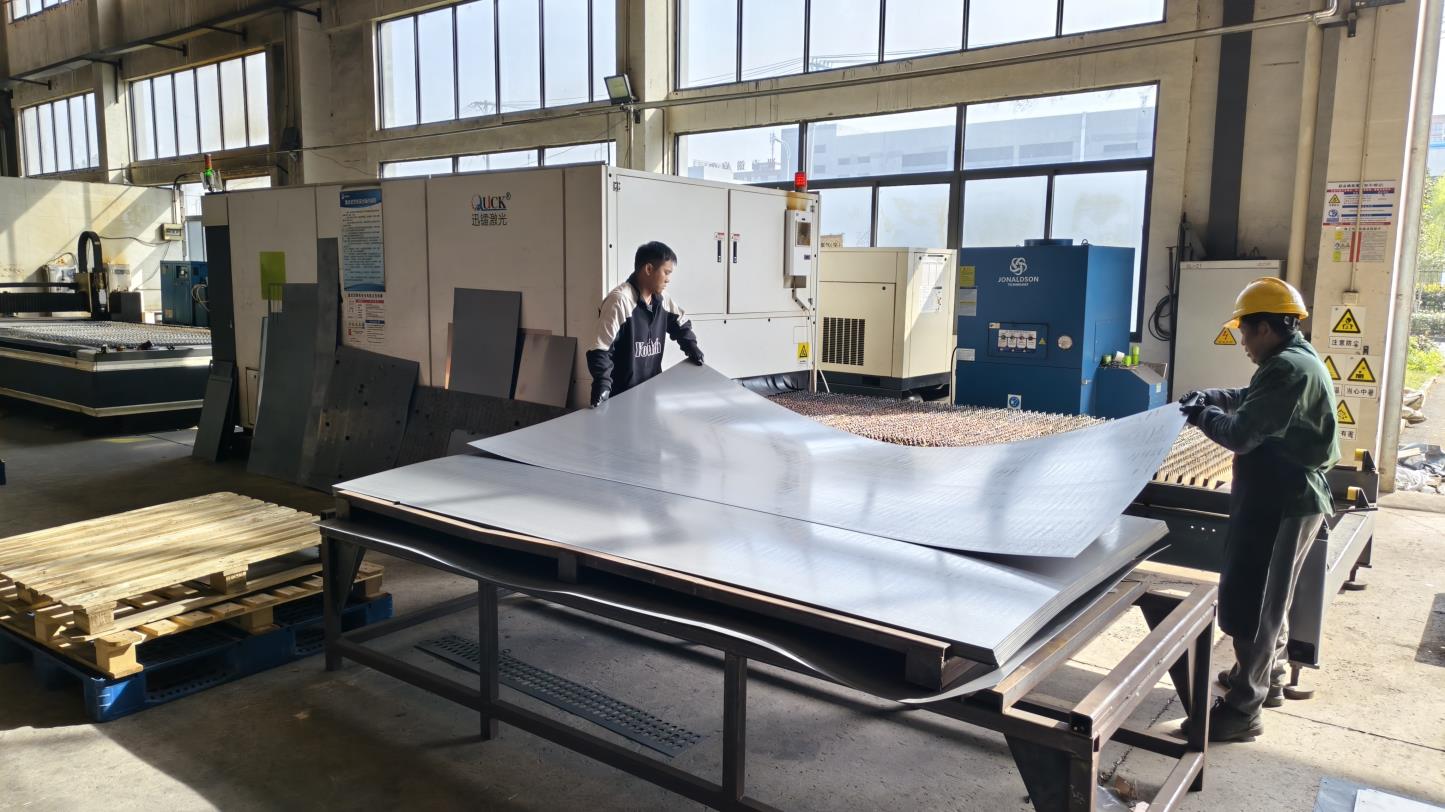
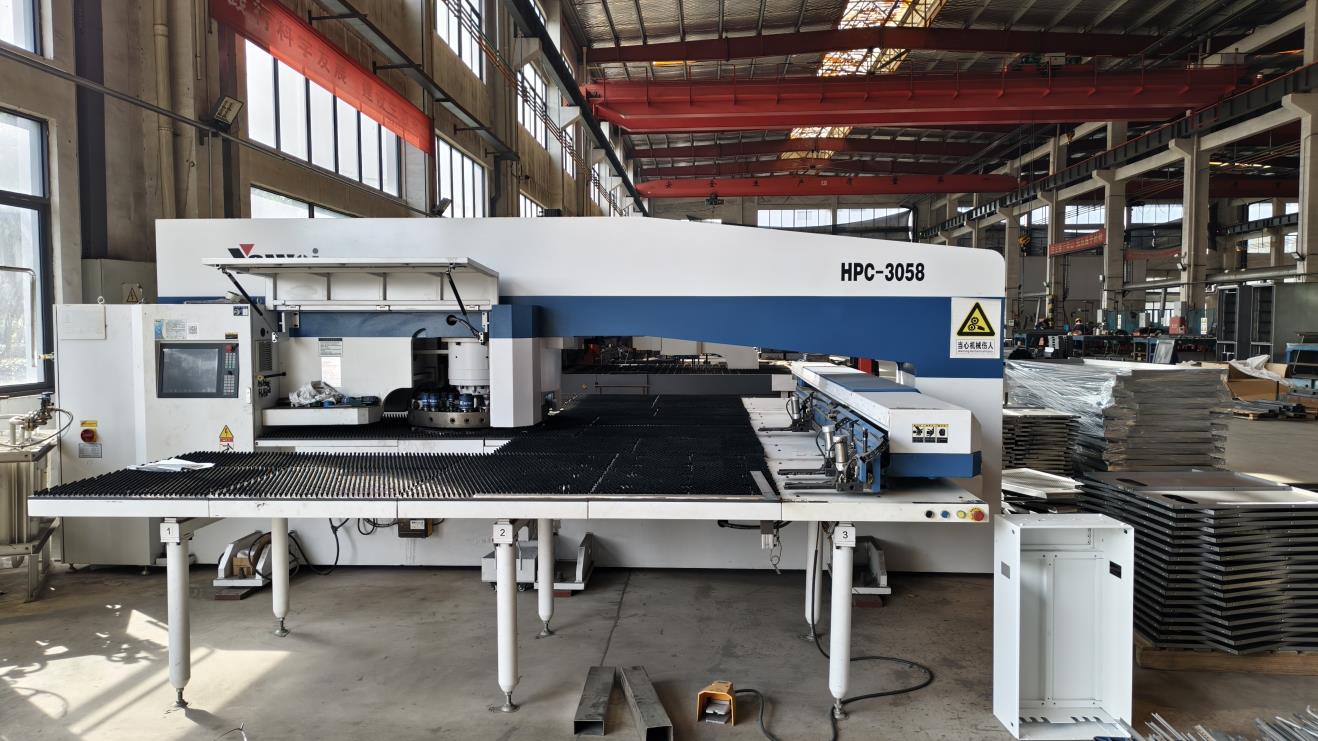
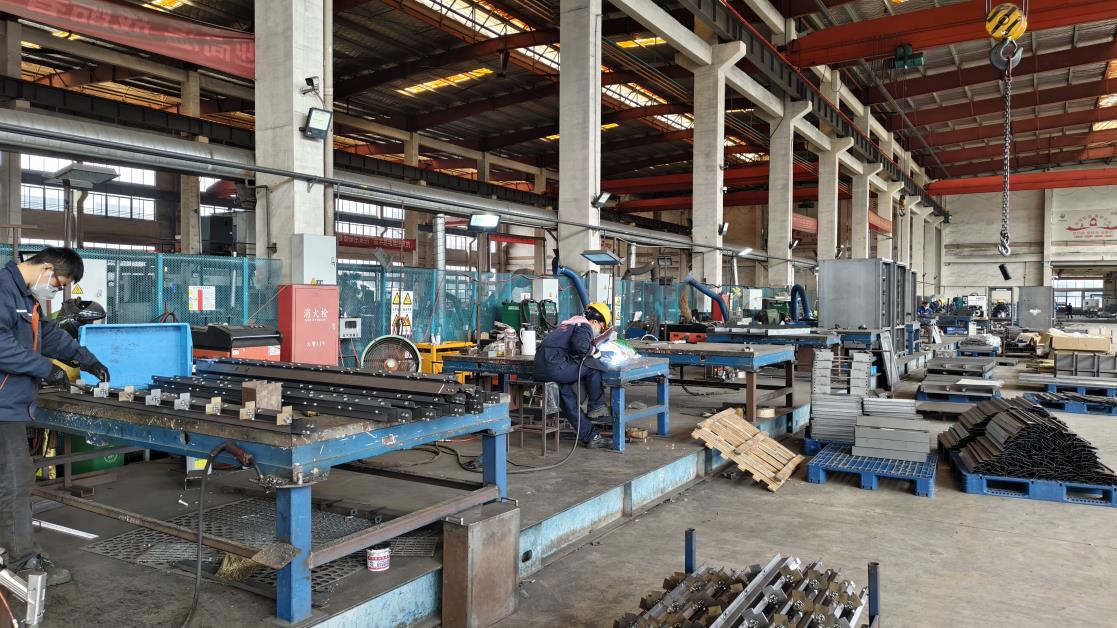
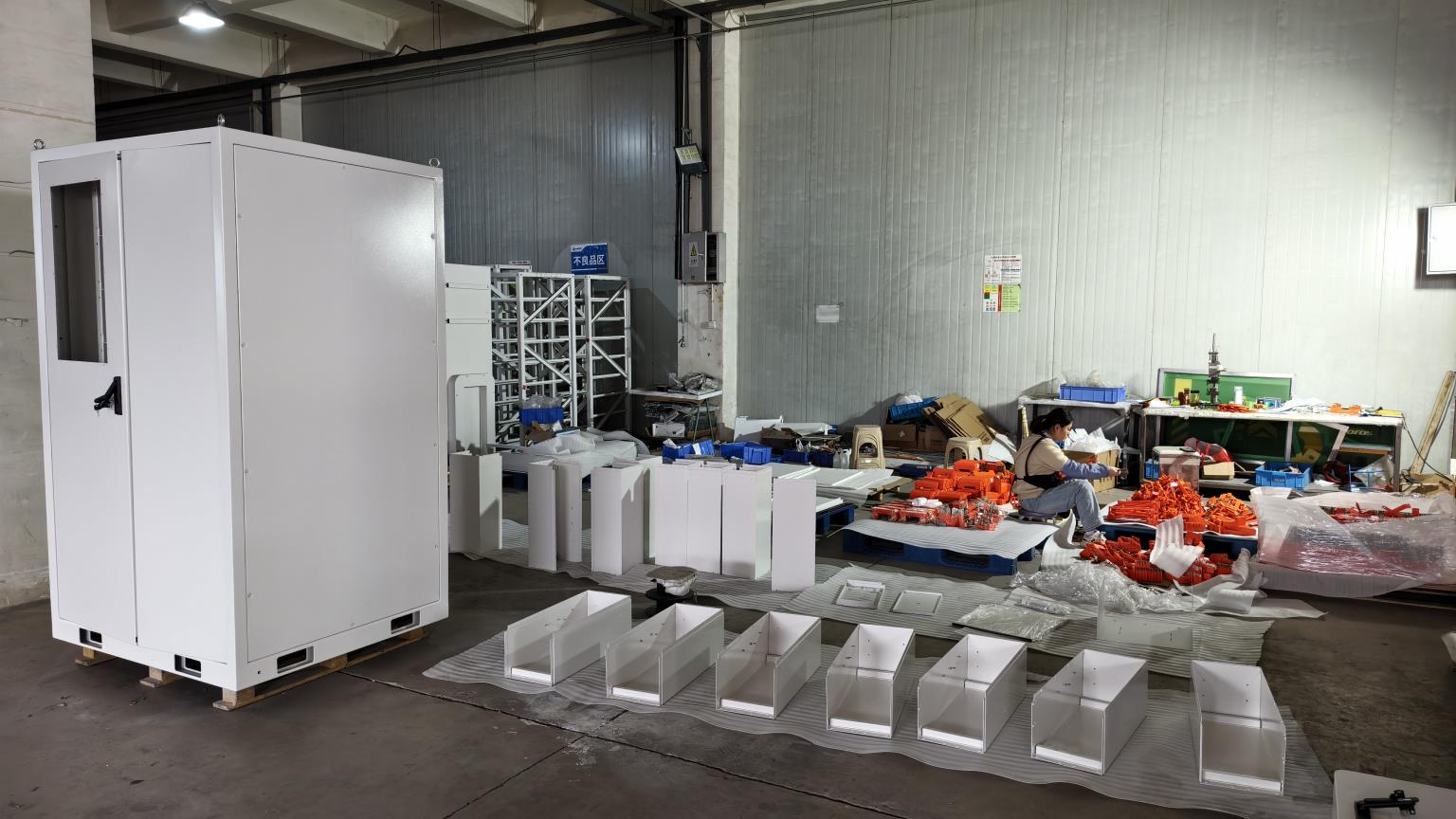
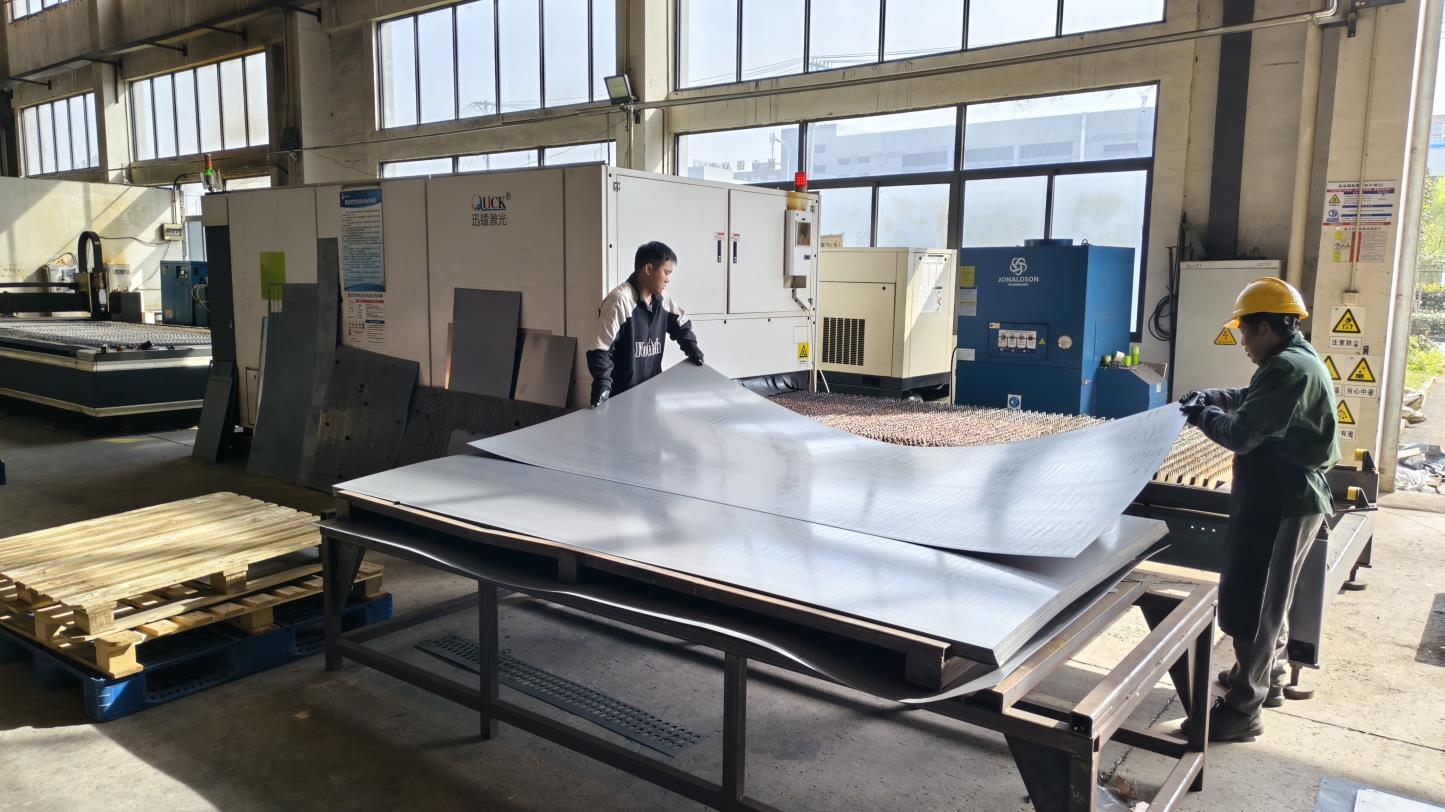
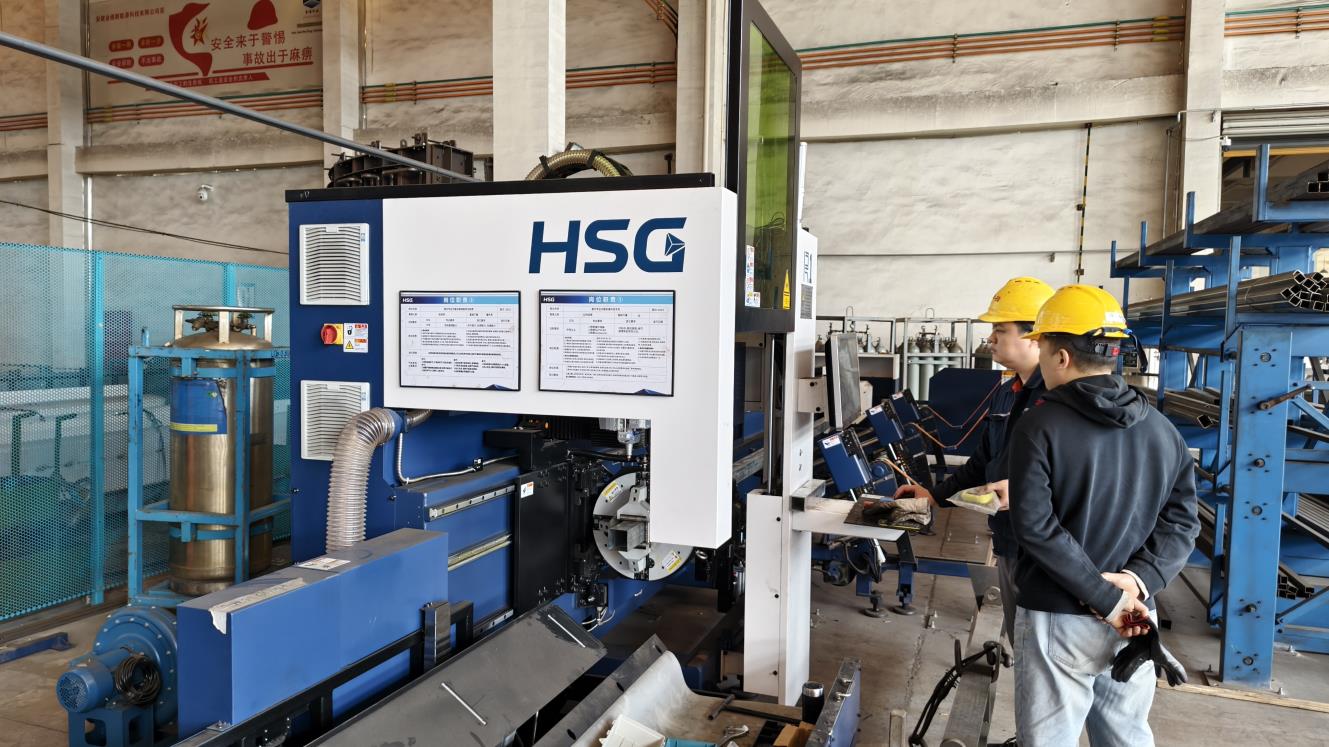
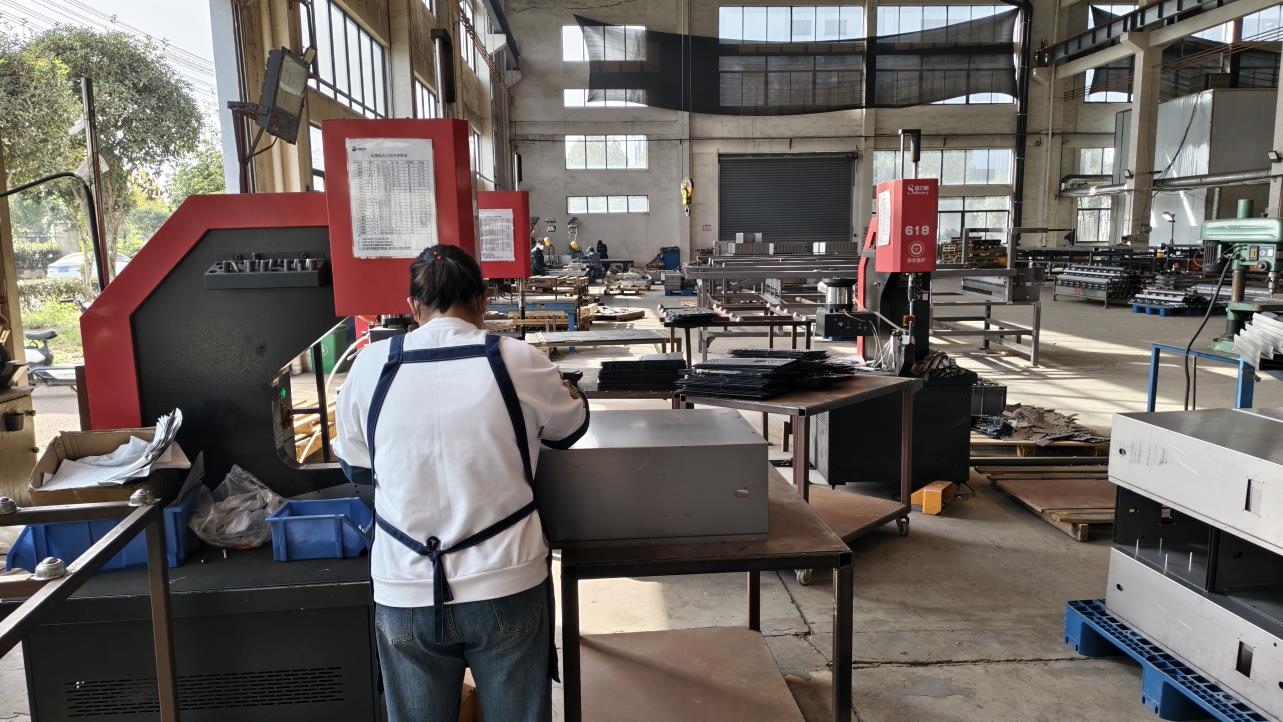
Our manufacturing facility covers an area of over 11,500 square meters and is equipped with 7 advanced production lines, more than 100 automated production machines, and a skilled workforce of over 150 employees. With strong production capacity and efficient management systems, our annual output value exceeds USD 20 million.
Quality is at the core of everything we do. Our products are manufactured in strict accordance with international standards and have obtained certifications including CE, TUV, IEC, CB, and ISO 9001. Every product undergoes comprehensive quality inspections and rigorous testing procedures to ensure safety, reliability, and long-term performance in demanding environments.
Visualizing our commitment to manufacturing precision, automation, and state-of-the-art machinery.
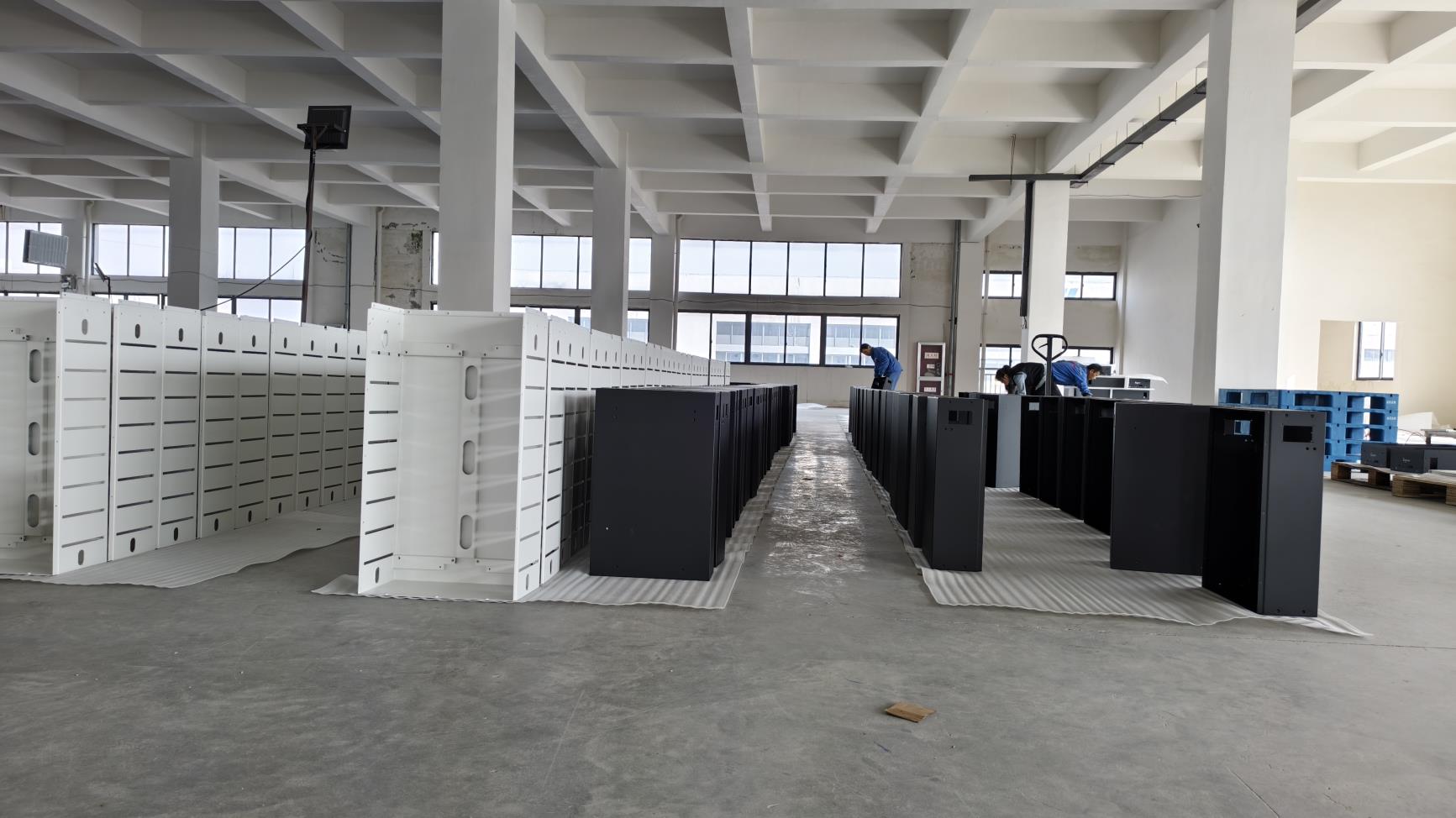
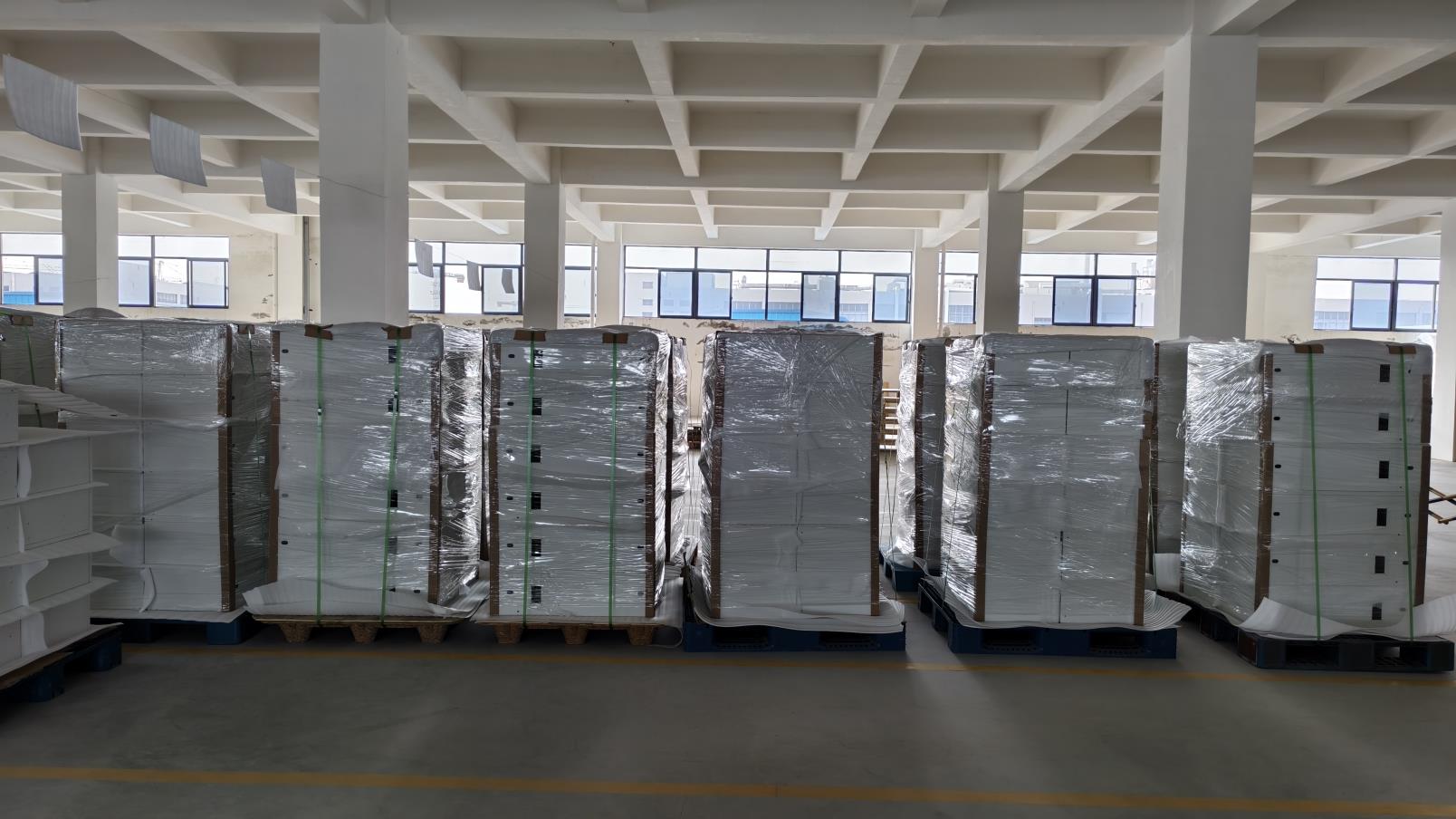
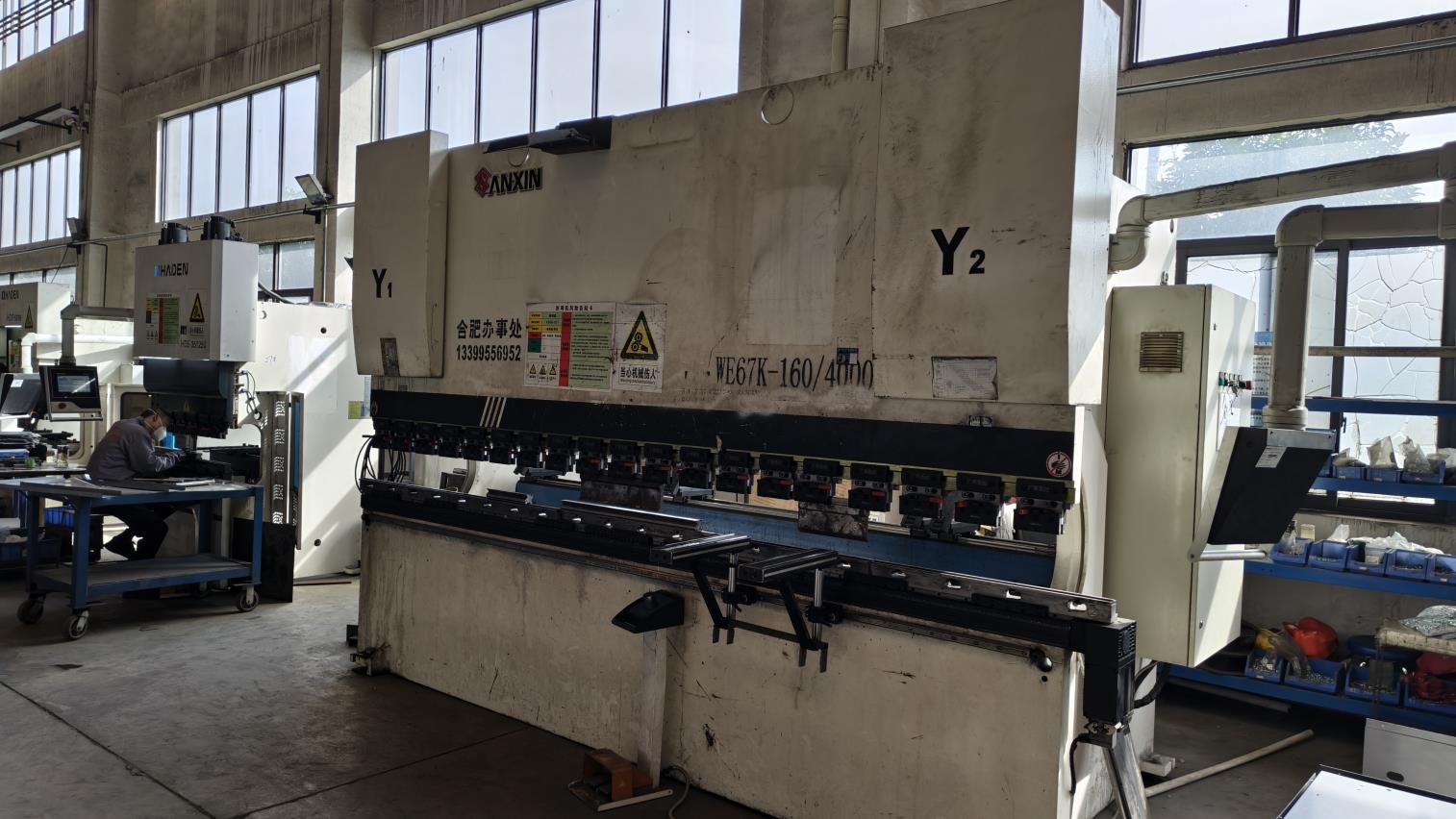
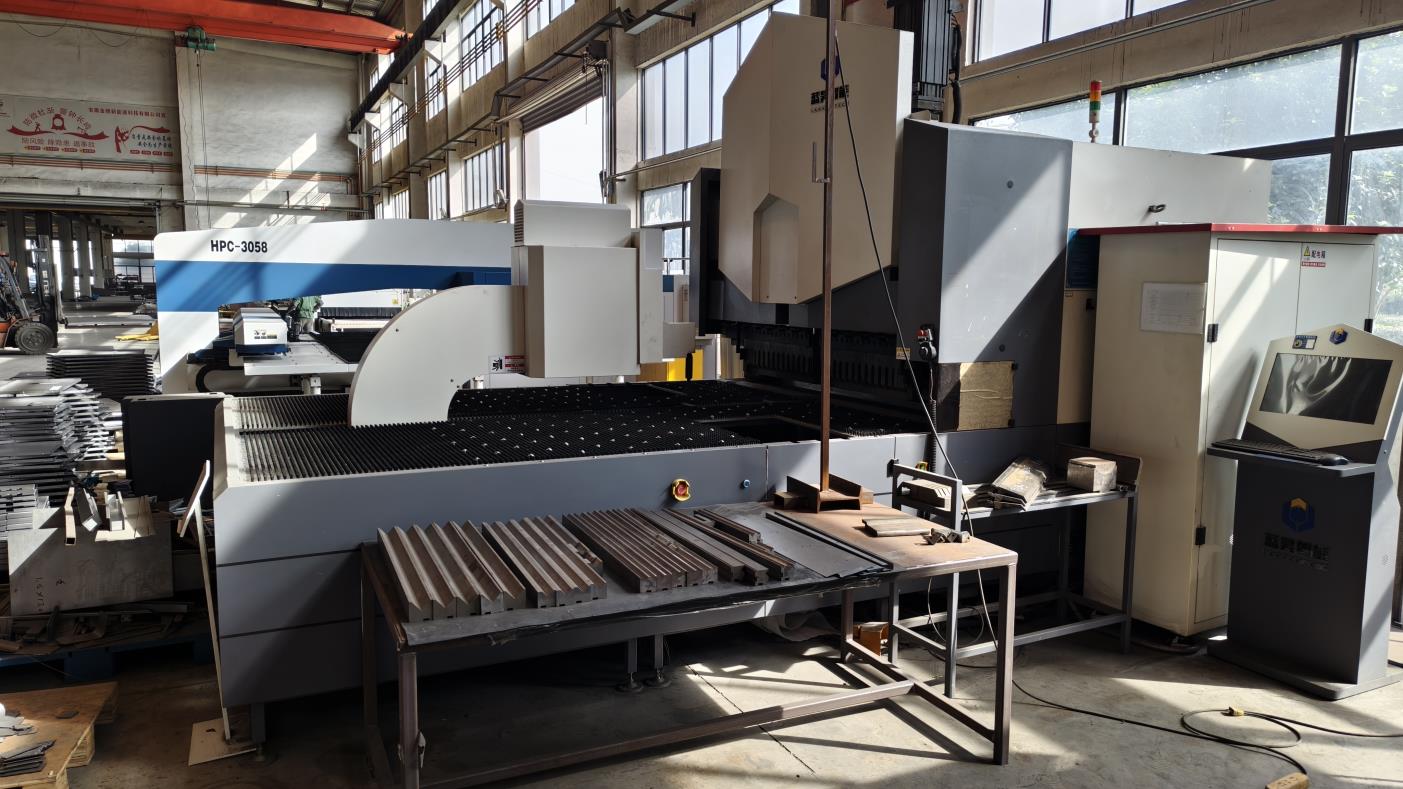
Analyzing critical deployment environments for ground fault systems, from harsh desert solar farms to urban charging grids.
Large-scale solar installations require specific ground fault protection because DC current circuits can experience unique ground leakage conditions. In solar combiners and centralized inverters, PV modules generate high parasitic capacitances against structural racking. Moisture accumulation can cause these capacitances to change, leading to leakage currents that may trigger false alarms. Wenzhou Phlox Energy specializes in creating low-voltage components that distinguish between actual fault leakage and capacitive leakage, ensuring systems run efficiently without unnecessary downtime.
Charging an electric vehicle involves interfacing the alternating grid with the car's internal battery system. A critical fault can occur if the battery's DC voltage leaks onto the charger's housing. Standard residual devices can become blind in this scenario. European regulations require chargers to implement 6mA DC smooth residual detection. Wenzhou Phlox Energy offers compact Type B solutions and RCD modules that install directly onto DIN-rails, providing space-efficient protection for modern smart chargers.
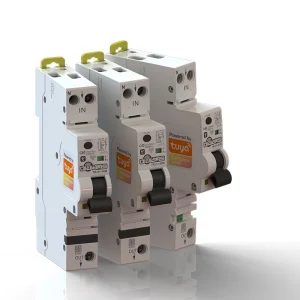
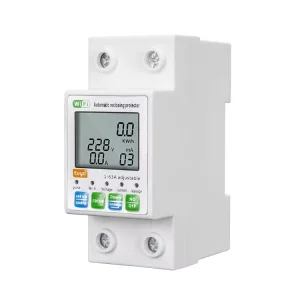
The trend towards smart homes has driven demand for connected protection devices. Modern systems rely on smart circuit breakers that offer remote telemetry alongside traditional overcurrent and leakage protection. By integrating WiFi modules and energy measurement chips, operators can view real-time current, voltage, power factor, and leakage values remotely. Our smart breakers allow facility managers to diagnose leakage issues instantly, improving safety in remote telecommunication bases and modern residential networks.
Industrial machinery often uses Variable Frequency Drives (VFDs) that introduce high-frequency noise onto power lines. This electrical noise can lead to false trips in standard protective devices. Industrial RCDs must be built with specific filters that ignore harmless high-frequency components while remaining sensitive to real hazards. Our manufacturing process uses automated CNC tooling and laser welding to ensure these complex protective units maintain consistent performance in harsh, high-vibration manufacturing environments.
How Wenzhou's supply chain network and Phlox Energy's automated production deliver high value to international distributors.
Wenzhou is recognized as a global hub for low-voltage electrical engineering. By sourcing components in this region, we can optimize raw material and transport costs. The close proximity of copper stamping shops, plastic molding facilities, and testing laboratories allows us to respond quickly to market changes and prototype customized products faster than our competitors.
At Wenzhou Phlox Energy, we leverage this localized ecosystem to streamline production. Our 7 production lines feature automated systems for soldering, laser engraving, and assembly. This optimization keeps our production costs low, allowing us to pass savings onto our partners while maintaining high quality standards.
We maintain quality consistency by inspecting components at every stage of assembly. Our testing framework includes three main steps:
When sourcing ground fault protection devices for international projects, verify these key metrics with your supplier:
Answering common questions from design engineers and procurement professionals.
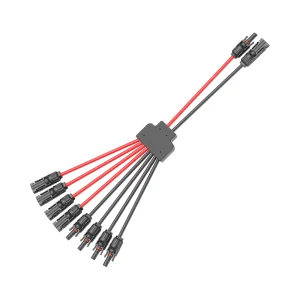
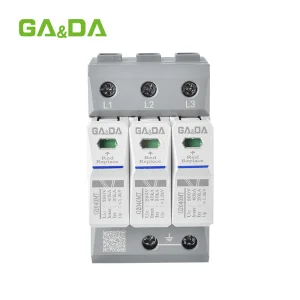
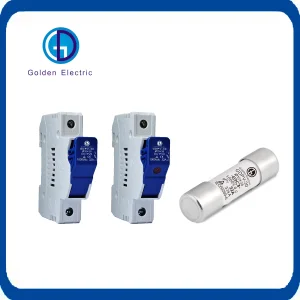
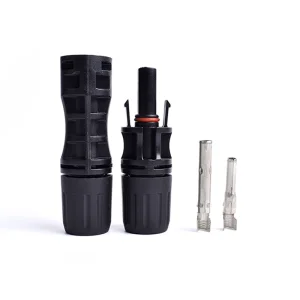
Explore our complete catalog of solar connectors, cylindrical fuses, surge protectors, and IoT-enabled circuit breakers.
 Phlox Energy