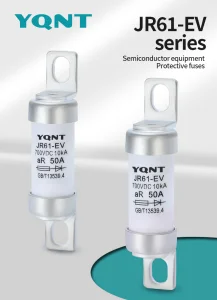
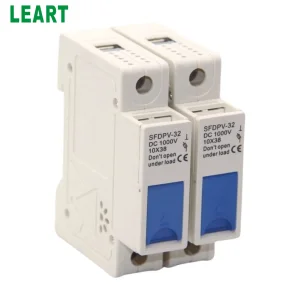
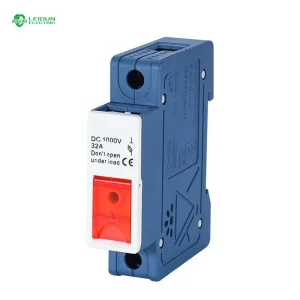
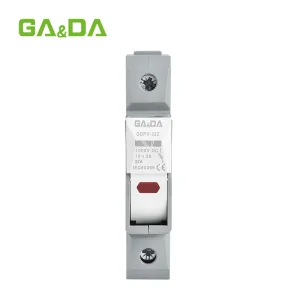
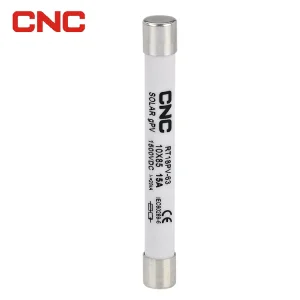
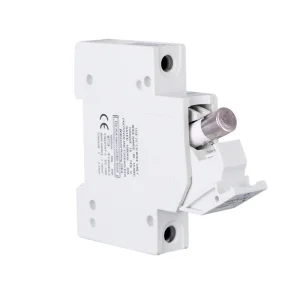
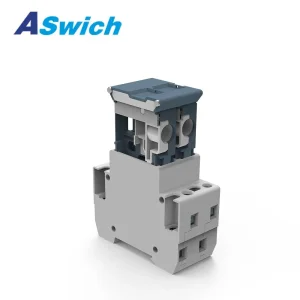
High-capacity protection devices optimized for Nigerian off-grid mini-grids and commercial PV installations.
Unlocking deep insights into sub-Saharan Africa's fastest-growing solar market.
Nigeria's energy landscape is undergoing a massive decentralized paradigm shift. Hampered by persistent grid instability, costly diesel generator operations, and escalating electricity tariffs, commercial and industrial (C&I) sectors—including manufacturing plants in Lagos (Ikeja, Lekki), food processing hubs in Kano, and agricultural facilities in Kaduna—are rapidly turning to solar photovoltaic (PV) hybrid systems. The Rural Electrification Agency (REA) of Nigeria is aggressively steering projects like the Nigeria Electrification Project (NEP) to deploy thousands of solar mini-grids across rural and semi-urban communities.
However, operating high-voltage DC solar arrays in Nigeria presents distinct environmental and electrical challenges. Harmattan dust storms in the North, intense tropical heat in the South, and humidity-induced corrosion mean electrical components must exhibit extreme durability. Here, high-quality DC fuses for solar play a critical role: they isolate faulty strings, prevent catastrophic fire risks in battery energy storage systems (BESS), and safeguard high-value hybrid inverters.
"Choosing substandard protection components in Sub-Saharan Africa is a leading cause of premature system failure. A DC fuse is not merely an accessory; it is the ultimate line of defense for millions of dollars in solar assets against severe thermal runaway and short circuits under extreme Nigerian ambient temperatures."
One of the most overlooked factors by local EPC installers in West Africa is the impact of ambient temperature on fuse performance. Standard AC fuses are structurally and functionally inadequate for solar applications. Solar systems operate on continuous Direct Current (DC), where extinguishing an electrical arc is significantly harder than in Alternating Current (AC) systems because there is no natural zero-crossing point. This is why gPV (photovoltaic) class fuses are mandatory under international standards like IEC 60269-6.
Moreover, inside combiners and distribution boxes positioned under the direct Nigerian sun, temperatures can easily reach 50°C to 60°C. If a designer fails to calculate the thermal de-rating factor ($K_{th}$), the fuse will suffer from nuisance tripping, interrupting power production during peak sun hours. At Wenzhou Phlox Energy, our technical engineers provide comprehensive de-rating guides for local installers, ensuring that our 1000V DC and 1500V DC fuses operate exactly as specified, balancing robust protection with maximum system uptime.
Globally, the solar utility-scale and large C&I markets have transitioned from 1000V DC to 1500V DC operating voltages. This shift allows engineers to design longer string lengths, reducing the number of combiner boxes, DC cables, and overall balance-of-system (BOS) costs by up to 30%. Nigeria is beginning to follow this trajectory, particularly for major grid-tied solar farms and industrial mini-grids.
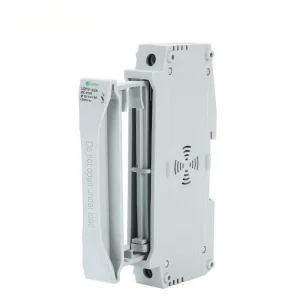
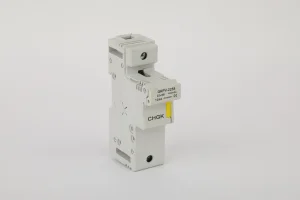
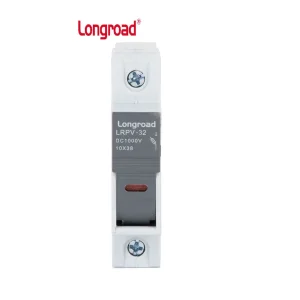
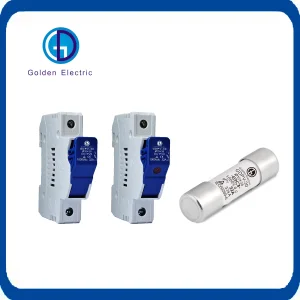
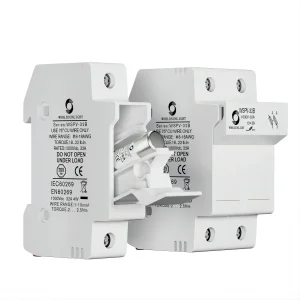
We are supporting this transition by mass-manufacturing advanced 1500V DC cylindrical fuses and matching heavy-duty pull-out fuse holders. These systems feature high breaking capacities (up to 30kA or 50kA at 1500V DC), incorporating state-of-the-art high-purity quartz sand filling and silver-plated copper alloy elements. This architecture guarantees rapid arc quenching, preventing damage to downstream solar modules and central inverters.
How our DC fuses and fuse holders are integrated across key renewable sectors in the region.
Protecting commercial rooftop arrays for malls in Abuja and factories in Lagos. Our DC 1000V and 1500V fuses prevent overcurrent faults from damaging high-power string inverters, ensuring consistent business continuity.
Decentralized energy systems funded by the World Bank and REA in rural Nigeria require reliable, maintenance-free components. Our robust 10x38mm and 10x85mm gPV fuses protect remote battery storage systems and MPPT chargers.
Providing Nigerian electrical distributors and wholesalers with fully certified (TUV, CE, IEC) solar components. Our high-capacity production lines in Wenzhou ensure competitive pricing and steady container supply chains to Apapa port.
Industry Experience
Factory Space
Global Projects Completed
Annual Production Value
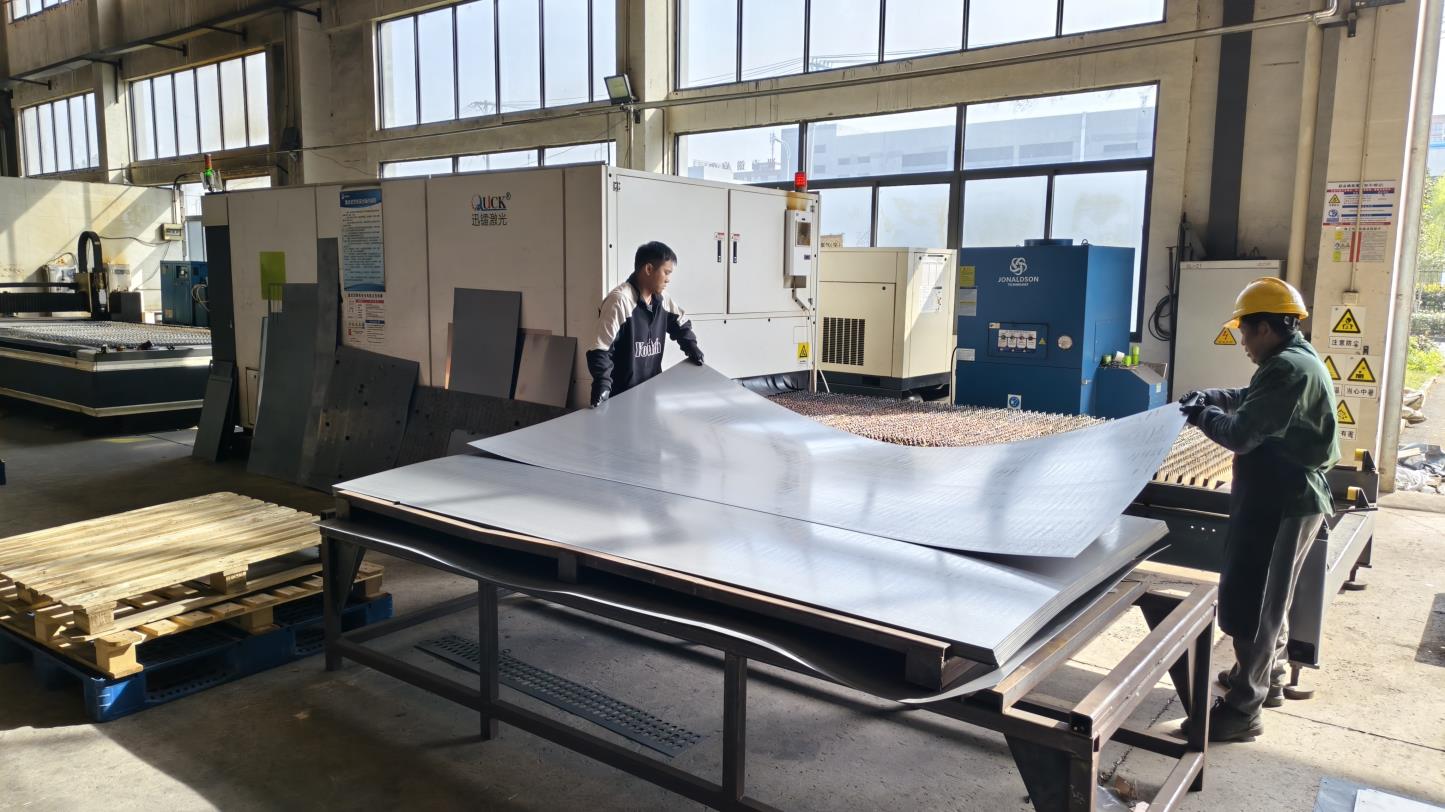
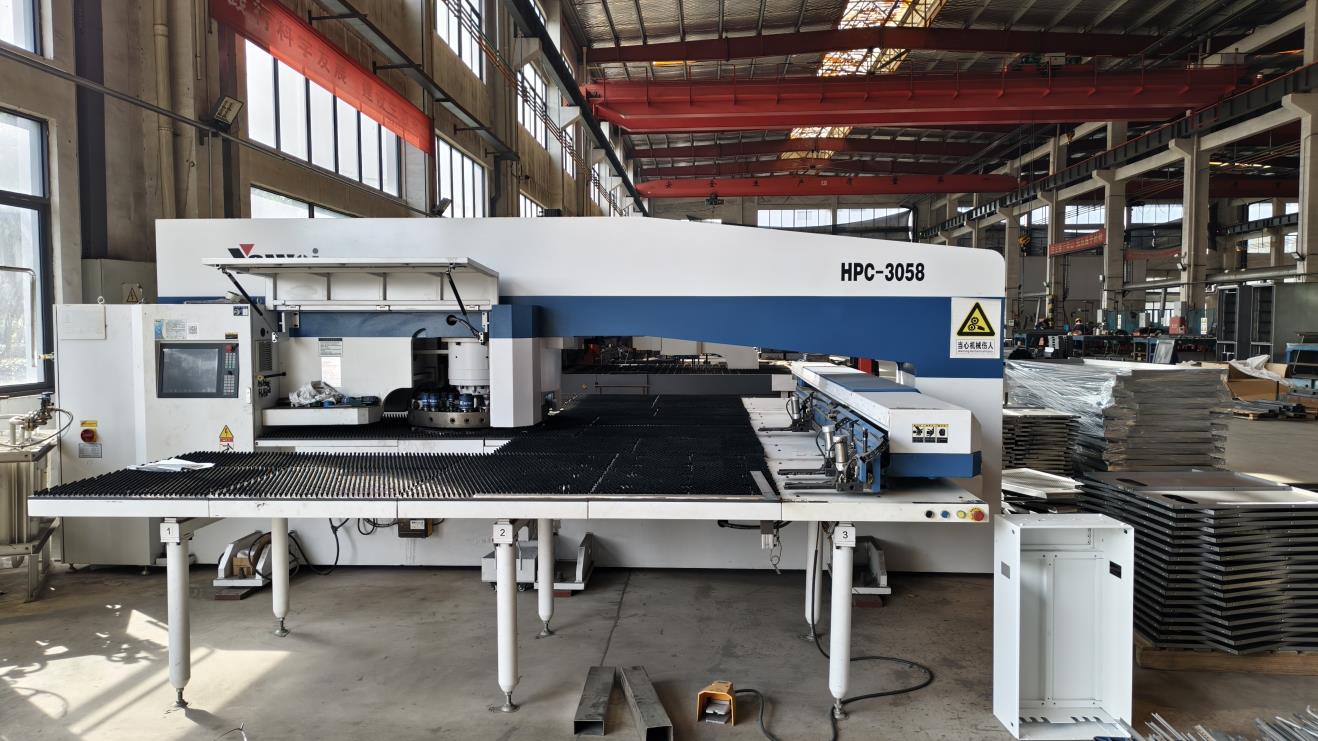
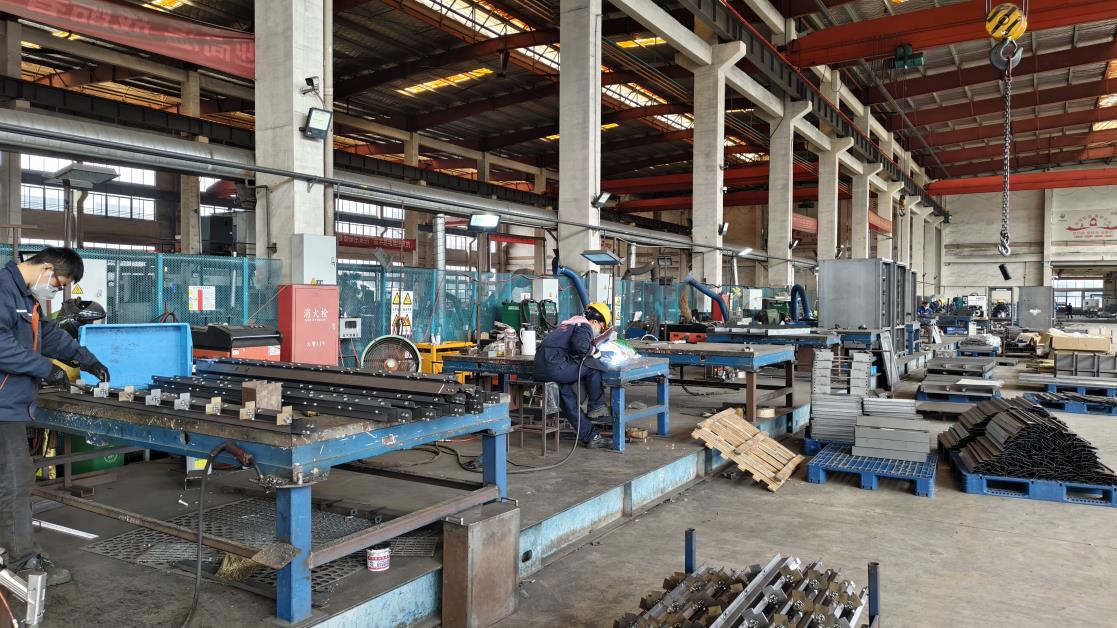
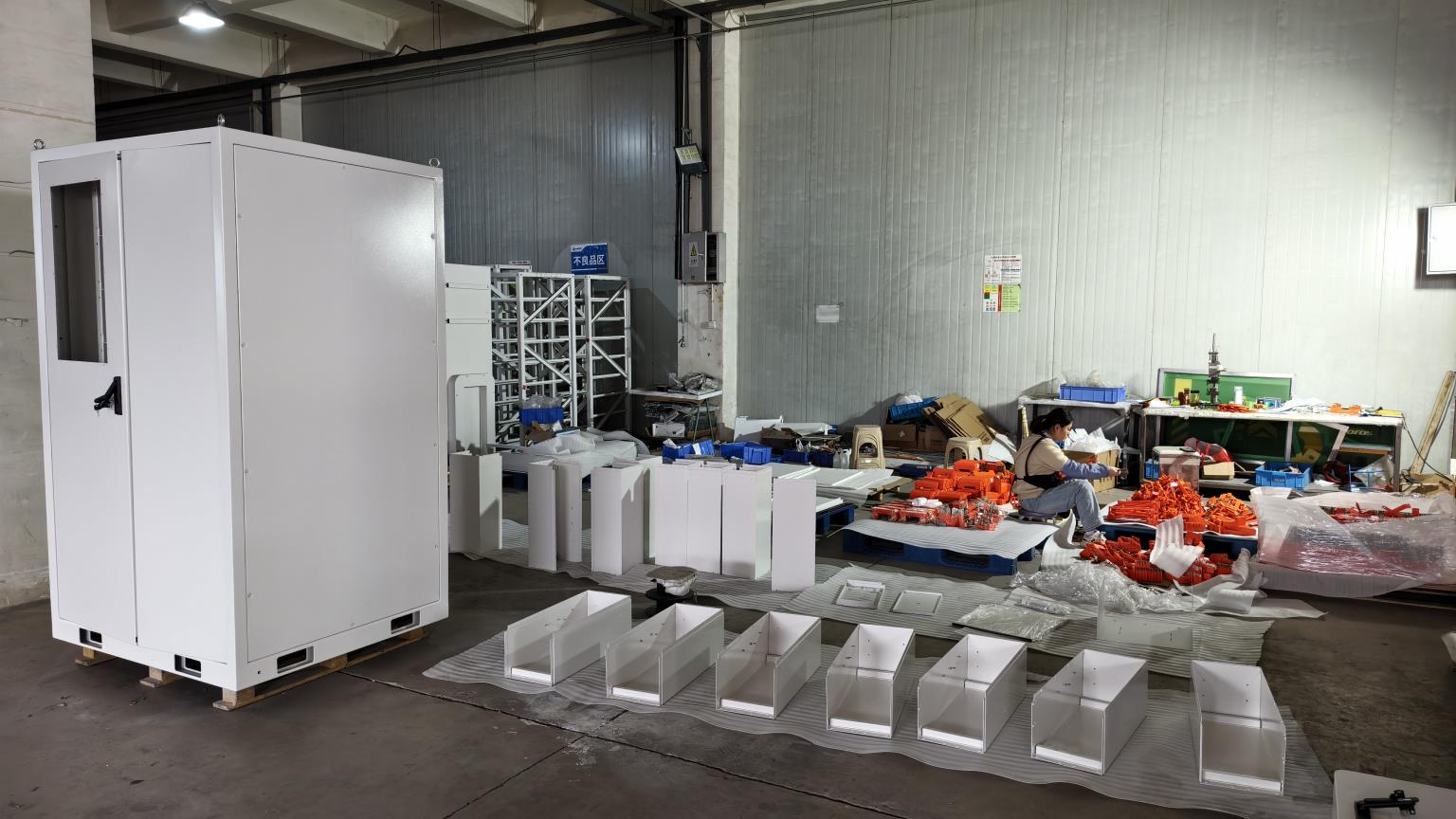
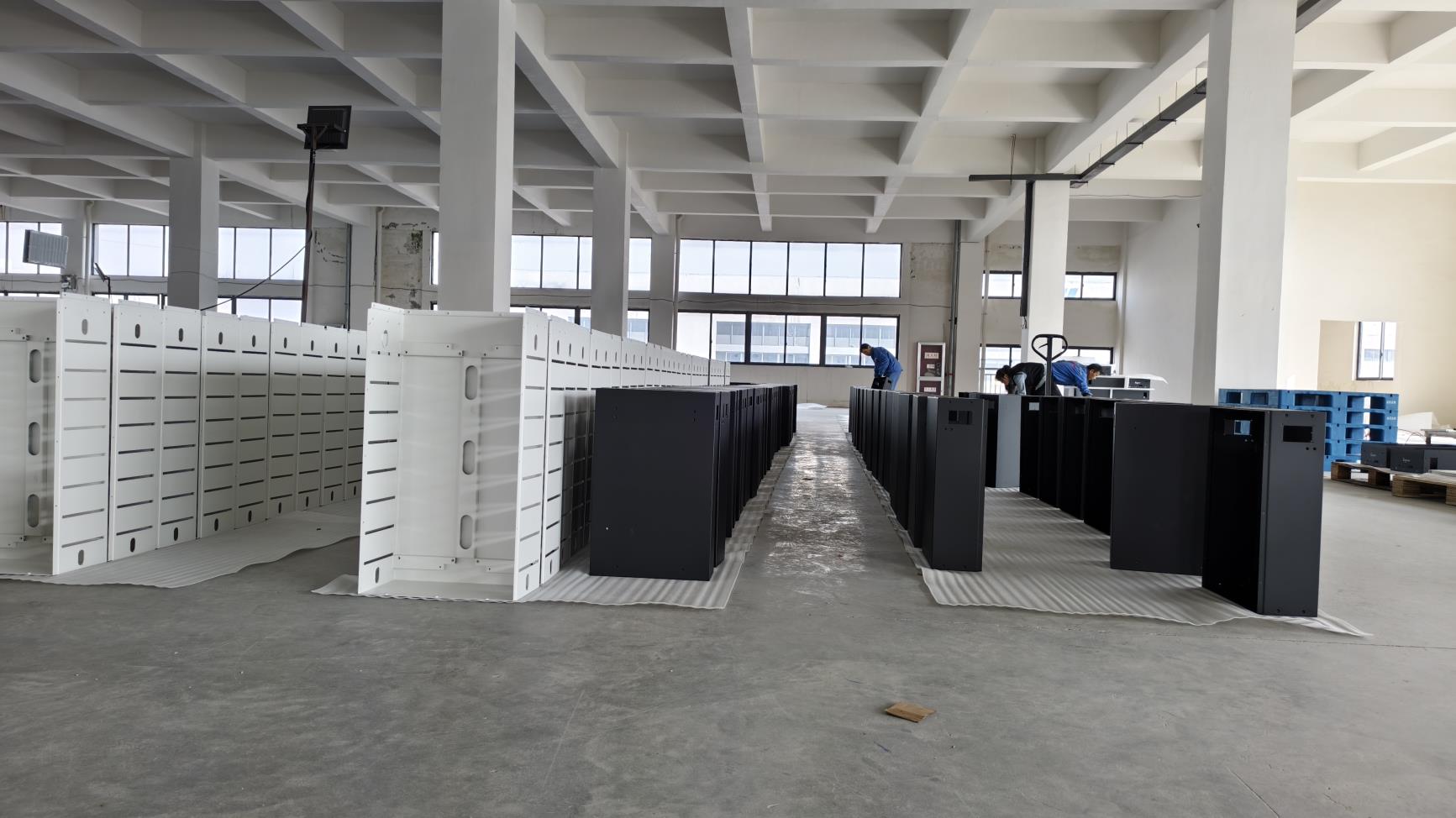
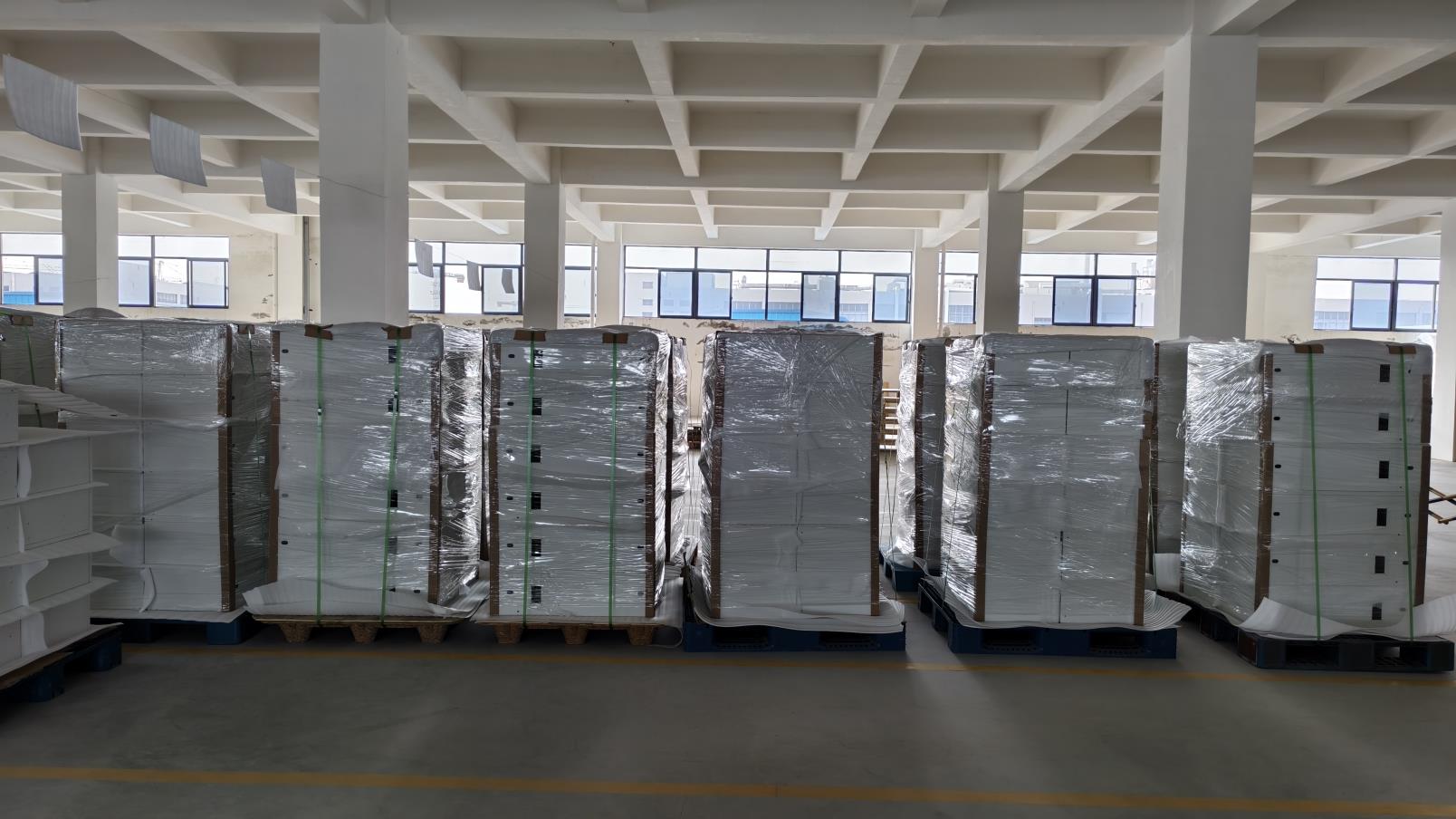
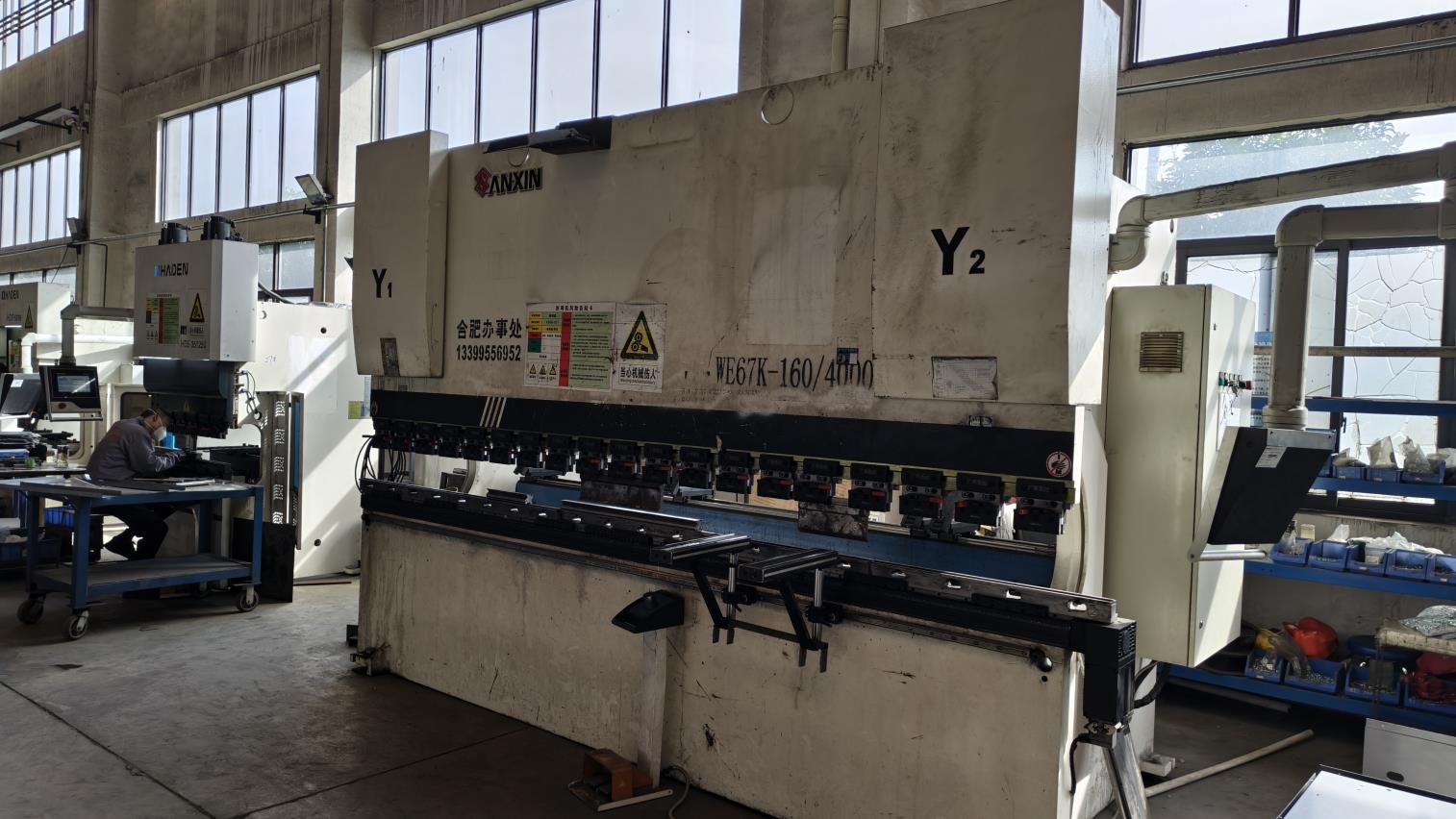
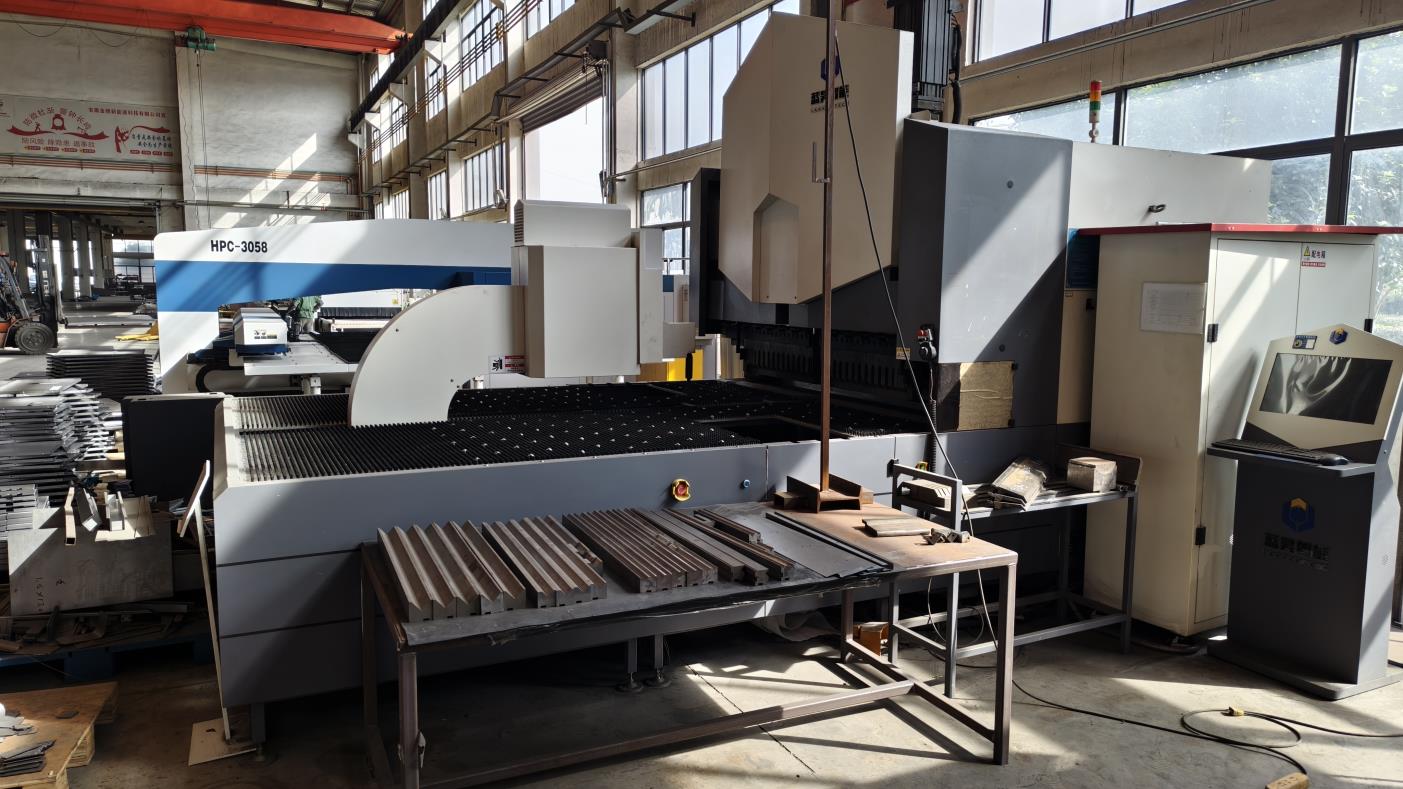
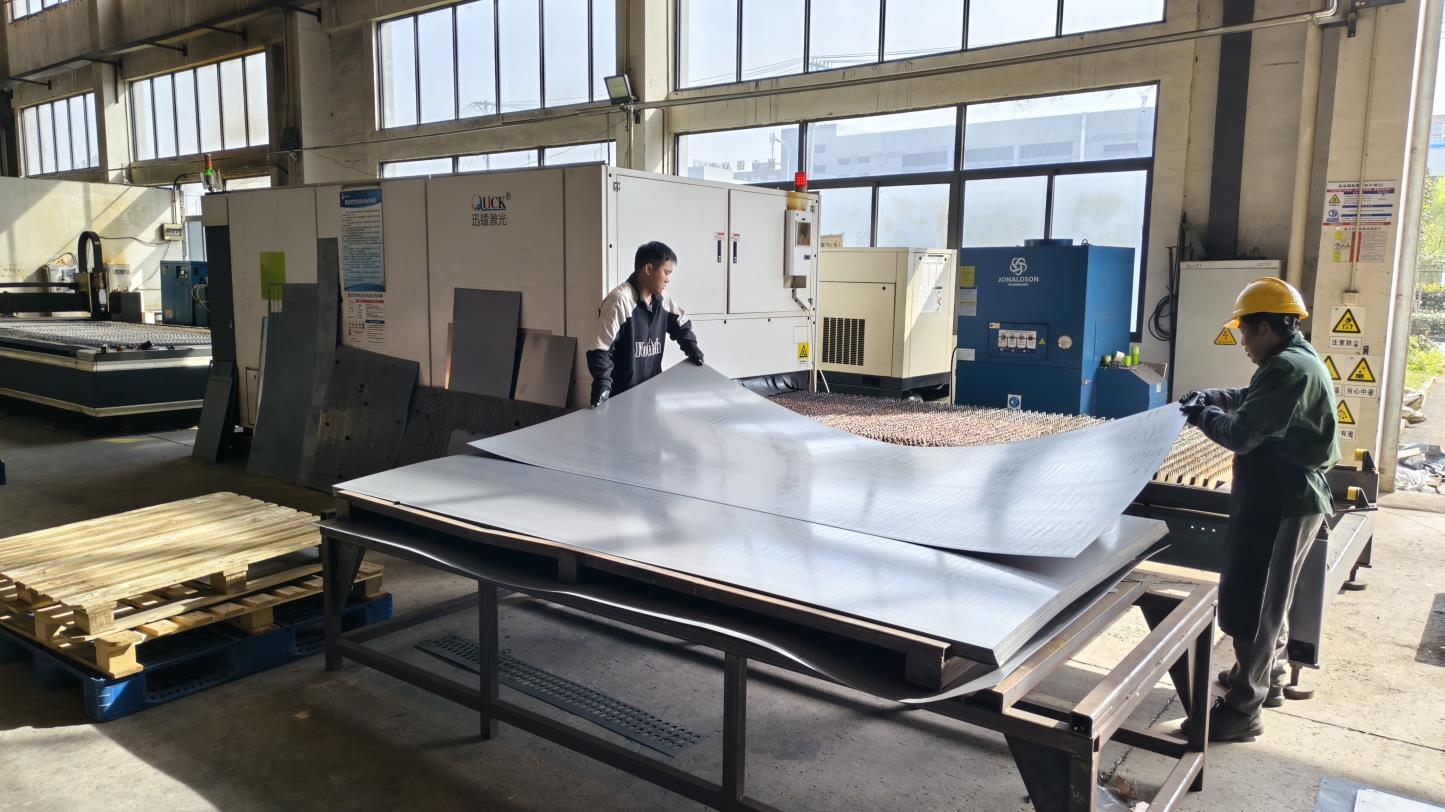
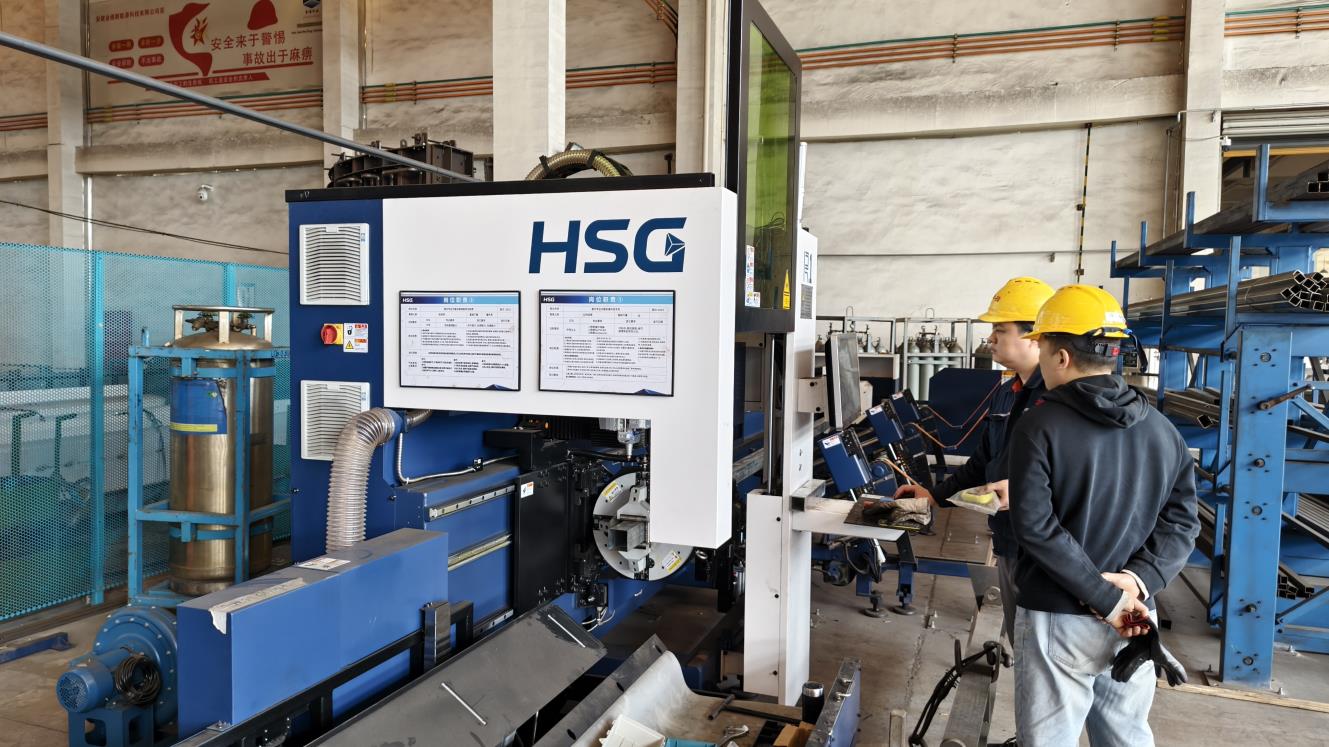
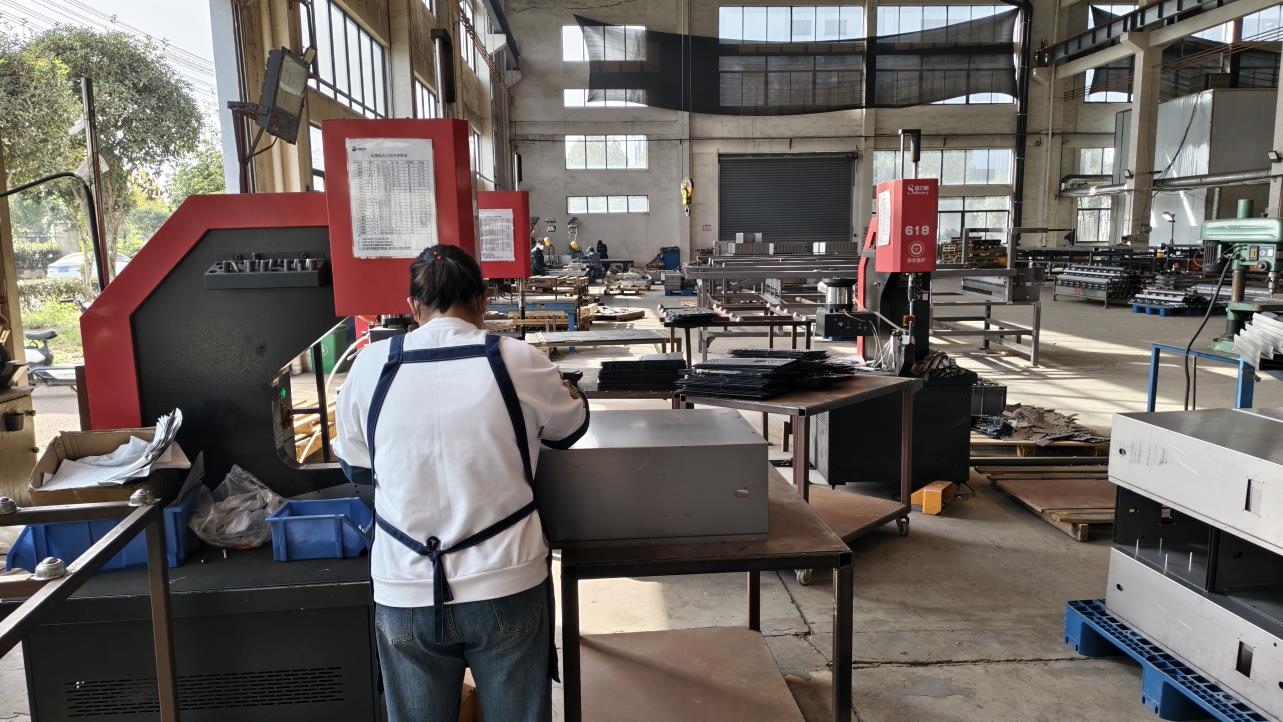
Inside our advanced factory producing high-reliability solar PV protection systems.
Wenzhou Phlox Energy Co., Ltd. stands as a premier global manufacturer and OEM supplier specializing in solar photovoltaic protection and electrical connection systems. Operating out of an 11,500-square-meter facility with over 100 automated production machines, we handle every stage of the manufacturing process internally. This complete vertical integration allows us to enforce strict quality control standards, ensuring that every solar fuse, fuse base, MCB, SPD, and solar connector leaving our facility is built for a 25-year service life.
Our commitment to international certifications (ISO 9001, CE, TUV, IEC, CB) ensures that our solar protection solutions comply with the rigorous specifications required by engineering firms and financial institutions investing in Nigerian infrastructure projects.
Technical and logistics answers tailored for Nigerian buyers, engineers, and distributors.
Explore our wider range of solar fuses and fuse base assemblies engineered for long-term stability.
Looking for a custom electrical protection solution? Whether you are a solar distributor in Lagos, an EPC contractor building mini-grids in Northern Nigeria, or a regional assembler, our engineering team is here to assist with detailed specs, volume discount parameters, and shipping options.
Send Inquiry Now Phlox Energy