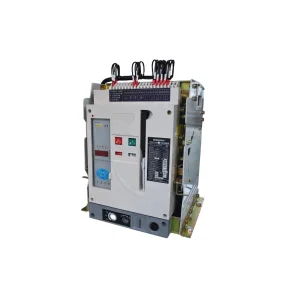
Top China Whole-House Surge Solutions Suppliers & Exporter

Protecting Global Smart Grids, Renewable Solar Arrays, and Critical Electrical Infrastructures with Next-Generation DIN Rail SPDs, Fuses, & Components.

Developing Next-Generation Surge Protective Networks: Insights for EPCs and Global Distributers

The global transition towards decentralized renewable energy, electric vehicle charging, and smart grid automation has introduced extreme volatility into modern power distribution networks. Transient overvoltages—caused by lightning strikes, grid switching operations, and reactive load shedding—account for over 60% of commercial and residential component failures. Implementing Whole-House Surge Protection Solutions is no longer optional; it is a fundamental requirement of modern power system topology.

1. The Evolution of Whole-House Protection Systems

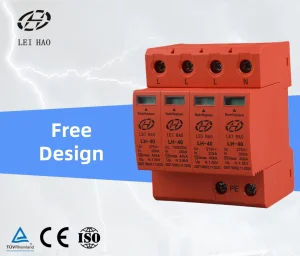
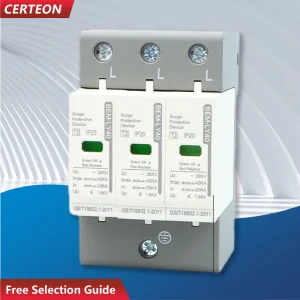
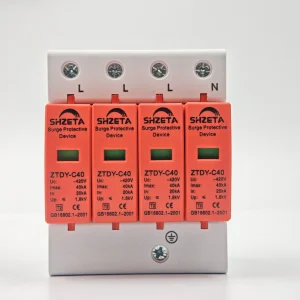
Historically, surge protection was limited to point-of-use surge strips (Type 3 SPDs) at the workstation level. Modern standards (including the latest IEC 61643-11 and UL 1449 editions) mandate a multi-tiered, coordinated approach. Type 1 SPDs are installed at the service entrance boundary (between the overhead utility feed and the main service switch) to absorb high-energy impulse currents up to 100kA. Concurrently, Type 2 SPDs are situated at downstream branch distribution boards to clamp remaining transient voltages to a safe voltage protection level ($U_p < 1.5kV$).

2. Global Procurement and Engineering Compliance Metrics

Global procurement teams must evaluate key design characteristics to ensure durability in critical environments:

  • Maximum Continuous Operating Voltage ($U_c$): Must be configured to local nominal voltages plus at least a 15% safety threshold to survive grid swings without premature degradation.
  • Nominal Discharge Current ($I_n$) vs. Max Discharge Current ($I_{max}$): Higher $I_n$ capabilities demonstrate thermal robustness under multiple operating sequences.
  • Thermal Disconnector Safety: Active monitoring networks that isolate degraded Metal Oxide Varistors (MOVs) prior to terminal thermal runaway.

3. Integration with Solar PV and Battery Storage Networks

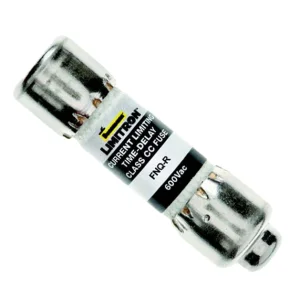
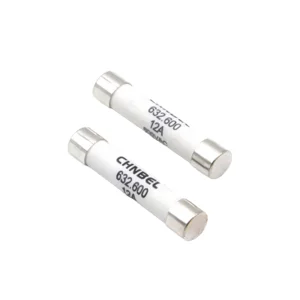
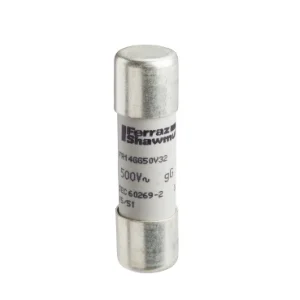
Solar installations act as massive copper arrays exposed directly to electromagnetic induction from lightning. Standard AC surge protectors cannot operate on DC solar loops; they lack the extinguishing capability for DC fault currents. Wenzhou Phlox Energy offers advanced PV Combiner DC protection topologies equipped with high-extinction cartridge fuses, DC fuses, and DC-rated SPDs operating up to 1000V/1500V DC. This ensures uninterrupted safety from PV arrays down to the central inverter.

Technical Comparison Table

Classification Type 1 & Type 2 Coordinated
Standards Compliance IEC 61643-11, EN 50539-11
AC Working Voltages 220V, 275V, 380V, 440V
DC Protection Range 500V, 1000V, 1500V DC
Response Time ($t_A$) < 25 ns
Nominal Discharge ($I_n$) 20kA - 40kA
Max Discharge ($I_{max}$) Up to 100kA
Protection Enclosure IP20 / IP67 (LED/Outdoor)

About Wenzhou Phlox Energy Co., Ltd.

Wenzhou Phlox Energy Co., Ltd. is a professional manufacturer and supplier specializing in solar photovoltaic protection and electrical connection solutions. With more than 10 years of industry experience, we are dedicated to the research, development, production, and innovation of high-quality solar accessories and low-voltage electrical products for global renewable energy markets.

11,500m² Production Base

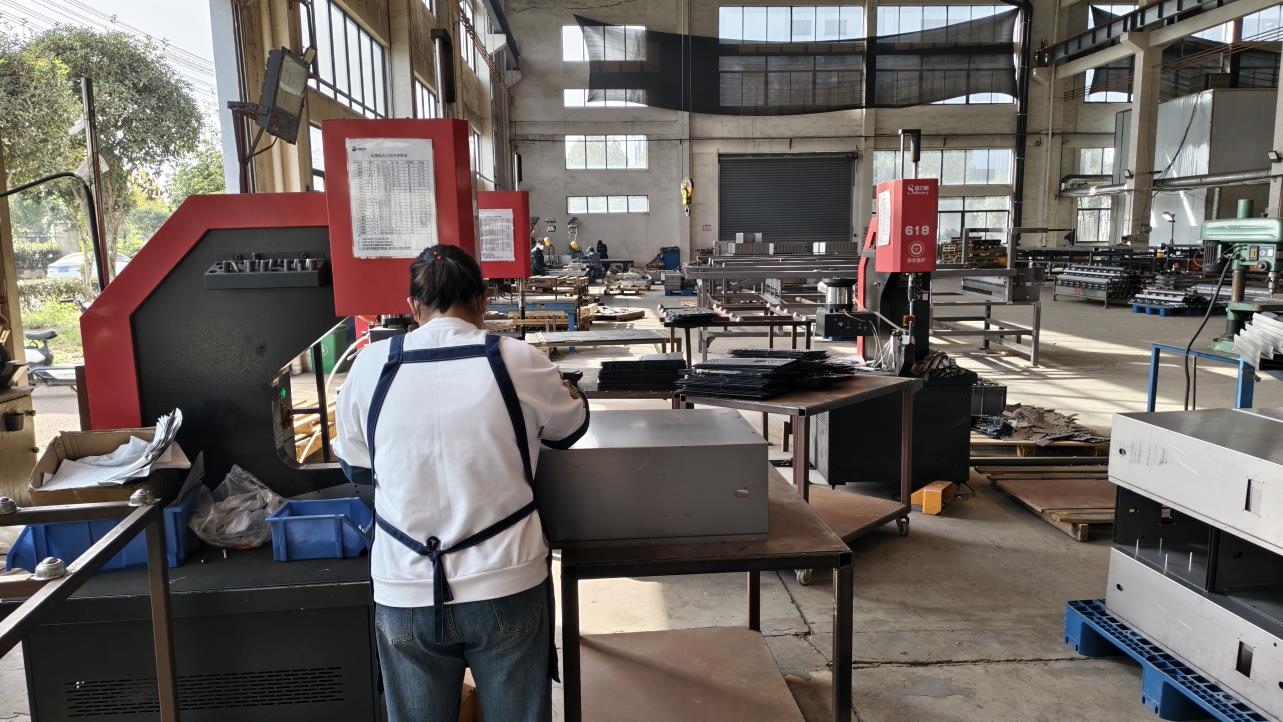
Equipped with 7 advanced production lines and over 100 automated production machines, enabling high efficiency, scale economies, and precision quality controls.

Global Certifications

Our products undergo rigorous third-party audits to earn certifications including CE, TUV, IEC, CB, and ISO 9001. Reliability in severe climates is guaranteed.

3,900+ Solar Projects

Having successfully participated in more than 3,900 solar energy projects worldwide, Phlox Energy has earned a strong reputation for premium product quality.
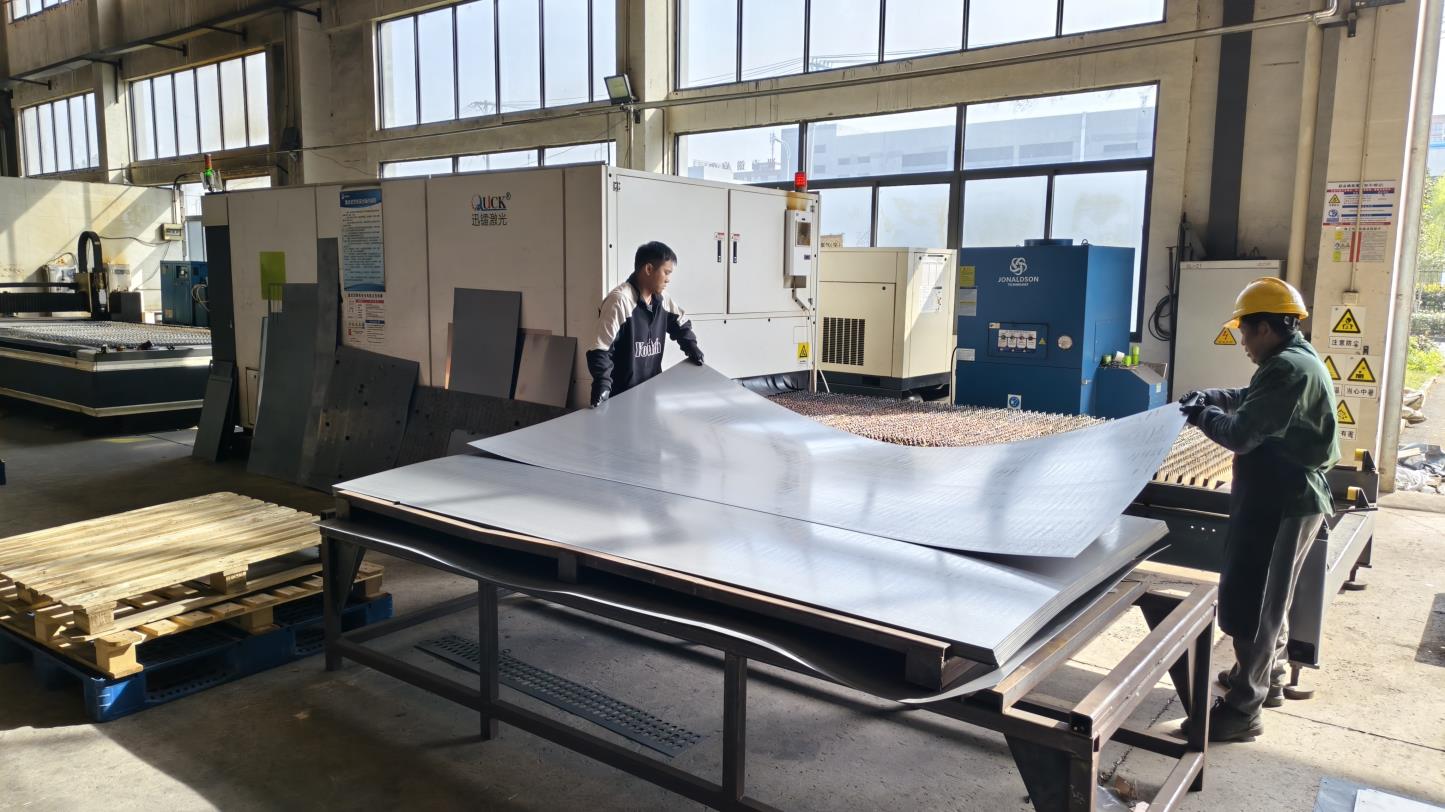
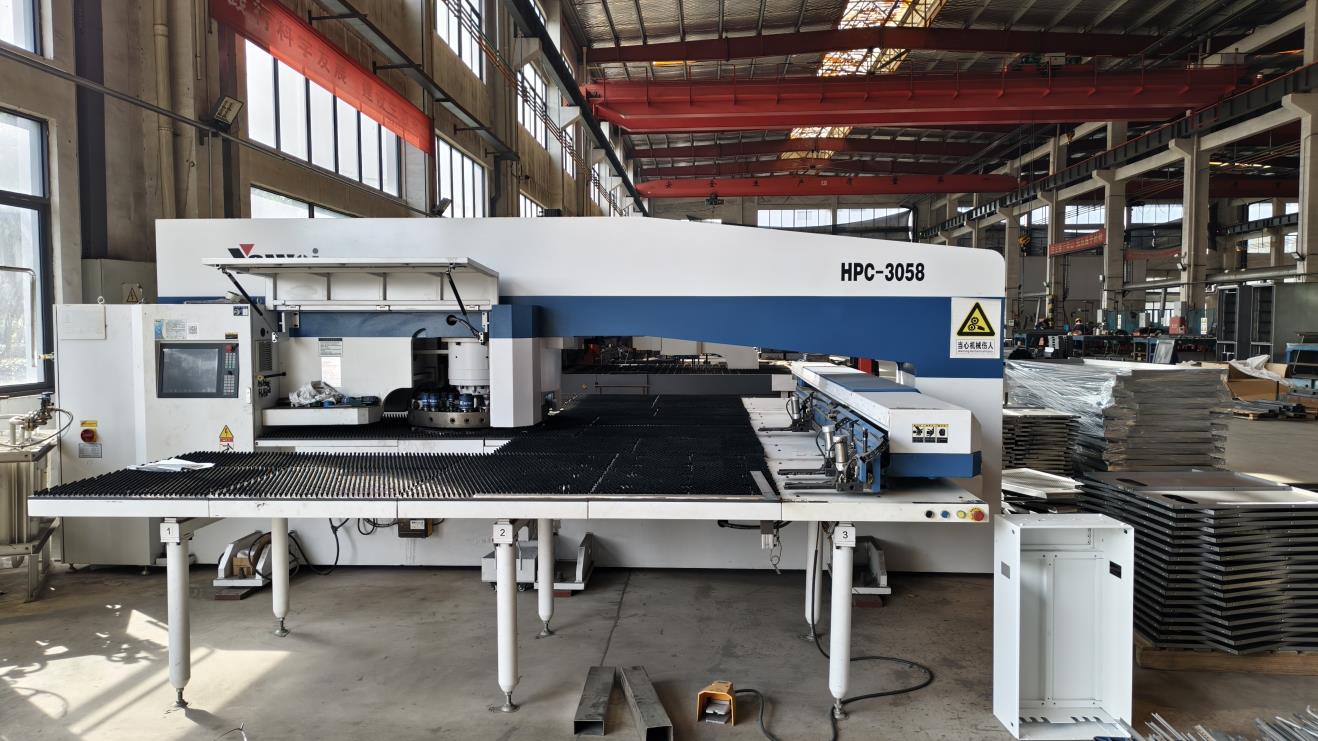
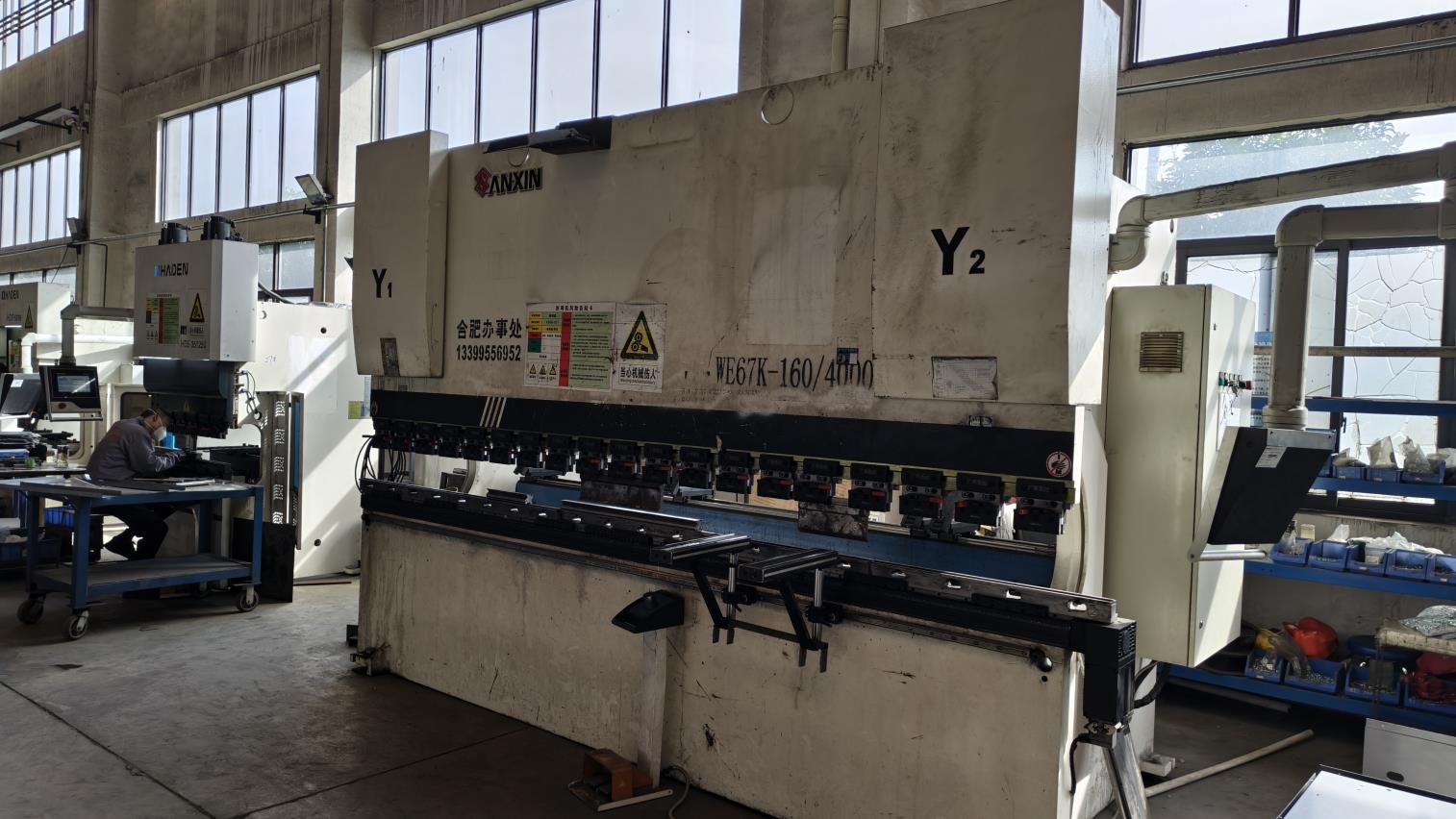
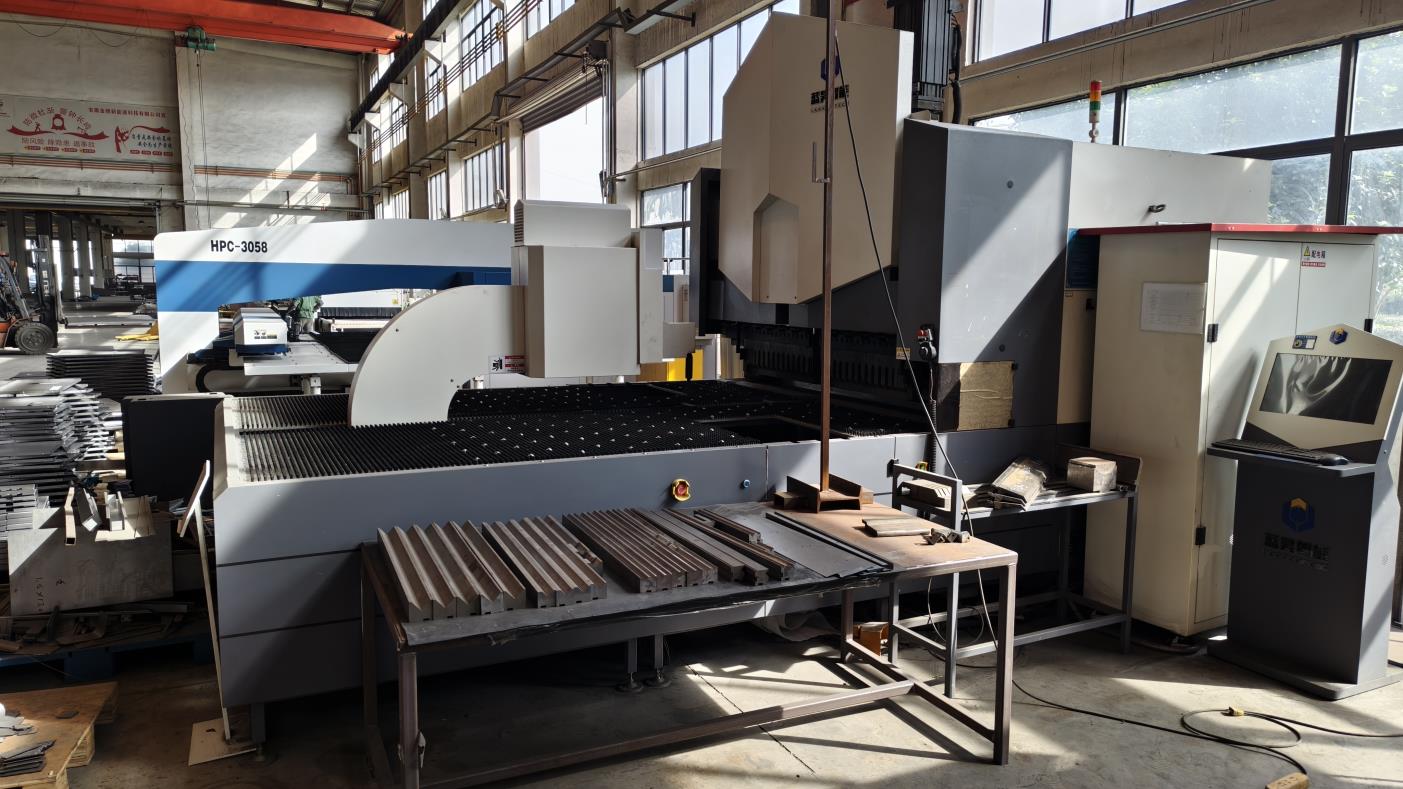
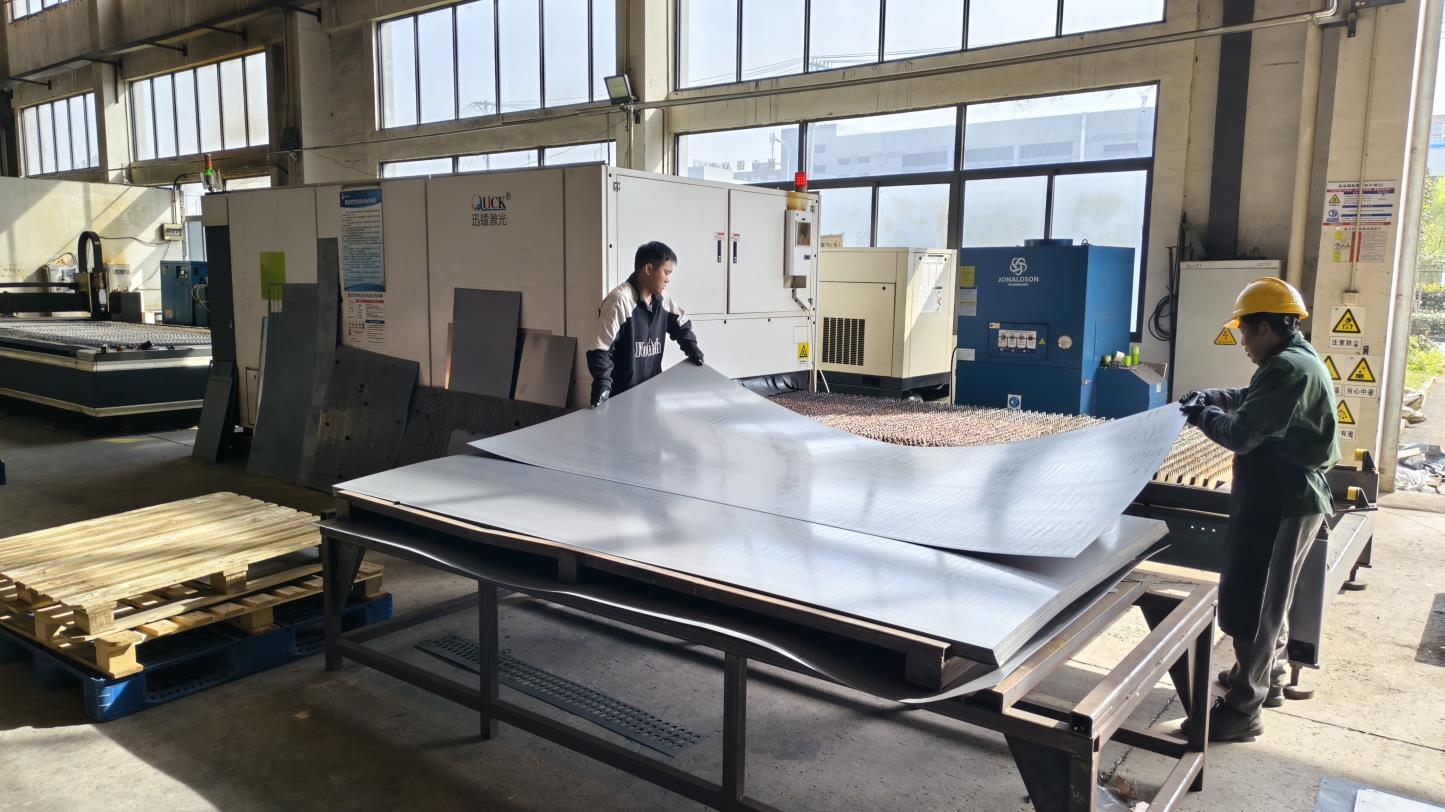
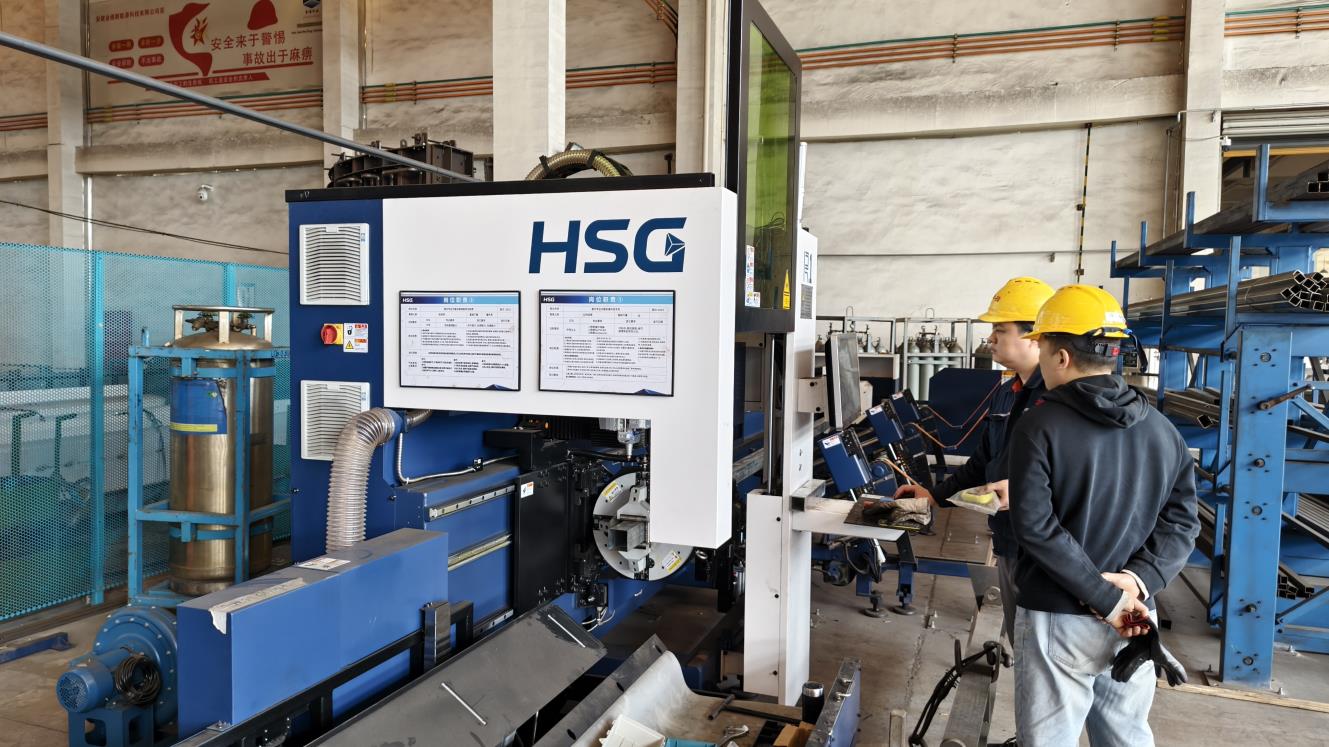
Advanced Production Equipment & Factory Processes

Laser Cutting
Laser Cutting
Bending
Bending
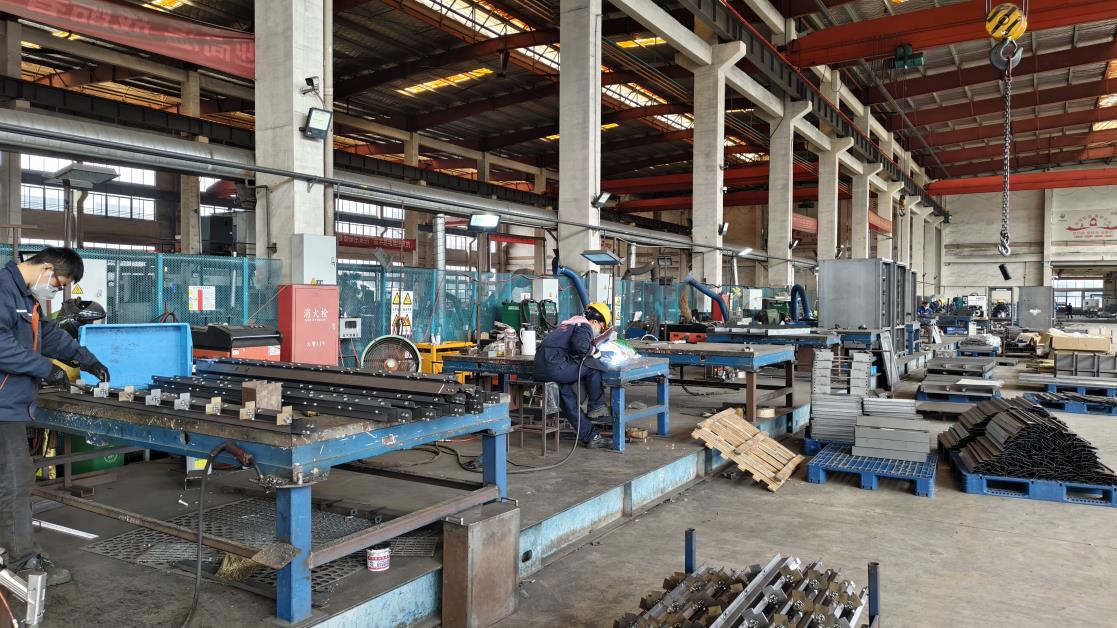
Welding
Welding
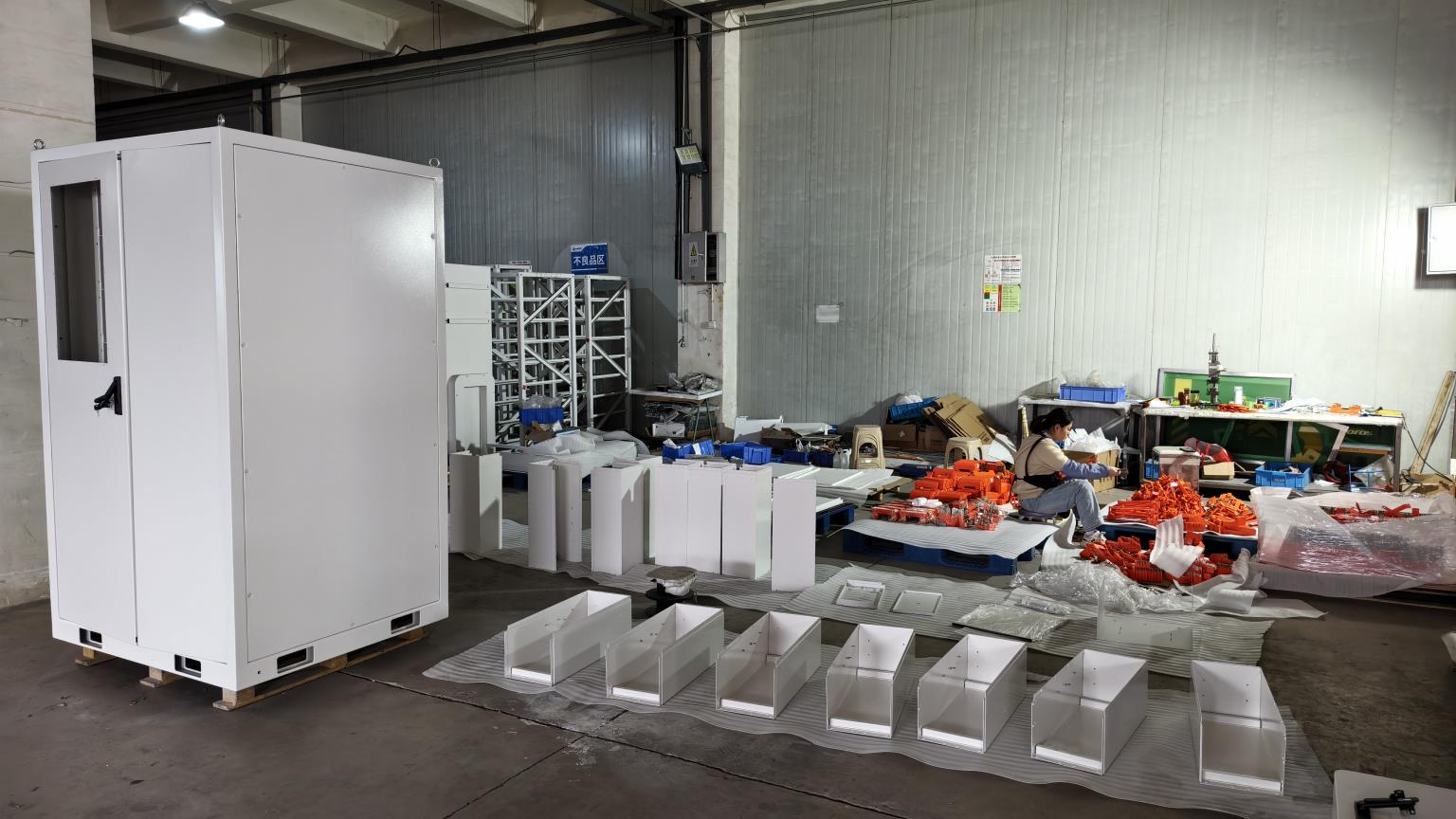
Assembling
Assembling
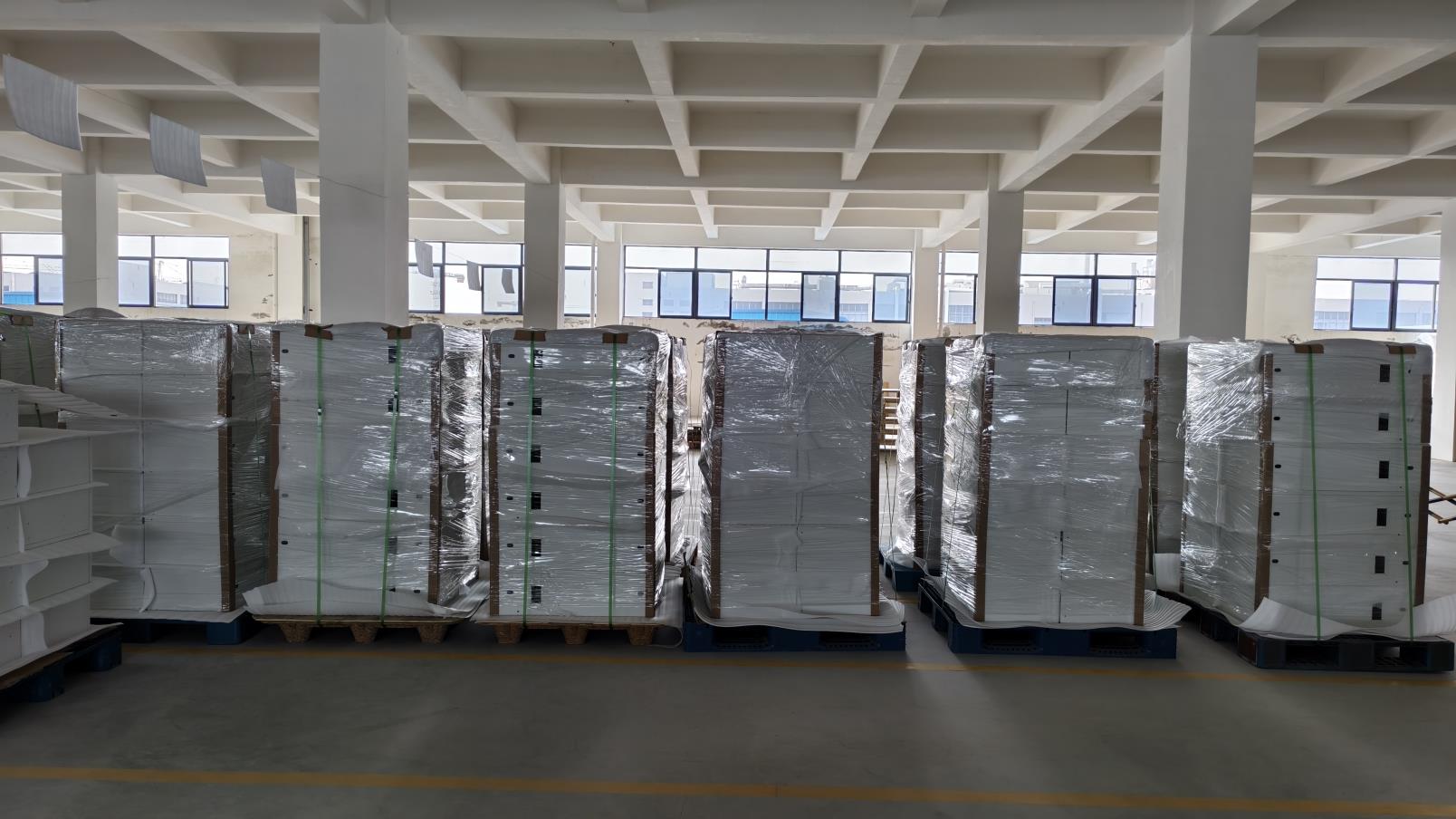
Packing
Packing
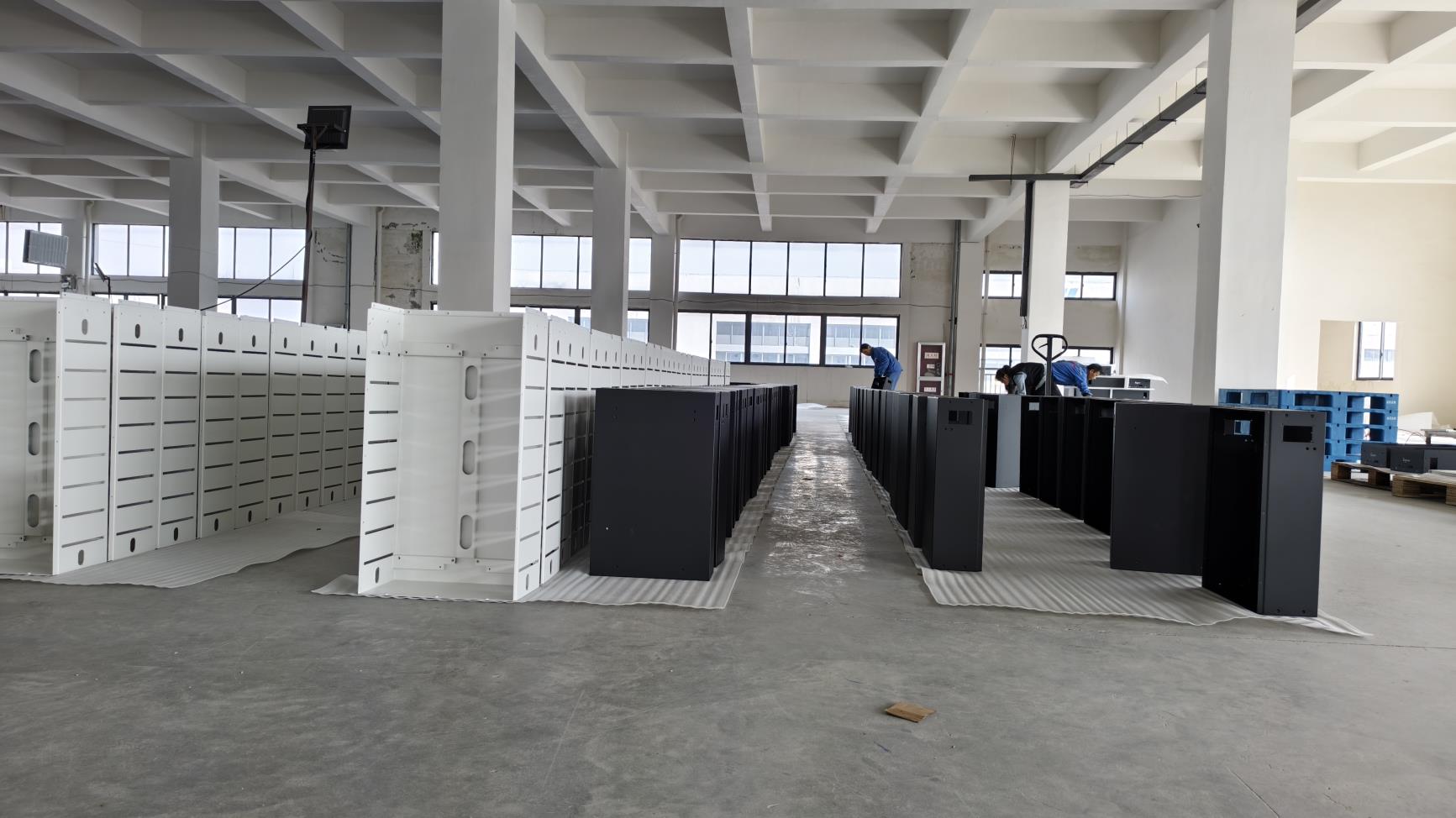
Warehouse
Warehouse
Bending Machine
Bending Machine
CNC Bending Machine
CNC Bending Machine
Laser Cutting Machine
Laser Tube Cutting Machine
Riveting Machine
Riveting Machine
10+
Years Industry Experience
$20M+
Annual Output Value
150+
Professional Personnel
7+
Automated Production Lines

Technological Roadmap & Future Outlook

Smart IoT Surge Protection

We are developing next-generation intelligent SPDs equipped with RS485 communication protocols, Modbus connectivity, and smart indicator chips to transmit real-time health diagnostics to monitoring clouds.

Nanostructured Material Science

Utilizing advanced graphene-doped Zinc Oxide Varistor (MOV) formulations to achieve minimal leakage current and enhanced thermal stability under high continuous stress conditions.

Global Standardization & Compliance

As regulatory demands dynamically scale globally, Wenzhou Phlox Energy actively updates internal validation labs to comply with UL 1449 5th edition draft guidelines.

Surge Protection & PV Connectivity FAQ

What is the difference between a Type 1 and Type 2 Surge Protective Device (SPD)? +
Type 1 SPDs are designed for installation at the grid entry point before the main breaker panel to defend against massive direct lightning impulses (tested under 10/350 μs waveforms). Type 2 SPDs are installed on the load side of the main service panel, managing switching transients and indirect surge events (tested under 8/20 μs waveforms).
Why do photovoltaic systems require dedicated DC fuses and DC SPDs? +
Direct Current (DC) arcs generated from solar panels do not have a natural zero-crossing point like Alternating Current (AC). Standard AC circuit switchers cannot extinguish DC arcs, risking electrical fires. DC-rated fuses and SPDs are engineered with specialized materials and magnetic arc-extinguishers to safely terminate DC overcurrents.
How does the thermal disconnect feature prevent fire hazards in MOVs? +
MOVs naturally degrade over time from multiple transient shuntings. If degradation goes too far, leakage currents increase, heating up the varistor. Our integrated thermal disconnect mechanism trips open physically when internal temperatures reach unsafe thresholds, decoupling the degraded SPD safely from the line voltage and displaying a red visual alert indicator.
Can Wenzhou Phlox Energy provide OEM and ODM manufacturing services? +
Yes. Leveraging over 10 years of R&D, advanced CNC bending, laser cutting, and riveting machinery, we provide custom design-to-spec OEM/ODM capabilities. We can adapt voltage levels, shell designs, terminal layouts, and branding to suit your local compliance and commercial needs.