Top China Flexible Cables Manufacturer & Exporter

Precision Engineering, Robust Durability, and Compliance-Driven Photovoltaic & Electrical Protection Infrastructure for Global Renewable Energy Projects

Global Industrial Status & Challenges of Flexible Cables in Energy Systems

In the modern industrial paradigm, particularly within utility-scale solar installations and automation networks, the demand for high-performance flexible cables is expanding at an unprecedented rate. Unlike conventional rigid cables, flexible cables (including specialized solar PV cables and dynamic routing harnesses) must maintain their mechanical and electrical integrity under continuous flexural stress, wide temperature fluctuations, and aggressive external environmental exposures.

Historically, wiring failures have represented a significant portion of unplanned downtime in solar farms. As solar arrays expand into harsh geographical locations—such as high-salinity coastal areas, high-altitude alpine regions, and scorching desert environments—the demands placed on cabling materials have shifted from simple electrical conduction to long-term chemical and physical resilience. Key features required by modern global EPC (Engineering, Procurement, and Construction) companies include:

  • Superior Ozone and UV Resistance: Prolonged exposure to sunlight degrades standard PVC jackets, causing cracking, moisture ingress, and eventually ground faults. High-quality cables rely on cross-linked polyolefin (XLPO) materials.
  • Mechanical Flexibility and Tensile Strength: Dynamic solar tracking systems rely on cabling that can bend and twist repeatedly without fracturing the copper strands inside.
  • Optimized Ambient Temperature Range: Cables must perform reliably from sub-zero winter temperatures (-40°C) up to extreme heat conditions (+90°C ambient, and up to +120°C conductor temperature).
10+
Years of R&D Experience
11,500m²
Production Facility
$20M+
Annual Export Output Value
3,900+
Global Projects Completed

Why the Global Renewable Infrastructure Demands Specialized Protective Elements

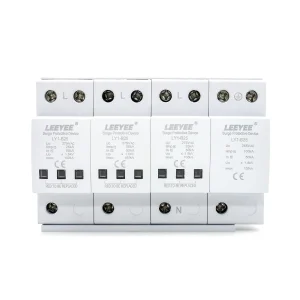
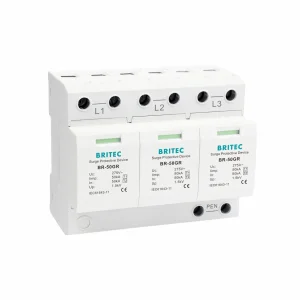
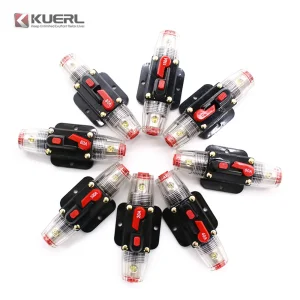
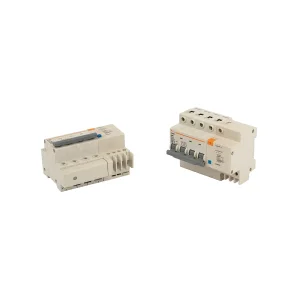
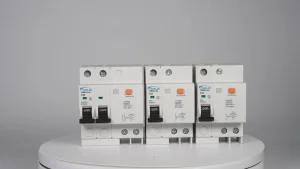
A cable network does not operate in isolation. In high-power DC systems, transient surges, lightning strikes, and short-circuit faults present severe operational hazards. A comprehensive electrical path must incorporate robust Surge Protective Devices (SPDs), highly sensitive DC miniature circuit breakers (MCBs), and fast-acting fuses. Choosing a manufacturer that understands both the physical transmission medium (the cables) and the protection system (the MCBs and SPDs) is critical to building a stable, long-lived electrical ecosystem.

China's Manufacturing Synergy: Quality, Efficiency & Scalability

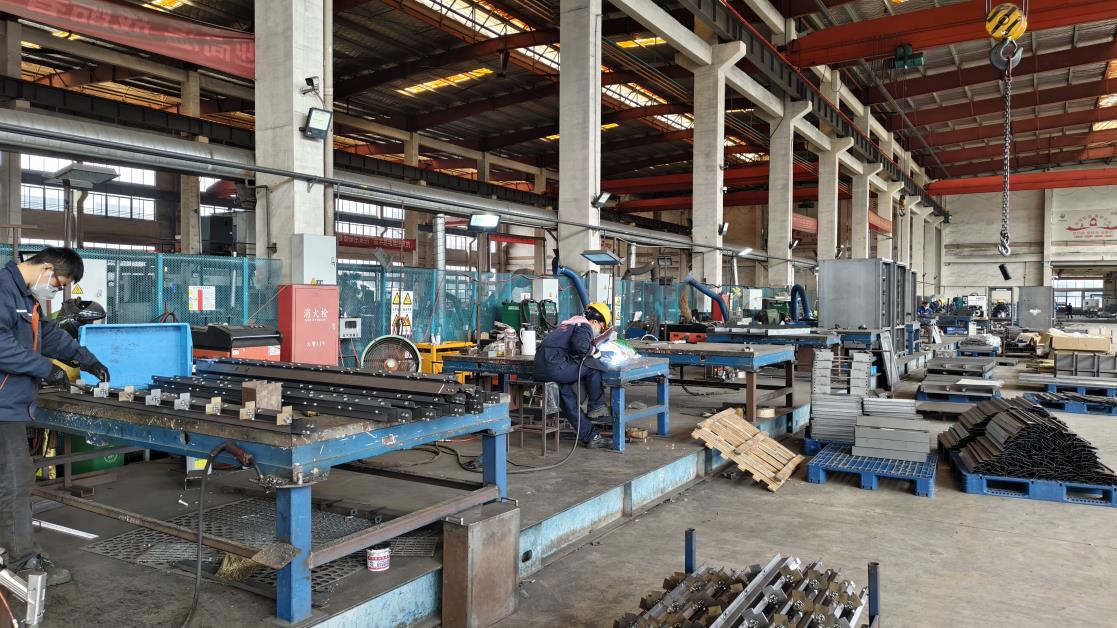
China is globally recognized as the central hub for advanced electrical component manufacturing. This status is not simply a result of lower labor costs, but rather the result of a highly evolved supply chain ecosystem, specialized raw material access, and massive capital investments in automation technology. Wenzhou, in particular, stands at the forefront of this industrial cluster, hosting a robust network of raw copper suppliers, advanced polymer formulators, precision stamping facilities, and testing laboratories.

At Wenzhou Phlox Energy Co., Ltd., we harness this localized industrial synergy to deliver unmatched supply-chain efficiency:

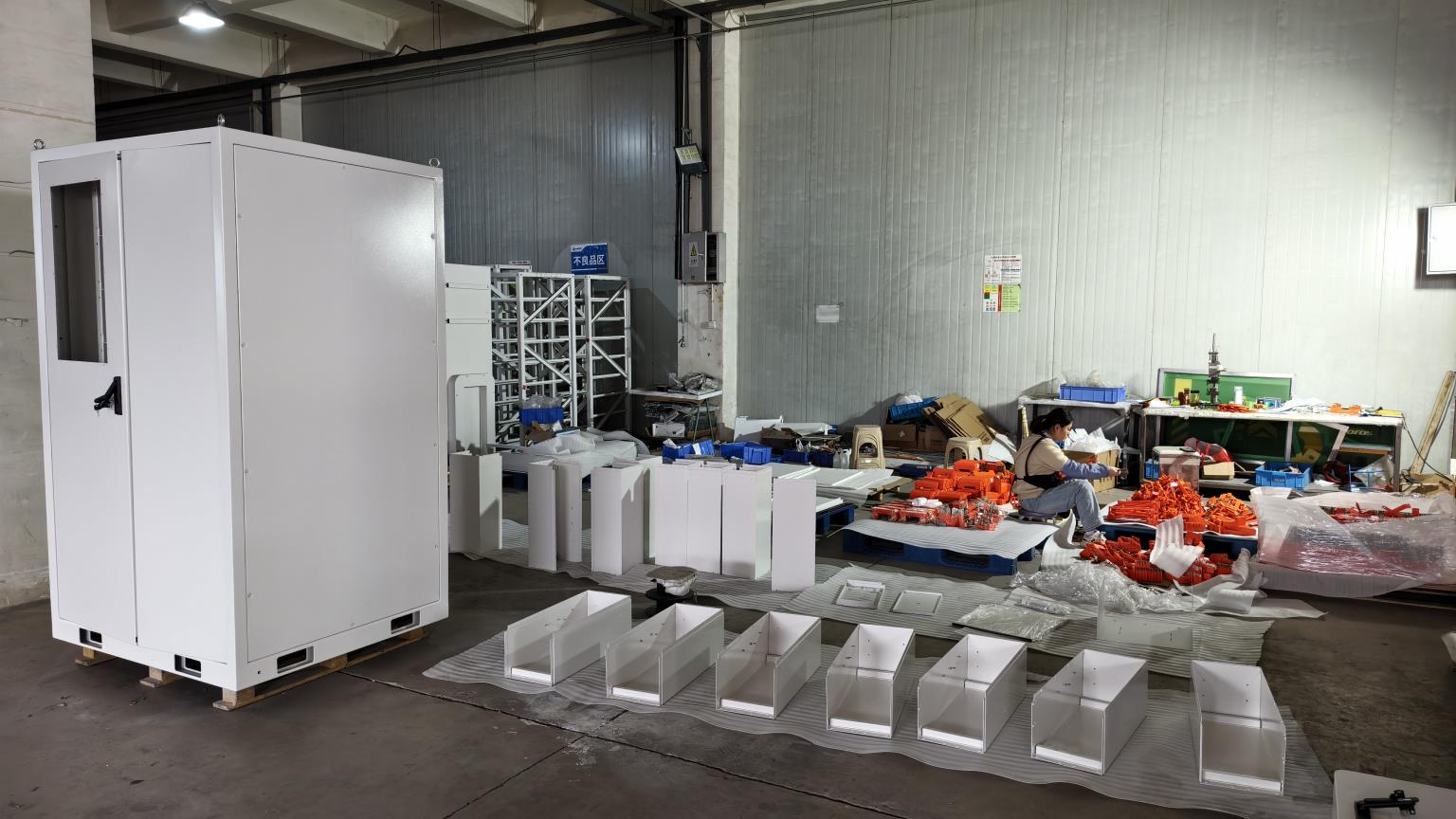
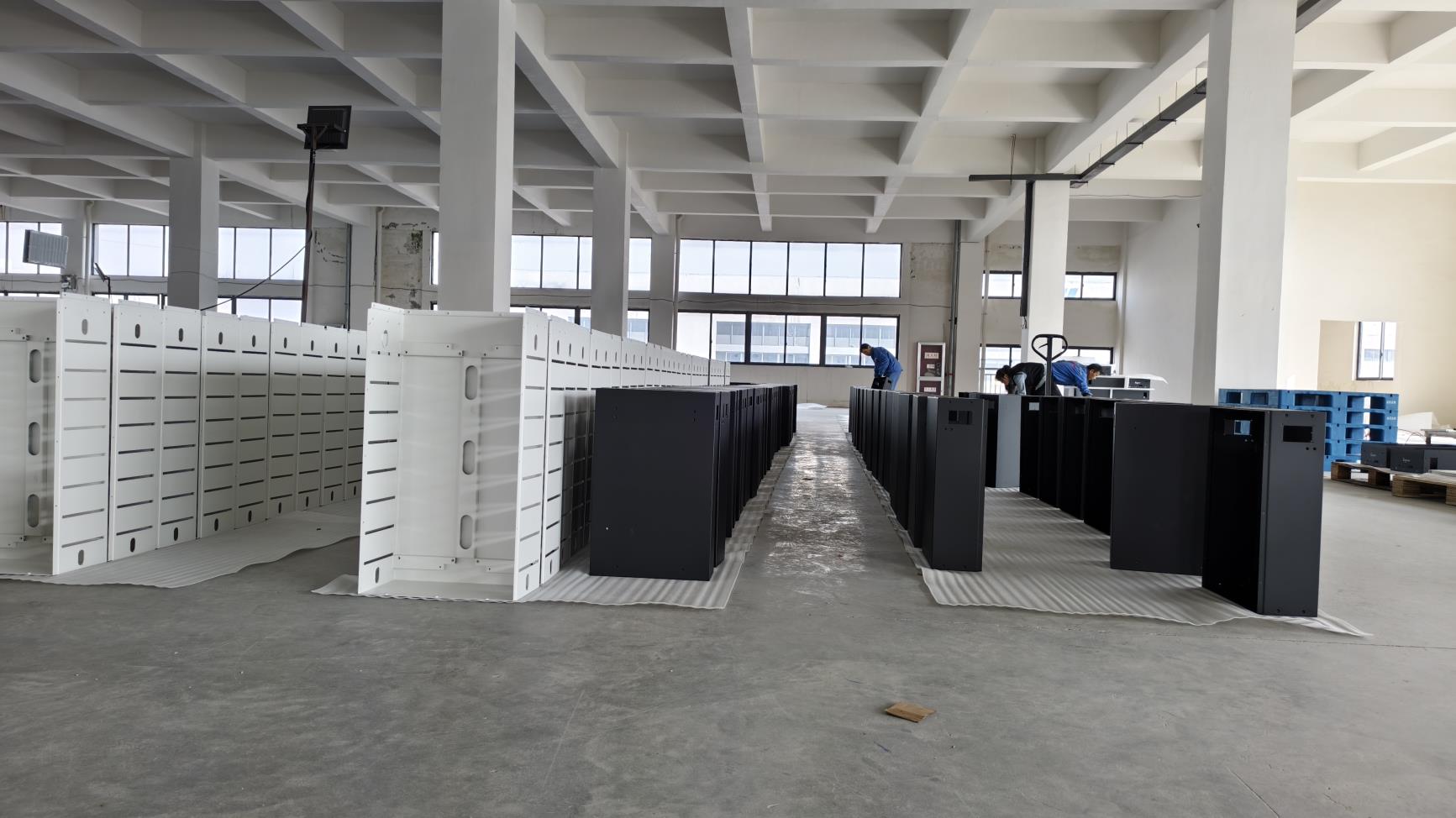
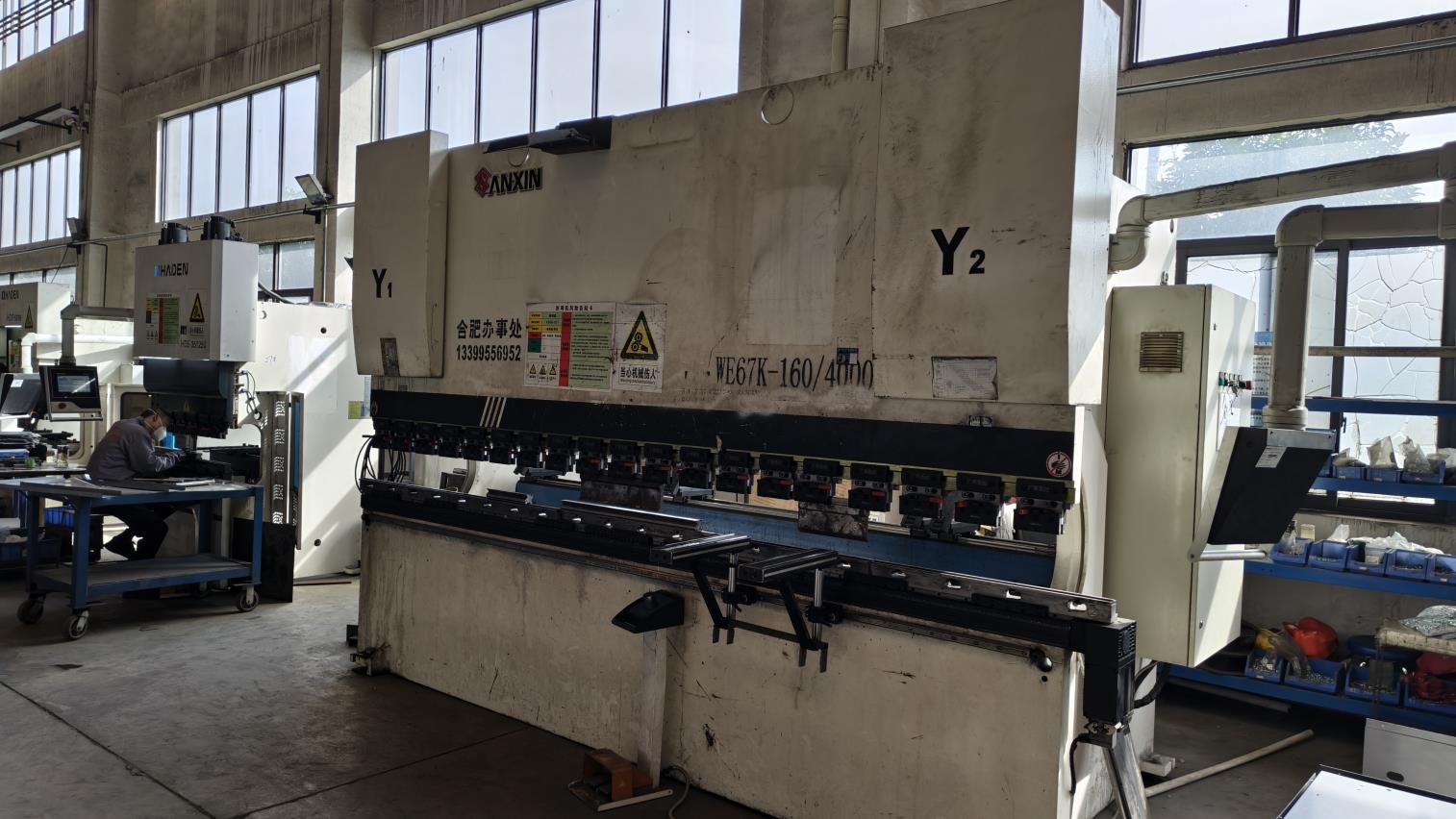
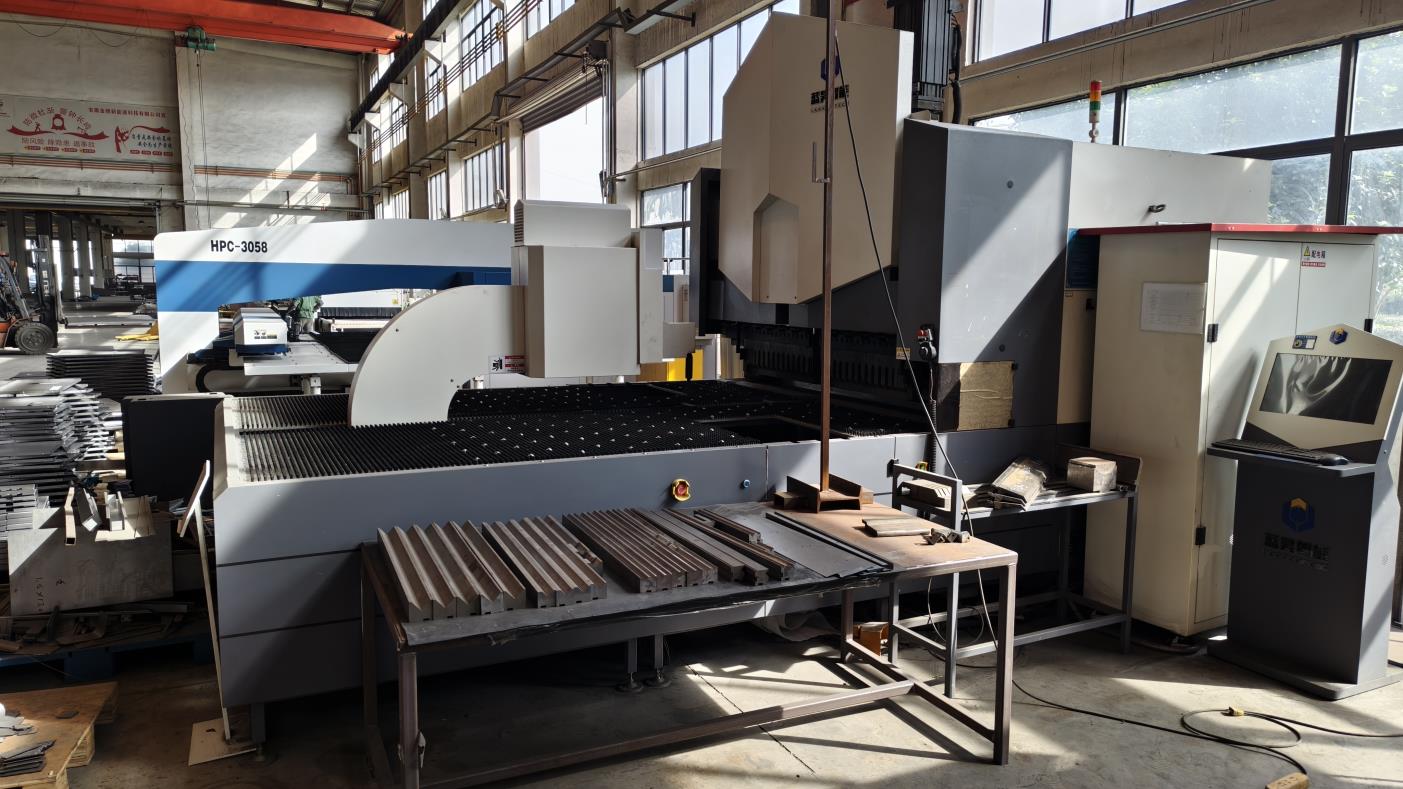
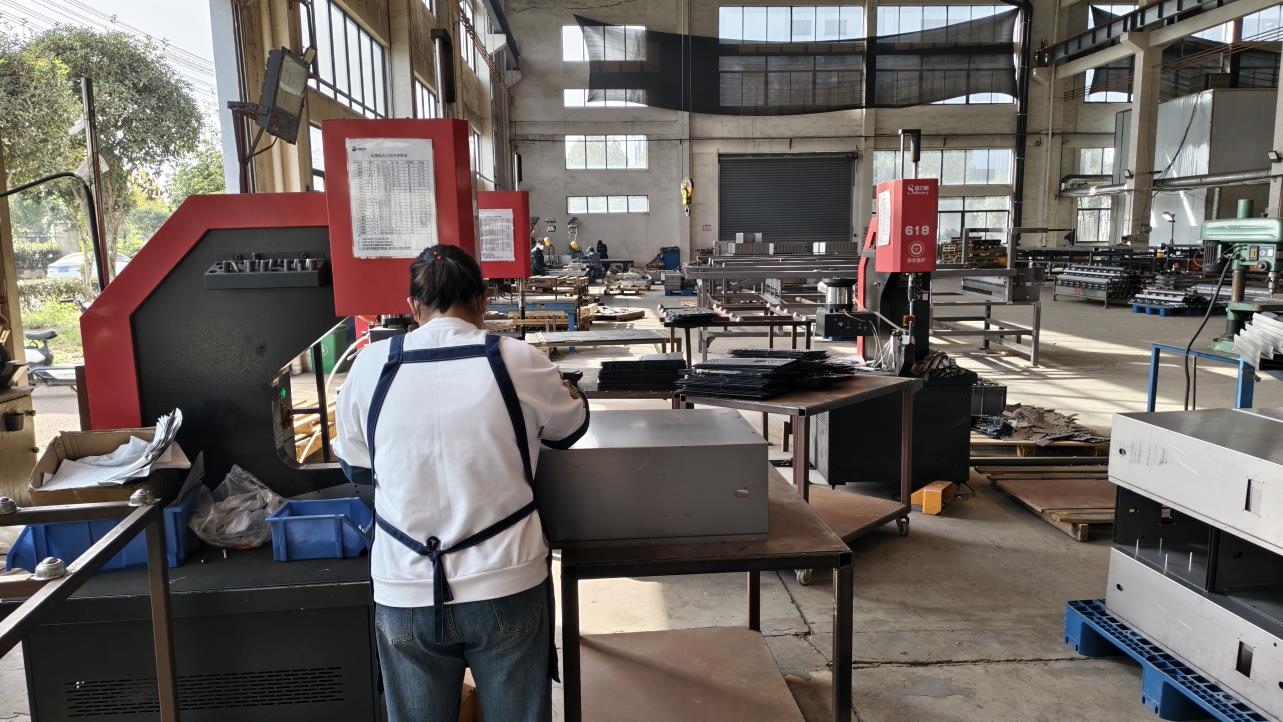
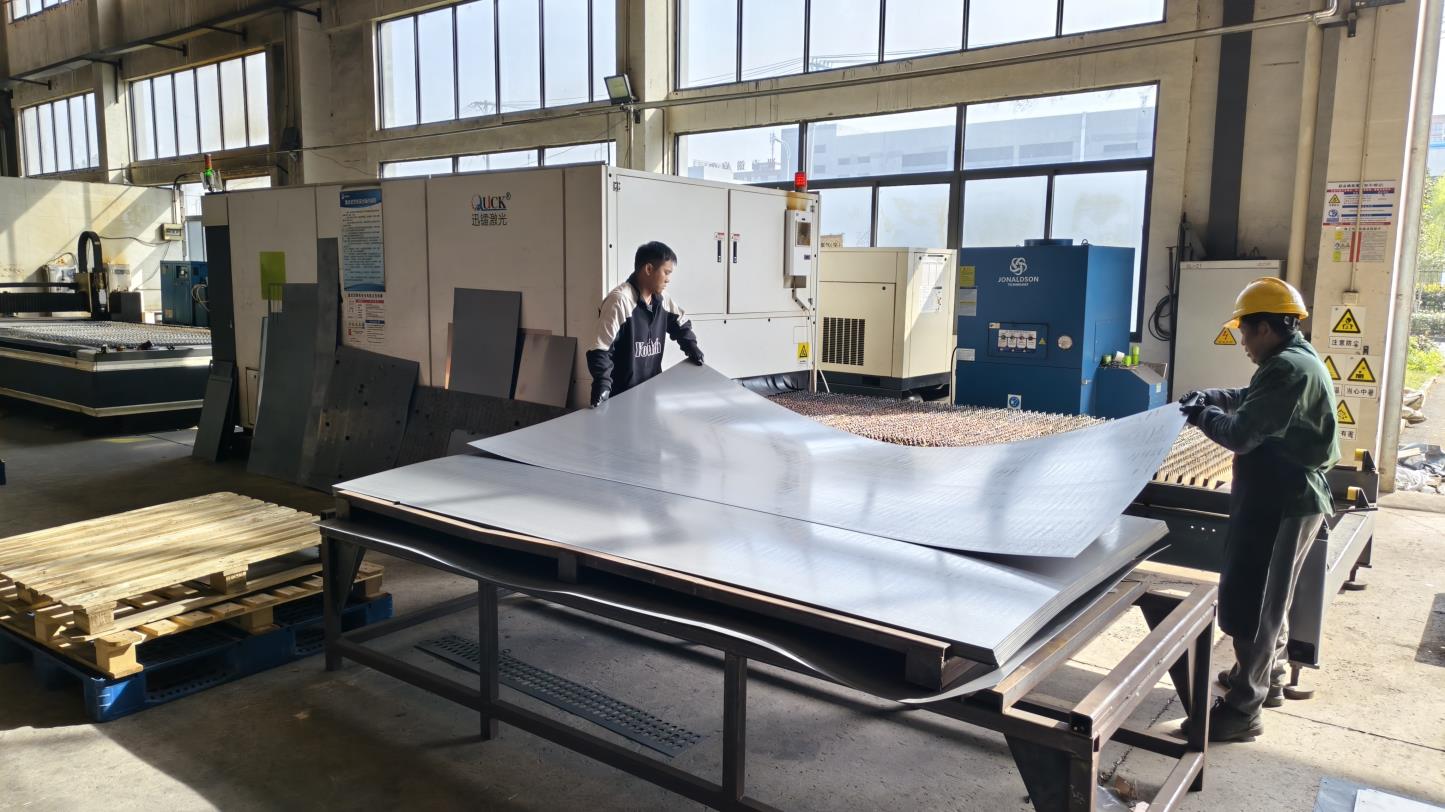
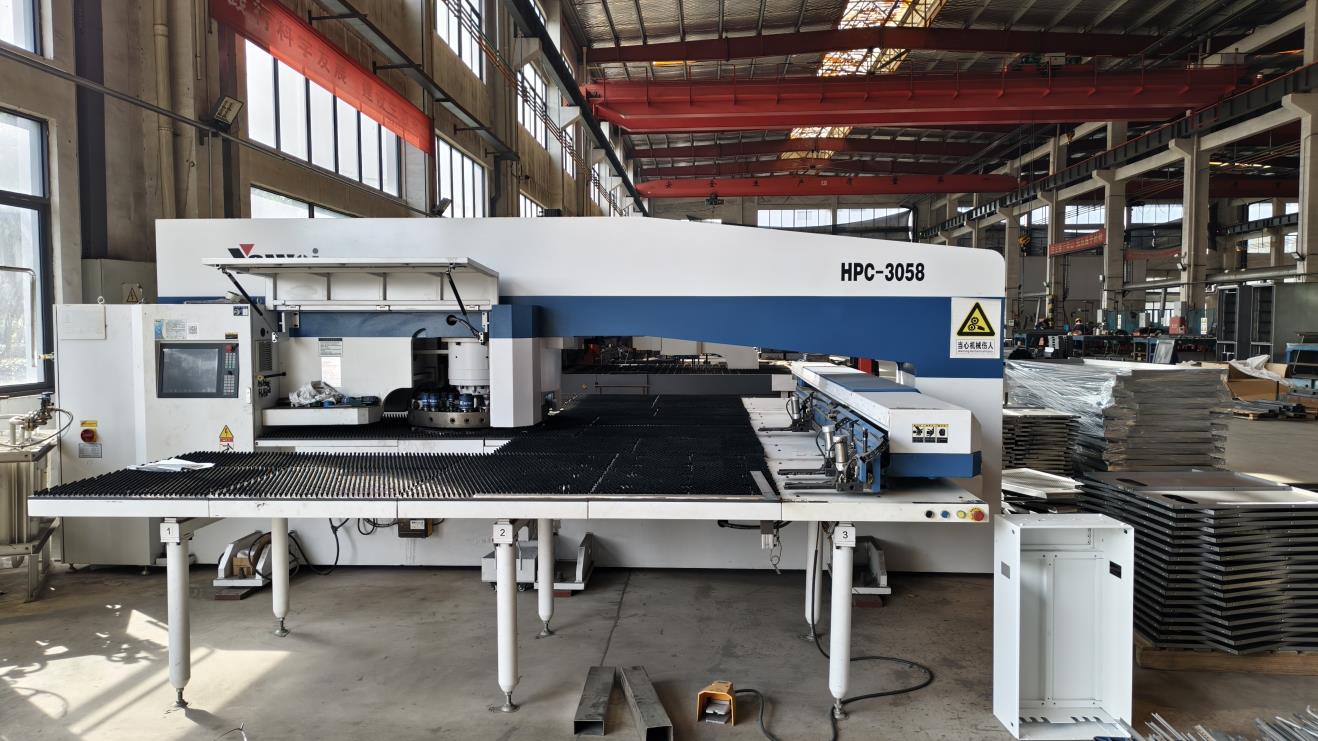
  • Vertical Integration of Production: By keeping processes like laser cutting, precision bending, and mechanical assembly in-house, we eliminate external transport delays and reduce the risk of mid-production defects.
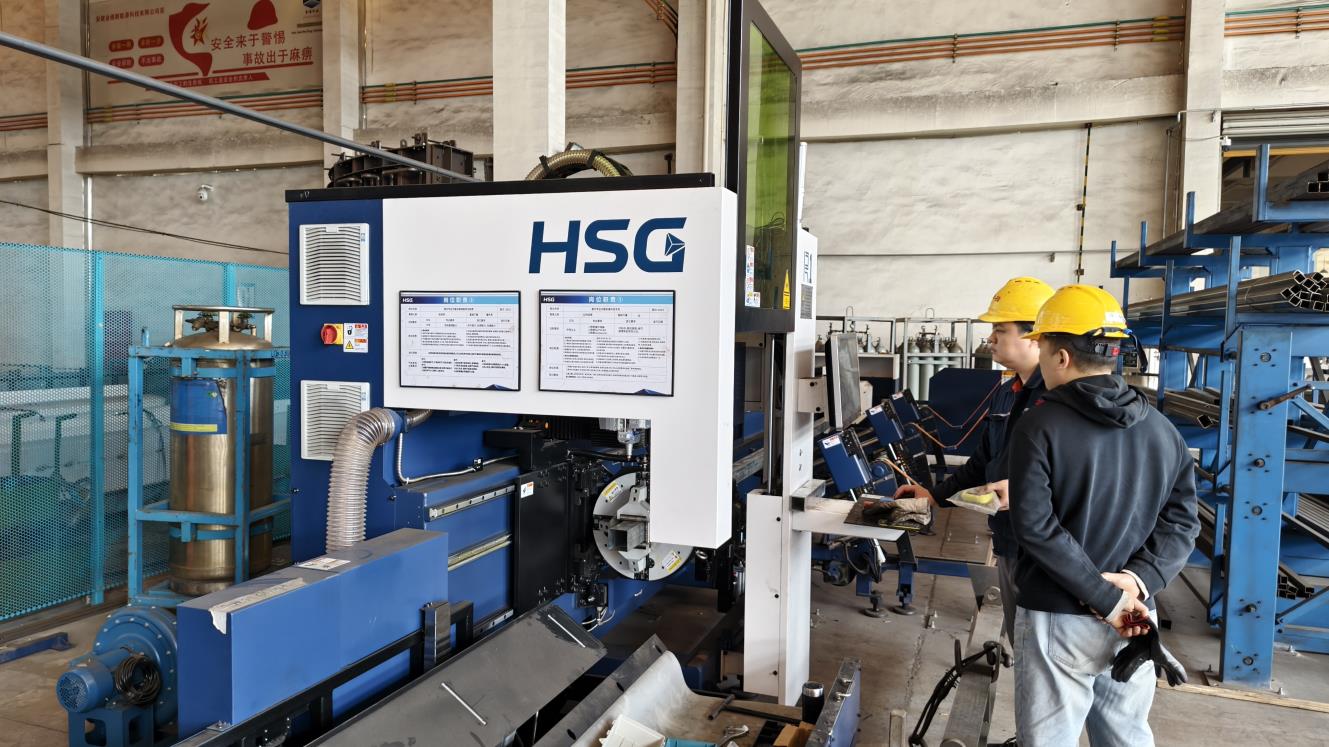
  • Fully Automated Machinery: Our facility is equipped with over 100 automated production machines, including CNC bending and high-precision laser tube cutting machines, ensuring that dimensions, tolerance, and electrical continuity are consistent across large production batches.
  • Rigorous Standard Compliance: Mass-production is paired with strict adherence to CE, TUV, IEC, CB, and ISO 9001 quality management guidelines. Each batch of solar cables and protection devices is subjected to testing protocols that simulate extreme industrial environments.

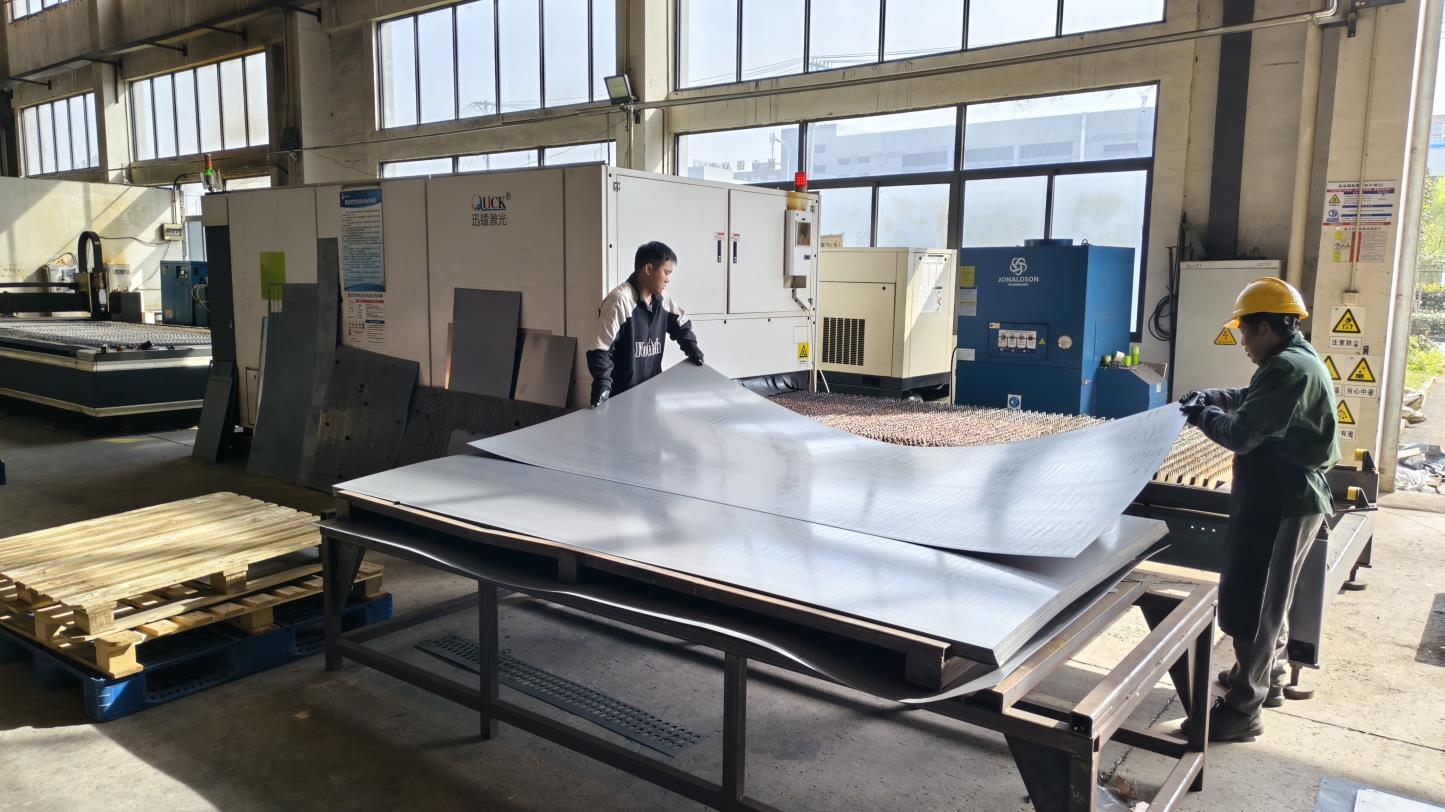
Advanced Laser Fabrication

High-power fiber laser cutting machines allow us to produce enclosure parts and structural assemblies with sub-millimeter precision, guaranteeing clean fits and robust seals.

Automated Wire Harnessing

Our automated stripping, crimping, and termination machinery eliminates variations in crimping pressure, avoiding hot spots and loose terminations in solar connectors.

Environmental Simulators

Thermal cycling, salt-mist spray chambers, and electrical load testers verify the life expectancy of our products under conditions mimicking years of outdoor exposure.
Localized Applications: Adapting Solutions to Environmental Extremes

Photovoltaic cabling installations span different microclimates, each posing unique engineering challenges. Standard, off-the-shelf options rarely suffice for specialized commercial layouts or utility-grade systems. Below are three common application scenarios requiring tailored solutions:

1. Utility-Scale Ground-Mounted Arrays in Desert Zones

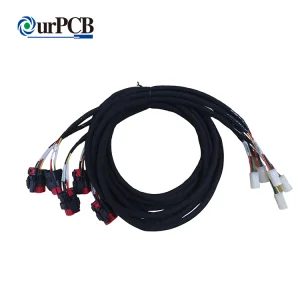
Desert environments subject solar cables and connector assemblies to extremely high ambient temperatures and aggressive UV radiation. Elevated operating temperatures increase copper resistivity, which can lead to excessive power loss if the cable cross-sectional area is not properly sized. Furthermore, thermal expansion can cause connectors to loosen, allowing dust and moisture ingress. Under these conditions, the use of TUV-certified PV Wire Harnesses featuring dual-wall insulation and premium-grade tinned copper conductors is essential for maintaining system safety and efficiency over a 25-year service life.

2. Rooftop C&I (Commercial & Industrial) Installations

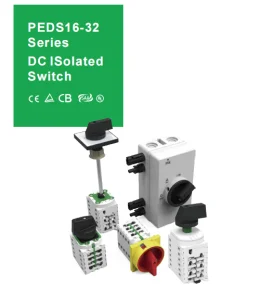
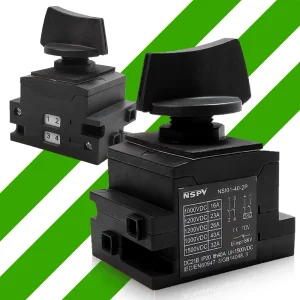
Commercial rooftops present complex physical routing paths, where cables are run through metal conduits and exposed to high mechanical stress during installation. In these environments, compliance with flame retardancy standards is paramount. High-capacity DC Isolator Switches must be deployed adjacent to the inverter arrays to allow safe manual shutoff during emergencies. Our range of IP66 Waterproof DC Isolator Switches is specifically engineered to handle high voltage DC currents (up to 1500V) and provide secure, arc-free circuit isolation.

3. Smart Energy Systems & Residential Smart Grids

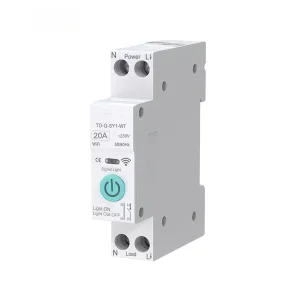
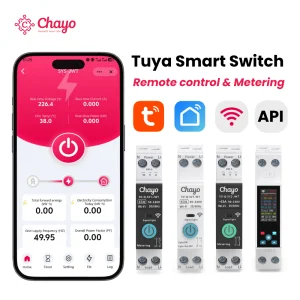
The rise of microgrids and smart homes requires active, intelligent electrical management. Residential circuits must be protected against both overload conditions and high-frequency arc faults. By integrating modern WiFi Smart Circuit Breakers (such as Tuya or Ewelink-compatible MCBs), operators can monitor energy consumption in real-time, schedule operations, and remotely isolate circuits via mobile applications, helping to optimize both safety and energy usage.

Key Industry Trends Reshaping the Flexible Cable & Solar Protection Sector

As the renewable energy sector matures, several key technological shifts are transforming how cables and protective devices are designed and manufactured:

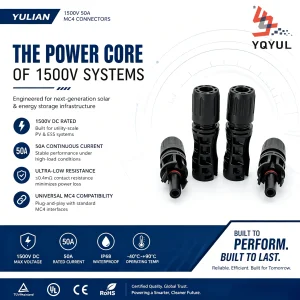
  • The Transition to 1500V Systems: To reduce system losses and balance-of-system (BOS) costs, modern PV designs are shifting from 1000V DC configurations to 1500V DC layouts. This change requires thicker, higher-density insulations and larger clearance distances in isolator switches, surge protectors, and connectors.
  • Smart Monitoring at the Component Level: Traditional circuit protection is reactive, tripping only when a fault occurs. Future protection systems will incorporate predictive diagnostics, utilizing microprocessors to detect insulation breakdown or minor temperature increases before a short-circuit occurs.
  • Sustainable and Recyclable Materials: Leading global markets are introducing strict restrictions on halogenated polymers. The industry is moving toward fully halogen-free, low-smoke compounds (LSZH) that do not release toxic gases in the event of a fire.

Wenzhou Phlox Energy remains committed to keeping pace with these shifts. Our dedicated R&D team continuously refines our designs, updating our material choices and product configurations to meet the evolving needs of our global partners.

Global Procurement Guide: Selecting the Right Partner

Sourcing electrical components internationally requires careful evaluation to ensure long-term product quality and reliable delivery. When assessing manufacturers, procurement managers should consider the following key factors:

Verification & Quality Inspection Checklist:

  1. Certification Verification: Ensure that all certificates (TUV, CE, CB) are authentic and issued by accredited third-party laboratories.
  2. Raw Material Sourcing: Confirm that the manufacturer uses premium-grade, tinned copper (min. 99.9% purity) and high-quality cross-linked polyolefin (XLPO) rather than recycled materials.
  3. Production Consistency: Verify that the factory employs automated quality gates, such as automatic optical inspection (AOI) or in-line mechanical testing, to check crimp quality and shell integrity.
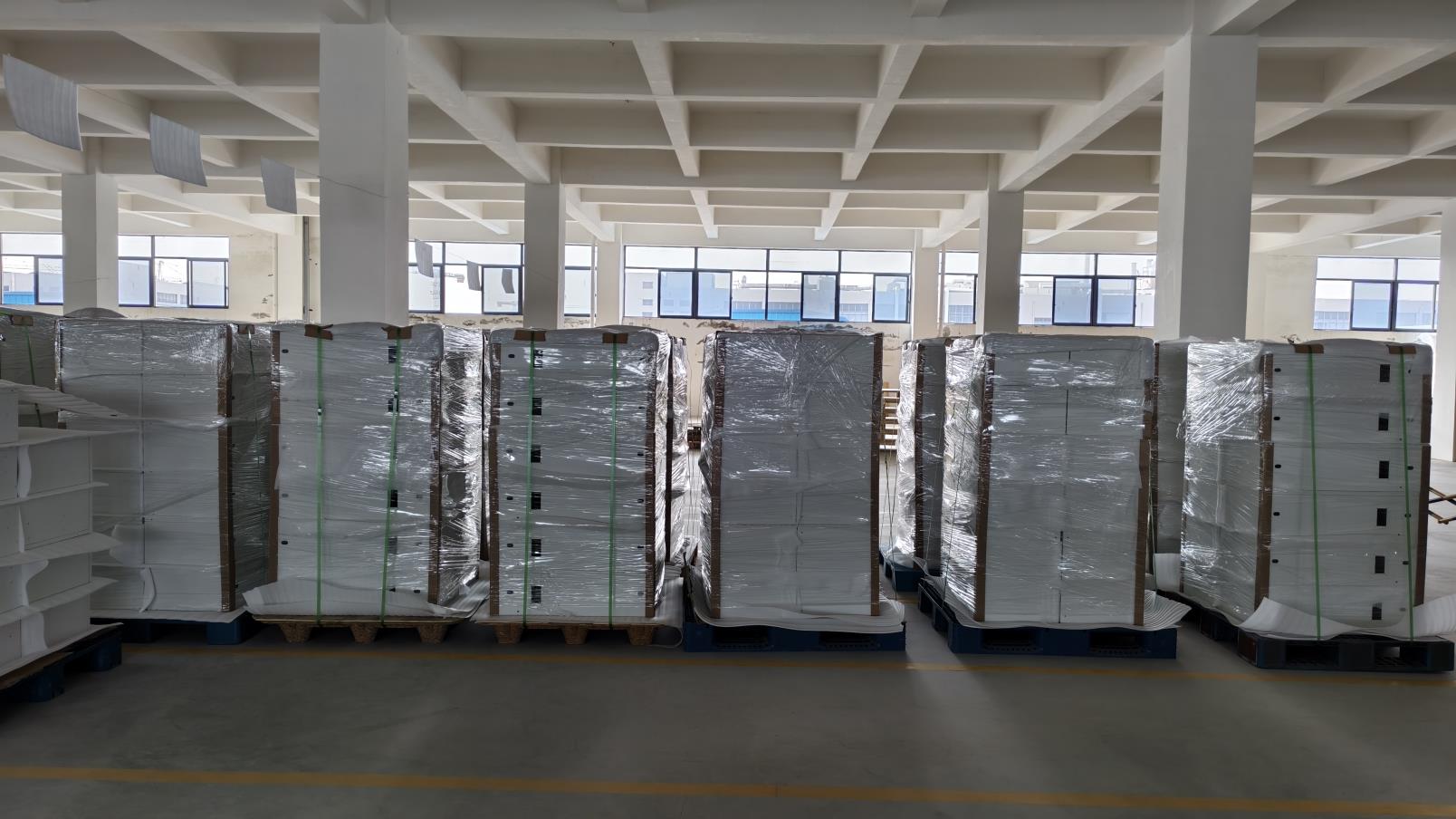
  4. Experience with International Logistics: Partner with manufacturers who have a proven track record of shipping to diverse global markets and managing customs compliance smoothly.

With a 11,500-square-meter facility, 7 advanced production lines, and experience supplying over 3,900 solar energy projects globally, Wenzhou Phlox Energy Co., Ltd. is well-positioned to meet these strict procurement criteria. We offer comprehensive OEM/ODM services, helping our partners build reliable, competitive product portfolios.

Frequently Asked Questions

Comprehensive explanations to common technical and sourcing questions regarding solar cabling and electrical protection systems.

Why is tinned copper preferred over bare copper in solar PV cables?
Solar cables operate in highly corrosive outdoor environments. While bare copper conducts electricity efficiently, it is susceptible to oxidation, which creates a resistive copper oxide layer. Coating the copper strands with a micro-layer of tin prevents oxidation and helps preserve the cable's conductivity, flexibility, and termination strength over its 25-year service life.
What is the difference between a Type 1 and Type 2 Surge Protective Device (SPD)?
Type 1 SPDs are designed to handle direct lightning strikes, diverting high-energy currents (typically characterized by a 10/350 μs wave shape) safely to ground. They are installed at the main electrical service entrance. Type 2 SPDs protect against indirect lightning surges or internal switching transients (8/20 μs wave shape) and are located closer to sensitive equipment, such as solar inverters and distribution panels.
How do smart circuit breakers enhance safety compared to traditional MCBs?
Traditional miniature circuit breakers (MCBs) protect against overloads and short circuits using mechanical bimetallic strips and magnetic coils. Smart circuit breakers, like our Tuya or Ewelink-integrated models, combine this mechanical protection with digital sensors. They monitor current, voltage, and temperature in real-time, allowing operators to detect abnormalities, log historical data, and remotely disconnect circuits before a hazardous condition arises.
What certifications should I look for when sourcing solar accessories?
For global projects, solar components must carry recognized safety and performance certifications. The most common include TUV (confirming compliance with EN 50618 or IEC 62930 for PV cables), CE (for European market safety compliance), IEC/CB (for international electrical safety standards), and ISO 9001 (verifying that the manufacturing facility operates a structured, traceable quality management system).
Does Wenzhou Phlox Energy offer customized wire harness services?
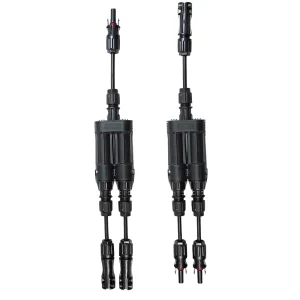
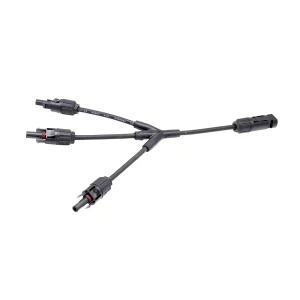
Yes, we provide full OEM and ODM services. Our factory can pre-cut, strip, and crimp solar cables to your exact length specifications, complete with pre-installed MC4-compatible connectors or branch connectors. This helps reduce installation time and labor costs on the project site.