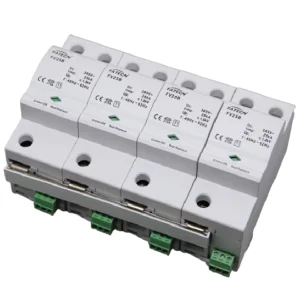
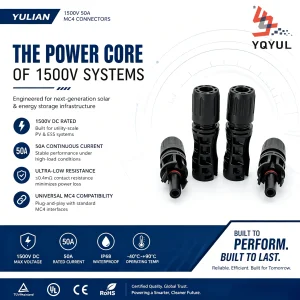
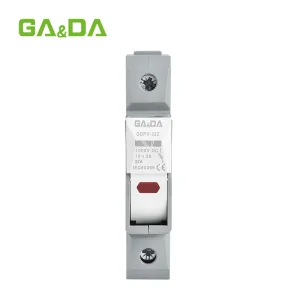
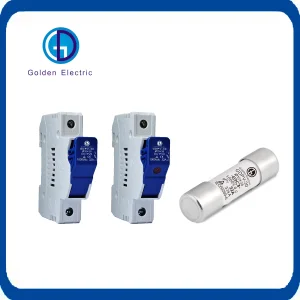
High-performance branch circuit breakers, surge protection devices (SPDs), and solar accessories engineered to guarantee electrical insulation and circuit safety under demanding environments.
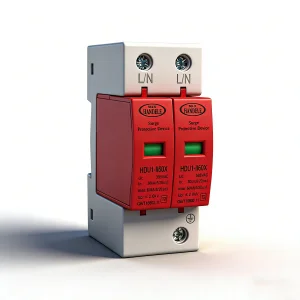
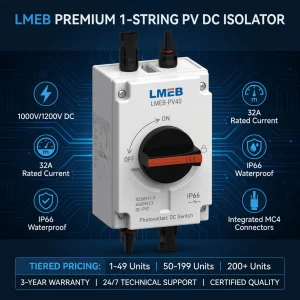
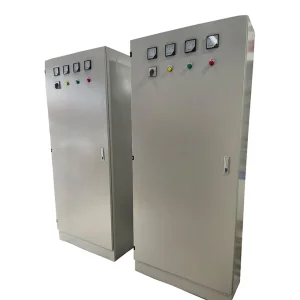
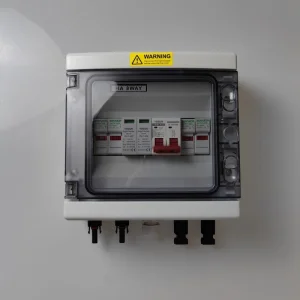
In modern electrical distribution, branch circuit protection is the cornerstone of system safety, equipment durability, and personnel protection. A branch circuit breaker is engineered specifically to protect the final segment of an electrical system—the wires and connected equipment branching out from the main distribution panel board. Because branch circuits directly supply power to industrial machinery, solar inverters, commercial lighting, and office IT infrastructure, they are highly vulnerable to localized faults such as overloads, short circuits, and ground faults.
Unlike supplementary protectors (recognized under standards like UL 1077 or IEC 60947-2), true branch circuit breakers must conform to rigorous design requirements (such as UL 489 or EN 60898). These regulations dictate that the device must be capable of providing overcurrent protection *and* electrical isolation without relying on any upstream fuse or breaker. For procurement engineers, specifying the correct branch circuit breaker is not simply a matter of selecting an amperage; it demands an analysis of the tripping curve characteristics (B, C, or D curve), short-circuit interrupting capacity (expressed in kA), thermal derating margins, and the electrical mechanical endurance of the contacts.
Selecting supplementary protectors where a certified branch circuit breaker is required by regional electrical codes (NEC, IEC, etc.) is one of the most common causes of inspection failures and system hazards. Modern electrical layouts must integrate certified branch breakers to handle prospective fault currents reliably.
From standard mechanical disconnects to IoT-connected solid-state control, the global circuit protection market is undergoing a major paradigm shift.
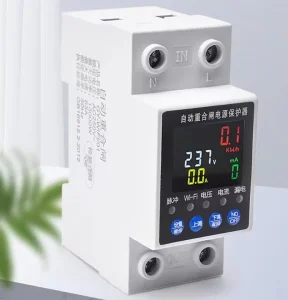
Modern distribution panels demand real-time telemetry. Advanced Smart Wi-Fi MCBs allow facilities managers to monitor voltage, current, and leakage remotely while facilitating automated power shutoffs during overloads.
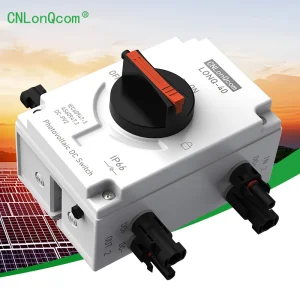
High-voltage DC distribution (up to 1200V-1500VDC) is now standard in solar PV arrays and EV charging systems, necessitating specialized DC isolators, DC MCBs, and fast-acting fuses that can extinguish highly persistent DC arcs.
As commercial buildings transform into prosumers with battery energy storage systems (BESS) and rooftop solar, circuit protection must handle bidirectional currents without nuisance tripping or thermal runaway.
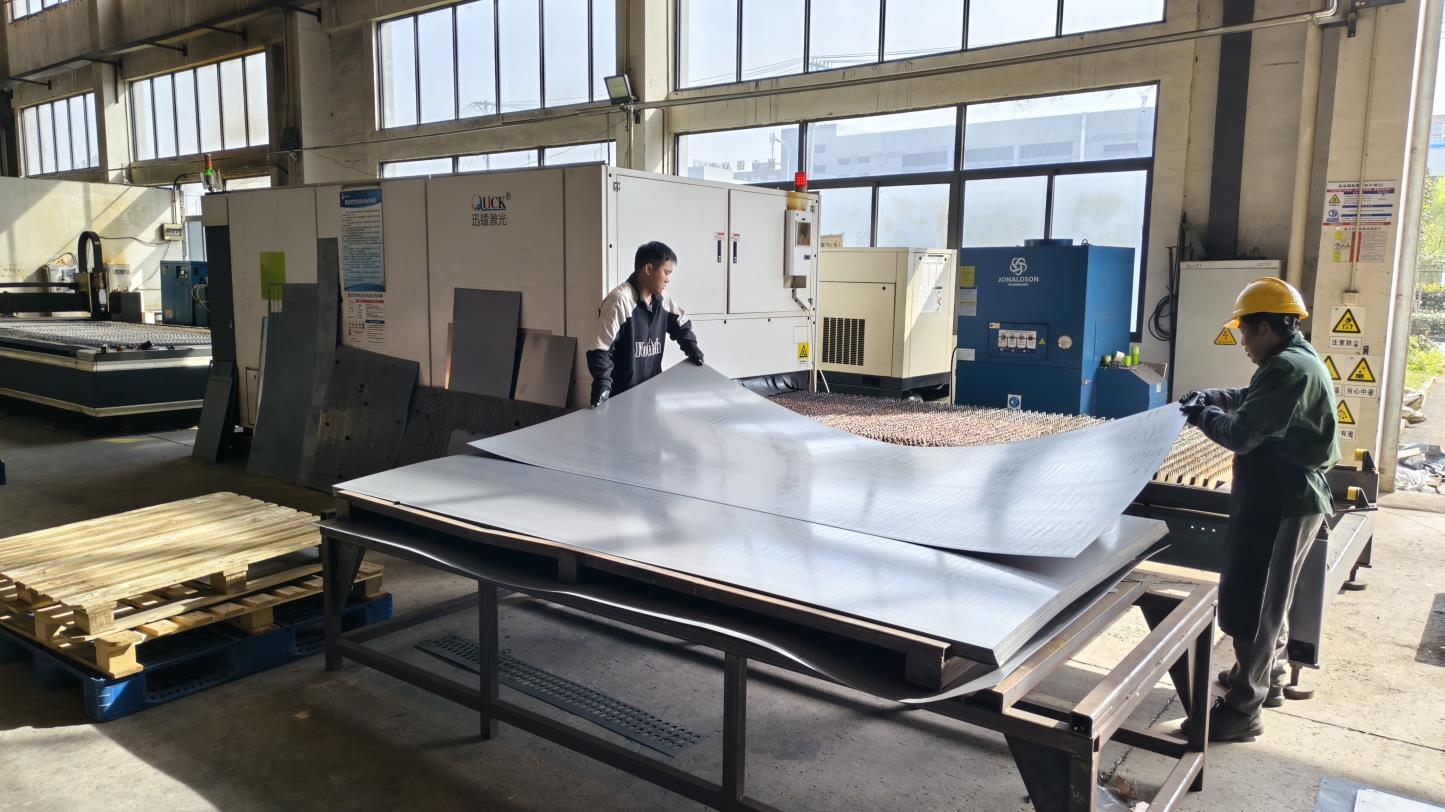
Wenzhou, specifically the Yueqing region, represents the undisputed global capital of low-voltage electrical components. Sourcing from this geographic cluster provides international buyers with a distinct economic and technological edge. The ecosystem aggregates the entire supply chain, including precision mold makers, automated silver-alloy contact stamping facilities, thermal bimetal strip engineering, and raw engineering plastic (PA66) compounders within a 20-mile radius.
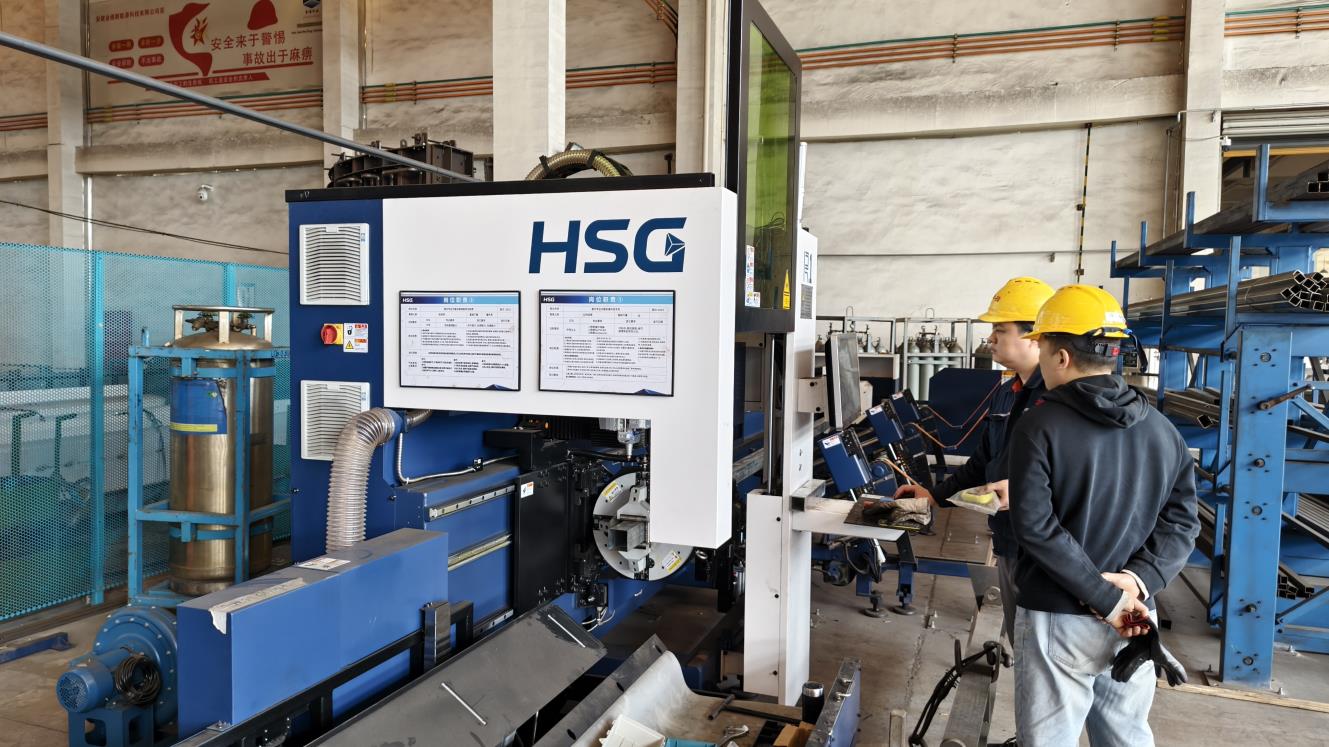
This high cluster density dramatically shortens lead times, reduces logistic friction, and facilitates rapid prototyping for customized OEM/ODM projects. Manufacturers situated in Wenzhou, like Wenzhou Phlox Energy Co., Ltd., can leverage this concentrated ecosystem to achieve remarkable cost efficiencies while maintaining strict adherence to Western standards. The competitive advantage is no longer merely "cheap labor"; it lies in highly automated smart manufacturing lines, robotic calibration stations, and advanced testing laboratories that can simulate massive electrical surges up to 100kA to verify breaker interrupting ratings.
In commercial and utility-scale solar farms, strings of PV panels feed high-voltage DC electricity into central or string inverters. Protecting these lines requires robust DC circuit breakers capable of operating under sustained voltages of 1000VDC to 1500VDC. Standard AC circuit breakers cannot extinguish DC arcs because DC current lacks a natural zero-crossing point. Specialized DC branch breakers must utilize internal permanent magnetic fields to physically bend and force the electrical arc into arc-chutes (splitter plates) to rapidly cool and extinguish it. Combined with heavy-duty DC isolator switches, these breakers protect solar modules against reverse currents and short-circuit faults.
As energy efficiency mandates sweep through global markets, building automation requires smart electrical distribution. Integrated WiFi and Modbus-enabled branch circuit breakers allow smart panels to collect power consumption data, track peak loads, and selectively trip non-critical branch circuits when grid thresholds are breached. This remote management is critical for hotels, data centers, and multi-tenant residential units, enabling predictive maintenance models before a minor thermal overload escalates into a catastrophic distribution outage.
A professional manufacturer and supplier specializing in advanced solar photovoltaic protection and electrical connection systems.
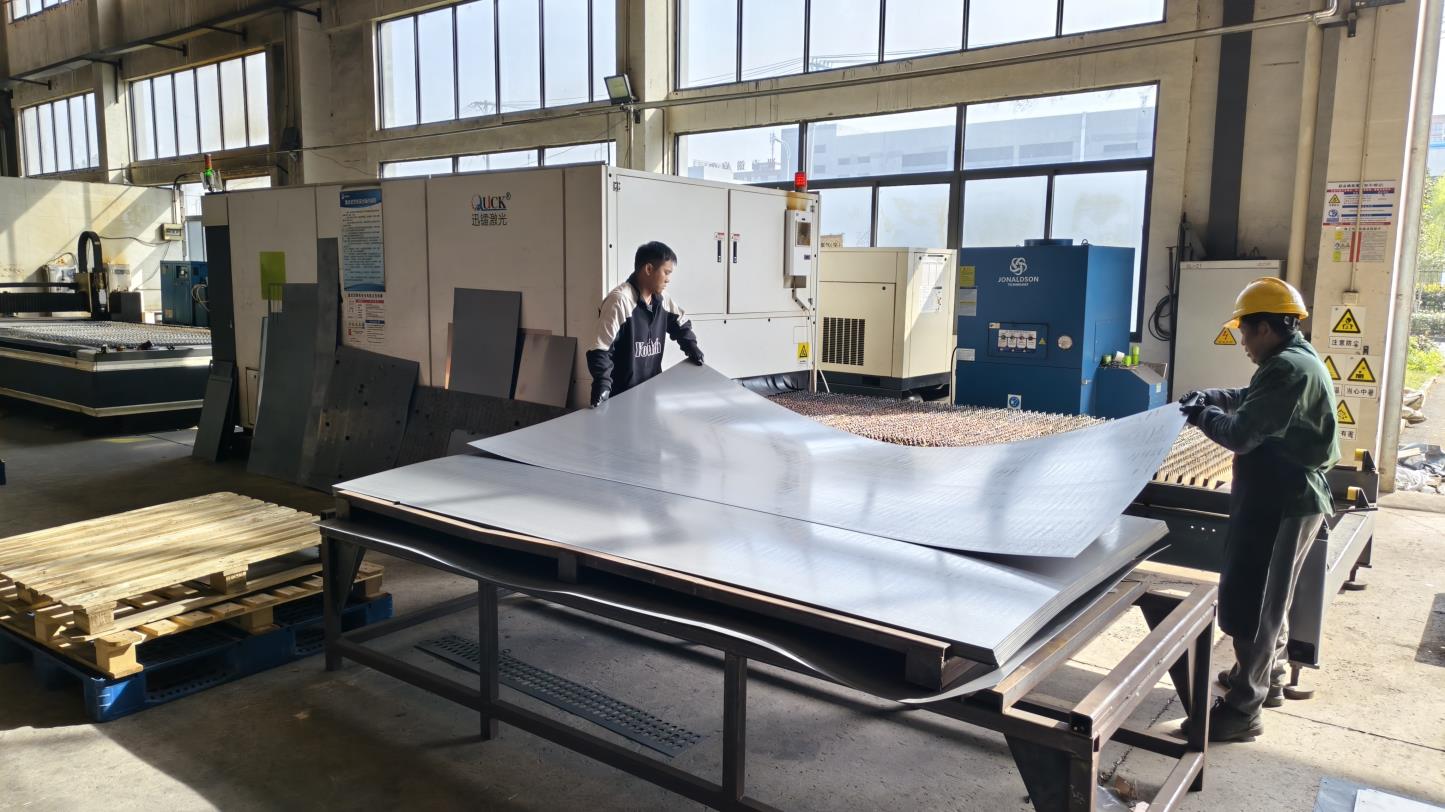
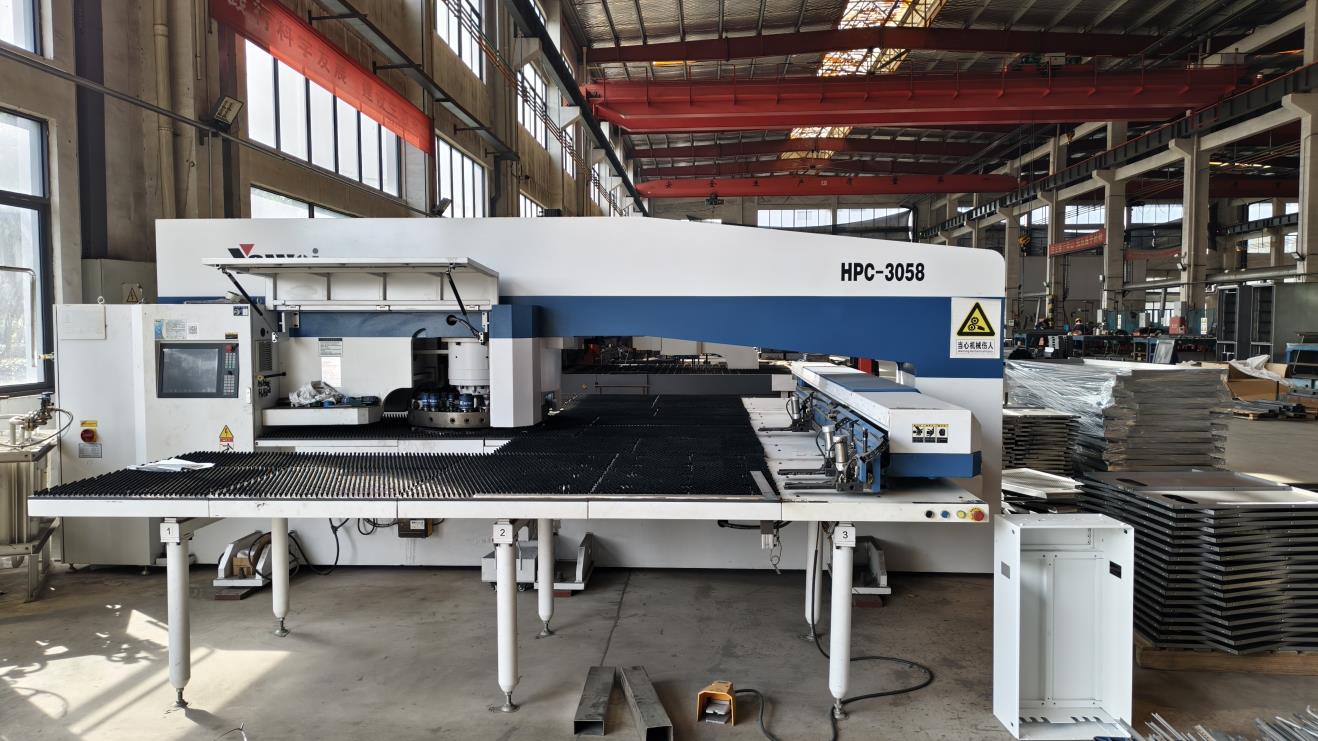
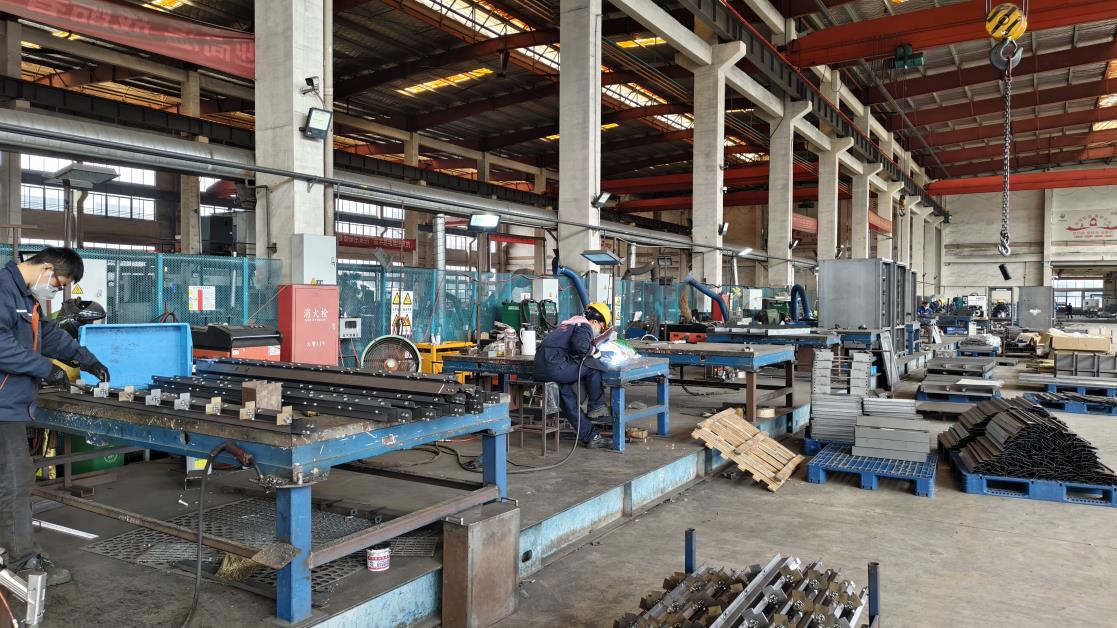
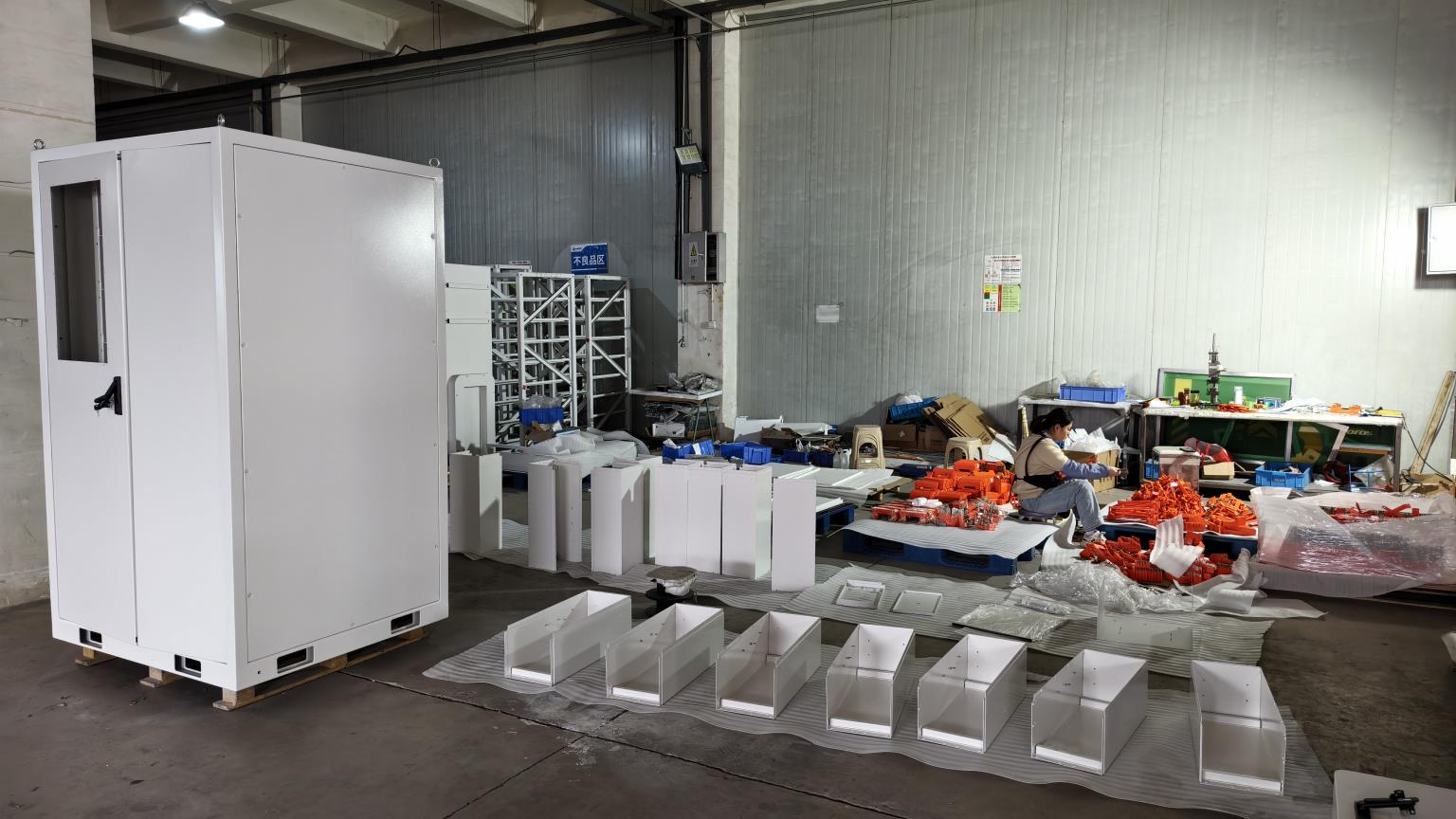
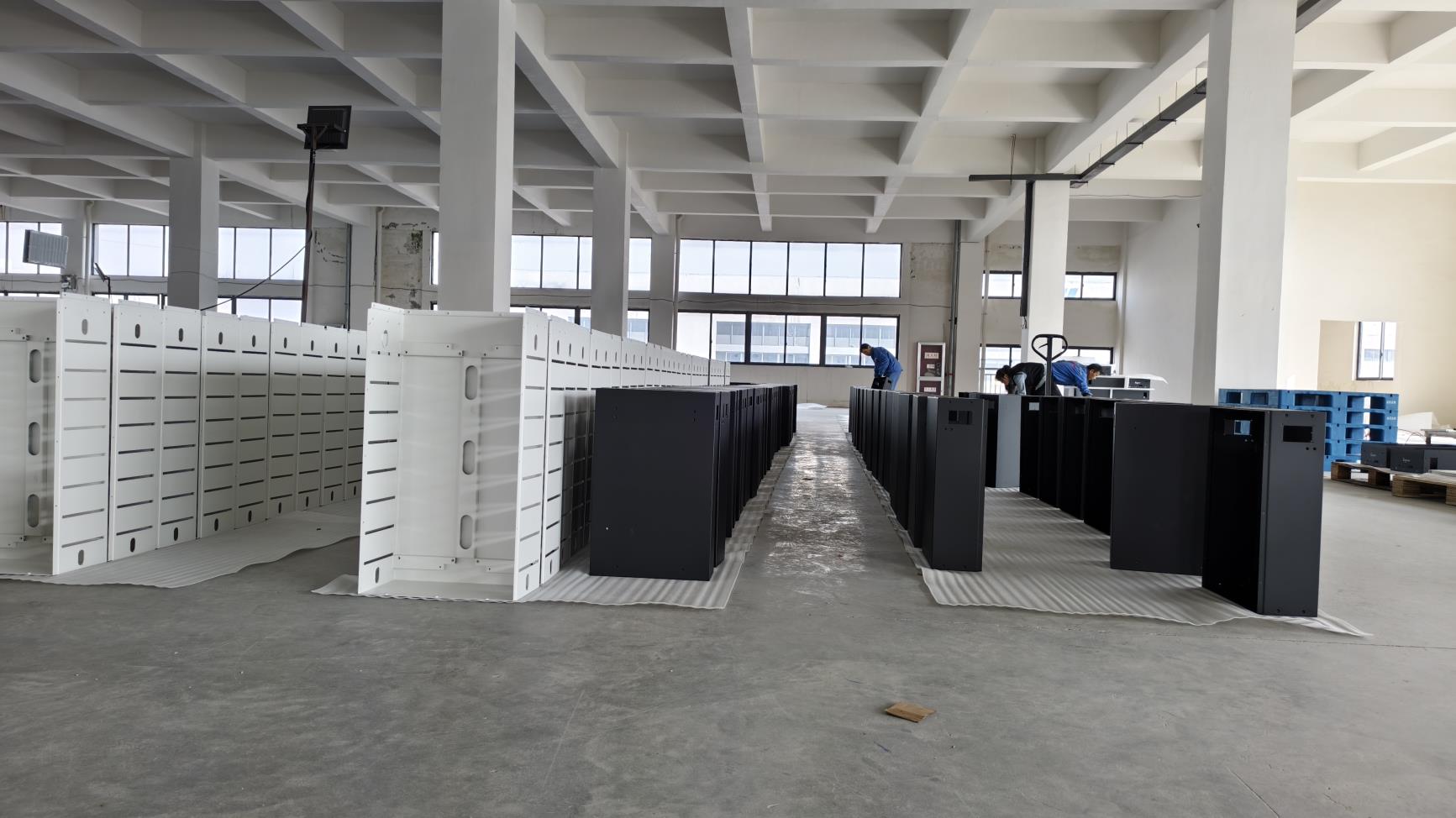
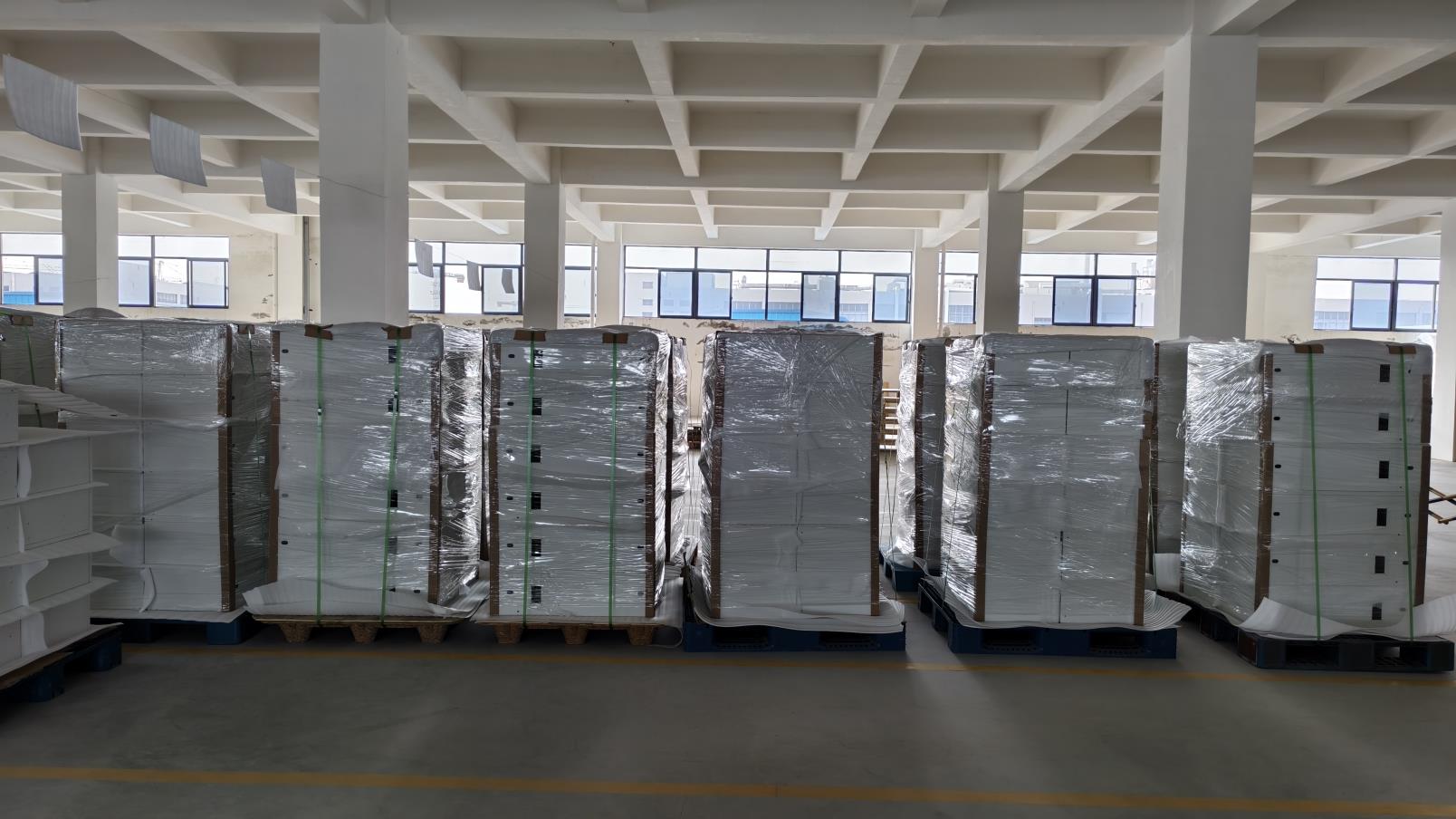
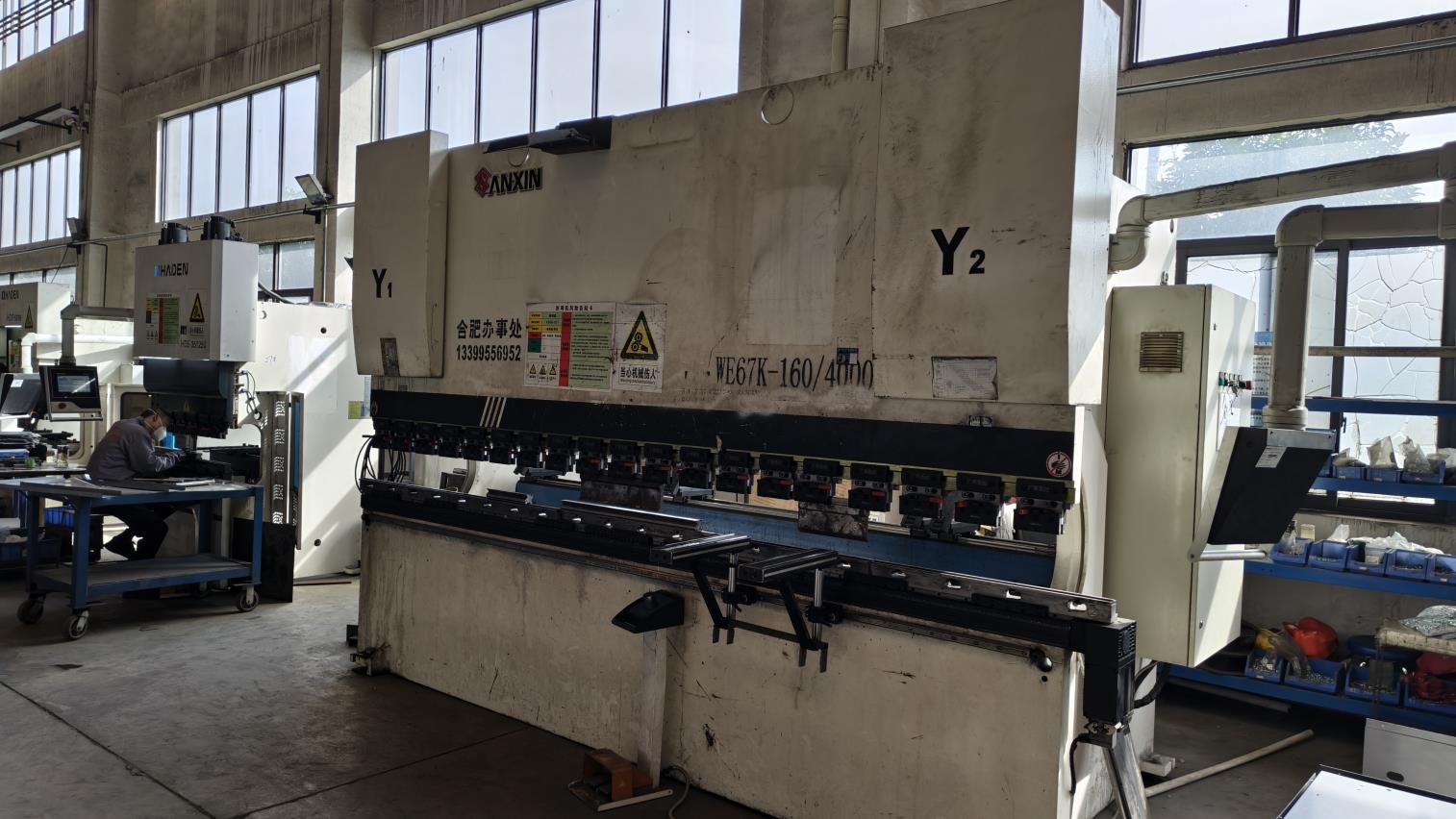
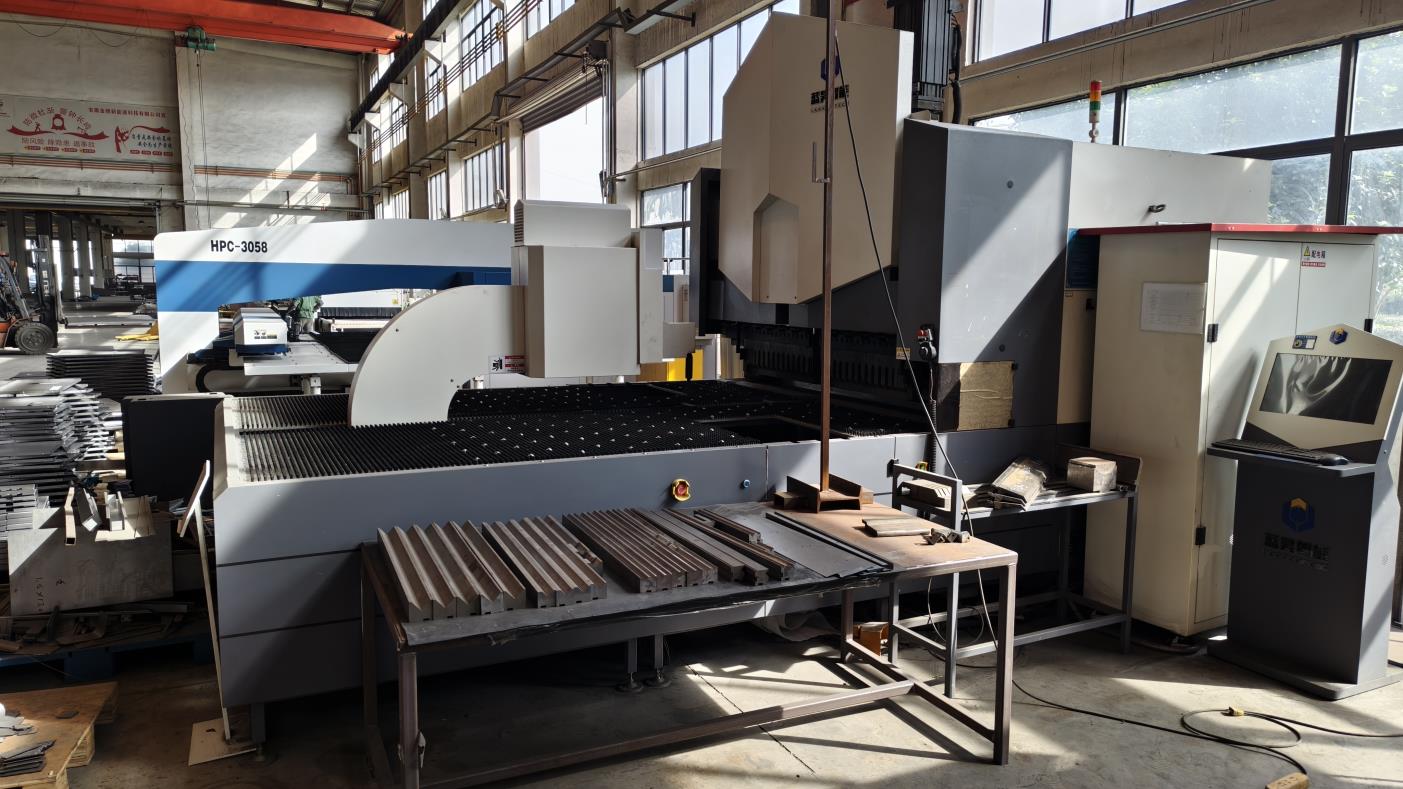
Wenzhou Phlox Energy Co., Ltd. has established itself as an industry leader with over 10 years of expertise in the research, development, production, and global supply of solar accessories and low-voltage components. Operating a state-of-the-art manufacturing facility spanning over 11,500 square meters and equipped with 7 highly advanced production lines, more than 100 automated production machines, and a dedicated team of over 150 skilled professionals, the company maintains an annual output exceeding USD 20 million.
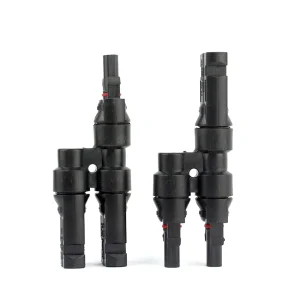
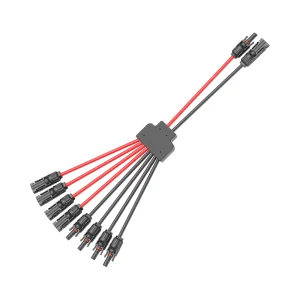
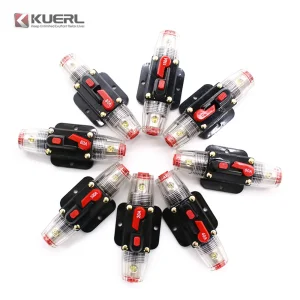
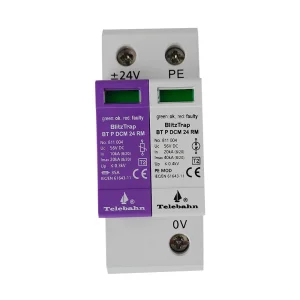
Our comprehensive product portfolio includes DC miniature circuit breakers (MCBs), surge protective devices (SPDs), photovoltaic fuses, IP67 solar connectors, DC isolator switches, high-durability distribution boxes, and combiner boxes designed for utility-scale, commercial, and residential installations. Every component is produced in strict compliance with international standards and certified by CE, TUV, IEC, CB, and ISO 9001. With an active record in over 3,900 global solar energy projects, we provide robust OEM and ODM engineering services to system integrators, distributors, and EPC companies worldwide.
Expert technical insights regarding breaker ratings, coordination, compliance standards, and Chinese manufacturing processes.
The trip curve defines the instantaneous trip threshold of magnetic circuit breakers. Type B breakers trip at 3 to 5 times their rated current, making them ideal for resistive loads and residential setups. Type C breakers trip at 5 to 10 times rated current, designed for inductive loads like small motors or fluorescent lighting. Type D breakers trip at 10 to 20 times rated current to accommodate high-inrush currents from heavy industrial motors, transformers, and complex machinery.
Many high-voltage DC miniature circuit breakers (MCBs) are polarized and rely on internal permanent magnets to push the electrical arc into the arc chute. If wired in reverse, the magnetic field pulls the arc out of the chute and towards the internal mechanisms of the breaker. This prevents the arc from extinguishing, causing terminal melt-downs and potential system fires. Non-polarized DC breakers exist but generally have lower breaking capacities or higher production costs.
Thermal-magnetic circuit breakers utilize a bimetal strip that bends when heated by excess current. Since they operate via temperature rise, high ambient temperatures (such as inside a sealed solar combiner box directly exposed to sunlight) will cause the breaker to trip at currents below its rating. Sourcing engineers must calculate the derating factor (typically provided in the manufacturer's datasheets) when operating in environments exceeding the reference standard temperature of 30°C or 40°C.
Leading factories like Wenzhou Phlox Energy perform comprehensive quality verification processes, including raw material plastic flame-retardancy testing, silver contact composition analysis, and instantaneous magnetic tripping verification. Finished units must go through automatic calibration lines, dielectric strength tests, mechanical lifecycle operations, and short-circuit capability verification under simulated electrical loads to confirm safety parameters before export.
Complete system integration components including heavy-duty smart controllers, high-protection connectors, disconnectors, and auxiliary fuses.
 Phlox Energy