Surge protectors play a critical role in safeguarding electrical devices from power surges. According to the Electrical Safety Foundation International (ESFI), power surges account for approximately 60% of damage to electrical equipment. Therefore, understanding how to tell if a surge protector is still working is essential for maintaining your investment in electronics.
Over time, surge protectors can wear out and lose their effectiveness. A report from the National Fire Protection Association (NFPA) notes that improper usage of surge protectors contributes to nearly 6,500 home fires annually. This highlights the importance of regularly checking your surge protector’s status. Not every surge protector will display clear signs of failure, making it vital to adopt a more proactive approach.
Many users underestimate the lifespan of these devices, assuming they last indefinitely. In reality, surge protectors should be replaced every few years or after significant surges. By understanding how to tell if a surge protector is still functioning, you can prevent costly damage and ensure your devices remain protected. Regularly evaluating your surge protection can save you from unexpected disruptions and financial loss. Taking these simple steps may make a significant difference in your home or office.
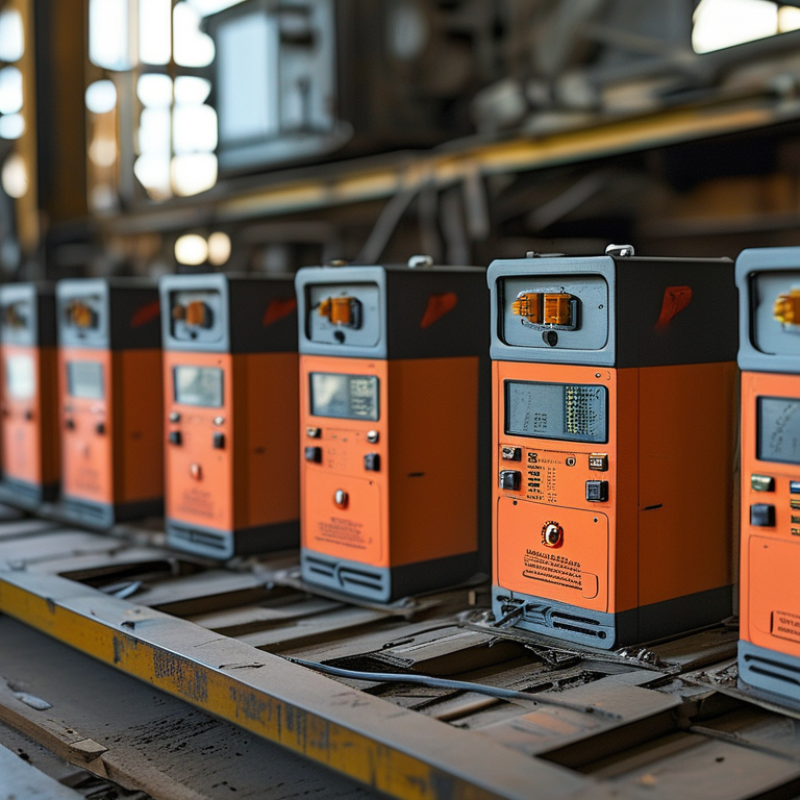
Surge protectors play a crucial role in safeguarding electronic devices. They function by diverting excess voltage away from sensitive equipment. When a power surge occurs, such as a lightning strike, the surge protector absorbs this excess energy. It then redirects it to the ground, preventing potential damage. Understanding this mechanism helps users appreciate the importance of surge protectors.
However, not all surge protectors are created equal. Lifespan varies, and over time, their effectiveness can diminish. Factors like frequent surges or a high volume of connected devices can accelerate wear. Regular checks are essential. Look for indicators like burned plugs or a lack of indicator lights. These signs can hint at a malfunctioning unit. It’s also helpful to note how often you experience surges.
Consider the environment too. Devices in areas with frequent storms may need more robust protection. Users should reflect on their setup regularly. Understanding how surge protectors work empowers individuals to make informed decisions. A proactive approach is better than waiting for a surge to expose weaknesses in protection.
Surge protectors play a vital role in safeguarding your electronics from power surges. However, these devices aren’t infallible. According to industry experts, surge protectors typically have a lifespan of three to five years. When they start failing, they may show several key indicators that demand your attention.
One common sign of failure is the absence of a power-on indicator light. Many surge protectors come with a light that alerts you when they are operational. If this light is off, despite being plugged in, your surge protector may no longer be functioning. Additionally, check for unusual sounds, such as buzzing or clicking, which can indicate internal damage. Another significant indicator is physical damage. Look for scorch marks or melted plastic which suggest that the device has absorbed a surge but may now be compromised.
It’s essential to monitor the number of devices plugged into the surge protector. Overloading it can reduce its efficiency and lifespan. Surveys show that over 30% of users do not consider the total wattage of the connected devices. Regularly assessing these warning signs can help you prevent costly damage to your electronics, ensuring they function optimally. Don't overlook potential issues; proactive monitoring is key.
Surge protectors play a vital role in safeguarding your electronic devices. Testing their effectiveness is essential to ensure your investments remain safe. Industry reports indicate that over 30% of surge protectors lose their protective capability within three years, especially in areas prone to electrical surges. Knowing how to test these devices can save you from unexpected damages.
One effective method is to check for a visual indicator. Many surge protectors feature a light that indicates they are functioning. If this light is off, it may be time to replace your unit. Another approach involves using a multimeter to measure the voltage. Ensure the readings fall within acceptable limits, which typically range between 110-120 volts for standard outlets.
Tip: Schedule routine checks, ideally every few months, to monitor your surge protector's status. Regular inspection can help prevent issues before they escalate.
Tip: Consider replacing surge protectors every three to five years, as their ability to absorb surges diminishes over time.
Maintaining the effectiveness of your surge protector is crucial. Inconsistent performance may lead to significant losses. Always be proactive in ensuring the reliability of your devices.
Surge protectors play a critical role in safeguarding your electronic devices from power surges. Understanding industry standards can help ensure that you choose the right product for maximum protection. According to the National Electrical Manufacturers Association (NEMA), surge protectors are classified into different categories based on their voltage suppression capabilities. For instance, a protector rated at 400 joules can typically handle low-level surges, but may not suffice for larger events.
Industry reports indicate that the average lifespan of a surge protector is around three to five years. After that, its effectiveness can diminish considerably. The number of surges an area experiences also affects how long a surge protector will last. Consistent exposure to frequent surges can significantly lower its protection capabilities. It is advisable to review the specifications and performance ratings before purchase.
Tips for maximizing protection include regularly checking the status indicator lights. If they are off, the device may not provide protection any longer. Also, keep track of the warranty period. A reliable surge protector should offer a decent warranty, indicating the manufacturer’s confidence in its performance. Regularly replacing your surge protector after the warranty expires can help safeguard your devices effectively.
| Test Method | Description | Frequency | Failure Signs | Replacement Indicator |
|---|---|---|---|---|
| Visual Inspection | Check for physical damage or burnt marks. | Every 6 months | Cracks, discoloration, or melted parts. | Replace immediately upon finding damage. |
| Indicator Light Check | Ensure the indicator light is on. | Monthly | Light is off or blinking. | Replace if light is not functional. |
| Surge Test Plug | Use a surge tester to check clamping voltage. | Annually | High clamping voltage indicates failure. | Replace if reads above acceptable levels. |
| Component Test | Check each component (MOV, fuses) for functionality. | Every 2 years | Failed components increase risk. | Replace if any component is found defective. |
| Load Test | Test under maximum load to ensure it protects. | Every 2-3 years | Excessive heat or failure to trip. | Replace if unable to handle rated load. |
Surge protectors play a crucial role in safeguarding your electronic devices. However, they don't last forever. Understanding their lifespan is vital for ensuring optimal safety. Most surge protectors can effectively shield devices for three to five years. After that, their protective capability begins to diminish significantly. Regularly checking your surge protector is essential. Pay attention to any signs of wear or malfunction.
Look for indicators like discoloration or a burning smell. These can signal that your surge protector is failing. Additionally, consider how often you use different appliances. High-energy devices may stress the protector more than others. If you've experienced several power surges or outages, consider replacing your surge protector even if it seems fine. Prolonging its use could put your devices at risk.
You might think, "It still works, so why change it?" This mindset can lead to unexpected damage. Electronic devices can be costly to repair or replace. Periodic assessment is recommended. Don't overlook the importance of replacing an old surge protector. Prioritize your devices' safety. Trust your instincts about when it may be time for a change.
: Surge protectors divert excess voltage away from electronic devices, preventing damage.
It absorbs excess energy during a surge and redirects it to the ground.
Most surge protectors have a lifespan of three to five years.
Look for an off power indicator light, unusual sounds, or physical damage like scorch marks.
Overloading a surge protector can reduce its efficiency and lifespan significantly.
Check the power indicator light and use a multimeter to measure voltage levels.
Routine checks every few months can prevent issues from escalating over time.
It may fail to protect your devices, leading to potential damage or loss.
Their ability to absorb surges diminishes over time, increasing risk without replacement.
Regularly assess environment conditions and surge frequency to determine protection needs.
Surge protectors play a critical role in safeguarding your electronic devices from voltage spikes. To understand how to tell if a surge protector is still working, it is essential to grasp their functionality and the key signs indicating potential failure. Observing indicators such as warm surfaces, flickering lights, or a blinking status light can help identify a malfunctioning unit.
To assess your surge protector's effectiveness, there are various testing methods available, including using a multimeter or replacement unit for comparison. It's also important to be aware of industry standards that highlight what constitutes maximum protection. Knowing the typical lifespan of surge protectors ensures you can replace them proactively for optimal safety, helping to maintain the integrity of your valuable electronics.

Phlox Energy