How to Fix a Tripping Circuit Breaker When Nothing is On?

Time:2026-06-26 Author:Oliver
0%

When you find yourself asking, "why does my circuit breaker keep tripping when nothing is turned on," it can be frustrating and confusing. According to electrical expert John Smith, "Unexpected circuit trips often indicate deeper issues within your home's wiring." This statement speaks volumes about the complexities involved in electrical systems.

Often, a tripping circuit breaker signals an underlying problem, such as a short circuit, ground fault, or overloaded circuits. These issues may not be apparent during regular operations, which adds to the perplexity. Even homes with modern electrical systems can experience these challenges. Small appliances or devices may be using power without being actively turned on, contributing to the issue.

Getting to the root of the problem is essential for safety and functionality. It's tempting to ignore it, hoping the issue resolves itself. But doing so can lead to more significant risks. Homeowners should pay attention to these signs and seek professional help when needed. Addressing the question of "why does my circuit breaker keep tripping when nothing is turned on" is crucial for maintaining a safe and efficient electrical system.
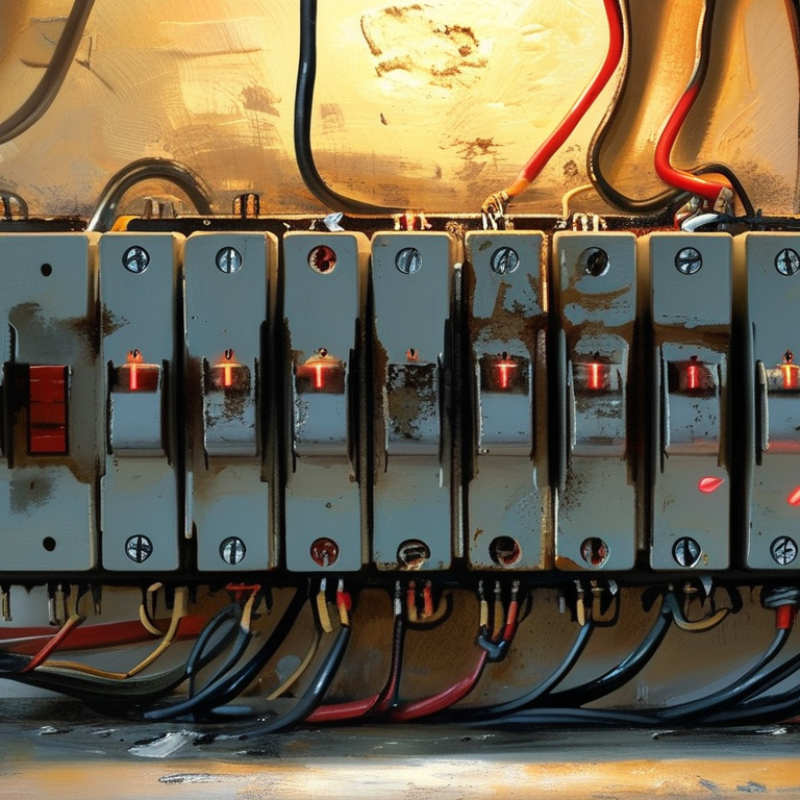
How to Fix a Tripping Circuit Breaker When Nothing is On?

Understanding Circuit Breakers and Their Functionality

Circuit breakers are essential components of electrical systems. They serve as the first line of defense against overloads and short circuits. When excessive current flows through a circuit, the breaker trips, cutting off electricity. Understanding how they operate helps in troubleshooting issues effectively.

A breaker might trip even when no devices are on. This situation could stem from a few causes. A short circuit can occur due to damaged wiring or faulty connections. Moisture buildup in electrical boxes is another culprit. Sometimes, age or deterioration of the breaker itself can lead to nuisance tripping.

Regular inspection is critical. Look for frayed wires or signs of water damage. If the breaker continues to trip, consider consulting a qualified electrician. They can assess and mitigate underlying issues. Remember, safety is paramount in any electrical work. Knowing how your circuit breaker functions protects your home and family.

Common Causes of Tripping Circuit Breakers with No Apparent Load

Circuit breakers can trip unexpectedly, leaving homeowners frustrated. This can happen even when no devices are in use. Understanding the common causes is essential for resolving the issue.

One frequent cause is an overloaded circuit. Even if nothing appears to be running, some appliances may still draw power. This can lead to a sudden trip. Additionally, worn-out wiring can also be a culprit. Old or frayed wires may create short circuits. This often happens in older homes, where the electrical systems haven’t been updated.

**Tip:** Regular inspections can identify potential issues early. Look for signs of wear, such as fraying or discoloration. Another cause could be moisture. Water exposure can lead to a short circuit. This is common in areas with high humidity.

**Tip:** Ensure all outlets, especially in bathrooms and kitchens, are weatherproofed and tested regularly. Sometimes, a faulty breaker itself might be the reason. If breakers trip frequently, it may be time to replace them.

**Tip:** Consider consulting a professional electrician to evaluate the situation. They can help uncover underlying issues that may not be obvious at first glance. Addressing these problems proactively can prevent future inconveniences.

Step-by-Step Troubleshooting for a Tripping Circuit Breaker

If your circuit breaker trips while nothing is on, it can be perplexing. Start by checking your home’s wiring. Look for signs of damage or frayed wires. This may indicate a bigger issue. Inspect outlets to ensure they are not overloaded. Sometimes, multiple devices on one circuit can cause problems, even if they are turned off.

Next, test each circuit in your home. Flip the breaker back on. If it trips again, it may be a ground fault. Ground faults occur when electricity escapes the intended path. This often happens in wet areas like kitchens or bathrooms. If you find the problem persists, consider consulting a qualified electrician. They can provide expertise and safe solutions.

Lastly, examine your appliances. A malfunctioning appliance can trigger a circuit breaker to trip, even when it seems off. Unplug appliances, one at a time, and reset the breaker. If it remains stable, you may have pinpointed the culprit. It’s crucial to stay vigilant. Electrical issues can escalate quickly. Being proactive about your electrical systems can save you time and money in the long run.

When to Call a Professional Electrician for Circuit Breaker Issues

When faced with a tripping circuit breaker while devices are seemingly inactive, it’s wise to understand the importance of professional intervention. According to the National Fire Protection Association, faulty electrical systems cause nearly 47,000 home fires annually. Ignoring persistent circuit breaker issues can escalate risks significantly.

A professional electrician can identify underlying problems that may not be visible to untrained eyes. Issues like old wiring, overloaded circuits, or even grounding problems often require specialized knowledge. Studies show that over 30% of residential electrical fires stem from inadequate wiring practices. A qualified electrician can help avert such dangers by ensuring your home meets current safety standards.

If you encounter frequent breaker trips, act immediately. This situation might indicate serious wiring issues or appliance malfunctions. Trusting a licensed electrician can save you from potential hazards. While DIY fixes may be tempting, they could mask deeper issues, potentially leading to more significant electrical hazards. Investing in professional help now can provide long-term safety and peace of mind.

Preventative Measures to Avoid Future Circuit Breaker Trips

Circuit breaker trips can be frustrating, especially when no appliances are in use. To better manage this, understanding preventative measures is essential. First, routinely check for loose wires and exposed connections. Even a small fault can cause complications. Inspect outlets for any signs of wear. A damaged outlet can create a short circuit, leading to a tripped breaker.

Overloading circuits is a common cause of trips. Distributing devices evenly can help. Be mindful of high-wattage appliances, especially in older homes. Keep an eye on cords and ensure they aren't pinched or damaged. This small step can make a difference. Regularly assess your circuit box's health too. If it's aging, consider consulting an electrician for an upgrade.

Securing electrical systems isn’t just about daily use. It’s also about proactive maintenance. Schedule periodic inspections. This reliability ensures safety and minimizes the risk of unexpected trips. Pay attention to signs of stress, such as flickering lights. Address them sooner rather than later. This awareness helps avoid more significant issues down the line.

How to Fix a Tripping Circuit Breaker When Nothing is On? - Preventative Measures to Avoid Future Circuit Breaker Trips

Cause Description Preventative Measures
Overloaded Circuits When too many devices are connected to one circuit. Distribute devices across multiple circuits.
Short Circuits Caused by a fault in wiring or devices. Regularly inspect wiring and replace damaged cords.
Ground Faults Occurs when the current leaks to the ground. Use ground fault circuit interrupters (GFCIs).
Damaged Breaker A breaker that has failed or is malfunctioning. Replace old or damaged breakers promptly.
Humidity and Moisture Moisture affecting electrical connections can cause trips. Seal outdoor wiring and install moisture-resistant devices.

FAQS

: What is the main function of circuit breakers?

: Circuit breakers protect against overloads and short circuits by cutting off electricity when excessive current flows.

Why might a circuit breaker trip when no devices are on?

It could be due to damaged wiring, moisture in electrical boxes, or aging of the breaker itself.

How can moisture affect circuit breakers?

Moisture can build up and cause short circuits, especially in humid areas, potentially leading to breaker trips.

What should I inspect regularly to prevent circuit breaker issues?

Look for frayed wires, signs of water damage, and check all electrical outlets frequently.

When should I consult a professional electrician?

If the breaker keeps tripping despite your inspections, a qualified electrician can identify underlying issues.

What can be done to avoid overloading circuits?

Distribute appliances evenly across outlets and be cautious with high-wattage devices to prevent trips.

How can I recognize early signs of electrical issues?

Pay attention to flickering lights or warm outlets, and address them quickly to avoid bigger problems.

What happens if my circuit breaker is old?

Aging breakers may trip frequently and could require replacement to ensure safe operation of your electrical system.

How can regular inspections enhance safety?

Routine checks can identify potential problems, making it easier to address issues before they escalate or cause hazards.

Conclusion

Understanding the reason behind a circuit breaker tripping when no devices are turned on can be perplexing for homeowners. Common causes include faulty wiring, moisture accumulation, or an overloaded circuit from hidden appliances. To troubleshoot effectively, one must systematically check for ground faults, inspect connections, and ensure that no circuit is overloaded. If the issue persists, it is crucial to seek the assistance of a professional electrician, who can pinpoint more complex problems and ensure safety.

Preventative measures, such as regularly inspecting wiring and avoiding overloading circuits, can help mitigate future issues. By addressing the question of "why does my circuit breaker keep tripping when nothing is turned on," homeowners can take proactive steps to maintain their electrical systems, ensuring both safety and functionality in their homes.

Oliver

Oliver

Oliver is a seasoned marketing professional with a wealth of expertise in driving brand awareness and engagement. With a deep understanding of our company's product offerings, he consistently delivers high-quality content that enriches our professional blog. His insights not only shed light on......